Make Your Own (vegan) Middle Eastern Food
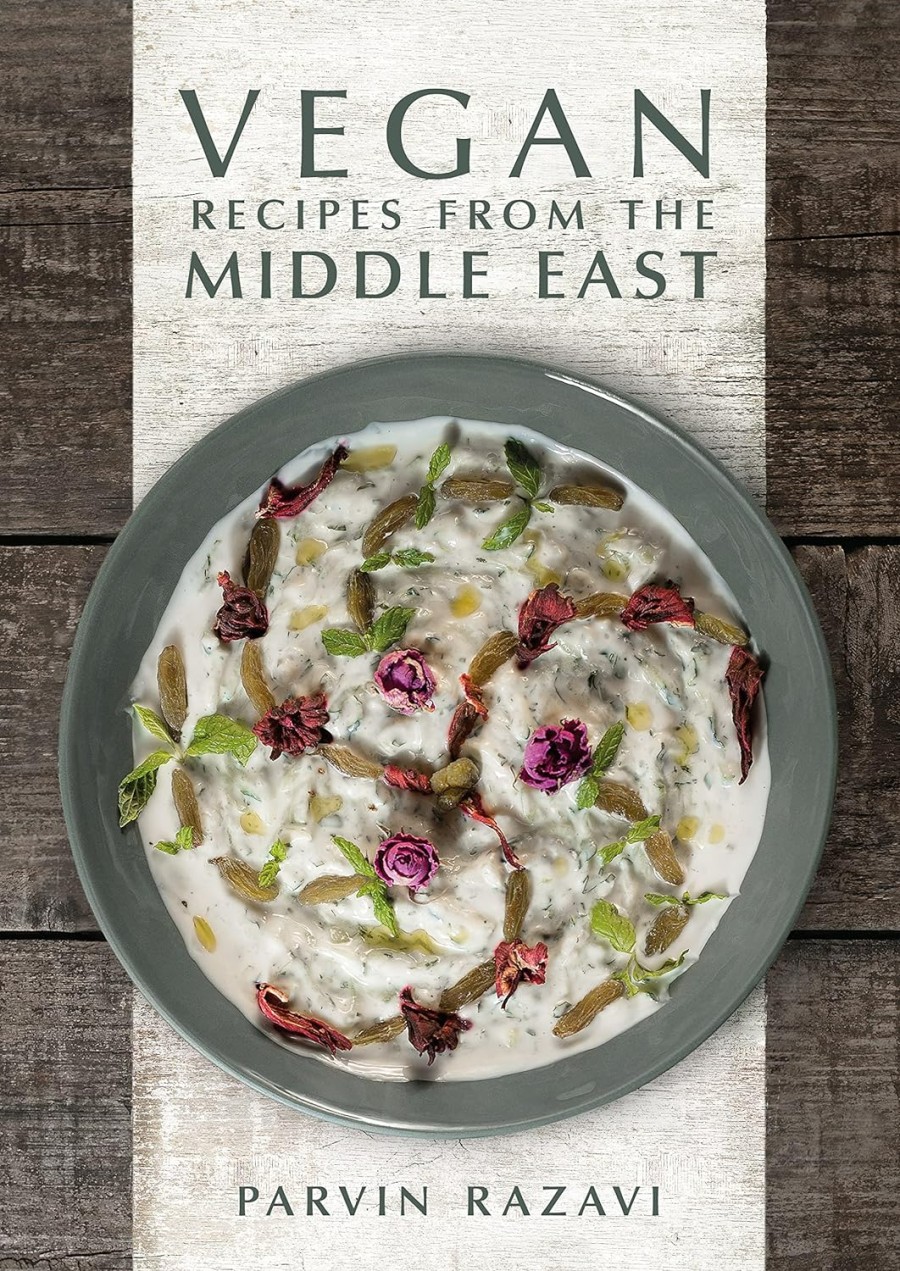
Learning to cook your own food is empowering, as you no longer have to rely on expensive plastic-wrapped ready-meals and takeaways. Master your favourite cuisines at home. Then every night is restaurant night!
The Vegan Middle Eastern Cookbook is a beautiful book of authentic recipes, based around grains and pulses, nuts, vegetables and fruits, from cuisine in Iran, Armenia, Syria, Lebanon, Jordan, Egypt, Morocco and Turkey.
Read up on food safety for people and pets. Bin allium scraps (onion, leeks, garlic, shallots, chives) and tomato/citrus/rhubarb scraps (acids may harm compost creatures).
Fully remove tinned lids (or pop ring-pulls back over holes) before recycling, to avoid wildlife getting trapped.
Find dishes to use as a main course or traditional mezze. This book features warm and spicy stuffed vegetables, cool and fragrant soups, delicate preserves, pilafs, bread, pickles, relishes and pastries.
Parvin Razavi was born in Iran, and spent her early years at the Caspian Sea and in Tehran, until their family emigrated to Europe. She has always been fascinated by her family kitchen, and her culinary talent was valued for years among friends, before she turned her passion into her profession.
A Recipe for Homemade Butter Bean Hummus

This butter bean hummus (The Veg Space) is full of protein. A great basic recipe that only needs 4 ingredients (lemon juice, tahini, canned butter beans and garlic), you can then have fun varying up the flavours: Add cooked beetroot or vegan pesto to make pink or green hummus, or swap the soil for jarred sun-dried tomatoes.
How to Make Your Own Vegan Kebabs
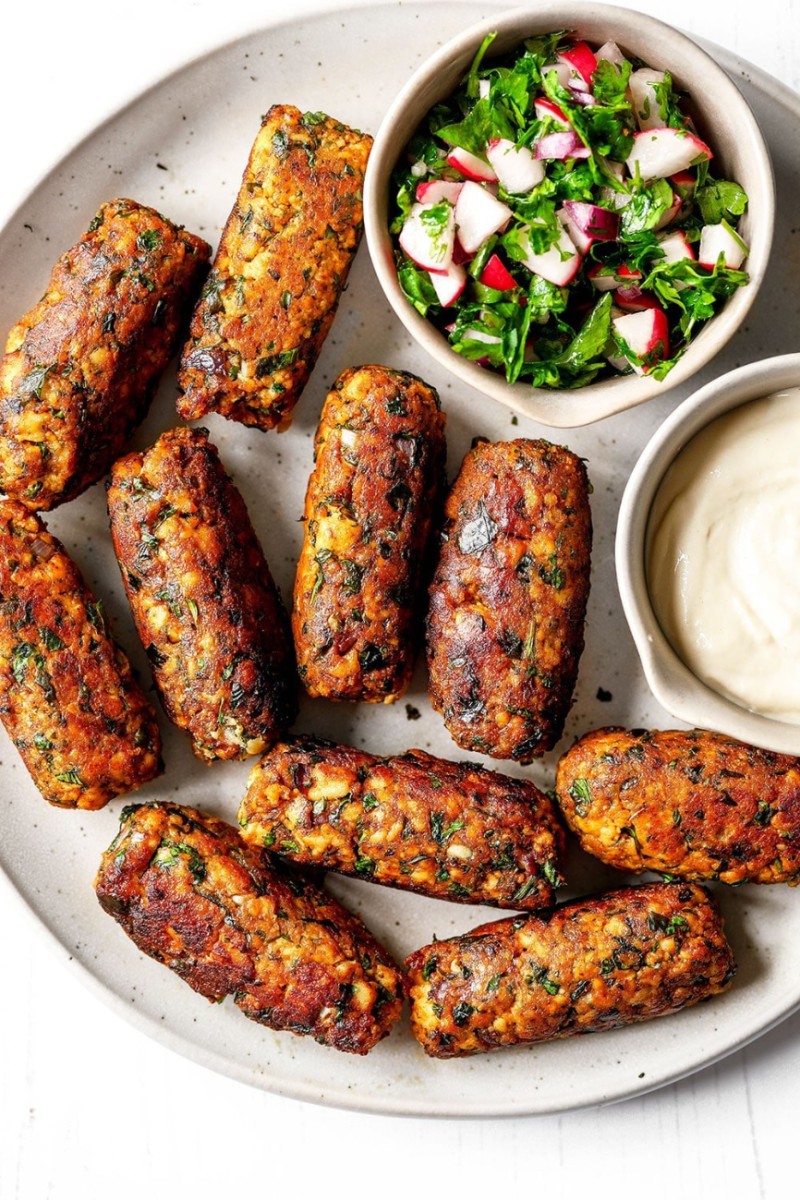
Middle Eastern Tofu Kebabs (Nadia’s Healthy Kitchen)
Kebabs top the list of popular street foods around the world, thanks to their smoky aroma, juicy bites, and burst of spices. Stalls selling freshly grilled skewers build a festive, inviting atmosphere wherever they go. Yet most kebabs rely on grilled meat, which leaves out those seeking a healthier, more ethical alternative. Luckily, vegan kebabs fix this with the same bold flavour.
The classic kebab has roots in Middle Eastern cuisine, where cooks grill marinated meats on skewers over open flames. As plant-based diets grow more popular for health, sustainability, and animal welfare, modern cooks have found creative ways to match the taste and texture of kebabs without factory-farmed meat.
Preparing homemade vegan kebabs lets you control the ingredients, load up on freshness, and skip the hidden additives. There’s no need for fancy skills or rare products. Whether for a weeknight dinner or a party spread, these kebabs deliver street food flavour right from your kitchen.
Essential Ingredients for Vegan Kebabs
The base of a great vegan kebab lies in the mix of protein, vegetables, and bold seasonings. You do not need to rely on fake meats or processed foods. Simple pantry ingredients can help you build an authentic kebab.
For a batch serving four people, gather:
Plant-Based Protein (choose one):
- Firm tofu (pressed and cubed): 400 grams (14 oz)
- Seitan (cubed): 400 grams (14 oz)
- Chickpeas (cooked and mashed, then shaped into balls): 2 cups
Vegetables:
- Red bell pepper (cubed): 1 large
- Courgettes (sliced into thick coins): 1 medium
- Red onion (cut into large chunks): 1
- Button mushrooms (halved): 8-10 pieces
Spices:
- Cumin: 1 teaspoon
- Smoked paprika: 1 teaspoon
- Garlic powder: 1 teaspoon
- Turmeric: 1/2 teaspoon
- Salt and black pepper: to taste
Marinade:
- Rapeseed or Olive oil: 3 tablespoons
- Lemon juice: from 1 lemon
- Dried oregano: 1 tablespoon
- Fresh parsley (chopped): 2 tablespoons
Plant-Based Proteins and Vegetables
For the right texture, remove excess moisture from tofu by pressing it under a heavy object for 20 minutes (you don’t need to press organic Tofoo – made in Yorkshire!), then cut into bite-sized cubes. If you pick seitan, use plain or seasoned varieties and cube them. For chickpeas, mash them and stir in seasonings, then form small balls for skewering. Each protein takes on the smoky, juicy character of grilled kebab.
Load up on vegetables for nutrition, colour, and crunch. Red peppers pack vitamin C, and courgette softens perfectly alongside the firmer onion and earthy mushrooms. Alternate colours on the skewers for a look that rivals any restaurant platter.
Consider swaps for allergies or preferences: Use tempeh if soy is safe, or skip mushrooms if you dislike them. Check local markets for fresh produce at a lower cost, and select organic when possible.
Spices and Marinade Recipe
A strong spice mix gives vegan kebabs their signature taste. Combine cumin, smoked paprika, garlic powder, turmeric, salt, and black pepper in a small bowl. The cumin adds warmth, smoked paprika brings grilled depth, and garlic powder sharpens every bite.
Basic spice mix per pound of protein and vegetables:
- 1 teaspoon of cumin (adds warmth and earthiness)
- 1 teaspoon of smoked paprika (gives a smoky, grilled flavour)
- 1 teaspoon of garlic powder (enhances savoury taste)
- 1/2 teaspoon of turmeric (adds colour and subtle flavour)
- Salt & pepper to taste (rounds out flavour)
For the marinade, whisk together rapeseed or olive oil, fresh lemon juice, dried oregano, and chopped parsley. Toss your vegetables and protein in the mixture, sprinkle over the spices, and let everything marinate for at least 30 minutes. This step lets the flavours soak in, much like classic kebab recipes.
Step-by-Step Cooking Guide
Cooking vegan kebabs at home is simple and satisfying. By preparing and assembling your skewers, you can control every step and skip the oil-heavy methods common to most takeout.
Assembling the Skewers
- Soak wooden skewers in water for 20 minutes if using them, to stop burning on the grill. Metal skewers are reusable and don’t need soaking.
- Alternate pieces of protein and vegetable on each skewer. A pattern such as tofu, bell pepper, courgette, onion, mushroom, then repeat gives each bite a mix of flavours.
- Thread carefully, leaving a small gap between pieces for even cooking. Pack each skewer firmly but avoid overloading or loose pieces that can fall off during grilling or baking.
Grilling and Baking Techniques
Grilling:
- Preheat your grill to medium heat.
- Lightly oil the grates to stop sticking.
- Put skewers on the grill, turning every 2-3 minutes so all sides cook evenly. Grill for 10 to 12 minutes until vegetables char at the edges and proteins turn golden.
- Use tongs or grill gloves for safety when flipping skewers.
Baking:
- Preheat oven to 400°F (200°C).
- Line a baking sheet with parchment paper.
- Place skewers on the prepared tray, turning once halfway through baking, for about 20 minutes.
- Check that vegetables are tender and tofu or seitan forms a light crust.
Both cooking techniques avoid heavy oil use. Grilling builds deep flavours, while baking keeps your kitchen smoke-free.
Serving Ideas and Variations
Vegan kebabs taste great fresh off the grill with a range of sides and sauces inspired by Mediterranean and Middle Eastern fare. Create your own street-food platter or lunchbox using easy accompaniments.
Classic Accompaniments
Pair skewers with warm pita bread, creamy hummus, or tahini sauce. A scoop of cucumber-tomato salad or zesty tabbouleh rounds out the meal. Looking for a dairy-free tzatziki? Blend coconut yogurt with grated cucumber, garlic, lemon juice, and mint.
Other side ideas:
- Steamed rice or bulgur
- Roasted potatoes with herbs
- Pickled red onions for tang
Feeling adventurous? Vary the marinade with spicy harissa, sweet teriyaki, or curry paste. Add pineapple chunks for a sweet-sour hit, or swap in eggplant for extra meatiness.
What the Pitta! was a vegan fast food chain, creating and selling amazing plant-based Middle Eastern food. Due to huge rising rent costs, it has now diversified. Instead, it offers the same wonderful food, but on a catering basis, if you are planning a party or event.
Let’s Meet a Middle Eastern (vegan) Prince!

A controversial law in England is that of religious slaughter, when animals are not stunned, in accordance with laws for the Jewish and Islamic faiths.
The fact is that it’s perfectly possible for both faiths to be vegan, so no ritual slaughter is needed. It may be religious ‘law’ if you eat meat, but you don’t actually have to eat meat. So this can keep everyone happy, without breaking any faith traditions. Here are some helpers:
Compassion in World Farming says that many ‘Halal’ meats are from stunned animals (so not compliant). While some supermarkets sell Halal meat, without labelling it properly. So people buy it, not realising that it comes from animals that were not stunned.
Some of the best-selling vegan cookbook authors in the world are vegan. One Arab Vegan is one of the most popular recipe blogs (its founder a practicing Muslim). And Prince Khaled bin alwaleed (above) is so passionate about the lifestyle, he now has invested heavily in the world’s biggest plant-based news website.
Many Jewish and Muslim food brands are now vegan, proving that it’s perfectly possible to eat in line with your religious beliefs, but also enjoy great-tasting plant foods. Doing this abroad also helps (in Australia, there is huge controversy over sheep and goats sent in blistering heat to boats abroad, where they then are religiously slaughtered).
In fact, Israel is one of the most vegan-friendly countries on earth. And the Middle East Vegan Society now certifies foods using its own V label.