The 2 Minute Beach Clean (volunteer locally)
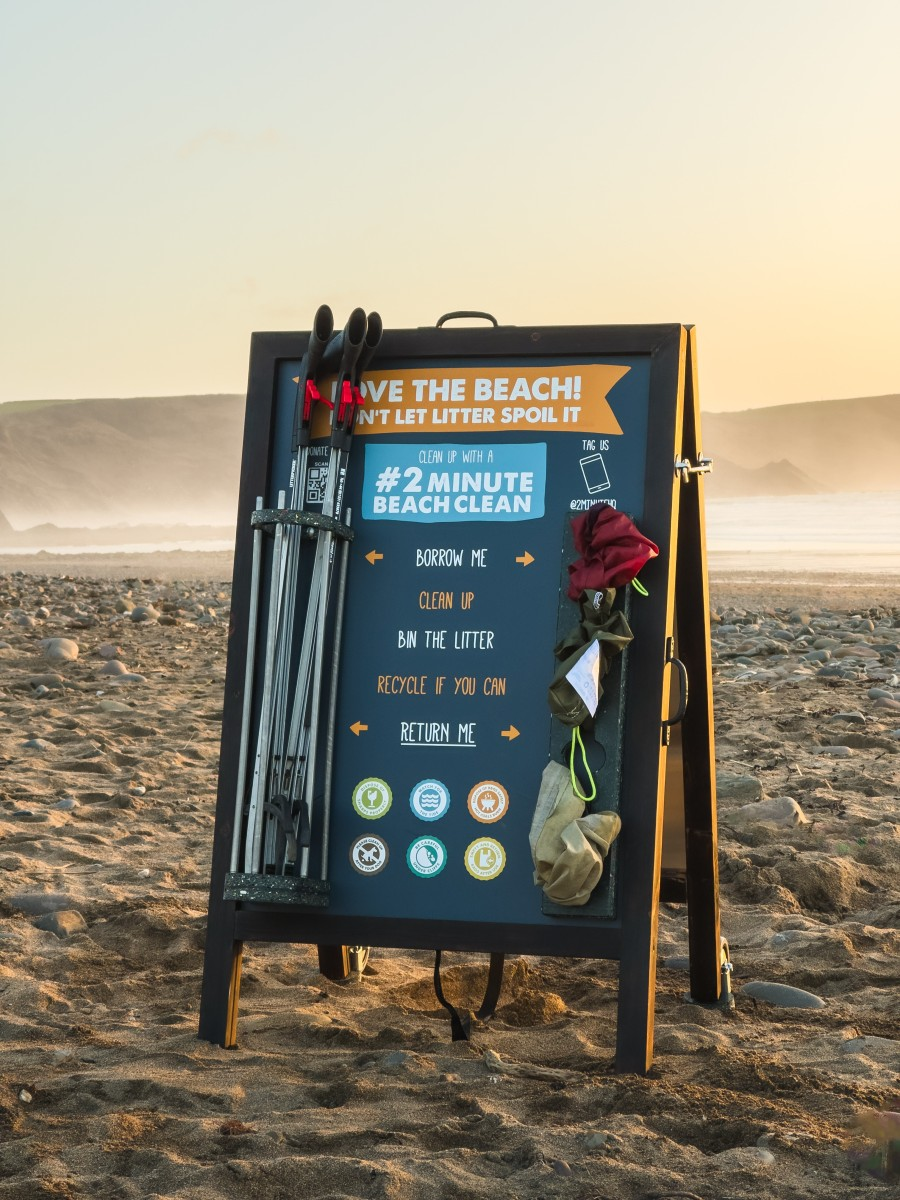
The 2 Minute Foundation offers a litter-picking station for councils or volunteers. Just take a bag and litter-picker, then return when you’re done. It can set up fundraisers for councils, business and schools.
At the coast, keep away from nesting birds and never walk on sand dunes. Learn how to keep dogs safe by the seaside (check beach bans before travel). Read how to be a sustainable sailor.
Here are more places that list volunteer beach clean:
- Surfers Against Sewage has details of local cleans or you can start one (with free equipment for up to 30 volunteers that includes gloves, reusable sacks, a first aid kit and hand sanitiser). Each clean lasts around 2 hours, and you get an owner notification letter to amend, for contacting councils.
- Marine Conservation Society runs beach clean-ups (join open a volunteer account). All litter is recorded (lolly sticks to lost toys).
National Trust organises volunteer beach cleans along its 800 miles of coastline. Recent finds include:
- A washed-up can of Russian bug spray (Suffolk)
- Remnants from a 1980s picnic lunch (Liverpool)
- Sonar equipment from Texas (Northern Ireland)
- Oil-covered digestive biscuits (Devon)
- A headless toy soldier (Whitehaven, Cumbria)
How to start your own beach clean
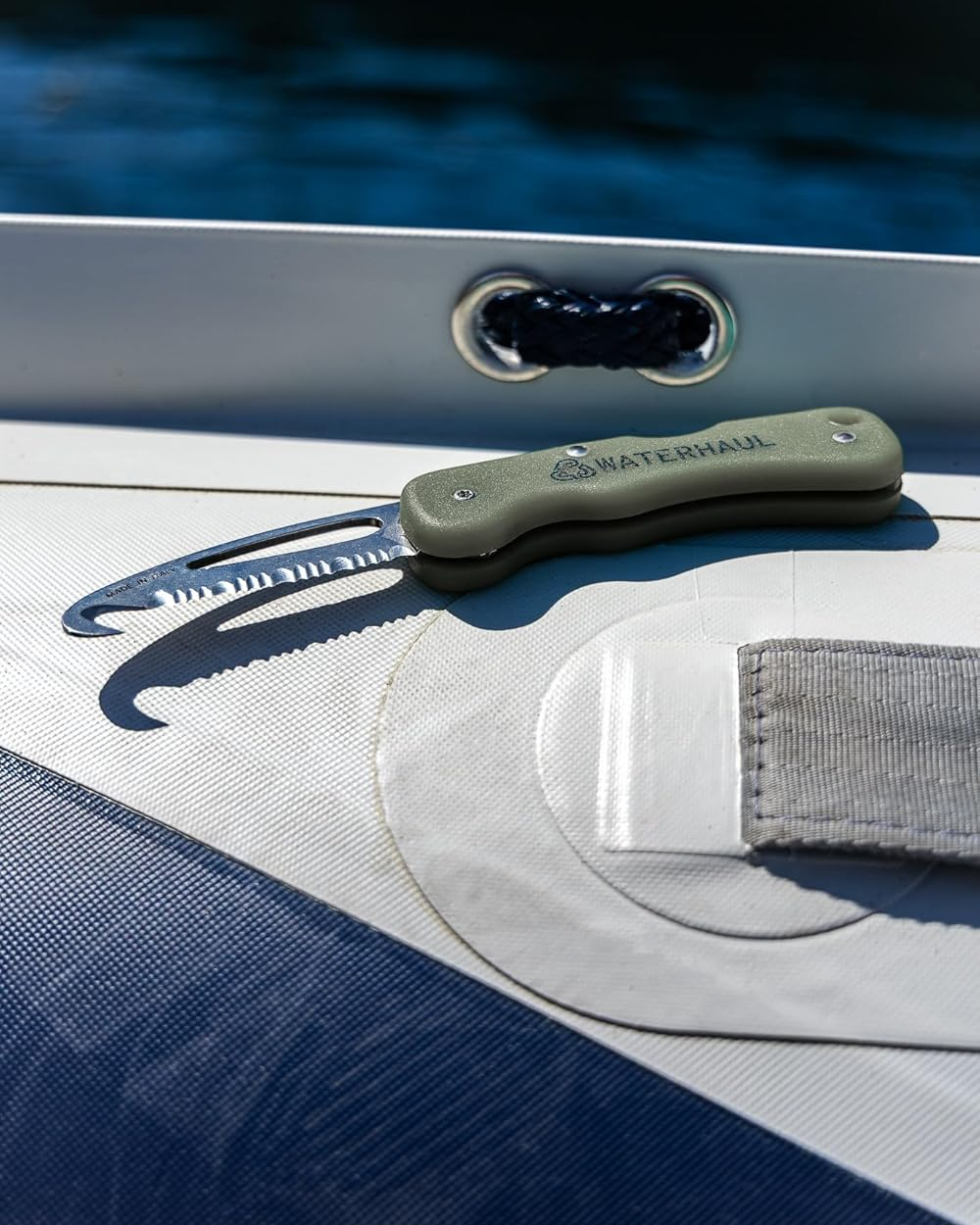
- If you don’t have an official beach clean, you can get together with friends. Waterhaul beach clean bag is made in Cornwall from old sails, use with litter-pickers and knives.
- Arrange nationwide collection of nets and ghost fishing gear.
- Cut up plastic beer rings, rubber bands and hair bands (and snip ear loops from face masks) before secure disposal, to avoid harming wildlife.
- Some councils require permission. Just find a short section of beach, and get together for an hour or two.
- Set a clear meeting point with a landmark, and pick a back-up date in case of bad weather.
- Ask your council where to leave bags for collection, and what they accept.
- It helps to give each person light roles (one to greet volunteers, one to keep an eye on tides, one to guide where bags are dropped and one to flag risky items to report.
- If you find live marine creatures, report to British Divers Marine Life Rescue (RSPCA and Coastguard can put you through). Report fly-tipping and dead animals to your local council.
The most common items you’ll likely to encounter on the beach are:
- Plastic bottles
- Glass litter
- Cigarette butts (use a personal ashtray)
- Tear-off bits on plastic bags
- Plastic tea bags
- Nylon hair bands
- Crisp packets
- Golf balls and tees (launched from ships)
- Swimming costumes, goggles, snorkels
- Fishing line waste
- Footballs, frisbees (never use near seals)
What to bring and how to stay safe
- Sturdy shoes or wellies (trainers can work on firm sand)
- Gloves (reusable if possible, and warm ones in colder months)
- A litter picker if you have one (helpful for broken glass)
- Bags or a bucket (a bucket handles wet litter better)
- Hand sanitiser or wipes
- Water and a small snack
- A light waterproof jacket
- Sun cream and a hat. Always wash off sunscreen before letting pets kiss you, due to toxic zinc oxide (same with deodorant, cosmetics and cocoa butter skin creams).
Safety rules that protect you and wildlife
- Check tide times and avoid areas that could cut you off.
- Leave needles, unknown chemicals, pressurised canisters, dead animals, and anything that smells of fuel. Flag to the organiser and report to your council. Use pickers (not hands) for glass and sharp objects.
- Lift with your legs, not your back (due to heavy wet sand).
- Don’t drag items over dunes, as this can harm plants and nesting wildlife. Keep away from seals and fenced areas.
- Dogs usually are not allowed, if so keep them away from nesting birds and seals (read how to keep dogs safe by the seaside).
- Stay safe near jellyfish (even dead ones can sting people and dogs).
Inspiration from Abroad (how Hawaii keeps beaches clean)
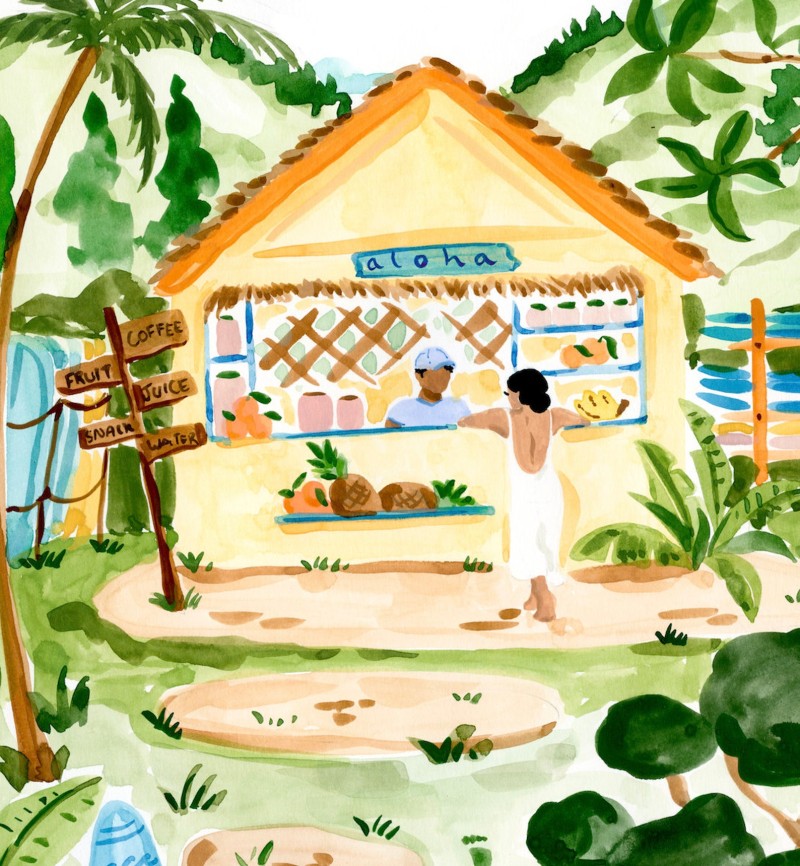
Hawaii is a USA state in the Pacific Ocean, home to singer/songwriter Jack Johnson who with his wife, is heavily involved in local beach clean activities (they even invented a reusable pint cup to stop plastic waste).
The islands are home to Kona coffee, hula dances, volcanoes and the world’s highest mountain (not Everest, this is higher if you include underwater ones).
But plastic waste (and wildfires due to climate change) means these six major islands have really taken a serious approach to reducing carbon emissions and beach litter, for residents, tourists (a major income) and marine creatures.
There are tap water refill stations across the island, along with marine trash identification lesson plans, to get the next generation involved in helping to keeping the island clean for future generations.
Why so much rubbish collects in Hawaii
Most of the world’s discarded rubbish collects into one massive mound in the North Pacific, bound by the North Pacific Subtropical Gyre. It’s divided into the eastern garbage patch (between Hawaii and California) and the western garbage patch (near Japan).
Hawaii Wildlife Fund estimates that 15 to 20 tones of marine trashed are washed up on the island’s shores each year, most of which are plastic. Kamilo Beach (on Big Island) is now listed as the most plastic-polluted place on earth, with over 47 tons of plastic removed from the shore in just 24 days.
On one volunteer beach clean, one find was an endangered Hawaiian monk seal, who had netting wrapped tightly around her neck). Another local monk seal died, after becoming entangled from ‘jug fishing’ (when someone lowers a plastic jug to try to catch a fish).
Due to so many active volcanoes, some have asked why Hawaii does not use the heat for energy. But experts say this would not work, as volcanoes are unpredictable – collecting it would be ‘the most dangerous job on earth’.
We’ll just look at you. If you look scared, then we’ll panic. Discovery Channel crew to volcanologist John Seach, while filming at a volcano
I have seen so many eruptions in the last 20 years, that I don’t care if I die tomorrow. Maurice Krafft (volcanologist on the day before he, his wife and another volcanologist were killed on Unzen Volcano, Japan).
Reducing the Great Pacific Garbage Patch
Near to Hawaii, this is a swirling current of rubbish that is apparently the size of Texas. Hawaii’s island accumulate a lot of marine debris from the north side, including thousands of pounds of plastic, fishing gear and consumer litter that wash up on the windward coasts.
Despite Hawaii’s best efforts, Kamilo Beach on Big Island is one of the most littered areas on earth, due to ocean currents washing up plastic waste. Locals say it’s not unusual to see the ocean filled with confetti-like plastic pieces’, and someone once came across hundreds of coat hangers in one go.
It’s so bad, that local hotels even offer free nights for tourists, who get involved in volunteer beach clean-ups. The government has also mandated that all cesspools be replaced by 2025, to improve water quality and beach sanitation.
After legislating for the single-use plastic ban, President Trump has reversed it saying that ‘paper straws don’t work’. So now Americans will be able to buy, use and litter plastic straws all over again, after such a fight to rid the world of them.
Sustainable Coastlines Hawaii
Sustainable Coastlines Hawaii is a local organisation dedicated to cleaning up the coastline, and keeping it that way. It offers:
Private and corporate clean-ups, for local communities and businesses to get involved. They offer a fun way to get outsides, while creating a positive impact that leaves participants inspired. Can you imagine if the same happened in England, say on mass-littered beaches such as Skegness, Margate and Formby?
Why are councils and companies in these towns not organising outings for locals to go pick up litter, and get involved in bettering their communities, with lots of incentives (say reusable mugs and bottles, and a free lunch out?)
In Hawaii, all the clean-up supplies are included. Plus each event receives a post-impact report, which the council or community or company can then post up on their website and social media. The USA annual clean-up has an annual report. As well as finding all the usual rubbish (glass, plastic etc), it also has found:
- Cardboard boxes saying ‘please recycle this box’
- A nappy full of fruit
- Shopping carts in rivers
- Microwaves, fridges and TV sets
- Decades-old soda cans and vintage bottles
- Car parts and engines
- A live litter of puppies, who were all adopted to good homes
(Re)learning programmes
These are mostly for schools but could also be for communities. Often when people drop litter, it’s because they actually don’t think about where it goes. Not realising that cigarettes and cotton buds etc, slip through sewage systems and go into the sea (as do condoms, baby wipes and plastic tampons and pads, if flushed down the loo).
Here, local environmental experts give classes for free, to teach young people reasons not to drop litter, and what happens to it, when it breaks into microplastics and ends up in the sea. Once they know, it’s far less likely that they’ll be littering bottles and cans everywhere.
Before recycling cans, rinse/remove lids (pop ring-pulls over holes). Then step on upper cans to pinch rims together, to stop wildlife getting trapped. Also rinse out bottles and jars, before recycling to avoid tempting wildlife.
Plus at the end of the teachings, they are given some litter-picking tools to participate in a fun safe litter-picking expedition on a local beach, before they go home. To put their new theory into practice!
Resource Recovery
This program puts all the waste recovered back into use as something else! For instance, Circular & Co Coffee Cups are made from waste collected by Waterhaul projects, one purchase designed to last for years. In Hawaii, food scraps are made into compost, other items are recycled, and what’s left is trashed safely (not ideal, but better than littering local beaches and safer for fish and marine creatures).
The organisation was founded by eight friends in someone’s house, and now has become a worldwide pioneer to inspire anyone with litter clean-ups on local beaches. Here are some strange items that each member has found on Hawaiian beaches:
- A machete?
- A very expensive pair of Korean sunglasses
- A dead cockroach laying among microplastics
- A USA baseball helmet
- A damaged Barbie doll head
- A garden hose
- A vacuum cleaner
- A buoy from 1960
- A crate with mysterious writing
- Chief executive Rafael won’t even say, answering ‘let us never speak of them again?!)
Oyster spacers (these are tiny plastic straw-like tubes used in the oyster farming industry, that break apart into microplastics). Plastic eel trap cones also wash up frequently.