When roads divide nature: the importance of wildlife crossings
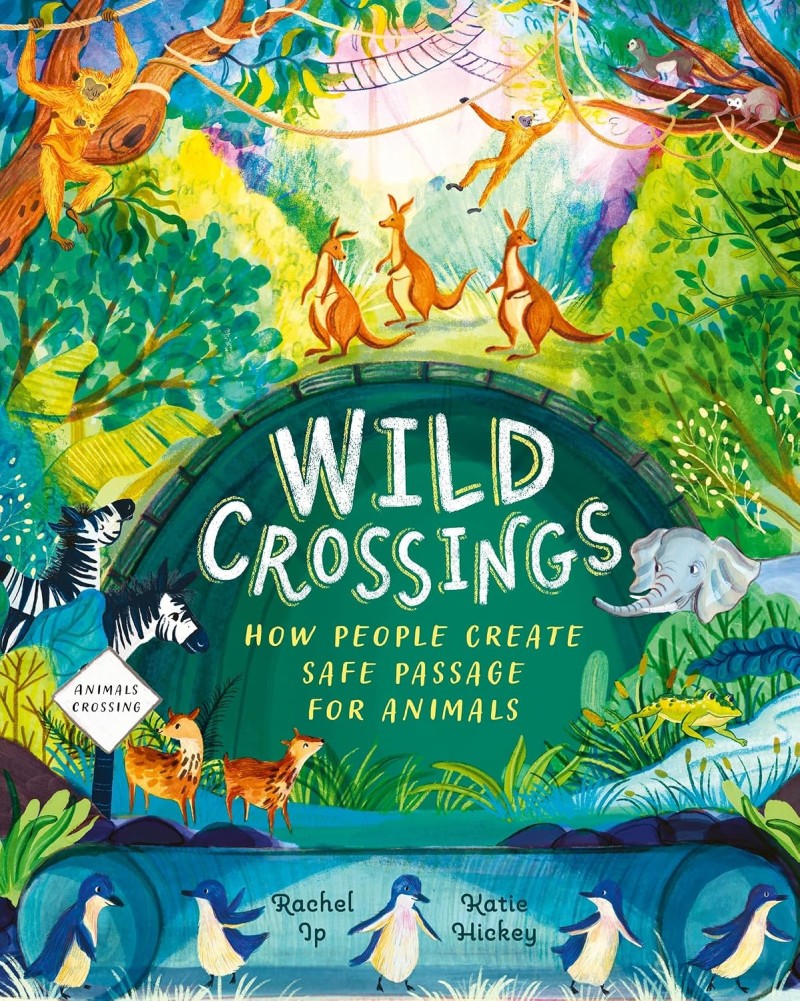
Wild Crossings is a fun and uplifting book on how volunteers and scientists and planners are helping to safely let animals on the move find safety and shelter when needing to cross roads.
Read the post on making roads safer for wildlife.
Visit ARC to read the latest news and inventions.
From motorways to railways to housing developments and gas pipelines, humans have made it harder for animals to get to where they need to go.
But now humans are reconnecting wild spaces and helping creatures of all shapes and sizes to find safe passage. From overpasses and underpasses to rope bridges and clever engineering, this is helping tiny toadlets to the world’s largest mammals. Animals cross over and under, up above and down below!
Includes 18 true stories of animal crossings. From the world’s only ‘crab bridge’ to a ‘trunk crossing’ for wild elephants!
Why are wildlife crossings so important?
Roads worldwide connect towns, cities and communities. But they can also divide natural habitats and create serious dangers for wildlife. Each day, animals attempt to cross busy roads in search of food, water, shelter or mates.
Many are injured or killed by vehicles, while others avoid crossing altogether. Over time, this can isolate animal populations and threaten the health of entire ecosystems.
What are wildlife crossings?
Wildlife crossings provide practical solutions. These structures allow animals to safely cross over or under roads, reducing collisions and reconnecting areas of habitat.
- Overpasses may be covered with vegetation, creating natural-looking bridges across highways.
- Underpasses can be designed for mammals, amphibians, reptiles or fish – depending on the location and species involved.
The need for wildlife crossings worldwide
- In Europe, bridges and tunnels are used by species including badgers, otters, hedgehogs and amphibians.
- In North America, crossings have helped animals such as elk, cougars, deer and mountain lions move between fragmented habitats.
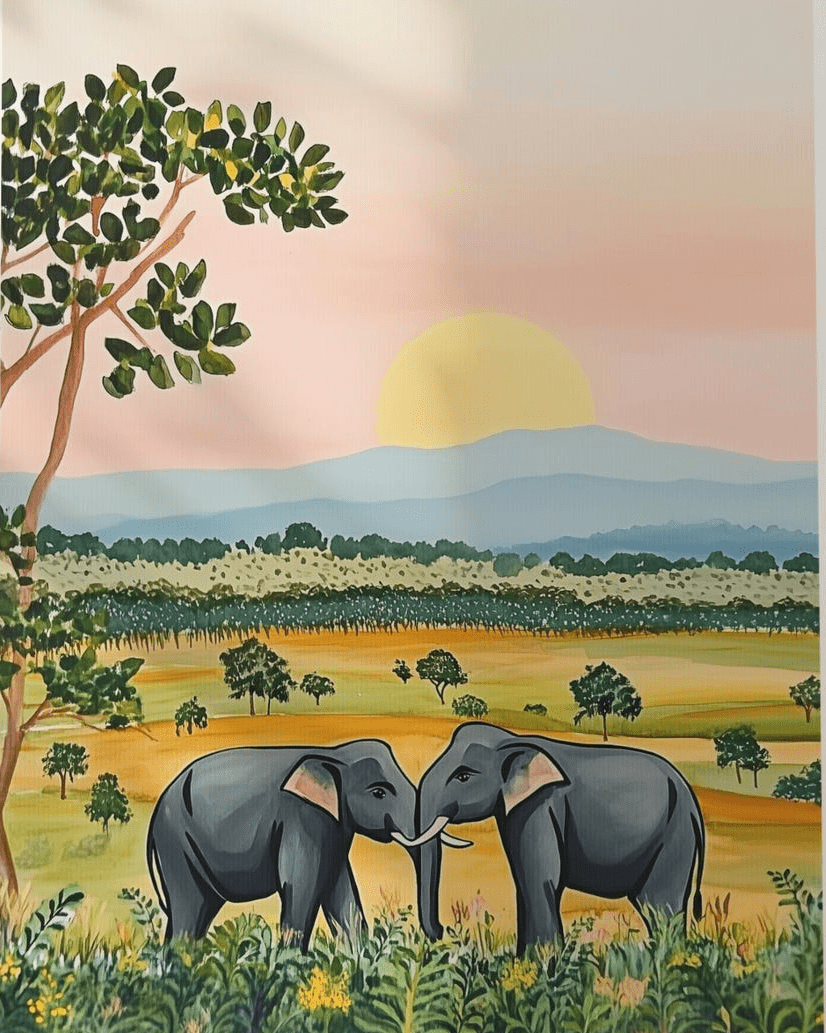
- Elsewhere, crossings have been designed for elephants, monkeys, koalas and other animals. Whose traditional routes have been interrupted by roads and development.
These structures are important, because healthy wildlife populations depend on movement. Animals need to travel to find food, reproduce, avoid danger and respond to changes in weather or habitat.
If a road cuts through territory, some may become trapped in smaller areas. This can reduce genetic diversity and make populations more vulnerable to disease, climate change and environmental pressures.
Wildlife crossings also benefit people
Collisions with large animals like deer can cause serious injuries, vehicle damage and costly delays. By directing animals toward safe crossing points, conservation projects can improve road safety, as well as to protect nature.
Fewer collisions mean safer journeys for drivers. And lower costs for communities and transport authorities.
Successful crossings require careful planning. Conservationists and engineers study animal movements, track collision locations and identify important migration routes, before deciding where to build.
Fencing is often installed alongside crossings to guide animals towards them, and prevent access to dangerous sections of road. Planting native vegetation can make the structures more attractive and familiar to wildlife.
For instance, animals rarely see the colour red. So some wildlife crossings have been designed in a red colour, so they blend into the background for wildlife.
Monitoring is also another essential part of the process. Cameras, tracks and other evidence can show which species are using a crossing. And whether improvements are needed.
Some animals adapt quickly, while others require time before they trust a new structure. Design must therefore reflect local conditions, and the behaviour of the species that live there.
Crossings (the complete guide to road ecology)
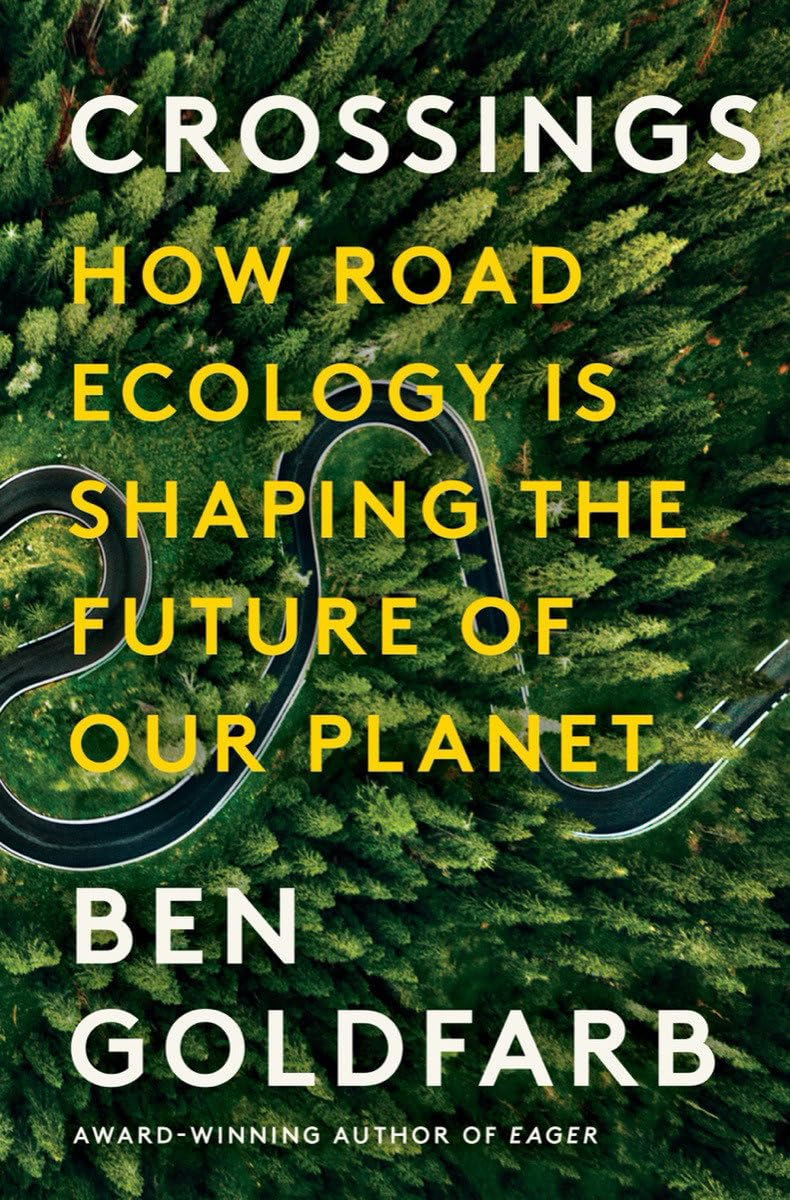
Crossings is the ultimate guide to ‘road ecology’, looking at inventions and ideas across the world that are helping animals to safely cross minor roads to hugh freeways. He travels across the world to see how people are helping to save the one million animals killed each day in the US alone.
From antelope to salmon, scientists are helping them to migrate safely in search of food and mates. From people building tunnels for English toads to bridges for Californian mountain lions, he also meets those caring for car-orphaned wallabies in Tasmania. And those looking to undo the havoc that cars have wreaked upon our cities.