The Lake District: England’s largest National Park
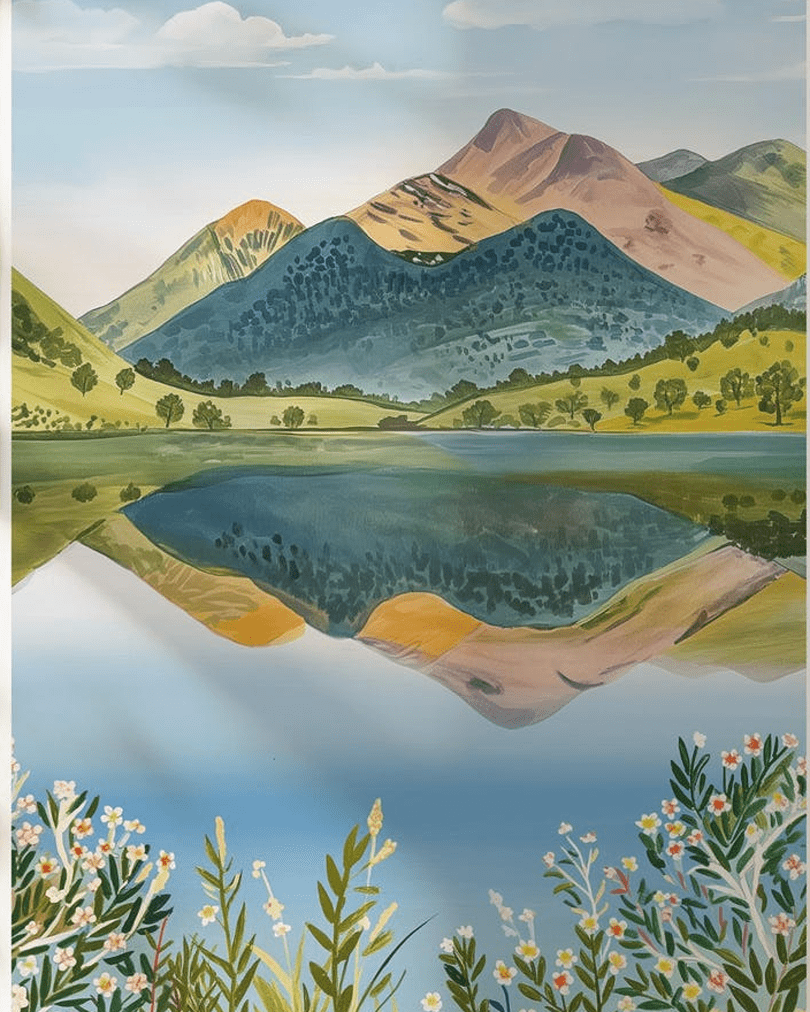
The Lake District is England’s largest National Park, which takes up most of the mostly rural county of Cumbria in northwest England. It’s home to England’s largest body of water (Lake Windermere – with concerns over sewage pollution) and all of England’s highest mountains including Scafell Pike.
Known for its beautiful lakes, dramatic mountains and peaceful valleys, it also has many pictureseque villages. It covers around 912 square miles and does suffer a bit from overtourism, attracting millions of visitors in the summer.
If out walking, follow the Countryside Code to keep all creatures safe (learn how to upright an overturned sheep).
Keep dogs away from steep banks, cliffs and toxic plants/trees.
How as the Lake District formed?
The landscape of the Lake District was shaped by glaciers thousands of years ago. These ancient glaciers carved deep valleys and created the lakes that define the region today.
Among the most well-known are Windermere, Ullswater, Derwentwater, Coniston Water, and Buttermere. Each lake has its own character, from the busy shores of Windermere to the peaceful surroundings of Buttermere.
Scafell Pike, England’s highest mountain, rises to 978 metres and is a popular goal for experienced walkers. Other well-known peaks include Helvellyn, Catbells, and Great Gable. These mountains provide impressive views, although walkers should prepare carefully because the weather can change quickly.
Charming villages in the Lake District
The Lake District is also home to charming towns and villages. Ambleside, Keswick, Windermere, Grasmere, and Keswick are popular bases for exploring the surrounding countryside. They offer a variety of cafés, restaurants, shops, galleries, and places to stay.
The area has strong connections with literature and the arts. Writers such as William Wordsworth, Beatrix Potter, and Samuel Taylor Coleridge found inspiration in the landscape.
The nature and wildlife of the Lake District
Wildlife is another important part of the national park. Red squirrels, deer, otters, and wild ospreys can be found in different parts of the region. Woodlands, rivers, lakes, and open fell areas provide valuable habitats.
Visitors can help protect this environment by staying on marked paths, keeping dogs under control, and taking litter home.
The Lake District is beautiful in every season. Spring brings colourful flowers and newborn wildlife, while summer offers long days for exploring. Autumn covers the valleys in golden and copper shades, and winter creates a dramatic atmosphere across the mountains.
The Lake District National Park is a destination that rewards repeated visits. Whether you are seeking a challenging climb, a peaceful escape, or inspiration from nature, the Lake District offers an unforgettable experience.