Wildlife Gardening for Everyone and Everything
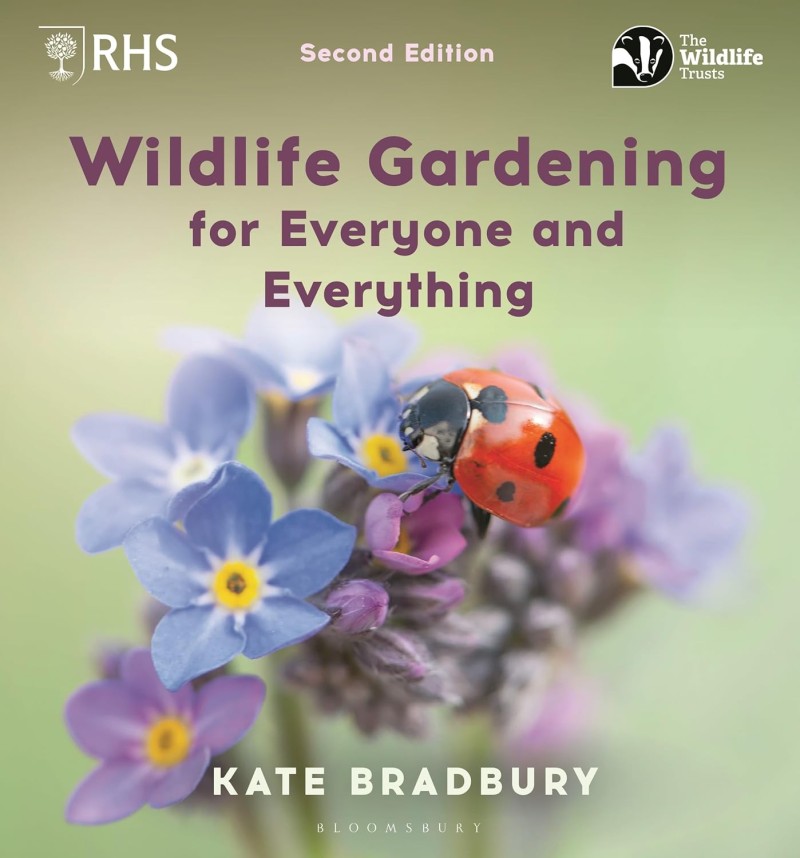
Wildlife Gardening for Everyone and Everything is the updated edition of a popular book by one of England’s most popular wildlife garden writers. Ideal for anyone who wishes to welcome more bees, birds, frogs and hedgehogs into their gardens, this is your go-to guide.
Teaming up with RHS and Wildlife Trusts, this book shares expert and up-to-date advice on nature-friendly gardening, and how to offer food and shelter.
Read more on no-dig gardening and humane slug/snail deterrents. If you live with animal friends, read up on pet-friendly gardens (some recommended flowers are not safe).
The book contains handy charts for every size and style of garden, to create ideal habitats for the species you wish to welcome. There are facts on common garden species, plus tips on compost corners, wildflower meadows, pollinator plants and feeding birds naturally.
Keep fresh compost and fungi away from pets.
Whether you grow vegetables and flower-filled borders (or simply garden on a balcony or your doorstep), this guide is packed with simple and practical ideas to create a wildlife-friendly outdoor space!
Kate Bradbury is an award-winning writer who specialises in wildlife gardening, and also the wildlife editor for BBC Gardener’s World magazine. She also writes a regular column for a national newspaper. Her garden has featured on BBC Springwatch and Autumnatch. She lives in Sussex.
Tips for Wildlife-Friendly Gardens
- Ditch Chemicals and Fertilisers. Bin empty containers and take half-empty ones to the tip, In organic gardens, ladybirds can eat up aphids, birds and frogs will take care of slugs and snails.
- Let Part of Your Lawn Grow Wild. Cutting grass less often lets wildflowers pop up, to feed insects and pollinators. Leave a section of lawn un-mowed in spring and summer.
- Swap Exotic Plants for Native Species. Local plants support wildlife. They offer food and shelter for birds, insects and mammals.
- Add Log Piles and Stone Stacks. These create perfect hideouts, especially in sunny weather or for hibernation. Over time, these piles become homes for beetles, worms, frogs, and slow worms. Leaving fallen leaves and dead branches provide shelter, and enrich soil.
- Create Wildflower Patches or Meadows. These not only add colour, but attract bees, butterflies, and moths. Surprisingly, they need poor soil, so don’t add compost (encourages grass to compete).
- Hedges Instead of Fences. If possible, swap wooden fences for living hedges, these give safe nesting places and act as corridors for hedgehogs to roam at night between gardens.
- Wildlife-friendly ponds are loved by amphibians, birds and insects (ensure they have sloping sides, and avoid netting). Large shallow stones create safe landing spaces for bees and butterflies.
- Safe Havens for Garden Birds. Keep cats indoors at dusk/dawn (avoid wooden posts that claws can climb) and also avoid coloured/tin bird houses (these over-heat and attract predators). Turn off lights when not in use (and avoid facing indoor plants to gardens, to stop birds flying into windows).