How to Make Or Buy Real Bread Loaves

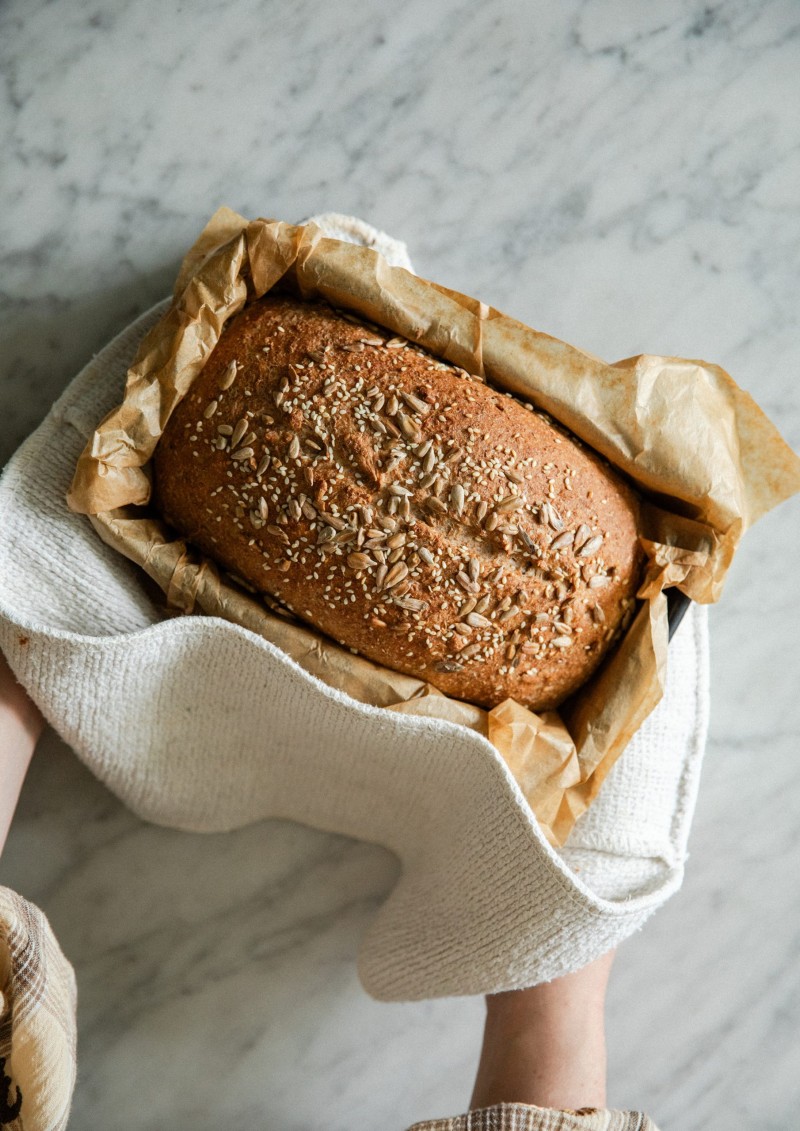
Learning to bake your own bread means you can make small loaves to avoid waste, and say no to palm oil and plastic bags. This wholemeal loaf (Doves Farm) only needs a few ingredients, and can be made in an air-fryer.
Keep fresh dough away from young children & pets (and garlic, onion, dried fruit, salt). Read more on food safety for people & pets.
Don’t give leftover stale/mouldy/crusty bread to garden birds or wildfowl (due to salt again, also fat can smear on feathers, affecting waterproofing/insulation.
Lakeland compact breadmaker costs around £60, has great reviews and makes a 1lb loaf (it also has settings to make pizza dough and homemade rolls). It even has a delay start feature, so bread is ready just at the right time.
If buying any small electrical appliance, the law says the store that sells it has to legally take back old appliances for recycling (at no cost to you).
A Few Simple Bread Recipes for Beginners
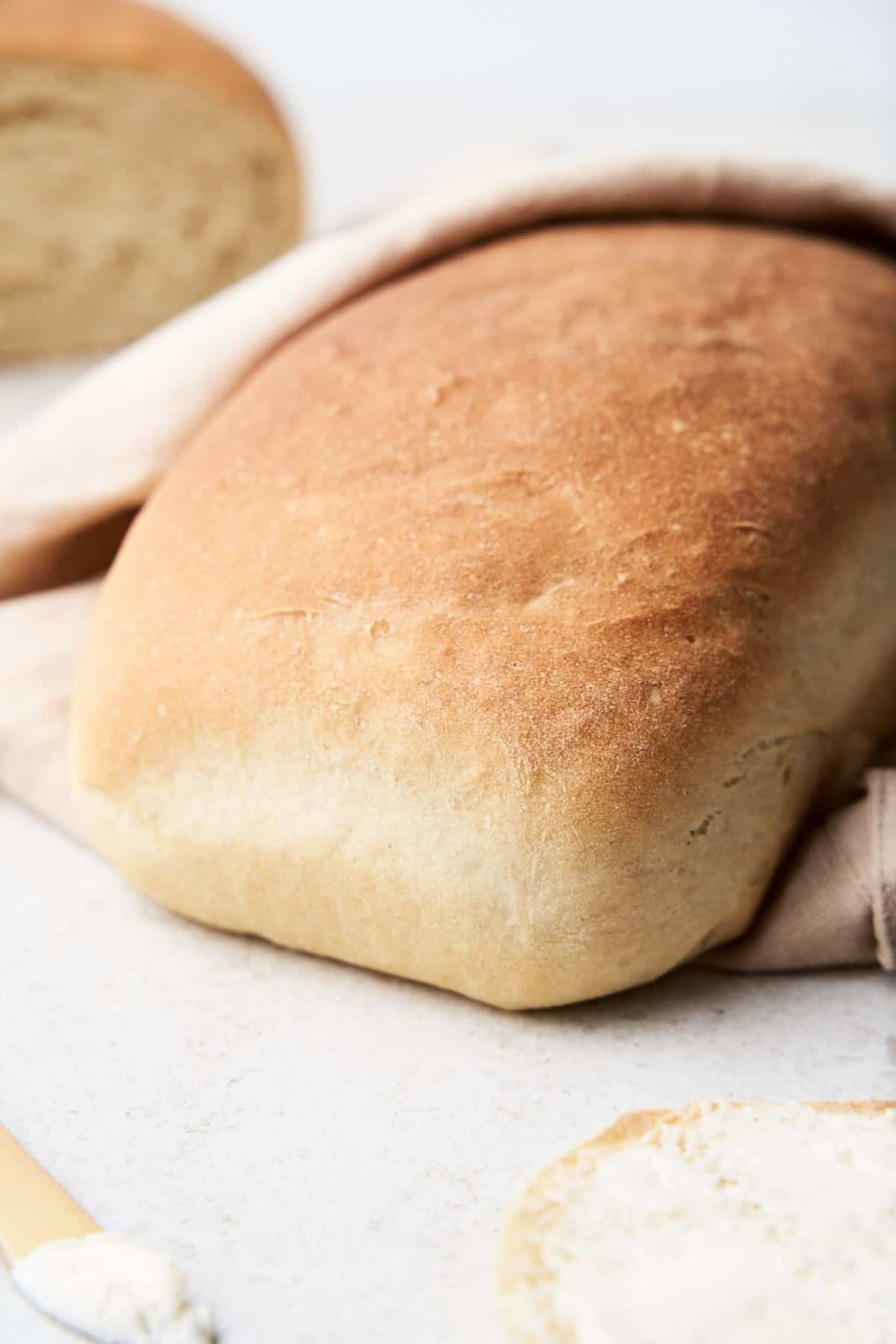
This 5-ingredient homemade bread recipe (Broke Bank Vegan) just needs good flour, rapeseed or sunflower oil, lukewarm water, a little cane sugar and instant yeast. Let the dough rise in a low-temperature oven (or InstantPot). Use a serrated knife to carve and serve with Flora vegan butter.
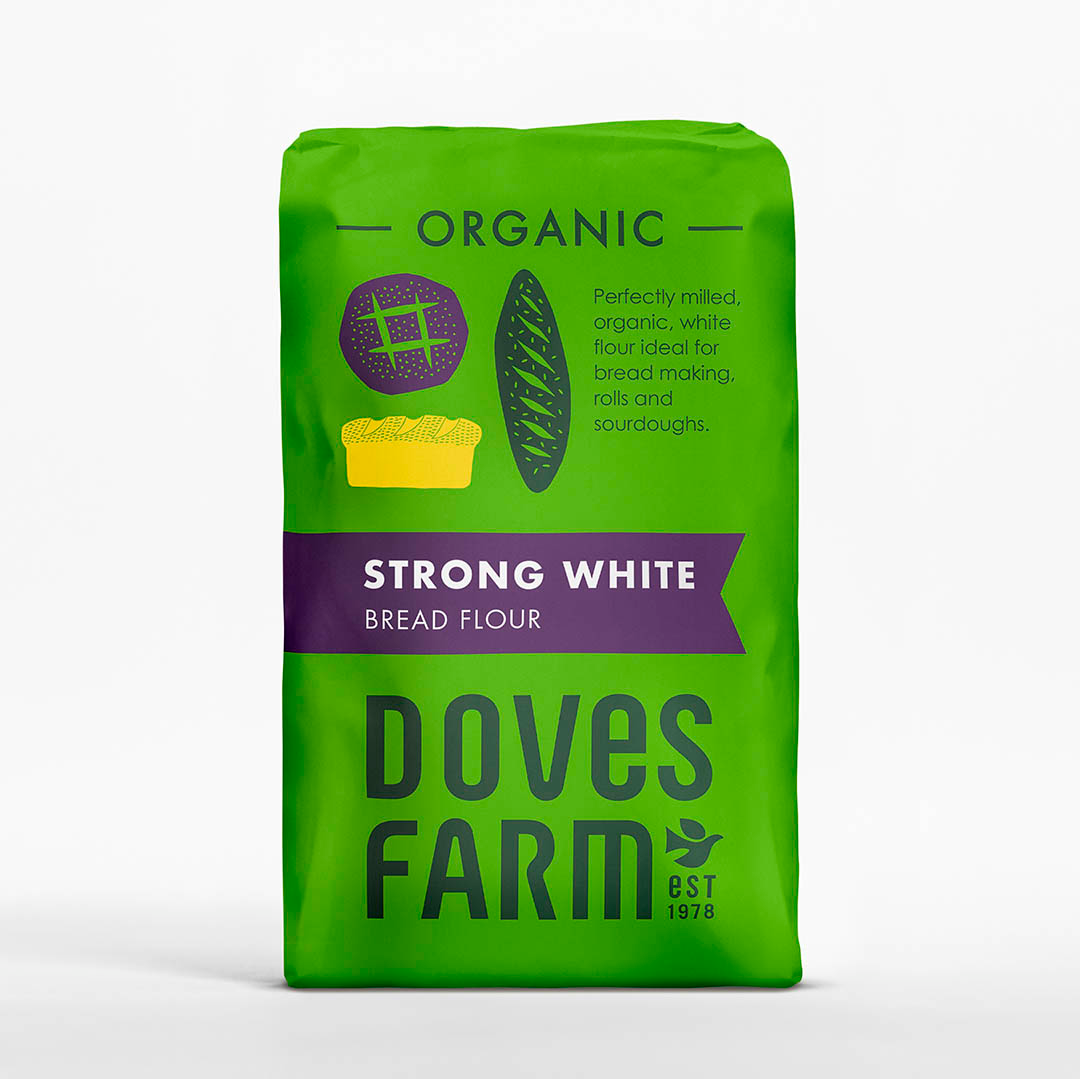
Doves Farm is an organic flour company that has several simple vegan bread recipes, if you like to make your own loaves. The recipe page includes information on how to make:
- Wholemeal Spelt Air-Fryer Bread
- Heritage Seeded Sourdough Loaf
- Air-fryer Loaves (white or wholemeal)
- Simple Machine Loaves
- No Knead Overnight Bread
- Malthouse Bread Rolls
- Soda Bread
- Rye Bread & Scones
- 2-Hour Wholemeal Bread
- Breadsticks
- Chapati Flatbreads
- Focaccia & Ciabatta
A typical homemade loaf often lands near 60 to 90 pence. A standard shop loaf may cost £1.20 to £1.50, while bakery loaves can reach £2.50 to £4.00. If you bake two loaves a week, you can save several pounds each month.
Batch baking helps. Make two loaves on a Sunday, cool them, then slice and freeze one. Pull out slices as needed for lunch or breakfast.
Cut Down on Food Waste with Versatile Recipes
Bread does not need to be perfect to be useful. Turn stale slices into:
- Croutons for salads and soups
- Breadcrumbs for topping pasta bakes
- Bread and butter pudding for a simple dessert
- Shape leftover dough into rolls or mini pizza bases.
Nice Recipe Books for Homemade Bread
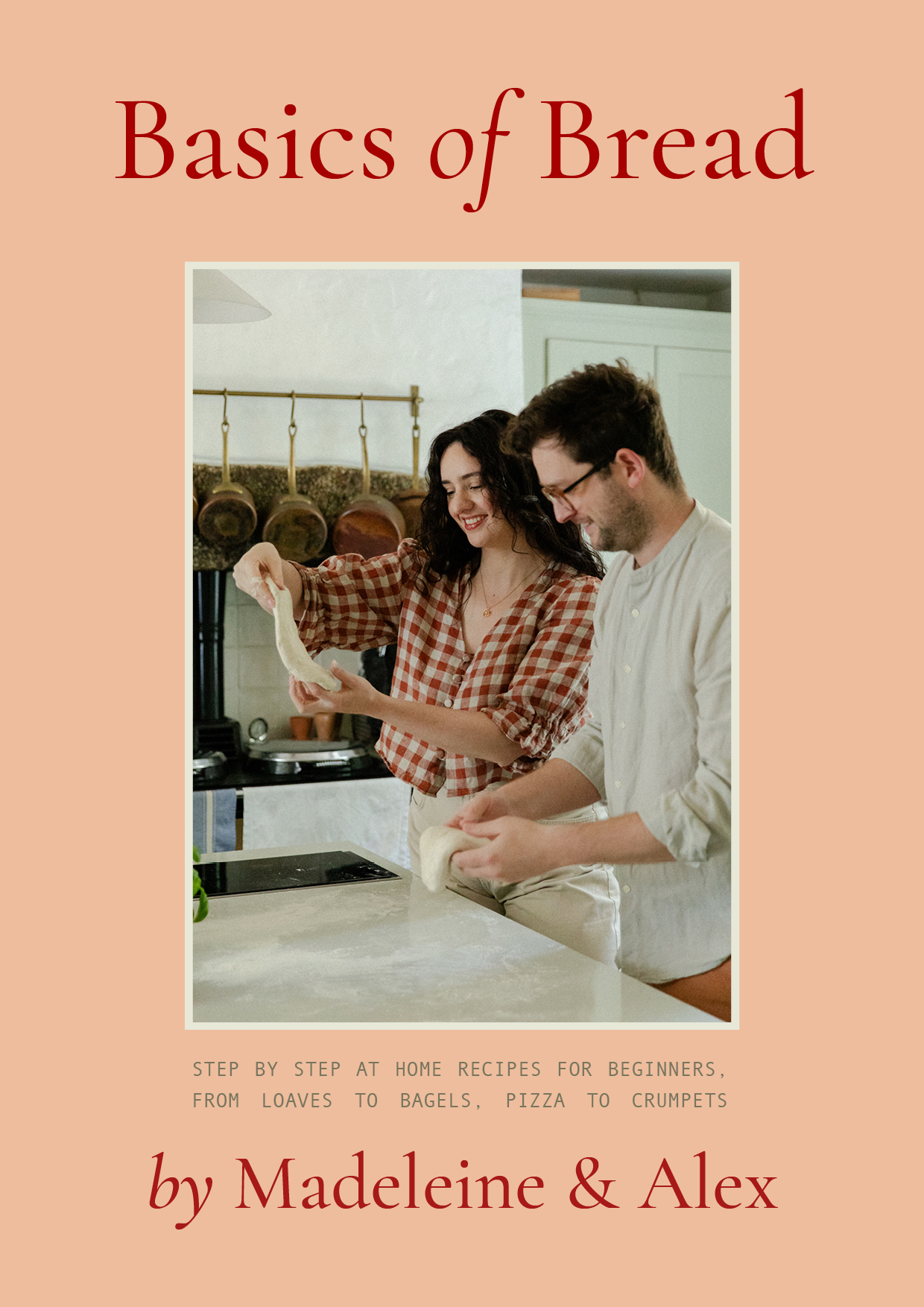
Basics of Bread is a beautiful e-book from Madeleine Olivia and her husband Alex, on how to make 20 simple plant-based bread recipes for beginners. The book features the basics of how to knead bread plus recipes for pizza dough and bagels, to foccacia, hot cross buns and cinnamon rolls.
We love Madeleine’s website and her cookbooks, plus before/after home makeovers for their country cottage. If you feel stressed out, pop over to view this site, and find creative inspiration. All will seem right with the world!
The Vegan Bread Machine Cookbook is a book of 65 simple recipes, if you invest in a bread machine. It’s good to bake your own bread, but most people will only do this, with the added simplicity of a machine, to avoid kneading and proving the dough.
With this book, there’s no need to buy expensive artisan breads, instead just bake your own bakery-quality treats.
Following on from Shane’s debut book on how to bake homemade bread, this book takes this to a simpler level, with recipes to inspire you to dig out your bread-maker, or pop to the shop to buy one, with recipes that won’t leave it gathering dust in the cupboard. Recipes include:
- White or Wholewheat Sandwich Loaf
- Rapid-rise White Bread
- Sprouted Wheat Bread
- Jalapeno ‘Cheese’ Bread (above)
- Oatmeal Bread with Sunflower Seeds
- Rosemary & Thyme Gluten-Free Bread
- Speedy Herb Focaccia
- Bread Machine Cinnamon Rolls
- Walnut Cranberry Artisan Loaf
- Celebration Challah
- Panettone Christmas bread
You’ll also find expert tips on how to get the best performance from your bread machine, especially when working with vegan ingredients. Plus tips on how to store and freeze your homemade bread.
Don’t Store Bread in Plastic Bags

Storing bread in plastic bags is not good, as bread just sweats. FreshPaper Bread Saver Sheets are good. Battle Green organic cotton bread bag can easily handle a large loaf and is wrapped in a recycled card ‘belly band’.
Join the Campaign for Real Tasty Bread
Most supermarkets just sell part-baked loaves that are shipped to be heated up in ‘bread tanning salons’, and are nothing like real bread you buy from an artisan baker.
Real bread is made with water, flour, salt and yeast (quick-breads without yeast like banana bread or gingerbread are not technically breads, they are more cakes). Obviously there are add-on flavour ingredients, but real bread does not contain chemical improvers, palm oil, milk etc.
Real bakers get up at 3am and knead the dough, and you can buy a freshly-made loaf in the early hours that is far more nutritious and better on digestion.
In France, bakers don’t go on holidays at the same time, ensuring everyone can visit a boulangerie on any given day, as freshly-baked bread is deemed an important part of life.
As well as supermarket bakeries not making real bread from scratch, they are not supporting local wheat farmers, they are often adding palm oil (from thousands of miles away) and most loaves are sold in plastic packaging (more litter, and the bags also make the bread sweat, this makes bread go off quicker, and contributes to the massive amount of bread waste).
Real Bread Campaign’s Honest Crust Act
This campaign has been submitted to DEFRA, to ask that a full revision of bread and flour regulations comes int place, so that people know what they are buying. This would mean that anything sold as ‘bread’, could not use processing aids or other additives.
All loaves would need to display a full list of ingredients, including at point-of-display (say for loose rolls in supermarkets). It also must legally say if the item was baked from scratch in the last 12 hours, or just ‘baked’ in store from delivered pre-made products.
There would also be a ban on ‘wholemeal’ products that contained refined ingredients, and stricter legislation on items sold as sourdough loaves.
Keeping the real bread industry alive could support up to 75,000 meaningful and sustainable jobs (twice that of present ‘big baking industry’, if more support and transparency was used.
Recently, some big brands have had to amend their labelling, due to ‘greenwashing’ the public:
- Kingsmill had to remove their nutritional claims, after Real Bread Campaign made a complaint to the Advertising Standards Authority. It was claiming that its 50/50 loaf (with some white flour) was meeting UK nutritional guidelines (it was using the US guidelines).
- Ocado had to rename its sourdough loaf as it was not really sourdough, more ‘sourfaux’, made with additional ingredients.
- Marks and Spencer has recently launched a range of five-ingredient items. Good in itself, but again Real Bread Campaign found that one pack of five-ingredient rolls actually had 11 ingredients, when listed on the back.
- Again, Marks and Spencer’s granary loaf sounds very healthy and natural. But if you look at the ingredients, it contains palm oil (shipped in from Indonesia) along with ascorbic acid (a flour treatment agent).
Real bread is made without chemical raising agents or processing aids. It hasn’t been stripped of its soul, just to be cheaper and faster. The industrial dough sector should come up with a more appropriate name, for the additive-laced products they churn out. Real Bread Campaign