How to Make Your Own Vegan French Food

Learning to cook your own food is empowering, as you no longer have to rely on expensive plastic-wrapped ready-meals and takeaways. Master your favourite cuisines at home. Then every night is restaurant night!
The Two Spoons Cookbook is a super book by a Canadian who lived and cooked in France for several years. She went vegan in her early 20s after losing a loved one to cancer, and also struggling with severe IBS.
Before cooking, read up on food safety for people and pets (onions, garlic and spices are not safe near animal friends).
Bin allium scraps (onion, garlic, leeks, shallots, chives) as acids may harm compost creatures (same with tomato/citrus/rhubarb scraps).
The book offers a show-stopping blend of over 100 dishes including:
- Baked ‘Brie’
- Classic Flaky Croissants
- Buttery Brioche
- Herb Garlic Cheese
- Mushroom Bourguignon with Buttery Mash
- Summer Rainbow Ratatouille
- Pear Tarte Tatin
- Sweet Cherry Frangipane Tart
Hannah Sunderani is a self-taught cook and mother of two, who has mastered how to make simple plant-based meals to feed families quickly, especially those with a French flair! All her recipes are carefully crafted and thoroughly-tested.
Also read:
Vegan Recipes from France includes basic foundation recipes (stock, baguettes, brioche, croissants, béchamel, aioli and cheese. Plus recipes for soup, salad, terrine, gratin, omelettes, quiches, souffles and crepes. Desserts include tarte tatin, clafoutis, gateau, madeleines and mousse au chocolate.
Keep fresh bread dough away from young children and pets (can expand in the stomach). Read more on food safety for people and pets.
French Inspiration: Homemade Bread Recipes
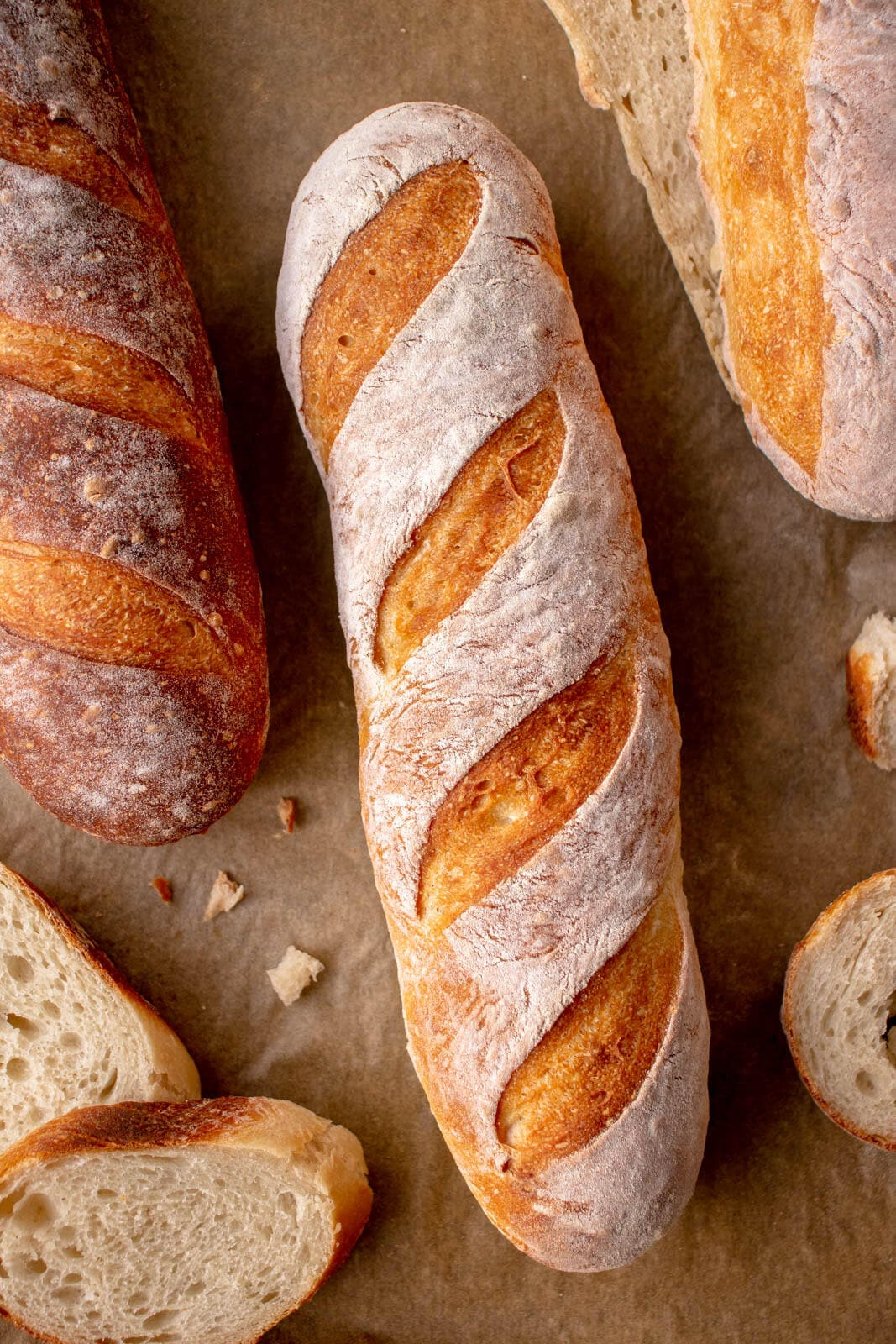
In France, good bread is the reason for living! In fact, French bakers in the same town never take holidays at the same time, as everyone visits a good baker for daily bread, if they don’t make their own. These homemade baguettes (Happy Vegannie) are easy to make.
It’s good to learn to bake your own bread, as it’s hard to find good bread in supermarkets, if you don’t live near a good bakery. Most supermarkets just ‘heat up part-baked loaves’, the Real Bread Campaign calls them ‘bread tanning salons!’
Homemade Vegan French Brioche
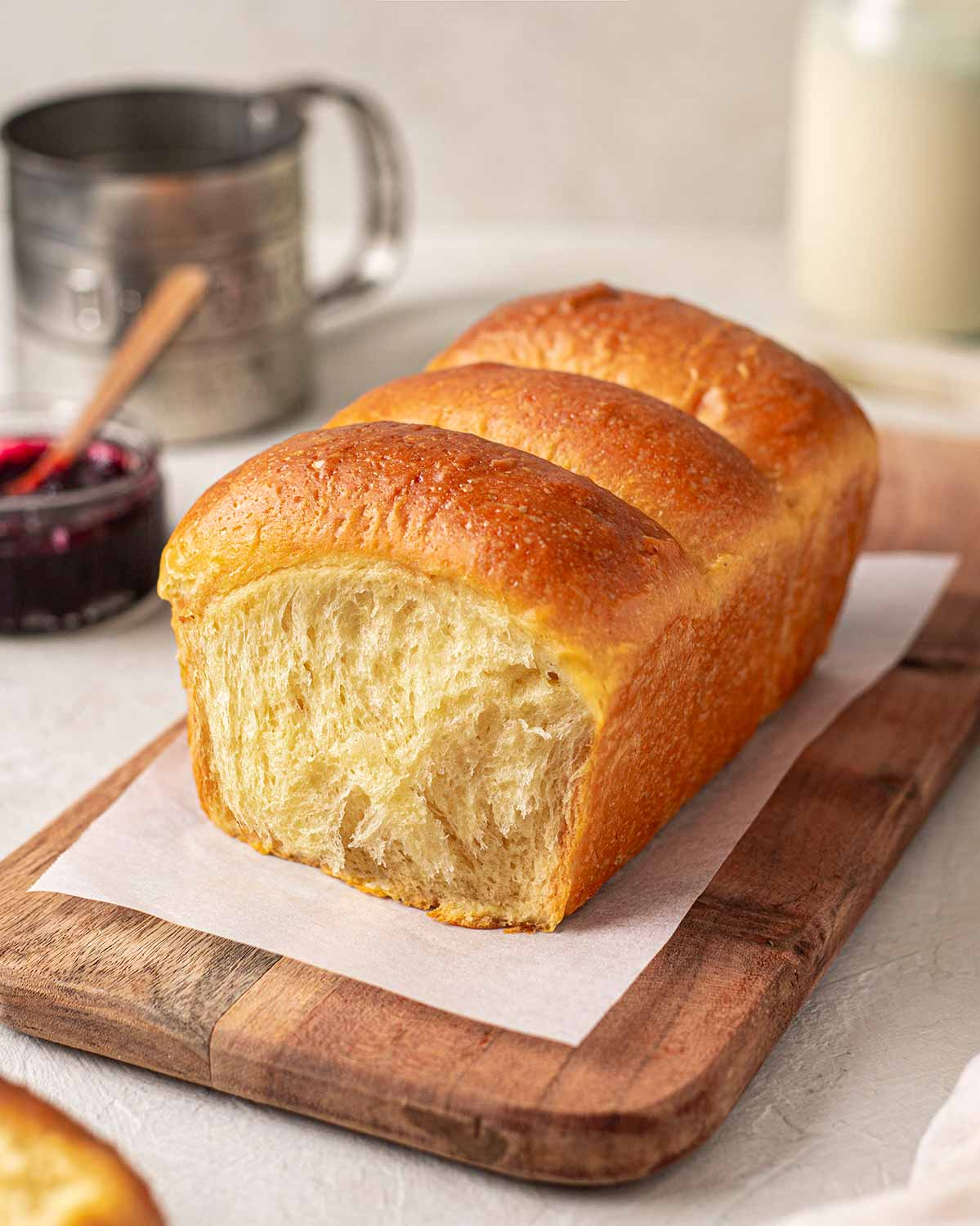
Did you know that brioche in supermarkets is full of butter, palm oil and improvers? This recipe for vegan Brioche (Rainbow Nourishments) will set you right. A little baking skill and a few ingredients, and you’ll never go back!
All you need are a few ingredients to make brioche: flour, sugar, vegan butter (Flora has no palm oil) and some quick-acting dried yeast.
Instead of egg wash, Anthea suggests brushing the top with a little maple syrup, for that sweet golden shine!
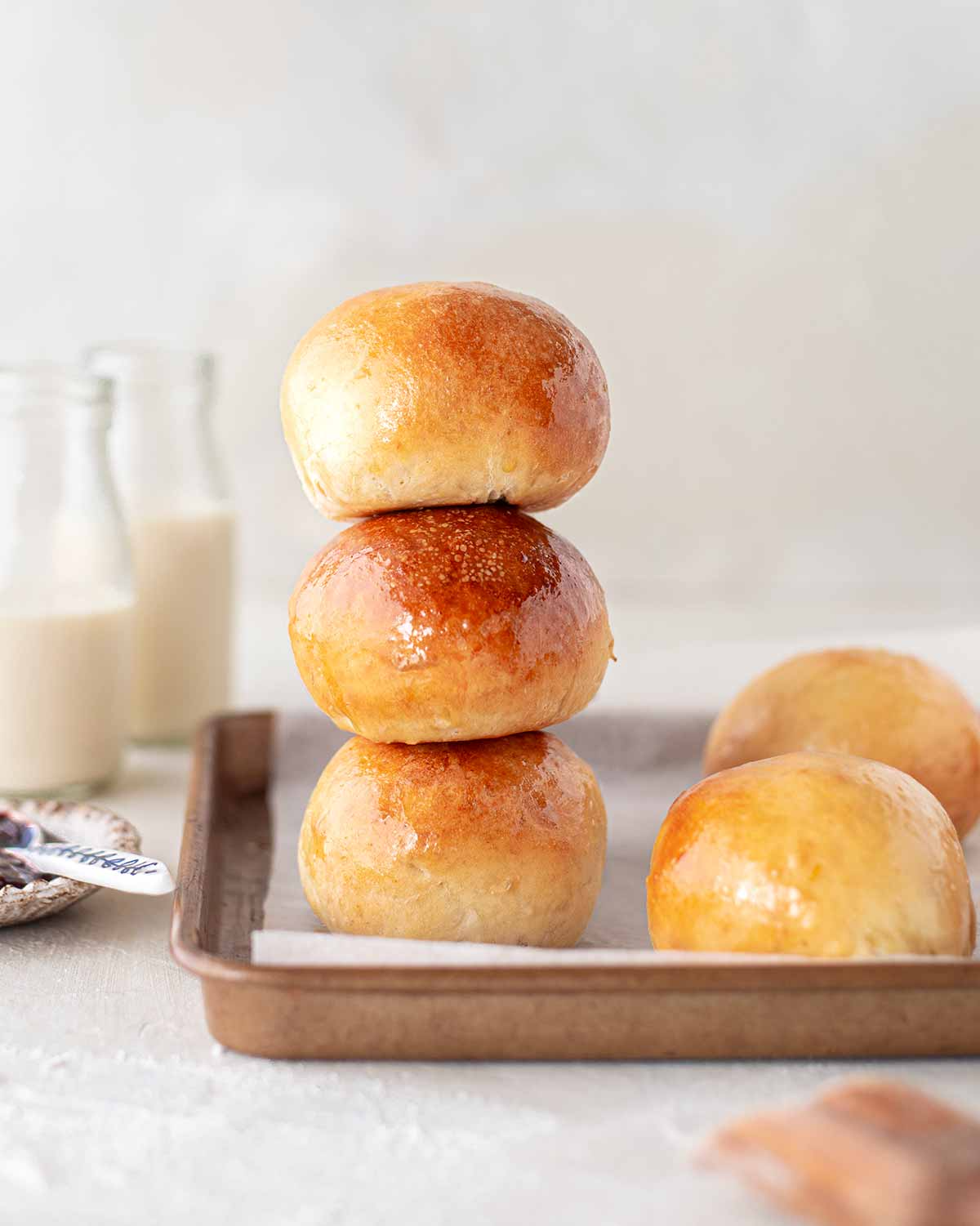
Also try Anthea’s Brioche buns. This recipe makes 8 buns – ideal as dinner rolls, to hold veggie burgers inside, or to simply spread with jam, for a nice snack with your cuppa!
Bake Your Own Vegan French Croissants!

Did you know that croissants are not French, they originated in Austria? The ‘kipferl’ (crescent-shaped pastry) has been around since the 13th century, then Viennese baked goods started to arrive in Paris, only in the 1830s.
These Vegan Croissants (Rainbow Nourishments) makes a lovely breakfast, and are surprisingly simple to make. These are made in a simpler way than traditional yeasted croissants, so don’t have the same texture, but are super-easy to make! Fill with organic raspberry jam.
To avoid palm oil, make your own puff pastry (it’s really simple, and you can freeze leftovers for the next batch). All you need is Doves Farm organic plain white flour, salt, cold water and vegan baking block (Flora is free from palm oil).
If you make your own jam, you’ll have to sterilise the jars:
Put jars, lids and rubber seals on hot dishwasher cycle (fill with hot water, while warm). Or wash in hot soapy water, and ‘cook’ in pre-heated oven (to 160 degrees C) for 15 minutes (again fill with hot water, while still warm).
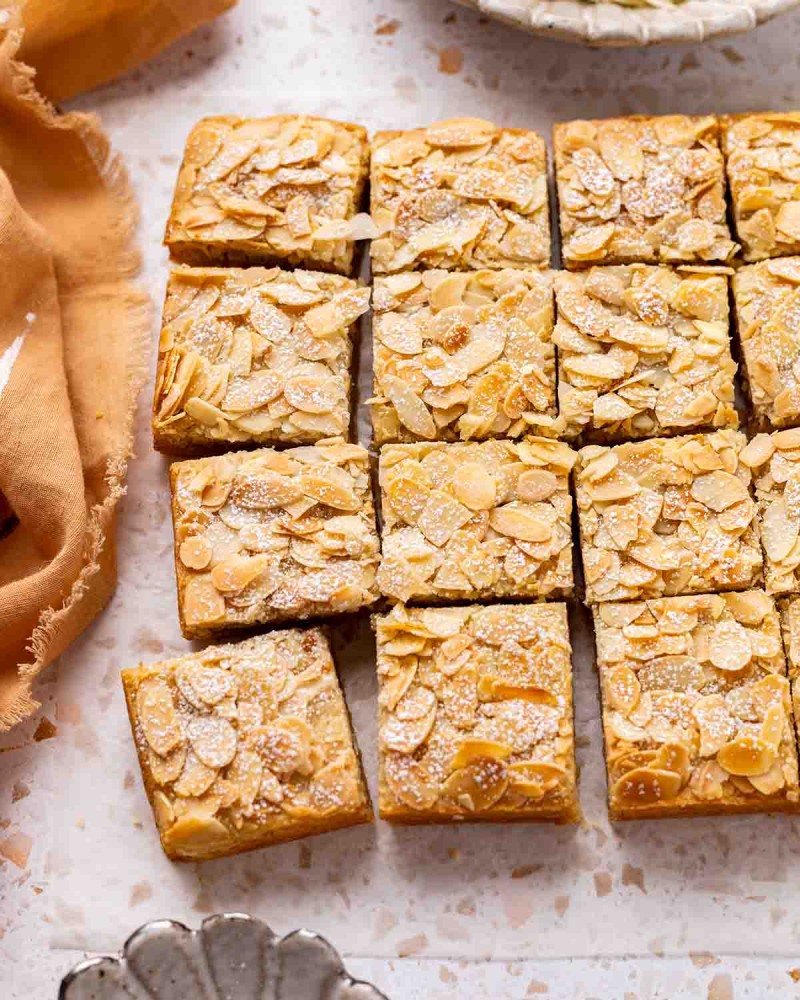
Also try Anthea’s Almond Croissant Cookie Bars, with a French Frangipane.

More ambitious chefs may wish to try these vegan croissants from Swiss-Italian chef Carlo Cao. These are made the traditional way, with yeast (they take 2 days to make). He even has created a recipe for vegan chocolate croissants.
Try some Stinky Vegan French Cheeses!
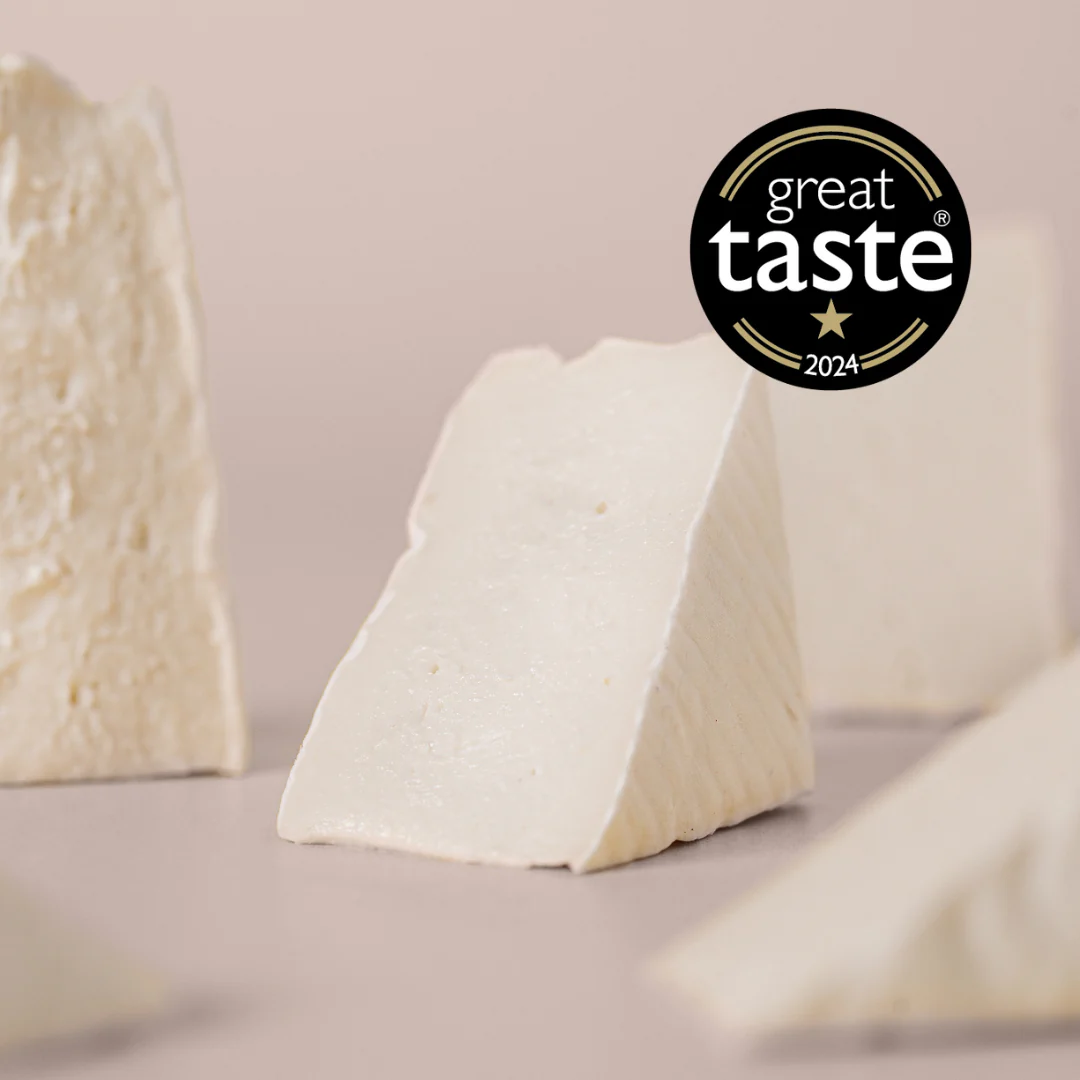
If you like a stinky French cheese, there are good plant-based versions to try these days. One is Bree, a mellow cheese rich in protein thanks to pea and faba beans. Or Shamembert, great for dunking into crusty bread.
Avoid ‘blue and mouldy cheeses’ if you’re pregnant, nursing or have weak immune systems (including children). Keep away from children and pets due to nuts, salt.
French yoghurt company Sojade also makes vegan Camm’vert cheese! (also with sage) made with organic cashew nuts, salt and French soya. Delicious with organic chutney and bread, or stir through pasta, or scatter over a seasonal salad.
Make Your Own Vegan French Cheeses
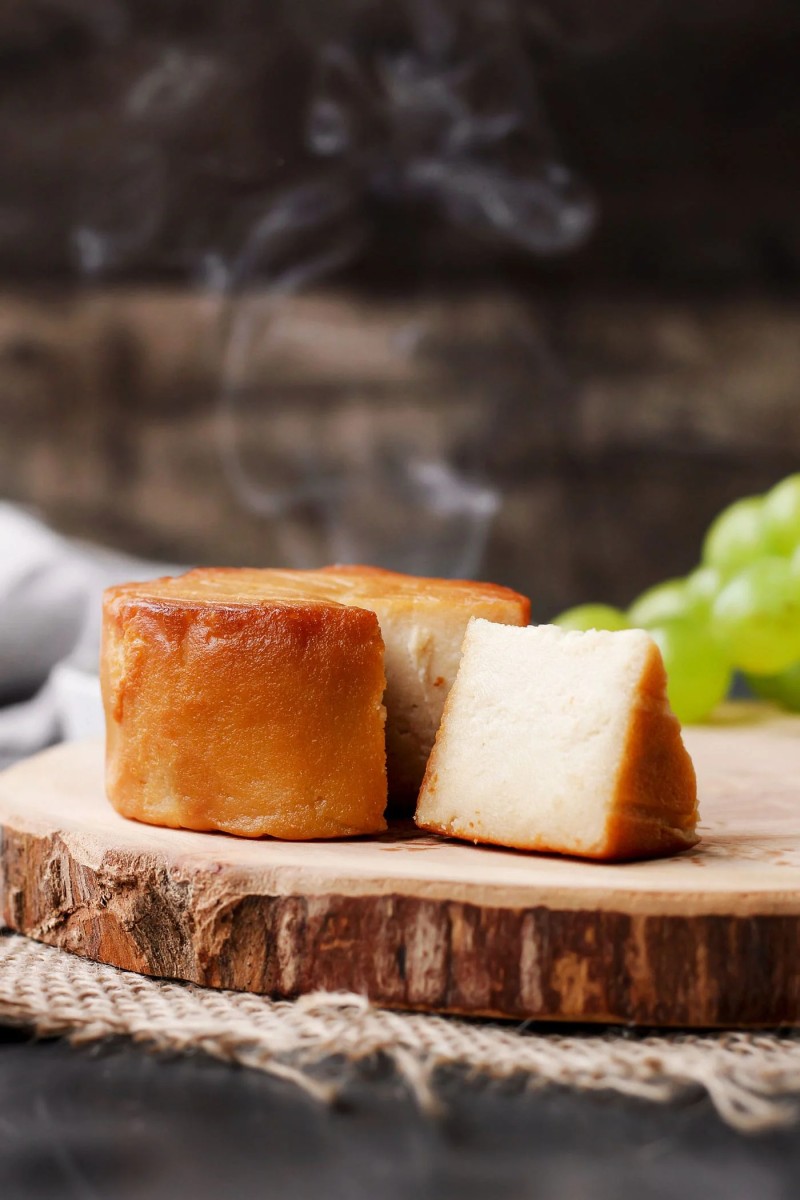
If you’re a ‘proper chef’, try some authentic vegan French cheeses from Thomas at Full of Plants. His recipes range from vegan blue cheese to camembert.
These are not the simplest as you have to buy a few speciality ingredients. But if you’re a ‘proper cook’, you will find his pages on making vegan cheeses fascinating!
Self-Care Lessons from French People

In France, people don’t follow celebrity culture or buy lots of cheap beauty and fashion items. They eat well, drink lots of water, walk everywhere, enjoy a little wine (only with food) and spend more on a few quality items of clothing and beauty brands. There is a lot to learn from French men and women!
Eat Good Food (in balance)
In France, it is still the norm to savour food and drink. People buy good bread from the boulangerie, good cakes from the patisserie and drink good wine with their meals. They visit the market to buy fresh organic fruit for dessert, treating themselves to a good cake at the patisserie at weekends.
French people know portion control. They don’t eat giant American muffins, nor bags of chips. They eat proper meals (3 a day) with few snacks (petrol stations and newsagents in France sell fuel and newspapers, not chocolate bars and bags of crisps, as there is no market for them).
Drink Plain Water
French people do enjoy good wine (with their dinner). But they don’t binge-drink, and most of the time, they are drinking plain water. There is less of a market in France for fizzy drinks or energy drinks. Wine, water and coffee are the three main beverages of France.
For the average adult, experts recommend filling a reusable water bottle twice a day. If you get through that, you should be drinking enough water, as long as you’re not also drinking too much wine!
Walk Everywhere
Paris is one of the world’s most walkable cities, built on a grid with hardly any buildings more than four storeys high. So as a result, all people in the city walk to get to most places, which is why they are so slim.
French people don’t really ‘do exercise’, they instead make it part of their lives. They walk if they can, take the stairs over the lift, and combined with healthy food in smaller portions, naturally stay slim and active.
Authentic Simple Skincare
French people would never dream of buying lots of cheap ineffective ‘miracle cure’ skincare from a cheap drugstore. They visit the natural health store and invest in just one or two skincare products made with organic plant-based ingredients, then use them religiously, as part of a self-care routine.
A Stylish Capsule Wardrobe
Just like their skincare, French people mix-and-match a few quality items of ethically-made clothing that suits their shape and complexion. They don’t rush to buy ‘bargains’ in sales, just because they are cheap. They take care of their clothes and shoes, to last them years.
Value Social Connections
In France, people still engage in the art of conversation. It’s normal to enjoy coffee or a glass of wine over an hour of good talk, rather than staring into their phones or sitting at home playing computer games.
French people also still go for walks in their grand parks, and strike up pleasant conversation with passers-by, or perhaps the odd French poodle!
Read Good Books
French people are usually very educated and enjoy reading good books, whether that is a thrilling novel, or a non-fiction read on modern politics. They are not really fans of cheap and tacky reality shows, they prefer to sit at home and expand their mind with good reading.
Embrace Your Unique Features
All French people know that they are beautiful, even those that have not been blessed with perfect bone structure. We’ve all seen French women who carry themselves well, making the best of what nature gave them, and still looking more beautiful and elegant than most women elsewhere in the world.
Know what your best features are, and accentuate them. Then use French self-care secrets to make the best of the rest!