How to Make Your Own Vegan Spanish Food
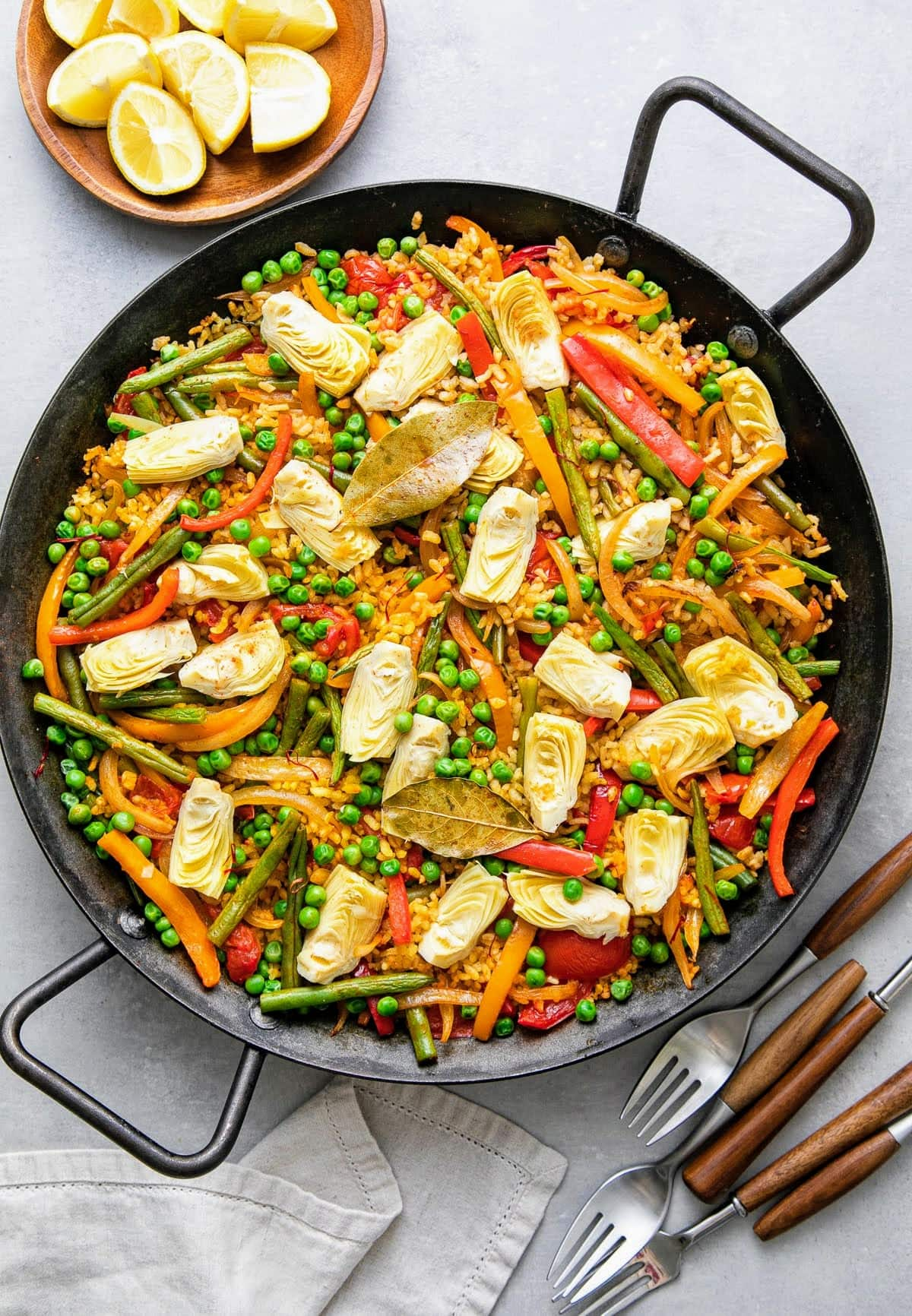
There is not much better than a big plate of paella on a sunny day. But rather than using fish, try this recipe for plant-based paella (The Simple Veganista). It’s just as good, free from cholesterol, fish-friendly and prevents over-fishing and ghost fishing waste. All for the good!
Don’t eat cooked rice after 24 hours. Before cooking, read up on food safety for people and pets (onions, garlic and spices are not safe near animal friends).
You don’t need a paella pan to make this dish, a large frying pan is fine. You can also easily adjust the ingredients. Rice is obviously mandatory! The recipe above uses bell peppers, green beans, peas, tomatoes and artichokes, but you could use asparagus or capers, and add chickpeas or even vegan sausage.
If saffron is too expensive, sub with a little turmeric instead. You’ll also need a good veggie broth (make your own, to avoid palm oil). Unlike risotto (which you always have to stir), paella is best when you let the rice cook itself. Don’t stir!
Leftovers will keep in an airtight container in the fridge, for a few days. For more recipes like this, read the book Vegan Recipes from Spain, by a professional chef.
Homemade Spanish Sangria (no alcohol)
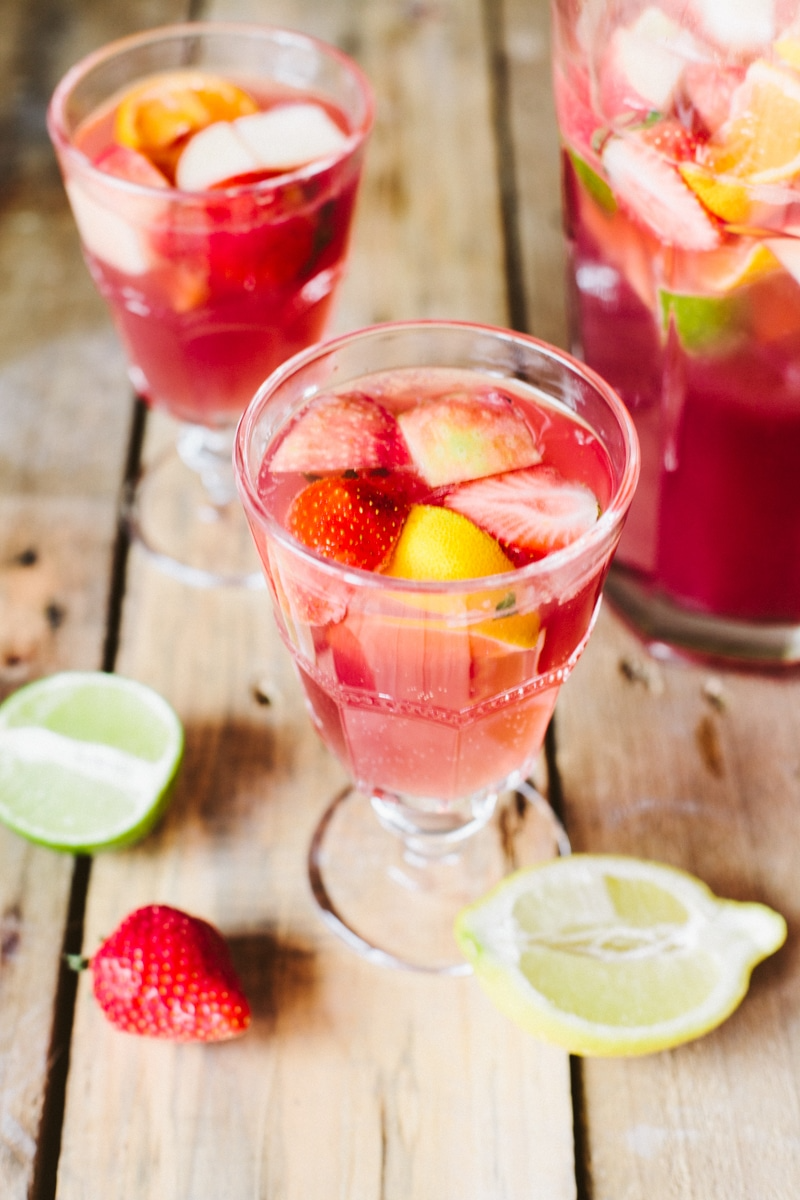
Here’s a nice recipe. No-Alcohol Sangria (Wallflower Kitchen) is ideal for summer evenings, and although it’s based on the popular Spanish drink, this one is free from alcohol. All you need is fresh fruit, fruit juice and soda or sparkling water.
Avoid unpasteurised fruit and juice if pregnancy/nursing or you have weak immunity (including children).
Keep citrus fruits away from pets (just bin scraps, as like rhubarb and allium vegetables, acids could harm compost creatures).
You can mix and match the fruits, the recipe above uses orange, grape and cranberry, though you could use apple juice instead. This recipe uses fresh apples, strawberries, lemons and oranges. Or try peach and cherries. You can even add an optional cinnamon stick.
The chopped fruit and juice are mixed in a jug, and infused (with the optional cinnamon stick) for a few hours, then chilled in the fridge, before serving with soda or sparkling water. Drink soon, as it does not keep that long.
Take an Afternoon Siesta (like Spaniards)

In Spain, it’s the norm to take an afternoon siesta. The first thing that Spanish builders do when working on a job, is check the best position for their hammock, ready for the afternoon nap! It helps when it’s sunny, but we can all benefit from learning to slow down and relax when tired.
Like Italy, Spanish shops tend to shut for a few hours at lunch for a proper meal and nap, then open later in the evening. A far healthier lifestyle than our ‘nine-to-five’ routine.
Intelligence without naps, is a bird without wings. Spanish artist Salvador Dalí
Studies show that brief naps of 30 to 90 minutes can help improve performance and alertness, without feeling groggy. They also may help lower blood pressure, and mental stress.
Having an early afternoon nap is far enough from bedtime, to not mean you need worry it will interfere with a good night’s sleep.
Some people even say that (as long as you are safe to drink caffeine – so not for pregnancy/nursing etc), drinking a cup of coffee just before a short 20-minute nap, means the caffeine will kick in as you wake up, if you have to go back to work.
It’s best to avoid napping more than 90 minutes during the day, as this can have negative health effects. If you find yourself napping throughout the day, this could be due to a medical condition, so see your GP.
Sleep more at night. If it’s allowed at work or home, take a nap in the afternoon. You’ll be amazed at how much better you’ll feel. Ben Stein
Let’s begin, by taking a smallish nap or two. Winnie the Pooh