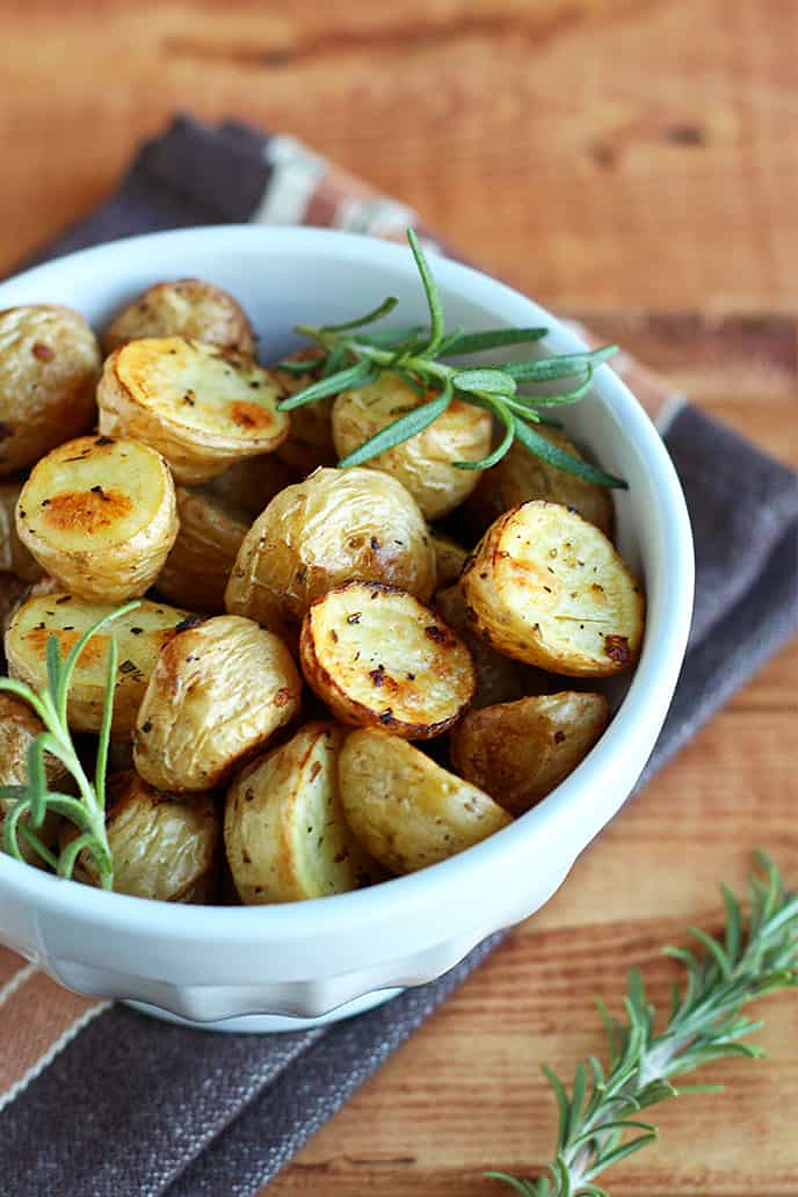
The Best Plant-Based Alternatives to Chicken

Vegan Cream of Chicken Soup (A Pinch of Parsley) is the ultimate comfort food recipe, with childhood memories but none of the ‘not being friendly to chickens’. It’s ready in 15 minutes, and you can freeze leftovers, to heat later on.
Before cooking, read up on food safety for people and pets (many ingredients are unsafe near animal friends). Bin allium scraps (onion, garlic, leeks, shallots, chives) as acids may harm compost creatures (same with tomato/citrus/rhubarb scraps).
This recipe is kind of a plant-based take on the old Campbells’ condensed cream of chicken soup. And the good news is that you only need one saucepan and a few easy-to-find ingredients.
Made with plant milk and oil (or Flora vegan butter), the base uses a no-chicken stock. Nine Meals of Anarchy makes good vegetable stock, just add some Steenbergs vegan chicken powder to turn it into ‘chicken stock’.
You can then go all traditional, and serve in a big crockpot with torn-up-bread chunks and grated vegan cheese. If you wish, you can omit the chicken part and replace with celery, to turn this into a ‘cream of celery’ soup.
If you like making soup, invest in a stick blender, as it saves all the faffing around with washing jug blenders. When buying a new electrical appliance, UK says the store has to take the old one back. So take the dusty broken jug blender back to the store you buy a new one from, and it will be recycled on for you.
Also invest in Souper Cubes. Made from silicone, just pour leftover soup in, then freeze and the soup is ready to thaw and cook, whenever you want it.
Vegan Chicken Noodle Soup Recipe

This vegan chicken noodle soup (Veggie Desserts) uses plant-based chicken and mock chicken seasoning, and is ready in 30 minutes. Here’s another vegan chicken noodle soup recipe.
Support the Better Chicken Movement!
If you look closely at factory-farmed chicken in supermarkets, you may find ‘hock burns’ (caused by ammonia, due to creatures lying in excrement – around a third of all birds sold, usually due to feathers having rubbed away).
Read our post on Compassion in World Farming’s campaign to get shops to take on its 6-tier food labelling system (consumers would then know which animal foods to avoid, if they eat them).
One budget supermarket was found to have most chickens with this and some with ‘white striping disease’, caused by being intensively farmed to be ready to slaughter in just six weeks.
The Humane League is asking all supermarkets to sign up to the Better Chicken Commitment to ensure all producers:
- Comply with EU animal welfare laws & regulations
- Not exceed maximum stocking density
- Use higher welfare breeds
- Provide a higher welfare environment
- Use controlled atmospheric stunning over shackling slaughter methods
- Agree to regular independent audits of abattoirs
If nobody bought factory-farmed meat or ‘vegan brands with palm oil’, the companies would have to change course. Simple as.
Why does the government simply not introduce Compassion in World Farming’s 6-tier system instead, as linked above? This would be one standard that could be trusted by everyone (it even has one upgrade from Soil Association’s certified organic label).
And would make it easy for people who eat meat to avoid factory-farmed meat, something that nearly everyone would do, especially if such goods were clearly labelled.
Lots of Ways to Help Chickens and Roosters
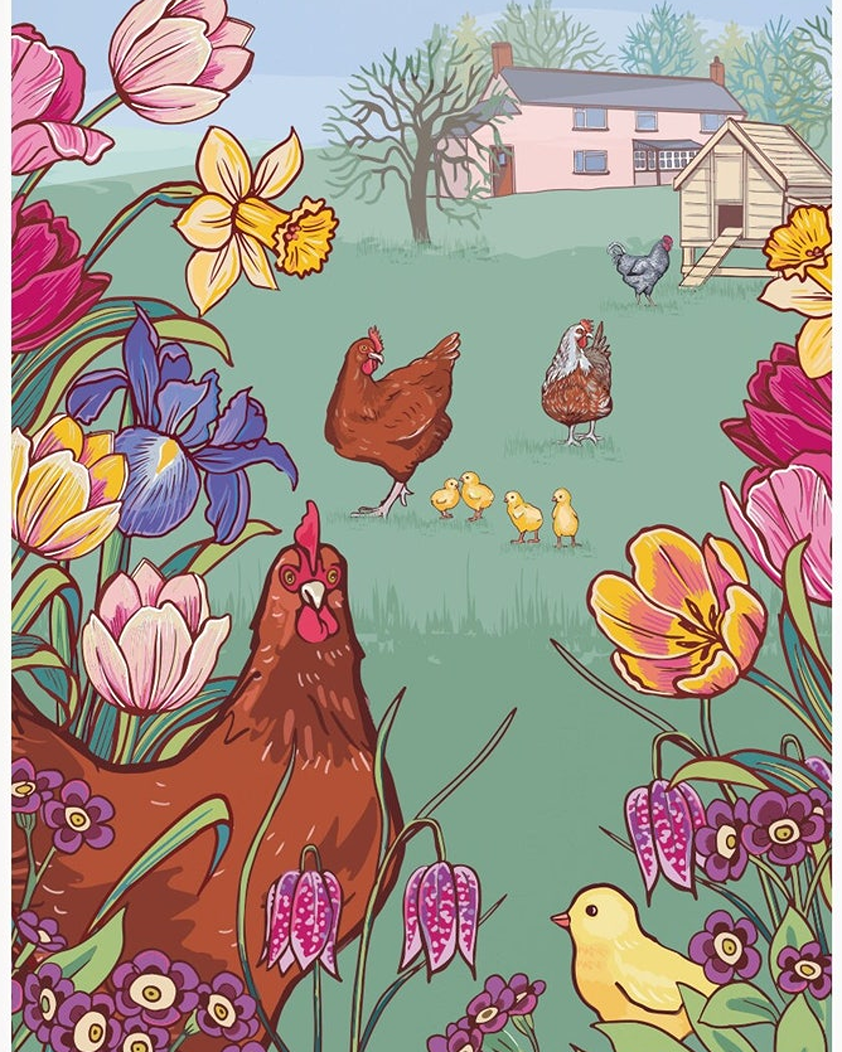
Chickens are descended from dinosaurs, yet the most abused creatures on earth. In nature, they forage and dust-bathe and sing to chickens in the womb.
Yet we have factory-farmed chicken, cock-fighting, abandoned pet chickens and roosters and battery eggs. Our bird friends are now so overbred, there are now around 25 billion chickens on earth.
The best way to help chickens is simply not to eat them, or their eggs. Most chicken on sale has ‘hock burns’ caused by ammonia that is cut away, as consumers are now up on their welfare checks. Visit Compassion in World Farming and Save the Chickens Foundation for more information.
Understanding Hen Behaviour
Hens have a ‘pecking order’ to maintain peace in the flock. When hens live as they should, this works well with no fighting, letting less dominant birds retreat when they want to.
Hens are very curious who love to explore, forage and dust-bathe, so letting them dig and scratch is key to happiness. Scatter grains, seeds and vegetables around their coop or run, and they will thrive.
Hens need specific nutrients to stay well like protein and calcium (for strong eggshells). It’s wise to consult a hen-friendly vet to tailor their diet according to their specific needs. Hens like to eat two or three times a day, with a consistent feeding routine.
Creating a Comfortable Living Environment
Hens thrive in a safe comfortable environment. Ideally two or three hens will live with one rooster, and they need lots of space to roam, nest and relax, plus runs that are safe from predators, and a coop to nest at night. Quality safe bedding will absorb moisture and provide warmth, and it must be regularly cleaned without chemicals.
Adopting Ex-Battery Hens (and Roosters)

If you have the right amount of land and suitable premises, you could adopt ex-battery hens (and roosters) via British Hen Welfare Trust and other charities that work with farmers.
Note this is not an easy job, as you have to ensure enough space and knowledge to prevent pecking, and keep areas safe from predators.
Specialist food is often needed, as most hens are not in a good way, when released from the battery farming industry.
Let’s All Keep Chickens is a good guide from a world expert on chicken-care, which covers all the basics including how to keep chickens healthy and avoid pecking. Also learn how to speak chicken, which will make care all the more easier!
Keep Prey Animals Safe from Foxes

Prey animals (chickens, rabbits etc) are not just at risk from foxes, but other creatures like badgers and rats.
Foxes are very good predators (and can strike any time of day or night) but know they are not killing chickens due to cruelty, but following instincts to feed themselves and cubs. Foxes rarely starve as they are scavengers, so keeping hens safe won’t cause them to go hungry.
British Hen Welfare (which rescues ex-battery hens designed for slaughter) has tips on their website to keep chickens safe from predators.
- Invest in a large chicken-friendly coop with fencing so hens are free to roam and be happy, but secure from predators.
- Never leave hens overnight, put them to bed at dusk (keep in secure runs, if you are out for the day).
- Always check coops and runs for damage, high winds or snow can weaken areas like roofs.
- Fixed runs should be at least 5 ft high and laid on grass at right angles, to prevent predators digging underneath.
- Don’t house near overhanging branches, which foxes can use to gain entry.
Wisdom We Can Learn from Chickens!

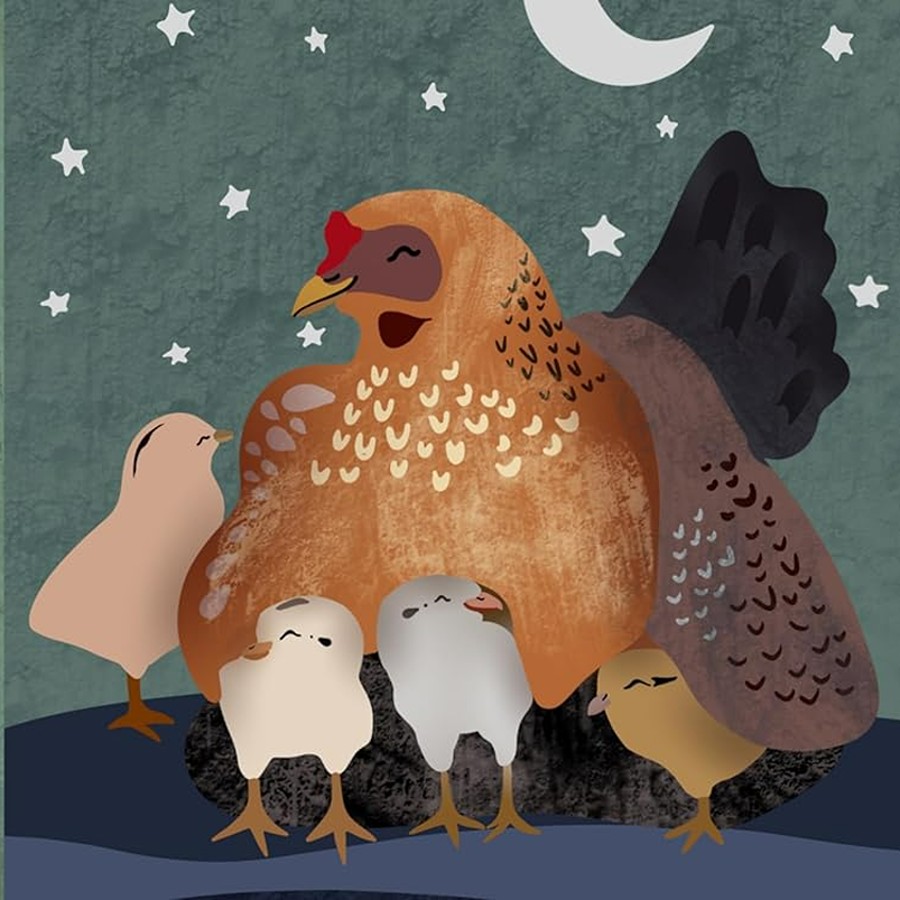
Chicken Therapy is a delightful book packed with gorgeous illustrations, but also gleaned wisdom from our hen friends, whether they greet the day, explore new surroundings or tend to their chicks.
Penned by a ‘self-proclaimed chicken lady’ from the US Pacific Northwest, example wisdom includes:
- Even if you can’t fly, don’t be afraid to stretch your wings. You may just get off the ground after all!
- Listen to the squawk of others. There really may be a hawk flying overhead.
- You don’t have to have a huge house and lots of possessions, to be happy. Your coop is adorable, comfortable and a wonderful home.
- Don’t be afraid to put yourself out there. Connect with others and find your flock.