Cumbria Has Six Times More Sheep Than People!
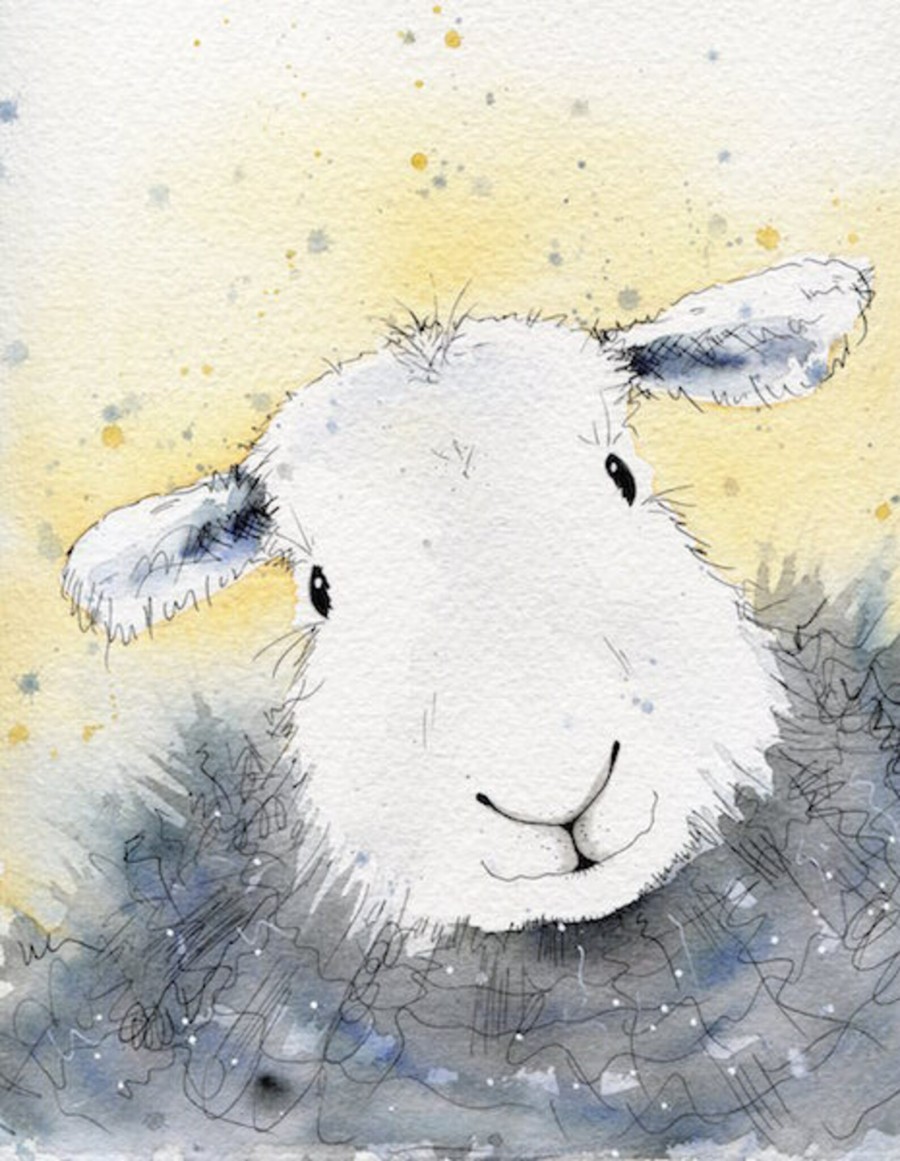
Cumbria (like Northumberland and Shropshire) is a county with more sheep than people. Around six times more, out of season! They are mostly Herdwick sheep that are adapted to this climate.
However, farmers have a constant battle to stop foot-rot, due to the grass never really drying out. And have to carry sprays, to be on the lookout for treating each sheep they find.
If you see a sheep on its back (often due to waterlogged wool but sometimes being pregnant), it’s important to quickly turn it upright, or it will die. If you can’t find a farmer, simply approach and firmly but gentle grab a handful of wool, and right it up.
Stay with the sheep until the rain has drained off, then tell the local farmer. The sheep won’t thank you, but will likely run off to join the flock. But you will have saved its life.
Sheepeasy is a device invented by an engineer, that makes it easy and quick to treat the feet of sheep, goats and alpacas. Regular footcare is of utmost important, especially in the Lakes, due to all the rain.
Sheep Are Not Stupid!
Somewhere along the line (whether it’s history or the media), there has become this terrible myth that sheep are stupid. Far from it.
Sheep are intelligent creatures that simply like to follow their flock. But they can recognise up to 50 human faces, and even know if you are smiling at them! That’s why it’s so important not to spook sheep, as they could even miscarry, if in shock.
Fun Facts about Cumbrian Herdwick Sheep
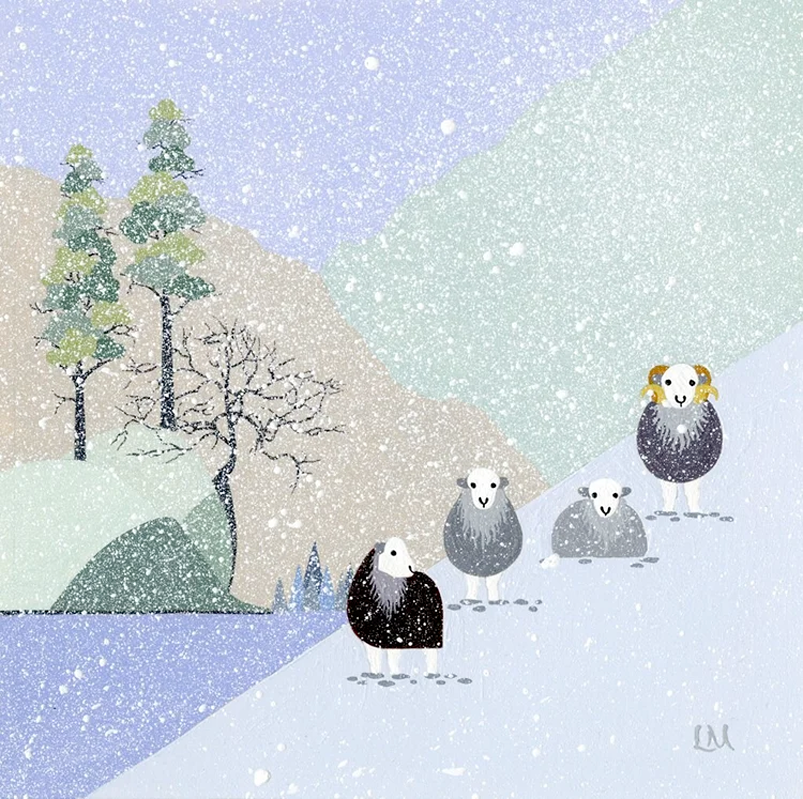
Although they look super-cute, Herdwick sheep are some of England’s toughest (kind of like the sheep equivalent of Shetland or Icelandic horses!) They live on the pastures and slopes of England’s highest mountains (all in the Lake District) so can cope with the elements pretty well.
Always give Herdwick sheep right-of-way on roads, just slow down and wait for them to pass.
Herdwick sheep have very good memories and sense of direction, so if they do get lost, they usually find their way home pretty quickly. Their name derives from the old Norse word for sheep pasture ‘herdvyck’.
Herdwick lambs are born black, but turn grey (just like humans!) when they get old! They have wiry wool that insulated against the wind and rain.
Children’s author Beatrix Potter helped to save them from extinction, during her lifetime (by bequeathing her estate to the National Trust, on the condition that they were allowed land for breeding).
Around since the 12th century, today nearly all Herdwick sheep live within a short distance of the lakeside village of Coniston (below the Old Man of Coniston mountain). You can easily recognise the females, as unlike the rams, they don’t have big curly horns!
Known as ‘the gardeners of the Lake District’, their grazing of grass, heather, bilberry and young trees, is responsible for the unique treeless mountainsides in the Lakes.