Wild Giraffe Conservation (how to help)
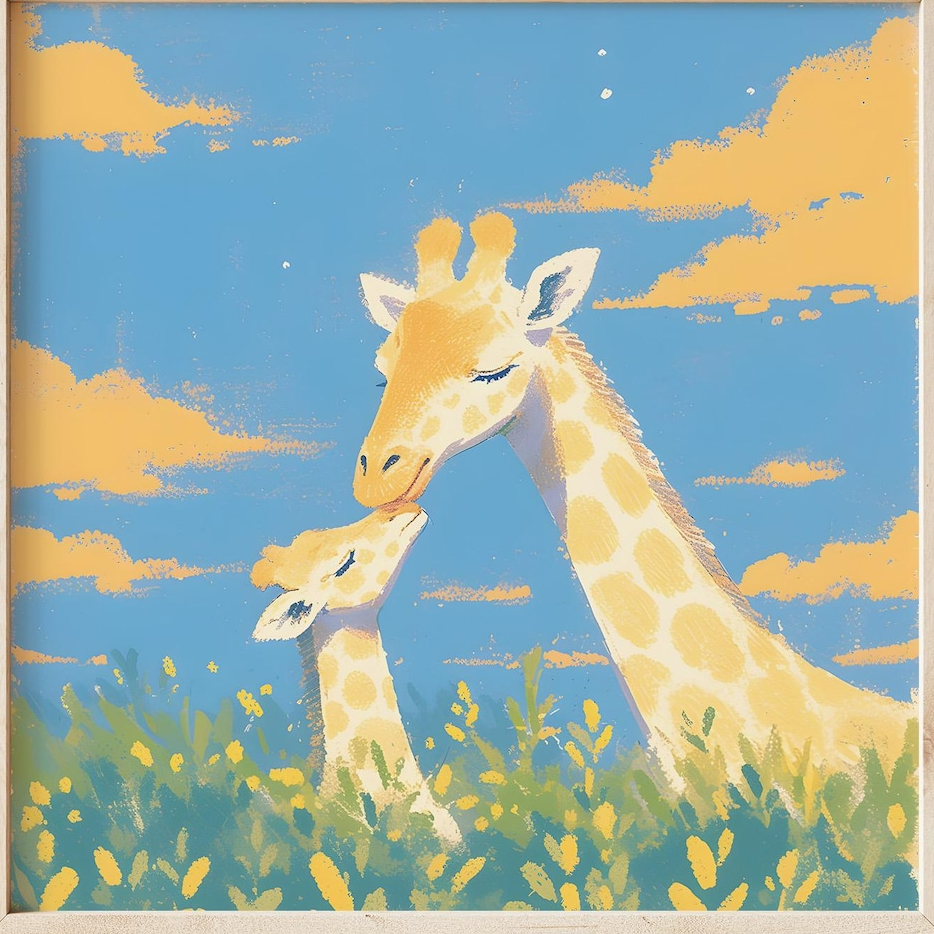
Giraffes are the tallest animals on earth, and live in Africa naturally. they can run over 55km an hour, so need plenty of space to run, and live on over 100 different leaves and twigs (plus grass and fruit) in open woodland, wooded grassland, shrublands and savannahs. They live up to 25 years, in herds of three to ten giraffes.
Born Free and Freedom for Animals are at the forefront of campaigning to conserve giraffes in their natural habitats. As in zoos, they are not in natural herds, it’s not their natural climate and they don’t have enough space to run as nature intended.
Giraffe numbers are now declining, but the answer is not to breed them in zoos, it’s to restore natural habitats (lost to mining, quarrying and fossil fuels) plus legal/illegal hunting, snares and paradoxically premature deaths in zoos (where they also lick metal bars and twist their necks, due to boredom).
Born Free funds a team that patrol and remove snares from wild giraffe habitats, to keep them safe (they help to prevent poaching and educate communities, to stop the bushmeat trade). Other teams help to prevent and manage wildfires.
If you are concerned about any animal you see in a zoo or circus (in England or abroad), complete Born Free’s captive animal report form for them to investigate.
Support Conservation Groups in Africa
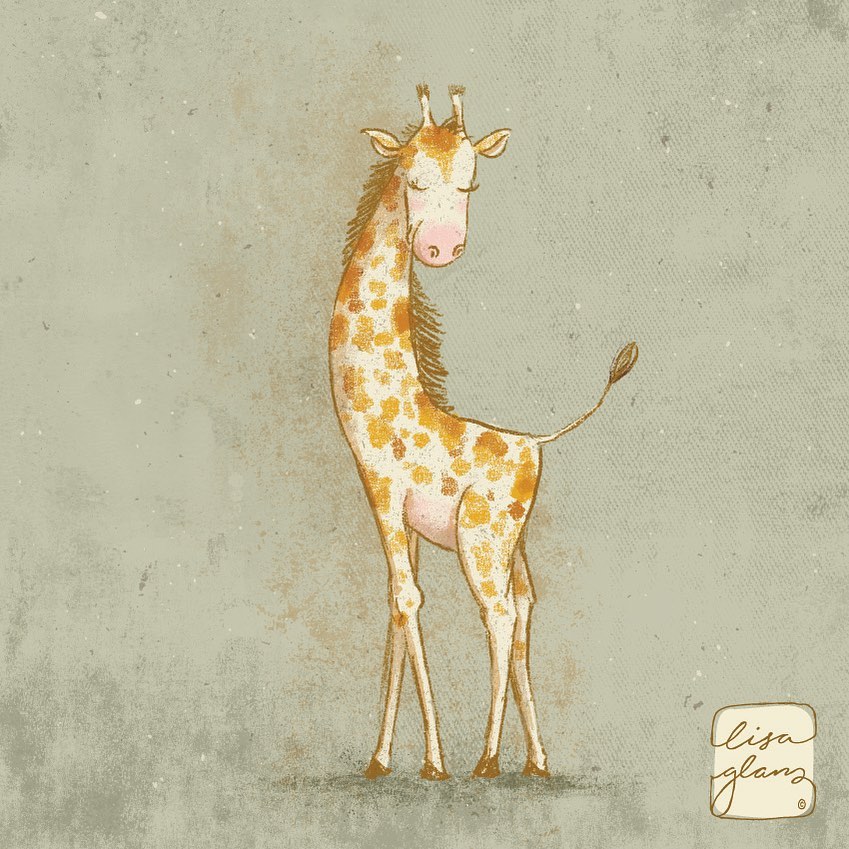
Giraffe Conservation Foundation and Save the Giraffes are working to save wild giraffes in their natural habitats. We don’t need to import them here to live in cages, to be gauped at by children (who spend about 20 seconds looking at each animal – this is entertainment, not education).
Giraffes are racing towards silent extinction, numbers have plunged over 40% in 30 years. There are now less than 100,000 giraffes left in the wild.
Avoid Zoos That Keep Giraffes
Giraffes don’t belong in zoos. Their size and social needs make it hard to give them a healthy life in small, indoor enclosures. The Copenhagen Zoo raised concerns after culling a young giraffe was culled, dissected and fed to lions, in order to make room for a new male lion cub, despite the offer a new home.
Female giraffes form long-term relationships with other females, creating nursery groups for their offspring. Yet several UK zoos (including London) only hold one or two giraffes, and some only hold a single female.
Wild giraffes spend a third of their day walking, while the average European zoo offers a home around 0.05% of the average home range, leading to overgrown hooves and stereotypical pacing . The climate also forces them to have outdoor access restricted, when temperatures fall too low). Kate on Conservation
Support Ecotourism to Help Communities
Choose safaris and wildlife trips that hire local guides and protect wild habitats. Responsible travel sends money straight to communities. Always check that tour companies have good records on animal welfare.
Never stay at hotels that let you touch or feed wild giraffes.
Ban Giraffe Trophy Hunting
Some giraffes are still hunted for their skin, meat, and bones. Getting involved in petitions or writing to MPs and other leaders can encourage them to pass and defend laws banning giraffe imports and exports. Strong laws mean safer wild spaces for future generations of giraffes.
In 2025, customs officers in the USA founder over 100 giraffe body parts brought from African hunting trips. British hunters are importing giraffe body parts, as the trophy hunting bill is being stalled in the House of Lords. Trophy hunting imports are also legal in the USA.