A Recipe for Sticky Vegan Orange Cake
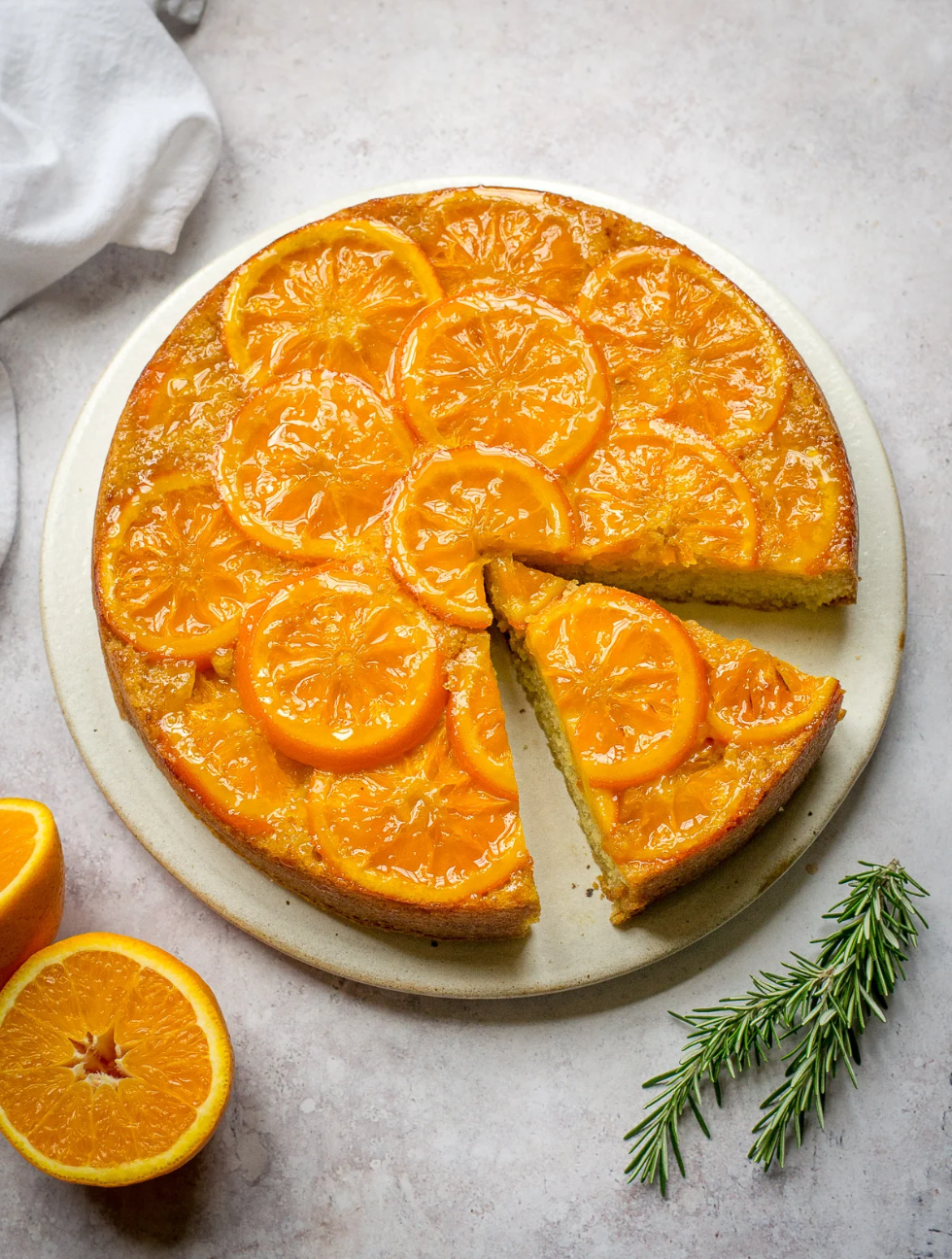
This Sticky Vegan Orange Cake (The Veg Space) is made with plant-based yoghurt and ground almonds, served with an orange drizzly syrup. It’s nice served for a tea-time treat with a hot drink, or slice and serve up slices with vegan vanilla ice-cream.
Who Should Avoid Eating Oranges?
Most people are fine with eating oranges, though some people on certain medications (including kidney problems) should avoid them (check the paper inserts). People with acid stomachs sometimes find they give indigestion, so avoid or use in moderation. Avoid unpasteurised juice for pregnancy/nursing, children and weak immunity.
All citrus foods are unsafe near pets, so keep these recipes (and cleaning recipes containing citrus oils) away from nosey furry friends. Read more on food safety for people and pets.
Due to acids, it’s best to avoid composting citrus fruits as they could harm garden creatures (just bin to break down naturally). Same with tomatoes, rhubarb and alliums (onion, garlic, leeks, shallots and chives).
If using tinned ingredients, fully remove lids before recycling (or pop ring-pulls back over holes, to prevent curious wildlife getting trapped inside).
Why Are Oranges So Popular in England?
Oranges are quite new to England, only arriving on our shores in the 17th century, and back then were only eaten by wealth people, with access to orangeries (large greenhouses). It’s known that Queen Eleanor (who moved to England from Spain) would order the fruits to dock at Portsmouth harbour, as she was homesick for oranges!
Today, most oranges sold in England are from southern Europe. But Pesticide Action Network writes that (along with grapes), oranges are often covered in a cocktail of chemicals, so choose organic if you can.
Spanish blood oranges can be subbed for most recipes though the taste and colour may differ. Other related fruits to oranges are mandarins, clementines and easy-to-peel Japanese satsumas.
Homemade Vegan Mandarin Tart Recipe

This vegan mandarin tart (Rainbow Nourishments) is an ideal way to use up that can of mandarins that’s been sitting in your cupboard or larder. These Chinese fruits are actually a different species to oranges. They are actually related to clementines, which are small and easy to peel. Tinned mandarins have been popular in England, since wartime rationing.
The base is a simple homemade shortcrust pastry, the mandarin filling made with thick coconut cream (not milk). It kind of tastes like an orange creamsicle. If making a cake is too much effort, you can get the same kind of flavour from an orange julius. However you’ll have to experiment with this recipe, as it uses frozen orange juice concentrate, which is no longer on sale in the UK.