Vegan Lemon Drizzle Cake (England’s favourite!)

Lemon drizzle cake is apparently England’s favourite tea time treat! This lemon drizzle cake (School Night Vegan) has a crunchy drizzle glaze, and tangy icing.
The cake evolved from 18th century pound cakes (where cooks would use ‘a pound of everything – flour, butter, sugar) to use up ingredients. It was then combined with syrup soaking to evolve into a ‘luscious lemon cake’ in 1967.
Keep this recipe away from pets, as citrus is toxic (also in cleaning products). Read more on food safety for people and pets (many foods are unsafe for children, pregnancy/nursing and animal friends).
Just bin citrus scraps as acids could harm compost creatures (same with rhubarb, tomato and allium scraps – onion, garlic, shallots, leeks, chives). For tinned ingredients, fully remove lid or pop ring-pull over holes before recycling (pinch top closed), to avoid wildlife getting trapped.
Obviously you can’t buy local lemons, but look for ones that are heavy and unwaxed (organic). Rolling them before squeezing releases more juice, and storing them dry in the fridge helps to extend life.
Invest in a quality reamer, which makes it easy to release as much juice as possible from your citrus fruits (and easily catches pips and seeds, to avoid having to sift them out).
It’s also worth buying a good grater, which can also be used for grating vegan cheese. It’s best to store whole lemons in the fridge, in a drawer or covered container.

This easy lemon cake (The Veg Space) only needs a few ingredients, and also contains protein and calcium, thanks to ground almonds. It contains two whole lemons (and more for the icing!)
Freyas Vegan Lemon Drizzle Cake Mix
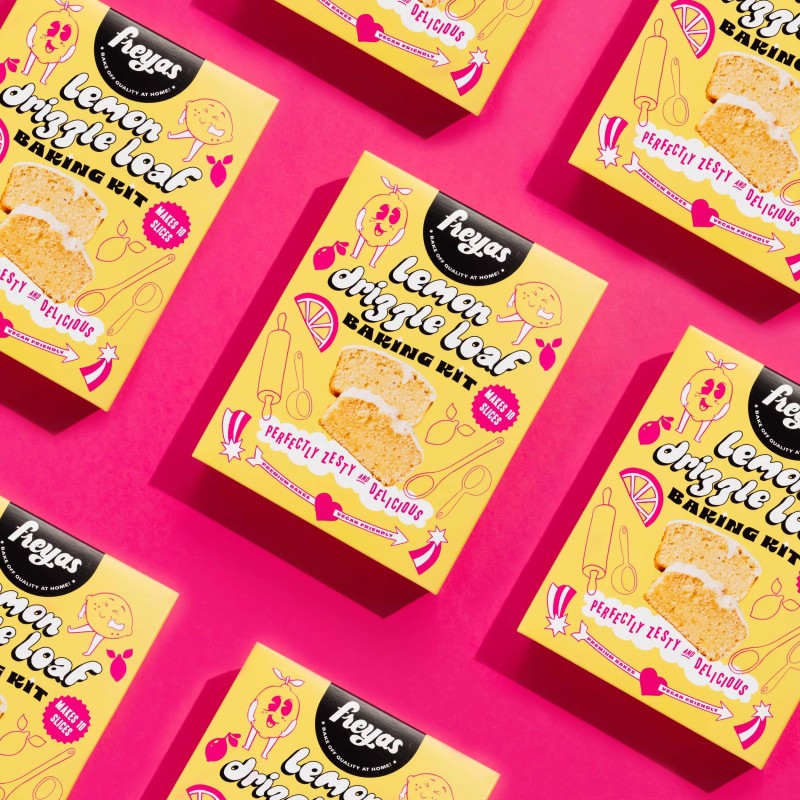
Freyas Vegan Baking mixes are now everywhere, and include one for vegan lemon drizzle!
Why are lemons so popular in England?
Lemons first arrived to English shores in the 17th century, from the Mediterranean and Middle East, popular for preventing scurvy in the Royal Navy, due to being rich in vitamin C. It wasn’t long before people caught on to the new tasty beverage of lemonade (then homemade and without fizz).
Just like oranges, at first it was only wealthy people who could afford lemons. But soon lemons (and limes) were becoming popular nationwide.
Today lemons remain popular worldwide. Native to Asia, one tree can produce hundreds of lemons, and they are as popular in drinks, as they are in food recipes.