Let’s Pop Over the Border to Wales
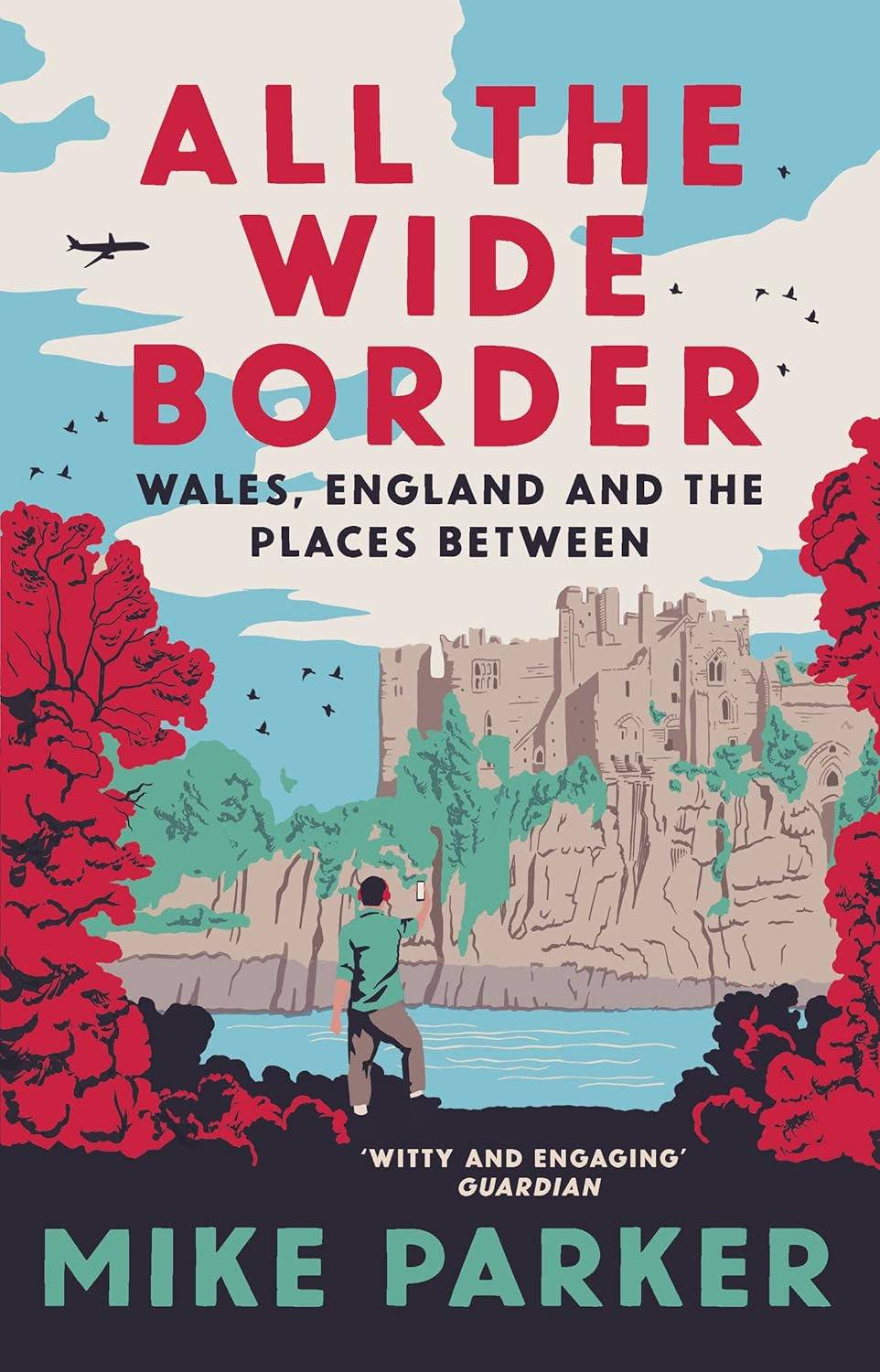
Whereas England has around 60 million people, Wales is far smaller, with just 3 million or so. A beautiful country with gorgeous beaches, people in North Wales tend to speak Welsh, while the south tends to speak English with their beautiful musical sing-song accents.
The Offa’s Dyke Path is a 177-mile train that follows the Welsh border, which can be combined with walking the Wales Coast Path, if you’re feeling fit!
Always follow the Countryside Code, to keep all creatures safe. It at the coast, read our post on keeping dogs safe by the seaside.
Patch of the Planet (nature courses and holidays!)
Patch of the Planet offers courses and holidays in Pembrokeshire, from a couple of ecological gardeners who run a wildlife-friendly gardening online course.
Also offering consultancy, you can visit to build skills like growing or pruning fruit trees, or stay at the cute bed-and-breakfast for wonderful night sky views, in harmony with nature!
Oswestry (nearest English town to Wales)
Oswestry is a market town in Shropshire, just 2 miles from the Welsh border. Named after King Oswald of Northumbria, he was killed in a battle here in AD 642.
Like Berwick-upon-Tweed (in Northumberland), this town has a long history of changing hands, sometimes being rules by England, and other times by Wales. You can still see ruins of a Norman castle from 1000 years ago, on a hill that overlooks the town.
This is Shropshire’s third largest town in one of England’s least populated counties. It still runs food markets twice a week, and has a rich and interesting history.
Although it’s in England, because it’s just five miles from the border, many signs and road signs are also in Welsh. Which nobody would understand unless they’re Welsh, because it looks like one of the world’s most difficult languages (on a par with Finnish!)
Poet Wilfred Owen was born here, but he only published five poems (he wrote many more) before his death in war age just 25, just one week before the Armistice. His poetry (which focused on the horrors of war rather than glamorising it) makes for powerful reading, even today.
Hay-on-Wye (a book town on the Welsh border)

Right on the Welsh border is Hay-on-Wye, which has more second-hand bookshops than any other in the UK. It also hosts an annual book festival, which draws thousands of visitors from across the world. Introvert bookworms meet new literary friends, in this most unique place.
Trying to save your independent bookstore? Be inspired by this town, which has over 20 of them! Most follow the golden rule of niching down, rather than just selling books about anything and everything. Some bookstores here focus on:
- Children’s books
- Antiquarian and rare books
- Nature and botany
Hay-on-Wye famously has ‘honesty bookshops. Where if shops are closed, visitors can leave payment in a box to buy books on outdoor shelves.
Local legend claims that Hay Castle was built in just one night by Maud Walbee (a giantess, who carried the stones in her pocket!)
Despite being in Wales, this town unusually has a (Herefordshire) English postcode. The town sits on the River Wye (the fifth longest river in England) forms the border with Wales.
Hay-on-Wye? Is that some kind of sandwich? Arthur Miller, American playwright on his first visit
From the gardens of Bombay, all the way to lovely Hay. Ian Dury
Stop Nuclear Power on the Isle of Anglesey
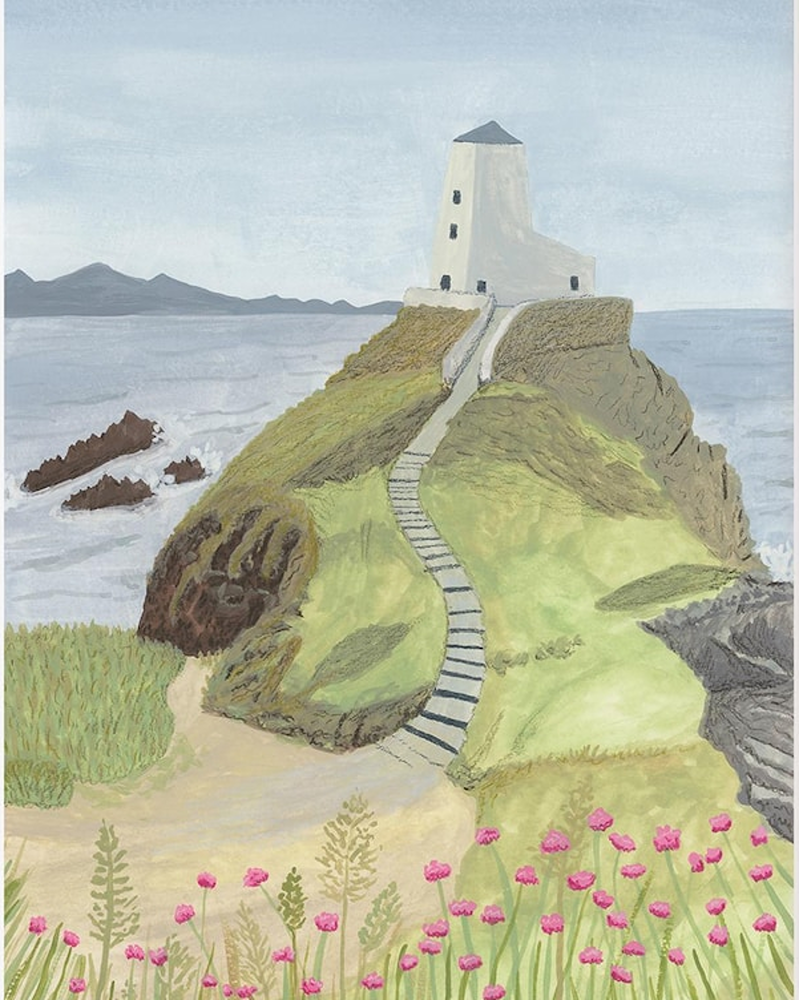
Many of us in England, only know Anglesey as the ‘place where you take the Holyhead ferry to Ireland’, if you’re not flying to the Emerald Isle. And puffins! But it’s got a lot to inspire, from the tip of North Wales.
If out walking, always follow the Countryside Code, to keep all creatures safe. At the coast, read our post on keeping dogs safe by the seaside.
Known as ‘the mother of Wales’ (Mon Mam Cymru!), Anglesey is best-known for its untouched landscape (though like anywhere, local volunteers have to regularly clear up litter from tourists on its sandy beaches.
One creature that thrives here is the red squirrel. Not due to grey squirrel culls, but because the pine forests are intact, providing native homes for shelter and food. In England, only Northumberland really has a thriving population, as its pine forests are not logged.
Read more on how to help both red and grey squirrels.
Anglesey is home to one of the longest village names in the world:
Llanfairpwllgwyngyllgogerychwyrndrobwllllantysiliogogogoch
Recently, the increasingly barmy Labour government has decided to install a polluting, dangerous and unnecessary nuclear plant on one of the least polluted islands in the British Isles.
There are also huge concerns over the fate of local birds on this beautiful island. Read why no nuclear power is needed.
Many countries (including Austria and New Zealand) live fine, on absolutely no nuclear power at all. They have never had it, and never will. So why is the UK government so obsessed with it?
Recently, 2000 pairs of terns arrived on the island, and due to them being protected and endangered, this could hopefully scupper plans to build the nuclear reactor.
Youngsters March to Anglesey in Peaceful Protest
Recently, young people marches across Gwynedd and Anglesey, presenting declarations to local councils about ‘greenwash’ on the safety of nuclear power (bedding down in village halls on root). One said she did not yet too many blisters, and they had massive support from local people.
All are annoyed that decisions taken at Westminster will affect their local climate and wildlife, when creating walkable communities, oil-free organic food and locally-owned shops (need no oil-filled lorries to deliver food) are far better ways to preventing climate change.
A bit like Liz Truss (who famously backed fracking in the north but not in her own back yard), now the Labour government is doing the same. Nuclear energy is not only ‘owned by big energy’ but involves mining of uranium, which affects native lands abroad, and is radioactive for thousands of years.
It may ‘provide jobs’ but they would be risky ones, and local economics would provide far better and safer ones.
Sea Parrots on Isle of Anglesey

Puffins are common on the Northumberland coast, and also on the island of Anglesey. These birds spend most time at sea (diving for 30 seconds at a time, using their wings to ‘fly through the water), coming ashore to raise ‘pufflings’ who live in burrows underground (adult beaks are dark grey, only changing to orange during mating).
Despite their comical appearance, our puffin friends are in serious decline, due to climate change, over-fishing and rising sea temperatures (having to dive deeper, to find food).
Most puffins lay one egg yearly with the same lifelong mate, then spend six weeks keeping the egg warm, until hatching into ‘pufflings’ which live on oily fish, to survive.
In England, there has been a recent ban on sandeel fishing to protect dwindling numbers of both puffins and kittiwakes. This is being fought by the EU (so presumably Ireland has not had a ban, as it is still a member of the European Union).
Welsh wildlife TV presenter Iolo Williams is recovering after a heart attack, but due to his job, ‘death doesn’t affect me one bit. I know that life – a mayfly, an oak tree, a fox or a human – comes to an end’.
He says when his time comes, he would like to be placed in a linen sheet and somebody plant an oak tree on him, so his energy will help nature!