The Italian and Swiss Lake Districts (lessons to learn)
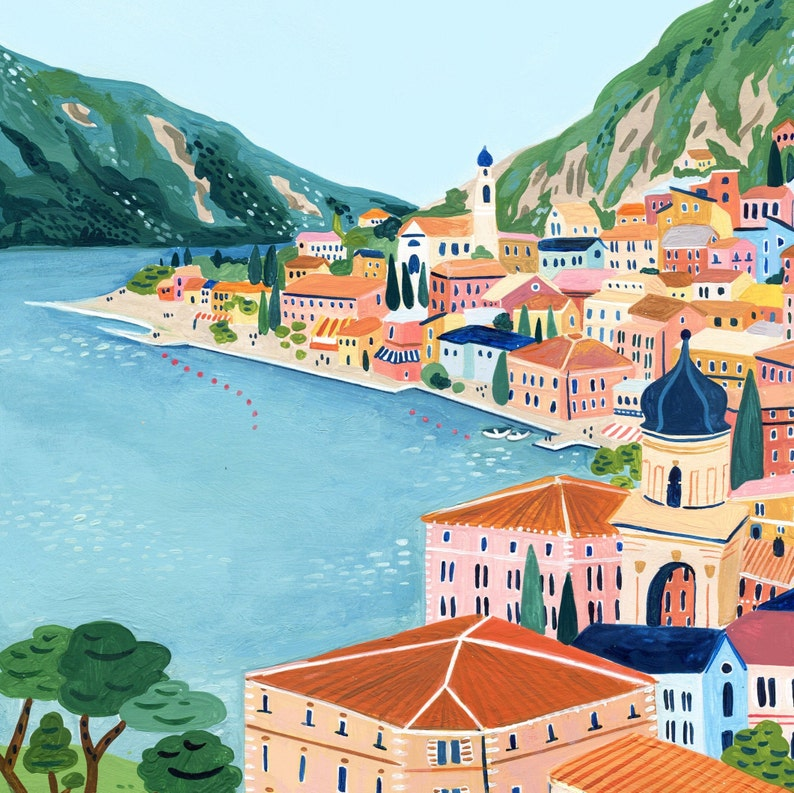
England is not the only country with a Lake District. Many other countries have them too (including Switzerland and Croatia). Italy has its own Lake District in the north: there are Lakes Como, Maggiore and Lugano (the most polluted of 38 international lakes).
Italy has the same issues with raw sewage pollution and litter from over-tourism. Litter clean-up volunteers on Lake Garda recently recovered 25 tons of waste in just one year including tyres, lead batteries, glass, cans, fishing waste, shopping trolleys, road signs, bar signs and even old toilets.
In England, we have sewage pollution issues on Lake Windermere. And also lots of litter and over-tourism. Showing this is a worldwide issue, not just confined to England.
What’s different is that Italian mayors are getting tough. In some areas, they are banning the sale of plastic water bottles, and even banning tourists for some months, to protect local residents and the environment.
Italy’s northern lakes sit at the foot of the Alps, and you feel it at once. Como, Garda, and Maggiore are deep and long, caught in narrow corridors that open to wide basins. The difference is that here you’ll find terraced olive groves and lemon trees in sheltered gardens.
While England and Italy both have issues with their Lake Districts, in Italy things are moving fast. Plastic bottle bans and tourist taxes, along with better litter clean-ups.
There are much better and more frequent bus services, to discourage people from causing road gridlock in summer months. And there are strict rules for sustainable sailors, to avoid polluting the waters further.
The pristine Swiss lake district

Switzerland also has its own Lake District, which is vast compared to Cumbria. Again, the Swiss authorities keep their waters pristine clean, as they do their streets (no litter!)
Switzerland has very strong waste rules (you would get arrested, within minutes of dropping a sweet wrapper). There are even pay-per-bag schemes and strict fines, which clear recycling bins and good investment in sewage treatment. Results of lake testing are shared by cantons, so residents are kept up-to-date.
Cleaner lakes mean safer swimming, stronger fish stocks, and fewer medical warnings. They also cut costs in the long run, because preventative care beats emergency clean-ups. For visitors, the difference shows in clear shallows, no sharp smell at marinas, and sandy coves free of plastic.
Unlike in England’s Lake District, paths are maintained and people are employed to look after the lakes and surroundings, on good pay and conditions. There are strict rules to avoid feeding wildfowl (as in England, but people ignore them – they would not be allowed to get away with it, in Switzerland.
Swans, geese and ducks all have plenty of natural food in the Lakes, so there is no need to feed them. In fact, without the litter and bringing them into contact with people and roads, they likely are living in their version of ‘heaven on earth’.
Make it easier to explore without a car
Swiss lake towns succeed because car-free travel feels normal, not like a sacrifice. The trick is simple, make the easiest option the one that causes the least damage. When boats, buses, and trains line up, people stop planning every step, they just go.
In the Lake District, the distances are shorter, but the pinch points are sharper. Bowness, Ambleside, Grasmere, Keswick, and Glenridding can’t widen their streets. So the answer has to be better movement, not more tarmac.
A few Swiss-style takeaways that could work over time:
- One joined-up timetable, so connections don’t feel like a gamble.
- One ticket, covering bus plus boat (with family discounts).
- More frequent summer services, including later evening options.
- Clearer arrival choices, so drivers see alternatives before they queue.
Boats, buses & trains are one simple network
Around Lake Lucerne and Lake Geneva, ferries aren’t a novelty. They’re part of the public transport system. You step off a train, walk a short distance, and the boat leaves soon after. The same pattern repeats with buses up to viewpoints and trailheads.
Cumbria already has the ingredients, but they don’t always feel connected. Windermere’s boats, Derwentwater’s launches, and Ullswater’s steamers could sit inside a clearer network, with matching timetables and simple maps at every stop. The biggest win would come from stronger links to the rail line.
Integrated ticketing matters, too. A single pass that covers the boat and the bus makes a day feel effortless. It also changes behaviour. When people have already paid for travel, they tend to use it.
The Lake District could copy the principle with Park & Ride, taking pressure off the main roads to Ambleside, Keswick, and Bowness. In peak months, shuttles need to run often enough that people don’t check the timetable, they just turn up.
Lessons to learn from the Italian lakes
The Italian Lake District also gets it wrong sometimes, with inflated prices, noise and congestion. But it does have strict rules for litter, outdoor lights and independent shops being protected.
It also has free toilets (not charged like our Lake District) and gives priority over small eateries, not letting planning for Tesco and Dominoes and big chains, to benefit from high numbers of tourists in summer. Which also means less litter.
Tackling the housing squeeze
Both Swiss and Italian Lake Districts have far stricter rules on holiday lets, not letting people leave homes empty for the rest of the year, which impacts the affordability of local people to buy homes.
This does not happen in England’s Lake District. Although there are some rules for buying local homes, many are millionaire mansions left empty for most of the year. Which pushes up property prices, so local people who grew up here, can’t afford to get on the housing ladder.