The Pennines: Walking The ‘Backbone’ of England

Steel River (walking the Tees & Pennines)
The Pennines stretch from the Peak District to the Cheviot Hills, forming the backbone of northern England. These rolling hills and dramatic moors draw hikers, cyclists, and those looking for quiet escapes in wild country.
There’s much more to the Pennines than the sweeping views – think lively villages, rare wildlife, and history that runs deep in every stone wall.
Out walking? Follow the Countryside Code to keep all creatures safe. Keep dogs away from steep banks, mushrooms (and other toxic plants/trees) and on leads during nesting season (and near barnyard friends and wild ponies).
At the coast, keep away from nesting birds and never walk on sand dunes. Learn how to keep dogs safe by the seaside (check beach bans before travel).
Spectacular Walking and Hiking Trails
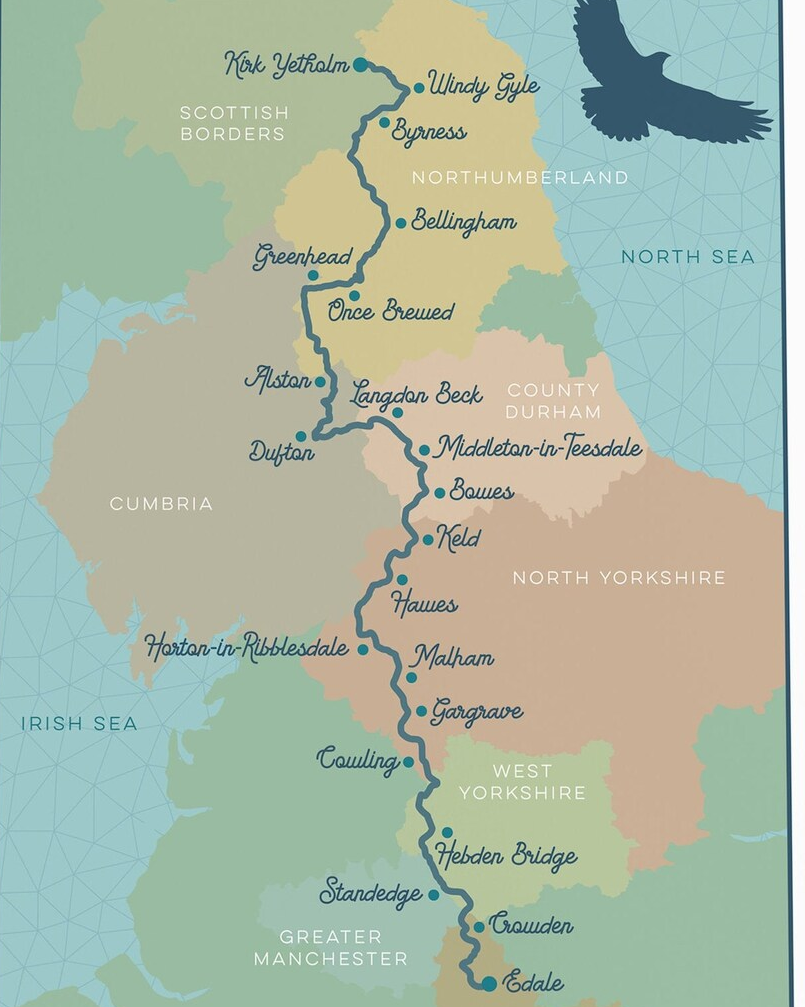
The Pennines offer hundreds of miles of footpaths and bridleways. The Pennine Way, England’s oldest national trail, runs for 268 miles through rugged moorland, deep dales and wind-carved summits.
Every step takes you through a landscape shaped by nature and history, passing ancient packhorse routes, dry-stone walls, and open moorland. These routes suit all levels, from relaxed strolls to multi-day walks for seasoned hikers.
Breath-taking Views and Open Spaces
Climb nearly any hill in the Pennines for sweeping views across green valleys, upland moors, and distant towns. Kinder Scout, the highest point in the Peak District, offers a vast plateau with views reaching to Manchester and even Wales on clear days.
The sense of space and peace lingers long after you leave, making it a favourite spot for anyone craving open skies and unspoilt scenery.
Rich Wildlife and Rare Flora
The Pennines shelter rare birds like curlew, golden plover, and merlin. Moorland habitats burst into purple heather in late summer, creating a patchwork of colour.
Peat bogs, hay meadows, and ancient woodlands hide wildflowers and fungi found almost nowhere else in Britain. Birdwatchers, photographers and nature lovers will find something new in every season.
History Written in Stone
Stone circles, Roman roads and crumbling farmsteads dot the hills. Villages like Hebden Bridge and Haworth grew, leaving behind old mills and cobbled streets.
Hadrian’s Wall, at the northern edge of the Pennines, stands as a reminder of Roman power. Story lovers and history buffs can lose themselves wandering through these traces of the past.
Characterful Towns and Villages
The Pennines are home to charming market towns and quirky villages. Saddleworth, Settle, Alston, and Holmfirth each bring their own flavour, with stone cottages, lively markets, and cosy pubs.
The moody, open spaces and stone villages give a sense of drama and timelessness that draws directors again and again. Walking here often feels like stepping into the pages of a classic novel or onto a set.
Year-Round Beauty and Changing Seasons
The Pennines are much more than a range of hills in northern England. They bring together wild landscapes, living history, rare wildlife, and vibrant communities.
Whether you’re walking the Pennine Way, watching curlews rise over moorland, or warming up in a pub after a muddy hike, the Pennines deliver something honest and unforgettable.
Next time you’re searching for real countryside with heart and soul, put the Pennines at the top of your list.
Steel River (walking the River Tees)
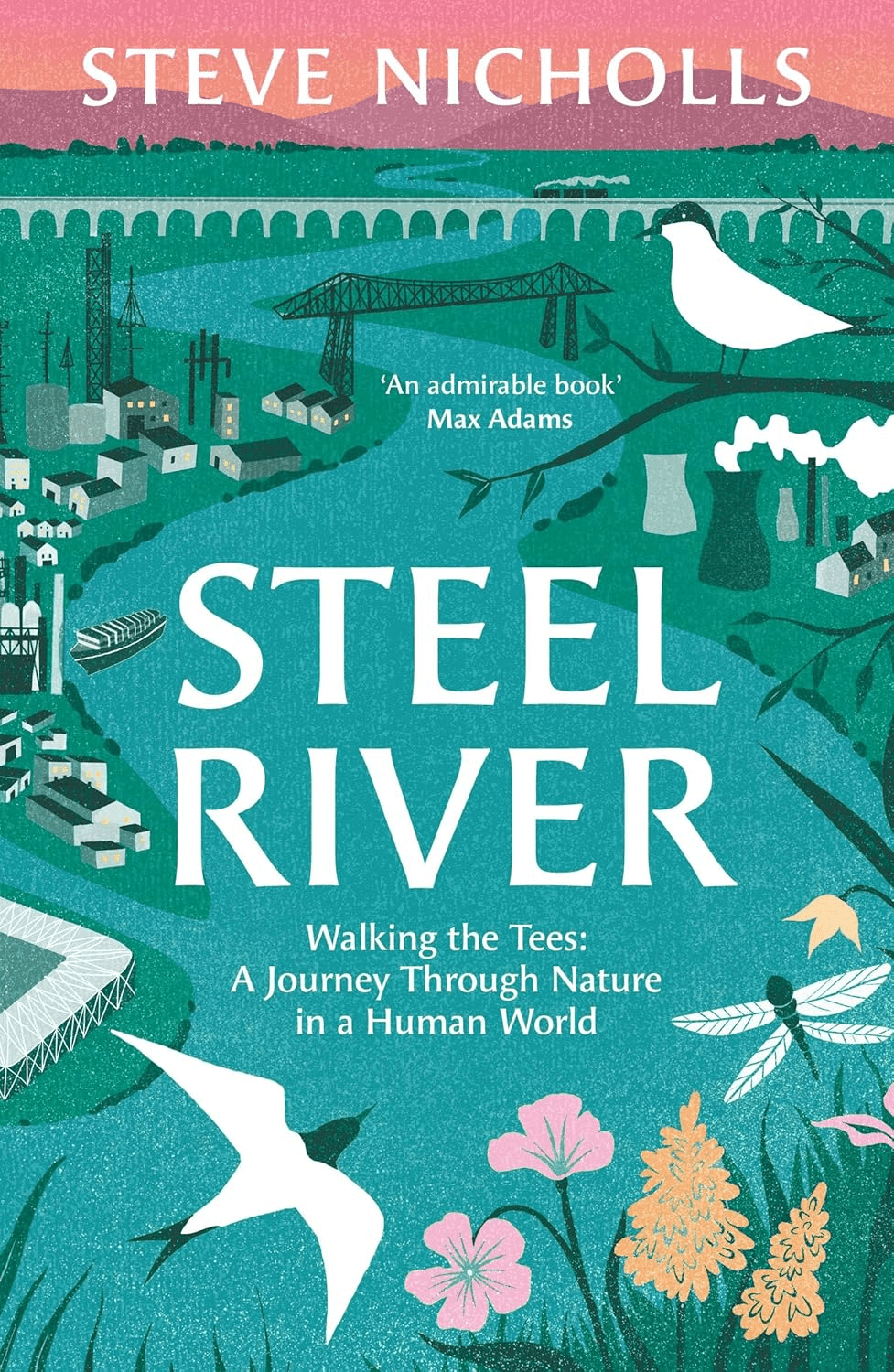
Steel River is a book by an author who makes the epic journey along the River Tees in north east England, from the industrial complexes near its estuary, to its source high in the Pennine Hills.
The Tees estuary is where the author’s life-long passion for nature was born. As he travels the length of the 80-mile river, he uses his years of travelling the world and making documentary nature films, to place the fauna an fauna he encounters along the Tees, in a wider context.
Weaving together personal experience with botany, geology and history, it’s also an account of the impact that human history and agriculture has had on the Tees and its valley. It’s also an example of environmental degradation, with prescriptions to heal the broken state of the world, after 10,000 years of human activity.
The north-east has long been a place of proud history. Beneath the sweat and grime however, the region’s biodiversity has taken a battering for generations. In this book, the author examines whether nature can ever truly heal and regeneration. Sally Coulthard
About the author
Steve Nicholls is a TV documentary maker and director based in Bristol, who holds a PhD in dragonflies and is a Fellow of the Royal Entomological Society. He has spent 30 years making wildlife films, including 10 with BBC Natural History Unit.