Sustainable Tableware and Meal Plans for Nursing Homes
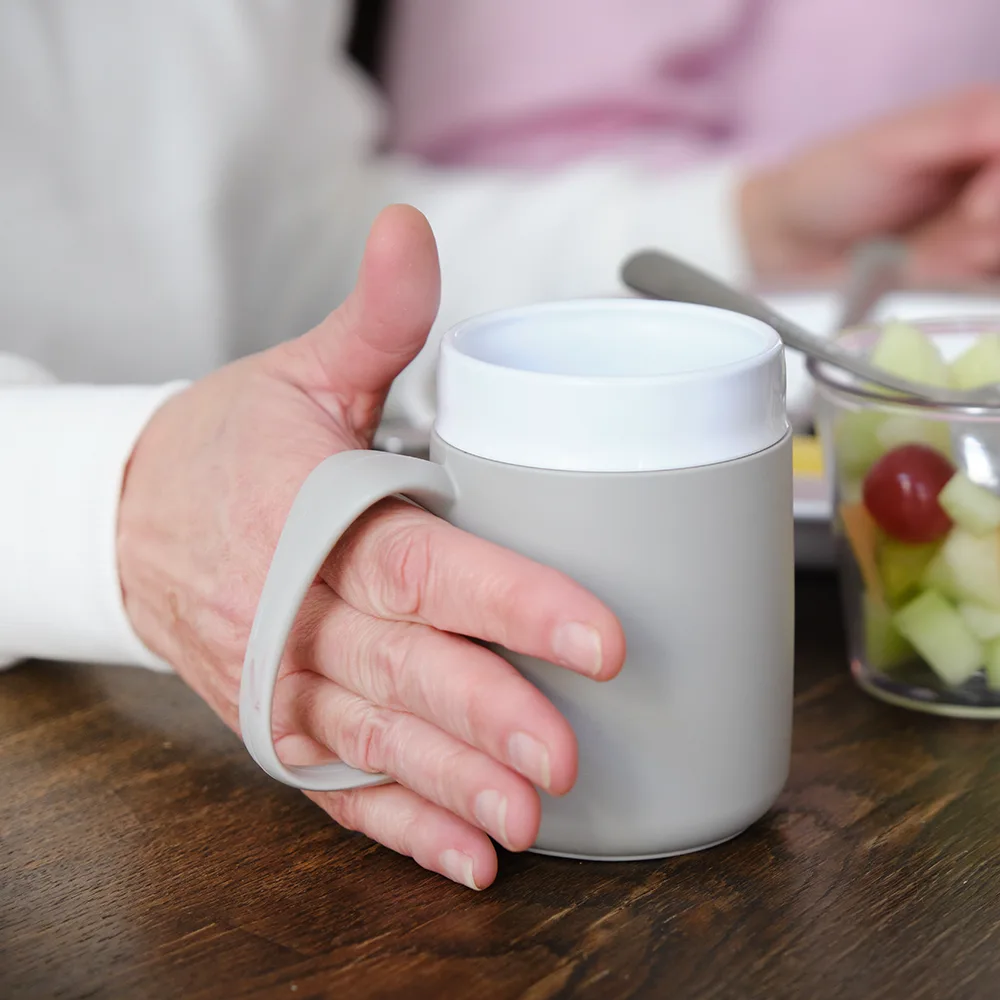
Ornamin is a very interesting company in Germany. It offers well-designed crockery and cutlery for disabled and elderly people (which also makes life easier for carers). But this is also a climate-neutral company that is not just a case of cheap alternatives to conventional tableware.
Finding suitable tableware for people who are older, ill or have motor disabilities is very important, both to prevent spills and protect dignity. Nobody wants to eat and have half their dinner fall on the table or their lap. But this company strives to design the products so well, that they also ‘look conventional’. So no massive big sippy cups etc, but they work as well as such items.
Many patients can’t eat certain foods, due to swallowing difficulties. Read our post on food safety for people and pets.
Ensure disabled people and their carers claim benefits. This can not only increase your income, but often gives access to grants to widen doors, install ramps and grab rails, or install heating/lighting controls. There are also Family Fund grants available for children.
This climate-neutral company specialises in good inventions like reusable cups and bowls, along with cups featuring internal cones, to make it easier for disabled people to drink, but more safely and without spills. The plates also have sloped bases, to help keep food on the plate!
Most items are made from bisphenol A-free plastic and designed to last years, being food-safe, dishwasher-safe and (if used) microwave safe. The innovative range (which would also be ideal for hospitals and nursing homes) includes:
- A keep-warm plate, where the sides can be filled with hot water, to avoid having to keep putting food back in the oven or microwave.
- A non-slip board to safely slice fruits, vegetables and bread, with one hand.
- A ‘dementia’ crockery set, designed to promote slow eating. It’s also bright red, to stimulate appetite, also easily seen by people with not-perfect vision.
- A stainless steel cutlery set, easily gripped with a circular spoon to eat from all sides. And a knife designed for safer cutting and heating.
- The mugs enable people with shoulder and neck problems or disabilities to drink, without having to lean their head back. one hand.
You can also choose tableware, based on medical conditions:
- Parkinson’s disease – items are designed to handle hand tremors and muscle stiffness. Along with other issues like swallowing difficulties.
- MS – designed to handle swallowing difficulties, visual disturbances and numbness in the arms and legs.
- Dementia – everything is red to be easily seen and stimulate appetite, using dignified design to encourage good eating and drinking.
- Stroke – items are designed to adapt to the special needs for people, after they have a stroke. Like movement and visual disturbances.
This company goes beyond just providing shatterproof plastic bowls, with each condition having specially-thought out features. Just imagine if the NHS and others invested in such products. It would ensure good nutrition and hydration for patients, and give them far more dignity. And also help exhausted carers too.
Eat Well (invented by the granddaughter of a dementia patient) offers cups with rubber bases (and trays to clip on aprons, to catch dropped food and prevent clothing stains).
Kitchen Aids for Patients & Carers
Easi-Grip knives have stainless steel blades and bright ‘soft feel’ grips that are non-slip, so you don’t have to use your hand as much. The angled handles prevent wrist discomfort, and the knives are less likely to twist, in wet or greasy conditions.
Preventing Dehydration (Dementia)
Many people with dementia forget to drink (and some are even scared of running tap water). To avoid added issues of dehydration, Droplet is an invention used on the NHS and can also be used at home.
This lightweight mug monitors fluid levels with measuring lines, and relatives can record personal messages. The cup then offers an audible reminder (with flashing lights) if someone is not drinking enough.
Ensure kettles have ‘tippers’ to let water pour safely. Built-in water taps are good, but too expensive for most people (around £500).
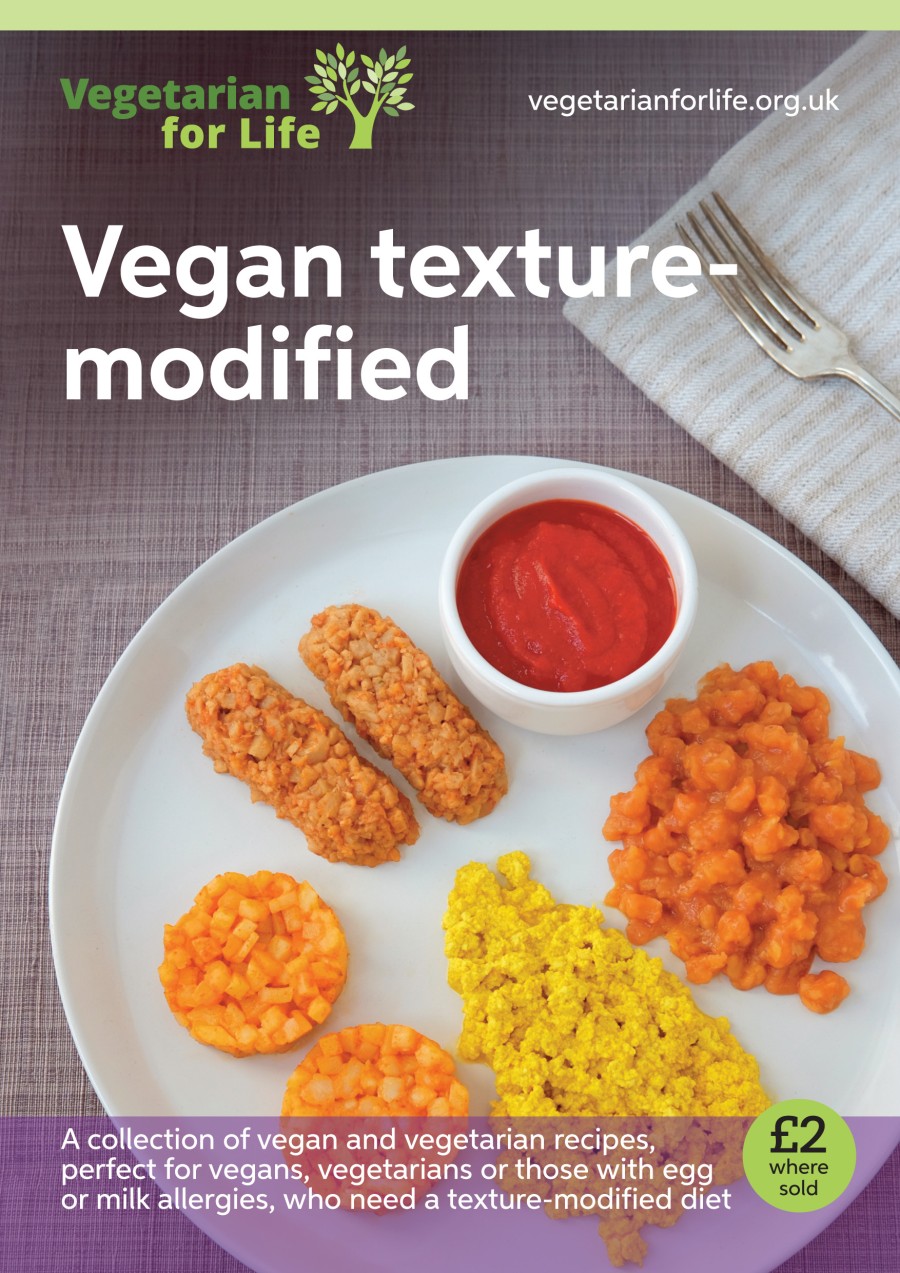
Vegetarian for Life is a charity specifically created to help serve vegans and vegetarians in care homes, hospitals or independent living facilities.
Dog-walking charity The Cinnamon Trust holds a list of pet-friendly care homes.
Often those preparing meals don’t know how to make veggie options, and it’s also obviously important to ensure that guests or patients receive the right nutrients too with their meals.
Read up on food safety for people and pets. Bin allium scraps (onion, leeks, garlic, shallots, chives) and tomato/citrus/rhubarb scraps (acids may harm compost creatures).
Fully remove tinned lids (or pop ring-pulls back over holes) before recycling, to avoid wildlife getting trapped.
The meal planners offer easy meals that most people will enjoy eating. Examples include:
- Baked potato, baked beans, date & orange salad, fresh fruit
- Lentil & spinach quiche, chips, mixed salad, stewed apple & raisins
- Tomato & basil soup, vegan lemon meringue pie
- Veggie roast, potatoes, jam sponge & custard
- Cottage pie, cabbage, yoghurt & mixed berries
- Chickpea croquettes, chips, salad, rice pudding
- Macaroni soup, bread, banana split
- Vegan ham & salad sandwiches, Victoria sponge
- Pasta bolognese, sweetcorn & beetroot salad, ginger cake
- Cauliflower cheeze, baked potato, peas, apricot blueberry crumble
- Vegan cheese & tomato sandwich, cherry cake
You can also download a free 32-page catering guide and a guide to textured foods, for vegans and vegetarians who are no longer able to eat solid food. Plus grants to help vegans live independently.
Eco-Friendly Meal Planner (and shopping list)
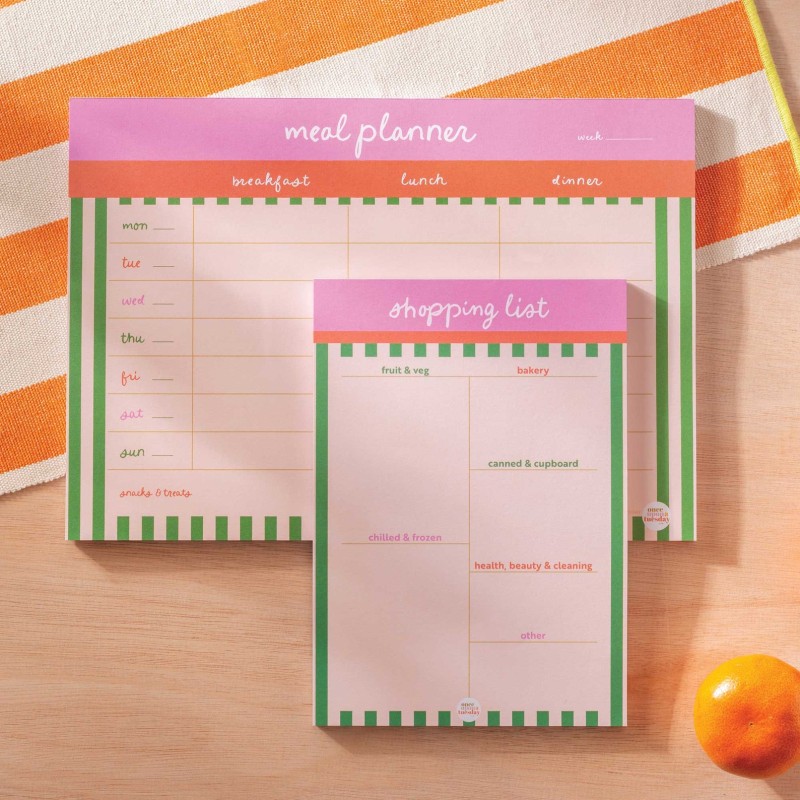
This meal planner and shopping list, is ideal if you like a list to take the grocery, especially if you run a busy household. And need to keep to a budget.
Read up on food safety for people and pets. Bin allium scraps (onion, leeks, garlic, shallots, chives) and tomato/citrus/rhubarb scraps (acids may harm compost creatures).
Fully remove tinned lids (or pop ring-pulls back over holes) before recycling, to avoid wildlife getting trapped.
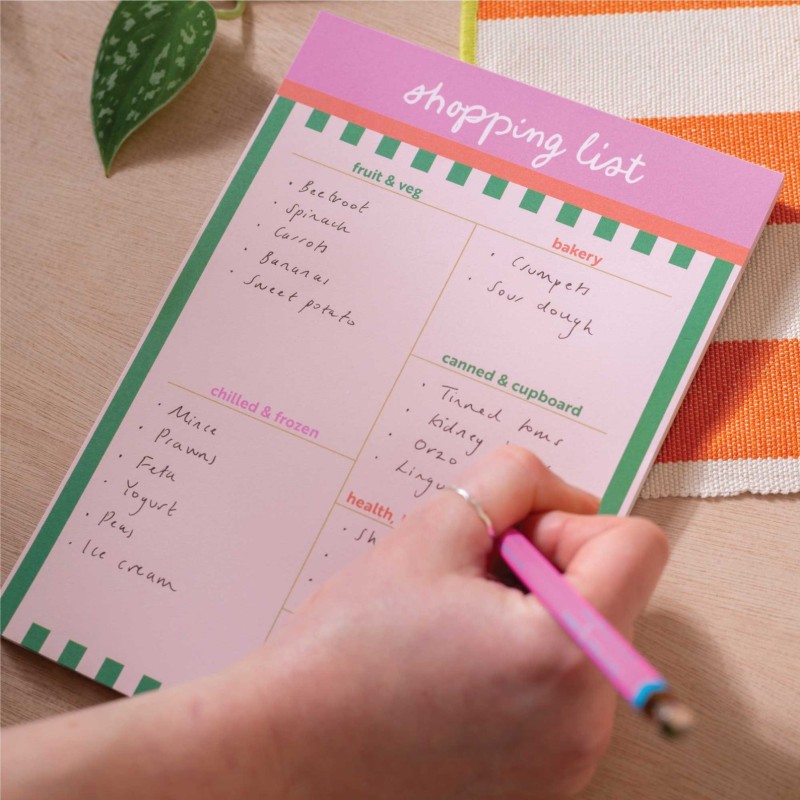
Know what you’re going to buy and make for breakfast, lunch and dinner, and find a shopping list with six sections:
- Fruits and veggies
- Bakery
- Chilled and frozen
- Canned and cupboard
- Health, beauty and cleaning
- Other
The 2 planner pads have cardboard backing, and are printed with vegetable inks.
Everything at Good Tuesday is printed on recycled paper, sent in plastic-free packaging, made in the UK and beautifully designed.
Choosing recycled paper is better than FSC-certified paper, as that still requires fast-growing trees with pesticides (instead these products ‘close the loop’ and use up unwanted waste that would otherwise end up at landfill, emitting methane gas).