Bee-Friendly Almonds (help our pollinators)

You may have heard in the media that many people are talking about the ethics of eating almonds and avocados, along with a few other ‘plant-based foods’. This is to do with industrial farming methods (that kill bees in their billions in North America) by not protecting the wildlife habitats of bees, during and after harvesting.
Above is a recipe for vegan almond cake (Rainbow Nourishments) which is fine, if you use sustainably-sourced nuts.
Avoid nuts for young children and allergies, and keep away from pets. Read more on food safety for people & pets.
For tinned foods, fully remove lids (put inside) or pop ring-pulls back over holes (and pinch top opening closed) before recycling, to avoid wildlife getting trapped.
Most almonds sold in the world are farmed in California, where they use a colossal amount of water, in a state prone to drought. Corporate farms use pesticides that lead to monoculture orchards, so bees get sick (more bees die in the US, than animals and fish slaughtered for food).
The Bee Better Certified program gives consumers the choice to buy almonds that are grown/produced by companies that are inspected & certified (a bit like our Soil Association), to ensure pollinator-friendly practices.
Almonds & bees depend on each other
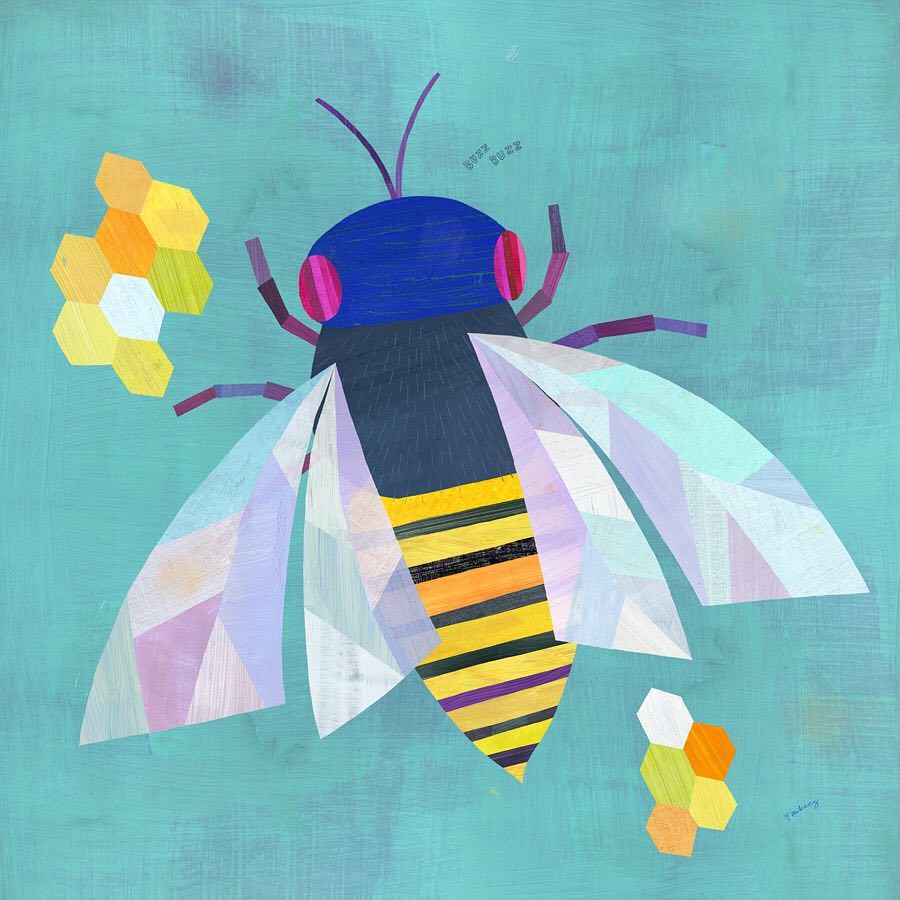
Almond trees need pollen moved between flowers. In nature, insects do that job while they forage. Almond blossom arrives in a short window, often over just a few weeks. Each flower needs pollen to reach it, usually from a different tree variety nearby. Bees visit blossoms for nectar and pollen, and as they move, pollen grains rub off onto other flowers.
If enough flowers get pollinated, the tree sets more nuts. If not, the yield drops. But instead of letting wild pollinators get on with their jobs, some companies managed honey bees, to meet delivery deadlines. And that’s where issues arise.
Moving hives adds stress, and many companies use pest control, which harms bees. Varroa mites and viruses can weaken honey bee colonies. But wild bees need bear soil, stems and undisturbed corners.
‘Bee-friendly almonds’ are from farms that use cover crops like clover, vetch, and mixed wildflowers. These plants feed bees before blossom, but bees then still have natural food, after the harvest. Along with hedgerows and field margins, for more sources of nectar and pollen, plus shelter from wind. They also have clean water sources, so don’t have to hunt around ditches and puddles, after harvesting almonds.
How to buy bee-friendly almonds
The bee-certified almond organisation above covers North America. So the best way to help in England, is simply to buy certified organic nuts from sustainable growers, usually in Europe (not further afield).
You can also help by only buying what you need (such as zero waste shops – nuts go stale quickly). And vary up your nut and seed choices, so that demand is not all on one crop.
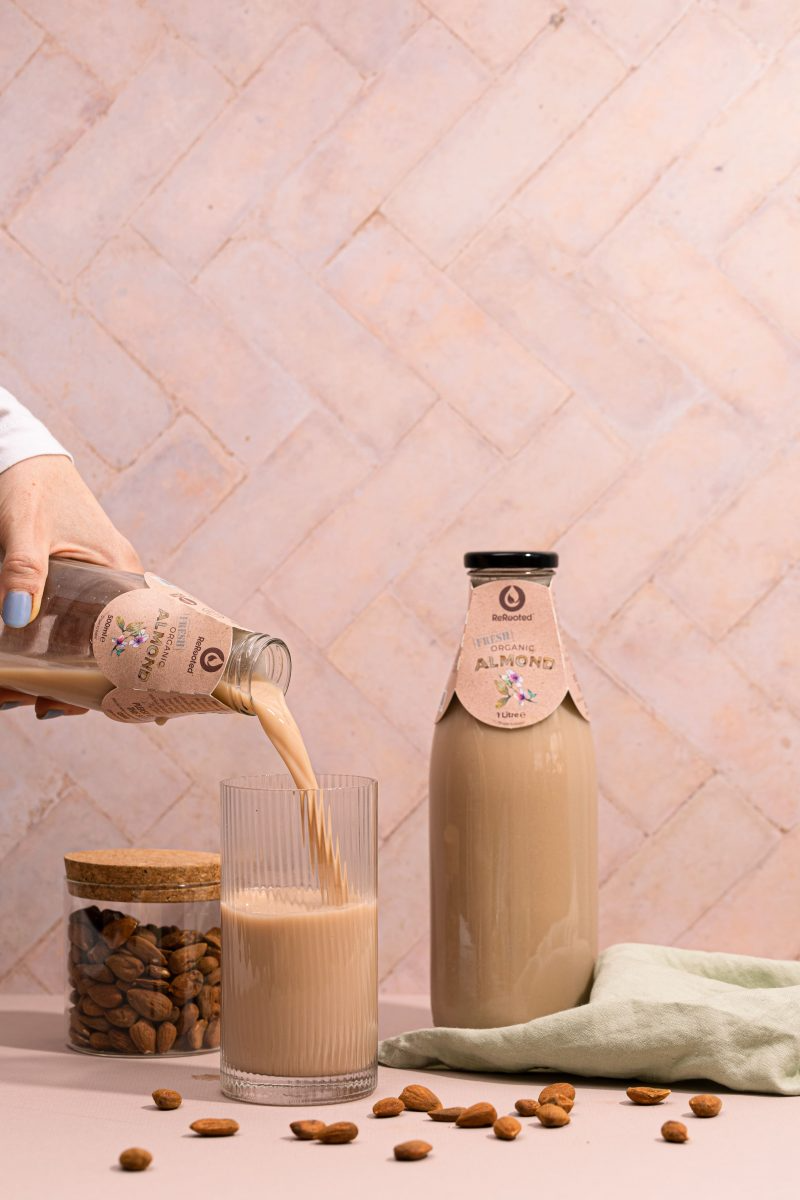
For almond milk, Devon’s ReRooted Almond Milk (sold in returnable glass bottles) uses almonds from Italy or Spain, depending on season.
If you grow organic almond trees, read how to make gardens safe for pets (many nut and fruit trees are unsafe near horses). And avoid netting (use wildlife-friendly gardening to protect from birds).