Starling Murmurations (and other nature spectacles)
Nature never fails to impress. Whether it’s in the sky, across the oceans, or right in your back garden, the world is brimming with sights that stop you in your tracks.
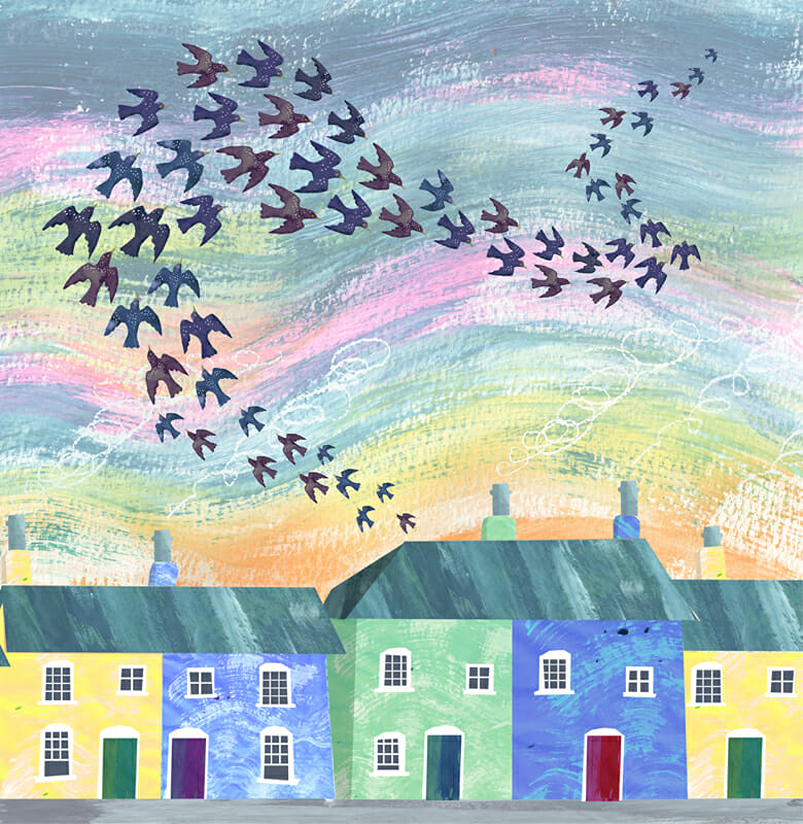
If you’ve ever caught sight of thousands of starlings sweeping across the sky in twisting, coiling waves, you’ll know just how spellbinding it can be. A starling murmuration is more than a visual treat, it’s a living cloud that moves as one, shifting and folding in tight loops that baffle birds of prey.
Each starling follows simple rules but, together, they create an aerial ballet that feels both wild and perfectly in sync. See this at dusk over reed beds or city parks and you’ll feel part of something big and ancient.
Birds are incredible creatures, and it’s mesmerising to watch them fly. England is blessed with many starling murmurations. Some of the best are:
- Somerset Levels: Famous for winter murmurations, this wetland area provides perfect conditions for starlings.
- Brighton Pier: Starlings gather here to create stunning displays, against the coastal backdrop.
- Thames Estuary: A favourite spot, this area hosts large flocks, offering an impressive show.
Starlings often visit gardens. Read our posts on how to create safe havens for birds and preventing bird strike. These posts contain important info for where to place bird feeders (and how to choose, site and clean nest boxes).
Stephen Moss is is a natural historian who teaches writing at Bath University, and is best known for producing TV programs featuring bird-watching Bill Oddie.
The book above is just one of a series that you can find at the bookshop: he’s also written books on skylarks, robins, wrens and many other native wildlife (not just birds!)
This book turns attention to an incredible bird that lives on nearly every continent. Its beautiful iridescent plumage is wonderful. But when these birds come together in their thousands in the skies to create awe-inspiring murmurations, it’s something to behold.
Starling migrate as far north as Scandinavia in winter, but they are common in England. They love fruit, and help farmers by eating insects, and have a skill for mimicry.
The Fascinating Dance of Cranes
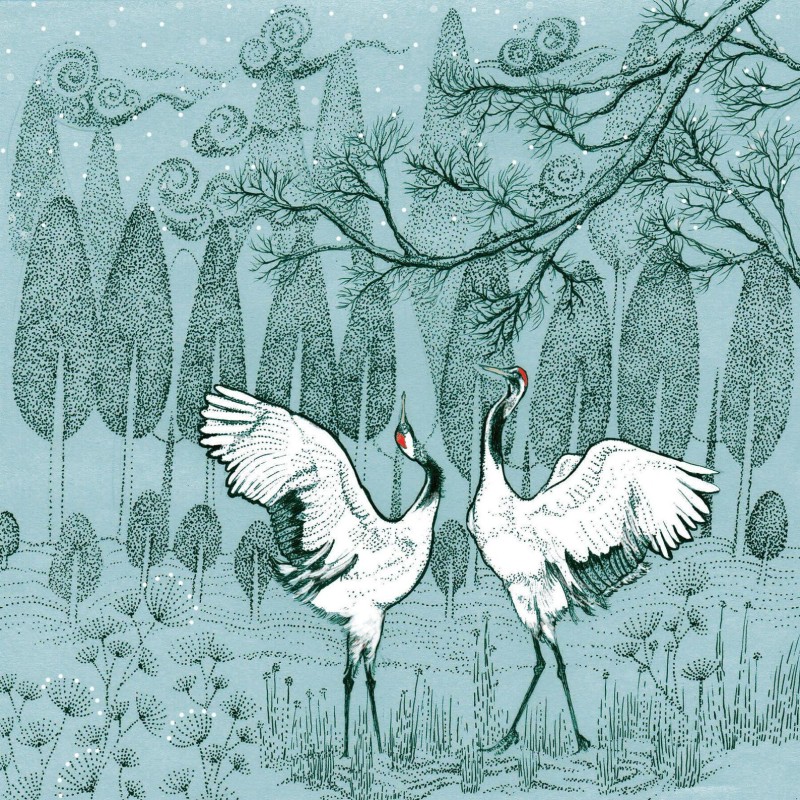
As spring arrives, cranes gather to perform their famous dances. Around the world, thousands of cranes call out, bow, leap and stretch their wings in tight, synchronised routines.
Each move helps them bond with mates and sharpen their skills for nesting season. It’s a rare spectacle of grace and precision, and the sound of their calls carries for miles. These displays remind us how finely tuned even the largest birds can be.
Dragonflies (aerial pond dancers!)
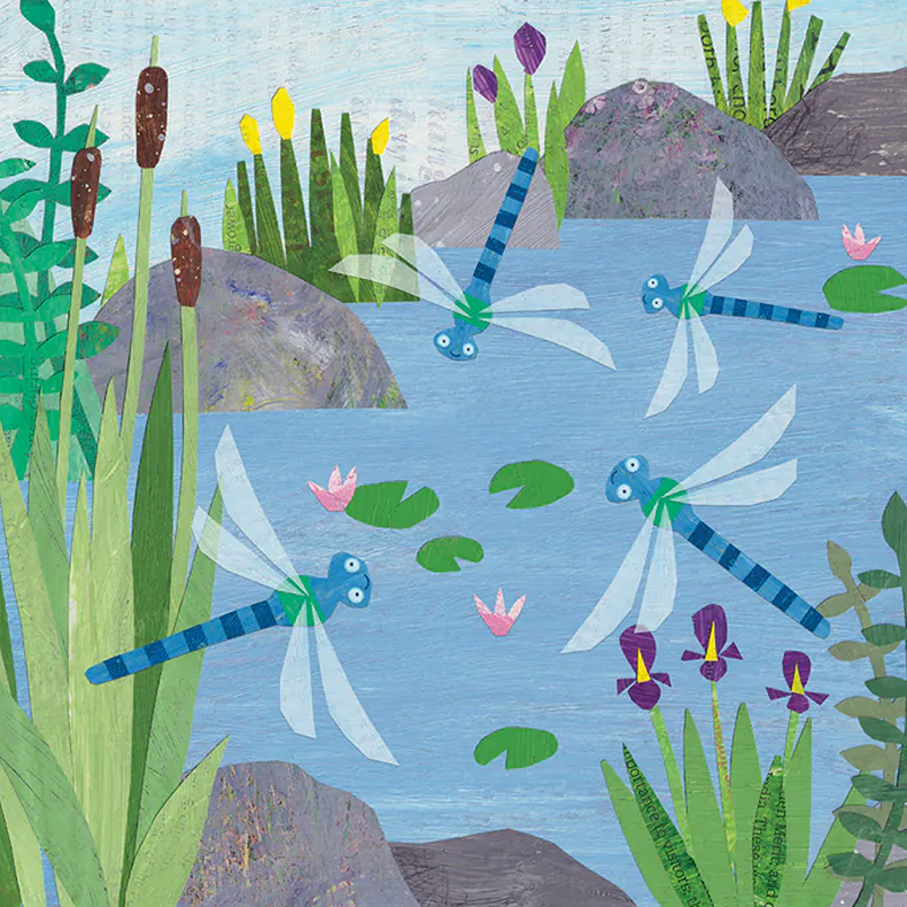
Dragonflies and damselflies are amazing insects that can be found hovering over garden and wild ponds. They can fly enormous distances, spin on their own axis and fly backwards!
These beautiful winged insects can be found in many colours, and won’t harm or sting you. But lots of their habitats have disappeared in the last 400 years, meaning they need our help.
Fancy Dancing Yourself?
If you like to tap your toes, look up local dance classes, whether it’s ballroom, tap, jazz, ballet or modern dance. You can buy vegan dance shoes from Nicole Dancewear or Gandolfi.
Northern Lights (in the Arctic circle)
The Aurora Borealis, or Northern Lights, transform polar skies with streaks of glowing green, pink and purple. Caused by charged particles from the sun hitting Earth’s atmosphere, this spectacle feels magical, yet it’s pure physics at play.
The lights ripple and pulse, sometimes lighting up the whole sky. Best seen from places like Norway, Scotland, or Iceland, seeing the Northern Lights often tops many wish lists, and for good reason.
Monarch Butterfly Migration
Every year, millions of monarch butterflies set off from Canada and the northern US on an epic journey to Mexico. This migration covers up to 3,000 miles, ending in dense forests where tree branches can bend under the weight of so many butterflies.
Their orange and black wings fill the air like floating confetti, turning a simple forest into a glowing wonderland. This journey is at risk as habitats shrink, making each sighting even more precious.
Bioluminescent Bays
Some waters glow at night, lit by tiny organisms called dinoflagellates. When disturbed, they give off a bright blue light, turning gentle waves into glowing ribbons and making fish seem lit from within.
Bioluminescent bays, like those in Puerto Rico or off the coast of Australia, create scenes straight from a dream. Wading through these waters, you feel like you’re walking through starlight. Pollution and development threaten these fragile places, so they need care to stay magical.
Coral Spawning
Once a year, in reefs around the world, there’s a mass release of tiny coral eggs and sperm. The water fills with colourful, drifting specks, clouds so thick they can be seen from boats above.
This spawning is timed to the moon and water temperature, ensuring the best chance for new coral colonies to form. It’s a moment of hope for reefs, many of which are under threat from warming seas and pollution. Seeing this event under torchlight or by diving is truly unforgettable.