The Suffolk Coast Path (from Felixstowe to Lowestoft)

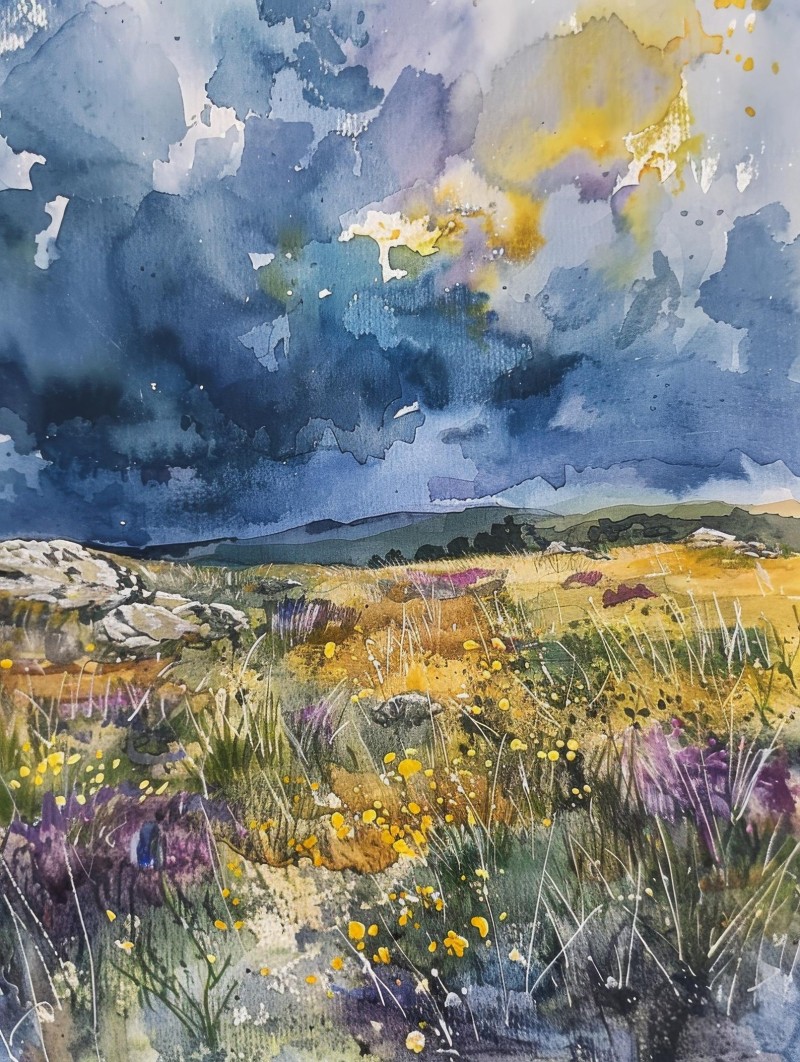
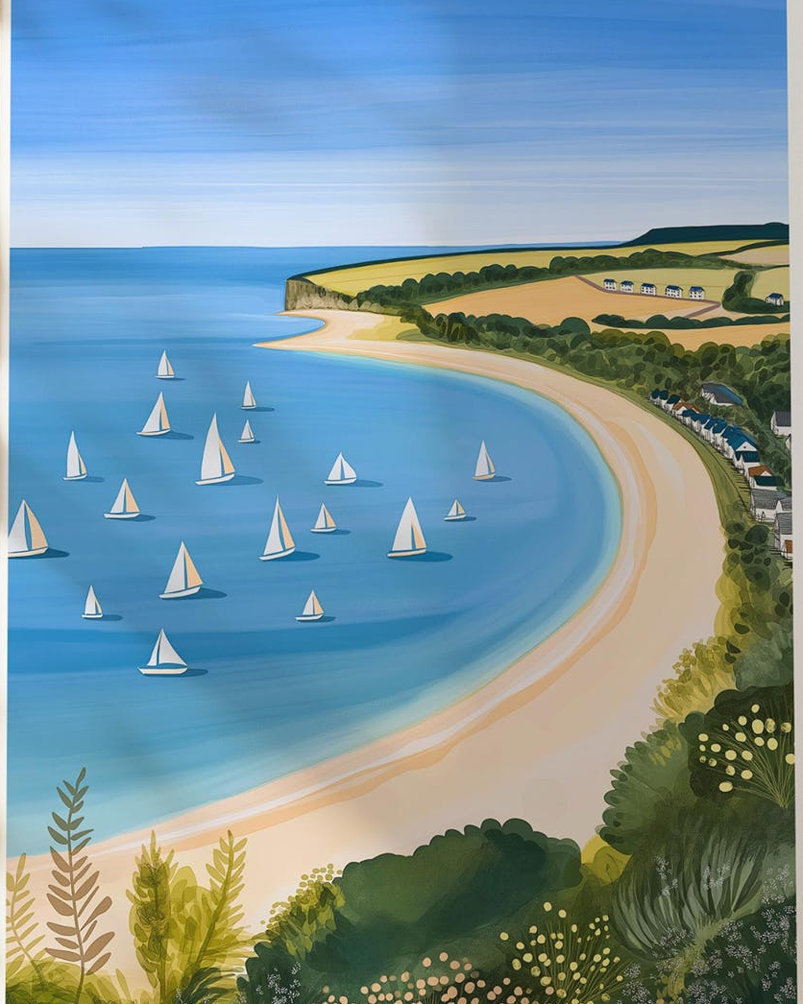
The Suffolk Coast Path is a 50 mile long distance path known for its diverse landscapes (salt marshes and heathland), running from the port town of Felixstowe (south Suffolk) to Lowestoft (north Norfolk).
Nearby Ness Point is the most easterly point in England, if you want to be the first person in England to watch the sun rise).
Orford Ness (where England’s first atomic bomb was tested), is now a nature reserve , run by National Trust. You can only reach it by a seasonal foot ferry, and that’s a good thing to prevent over-tourism.
It’s the largest vegetated shingle spit in Europe, so a habitat for many rare birds and plants. Who love the lagoons, reedbeds and marshes.
Always follow the Countryside Code to keep all creatures safe. Keep dogs away from steep banks, mushrooms (and toxic plants/trees) and on leads near birds, barnyard friends and wild ponies.
If at the coast, keep away from nesting birds and never walk on sand dunes. Learn how to keep dogs safe by the seaside (check beach bans before travel). Join the campaign to ban flying rings, to help local seals.
How to upright an overturned sheep
Pregnant sheep (and sometimes due to wool waterlogged from rain) can sometimes roll over onto their backs, and can’t get back upright, due to having four stomach chambers (so will die if not turned back upright).
If you see a sheep on its back, just firmly right it back, then stay with it, until rain has drained off, so it won’t happen again. Then inform your local farmer.
Wildlife Wise is a project run by local people, to educate residents and visitors on how to avoid disturbance wildlife on the Suffolk coast (due to its vast estuaries of mudflats, saltmarsh, reedbeds, sea grass, lagoons, heathlands and freshwater wetlands and sea grass). Unique shingle and sand attract unusual plants and creatures.
Its projects include secure fencing, and a special ‘dogs-off lead’ area so dogs can play free, without disturbing local wildlife – what a great idea!