Chickpea Magazine (an ad-free vegan lifestyle guide)
If you browse any supermarket or newsagent aisle, you will see dozens of recipe magazines. They are everywhere. It was only recently (after a complaint by a subscriber when her dog had to visit the vet after chomping a bar that came through the letterbox) that the practice of sellotaping ‘free’ choccy bars to covers is no longer the normal practice.
There are well over 50 recipe magazines sold in the UK (the best-selling by far is BBC Good Food). But most are just packed with ads, many promote plastic-wrapped fast food (with no concerns on animal welfare or even health). And many (especially if you buy single-issues off the shelf) cost more than a good recipe book!
So here are a few of the better plant-based magazines. Plus tips on how to enjoy them at greatly discounted cost (ie. subscribe or buy digital issues, if you prefer to read them on smartphones, some people do!)
Read up on food safety for people and pets (many foods are unsafe near animal friends). Bin allium scraps (onion, leeks, garlic, shallots, chives) and citrus/tomato/rhubarb scraps, as acids could harm compost creatures. It’s okay to put them in food waste bins (made into biogas).
For tinned ingredients, fully remove lids (put inside) or pop ring-pulls back over holes (and pinch tops closed) before recycling, to avoid wildlife getting trapped.
If you grow your own food, learn about pet-friendly gardens and wildlife-friendly gardens. Avoid facing indoor plants to gardens, to help stop birds flying into windows.
Chickpea (a beautiful US lifestyle guide)
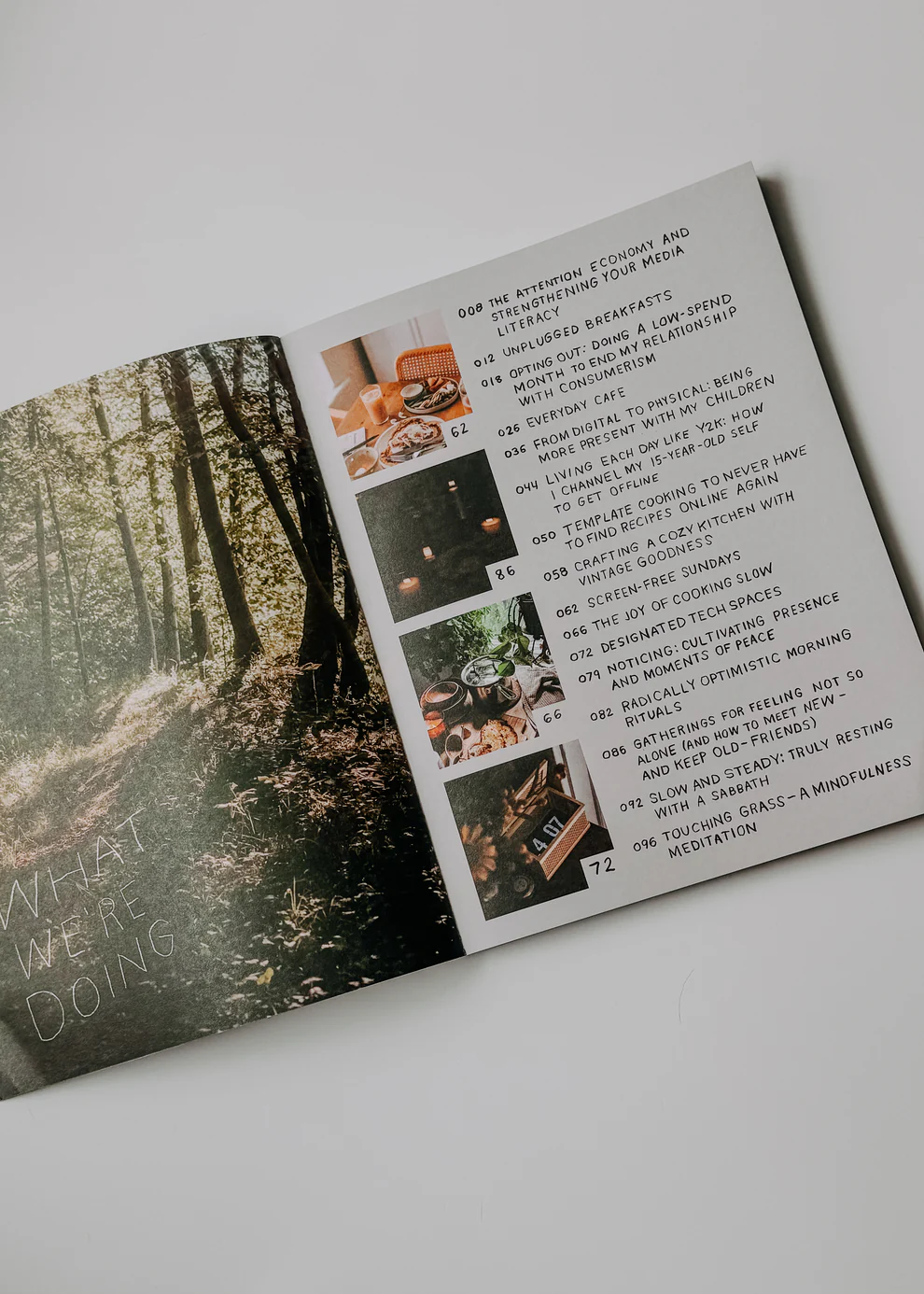
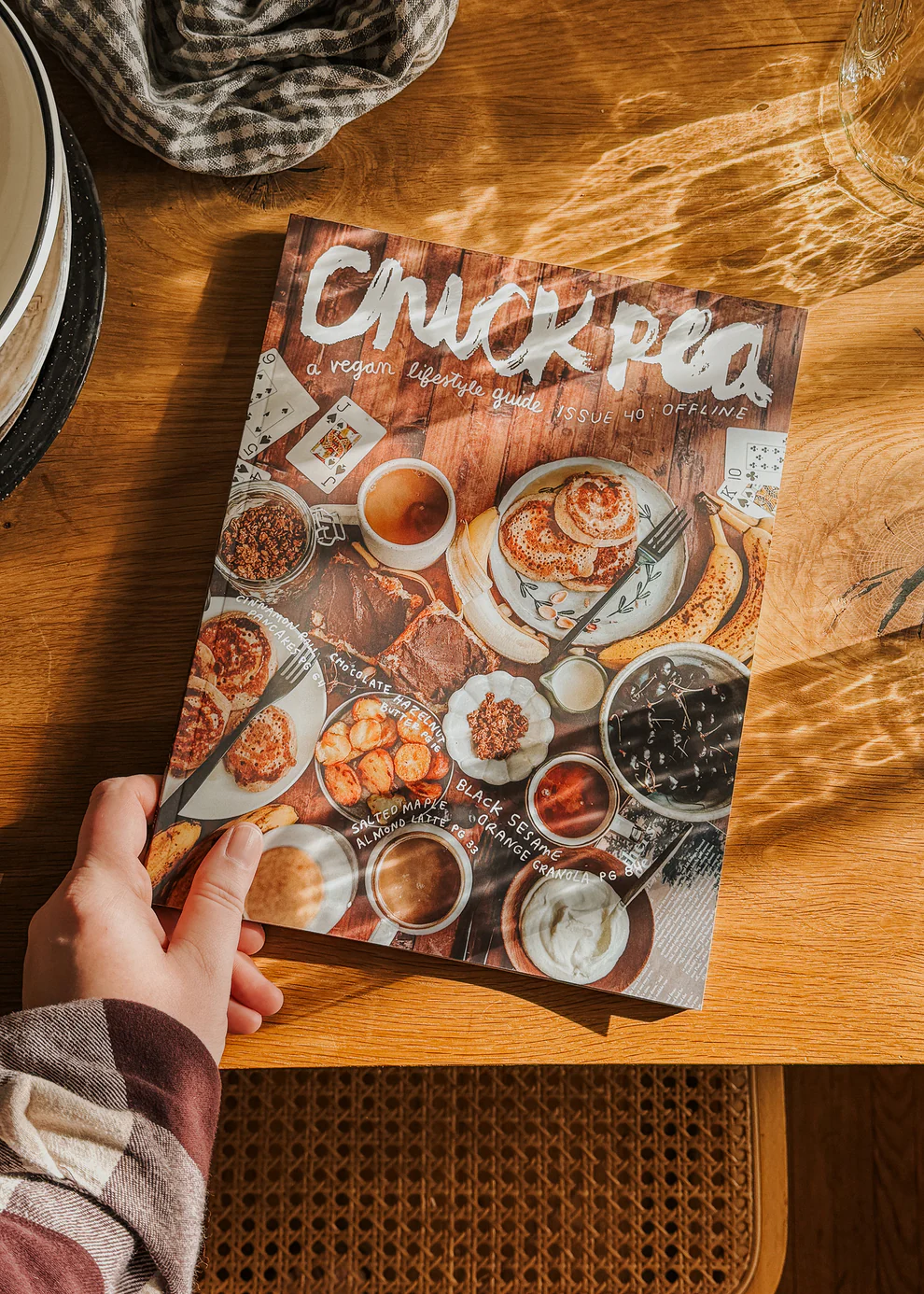
Chickpea is not local, but worth mentioning. As it does everything right! There are no ads (this is all about recipes and a simple sustainable lifestyle). Managed by a small team of dedicated staff, each issue has a theme, and all the pages are packed with quality articles, recipes and photography.
The focus is on wholefood recipes, and the staff are helped by a rotating crew of freelances (images are from independent artists – not stock photography). You could pair up with others to order issues by post (to cover postage). Or of course digital issues won’t cost you any more than US readers.
Example themes are low-waste living, ingredient spotlights (oats), how to sharpen a knife, protein from (not boring) beans, sourdough bread renaissance and movie night sleepover recipes. Example articles are:
- Unplugged breakfasts
- Low-spend months to end consumerism
- Screen-free Sundays
- Vegan pot roast recipe
- Cinnamon roll pancakes
You can download a free digital issue on the site. With almost 200 pages including over 20 articles and 80 recipes, with live links for easy navigation.
Join the Chickpea Club and get a monthly email with free bonus content, plus recipes, tips, wallpapers and mini-books and guides, for reach issue’s theme.
VegNews (the world’s best-selling vegan magazine)
VegNews has been around for a couple of decades, and it’s worth the digital or paper subscription, as it gives a hopeful look at what’s happening on the other side of the pond, where plant-based eating is light years ahead. It also runs a successful podcast, ideal for listening to on the hoof.
You’ll find recipes, but also interesting interviews an info on new brands that may also be sold here. It’s a really good read, and well worth the price for some upbeat inspiration (around £25 for four issues a year).
Plant-based magazines in the UK
The Vegan is free to all members of The Vegan Society. Examples are interview with child chef Omari McQueen, recipes from best-selling cookbooks, nutritional articles written by the in-house team and reviews of books and documentaries. One added bonus of membership is that you get discounts at various health stores and other shops nationwide.
Vegan Food & Living magazine is the UK main publication. It’s good but you should subscribe online, as it’s very expensive if you buy it off the rack in stores. And even cheaper if you buy digital (the print version is sent to your home in paper wrap, no plastic).
It does focus a lot of ‘new brands’ and has lots of ads. It’s understandable that its aim is to make ‘vegan cooking the norm’. But it’s not really about cooking wholefoods from home. It offers a 3-month cheap trial, but after that the price hikes to around £4 per issue.