
Radar Keys and Changing Places (accessible public toilets)
Millions of people across England are either disabled or have medical conditions that means they often need a loo (IBS, Crohn’s disease, incontinence etc). They are their carers often struggle to find public toilets. Which means they either don’t go out, or restrict liquid intake when out and about, which could cause further medical issues.
Uribag (free on the NHS, ask your GP) is a portable latex canister (empty your pee on the kerb, then wash at home). The female version is bedbound patients.
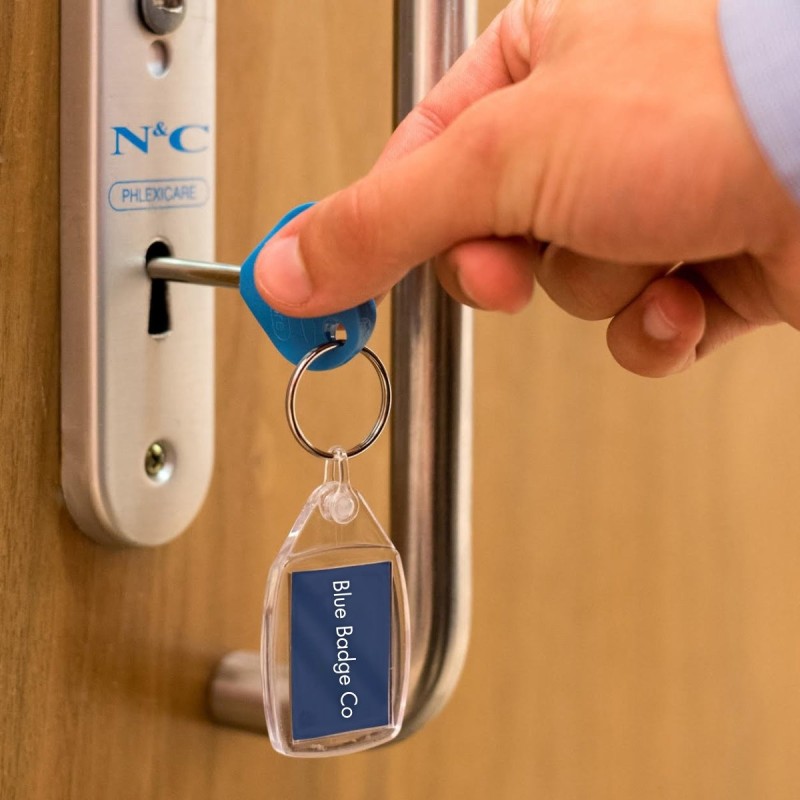
Order a cheap Radar key
Order a cheap Radar key that will open thousands of locked public toilets nationwide (if you can’t afford £3, then ask a local hostel or the council to help). You can also use these if you have a condition that means you need the toilet a lot (like IBS, Chrohn’s disease, incontinence or heavy periods).
Changing Places (large accessible public toilets)
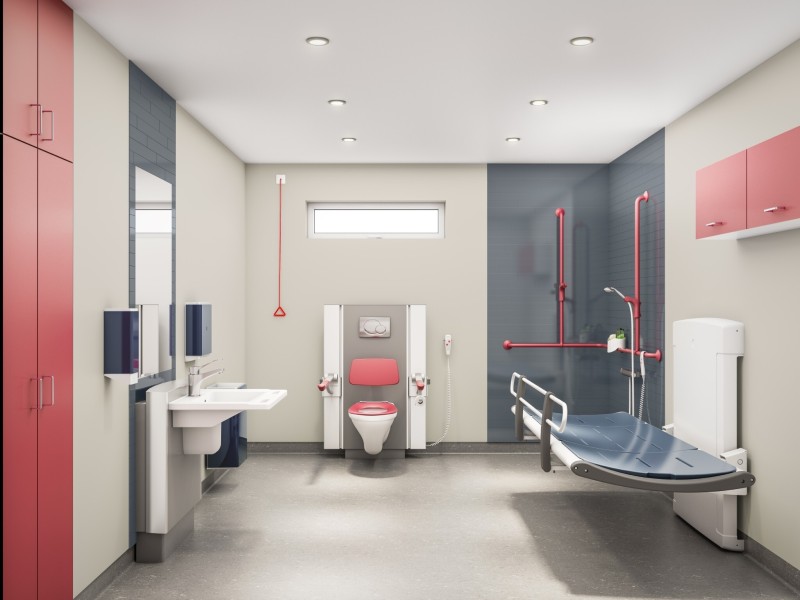
This key also accesses Changing Places disabled toilets (wheelchair accessible, and around half of them have a shower).
These toilets are used by 250,000 or so people in the UK, who can’t use standard public toilets. Use with zero waste bathroom tissue (to save trees) and zero waste tampon/pad dispensers.
Why are Changing Places public toilets needed?
Carers say that conventional public toilets are very difficult to use, as they need changing benches and hoists, plus room for another person to help, and keep the safety of both persons in check. Having to change clothing and nappies on the floor is dangerous, unhygenic and undignified.
Many people look after patients with spinal injuries, muscular dystrophy and MS, which require extra space and equipment. Others look after people with profound learning disabilities.
Changing Places toilets are designed so that everyone (including homeless people with disabilities) can use them safely. They are already in many town centres, public buildings, hospitals, transport stations, sports stadiums, pubs and restaurants. But more are needed to be a fully inclusive society.
What do Changing Places toilets have?
- For a start, they are larger. Most include one or more of the following:
- A H-system track hoist to life patients (users bring their own slings)
- Adult-size changing benches (height-adjustable and wall-mounted)
- Toilets with open space on both sides, with grab rails
- Non-slip flooring and emergency alarm systems
- Large waste bin to dispose of pad and hygiene products