Biodegradable Laundry Detergents (and dry clothes naturally)

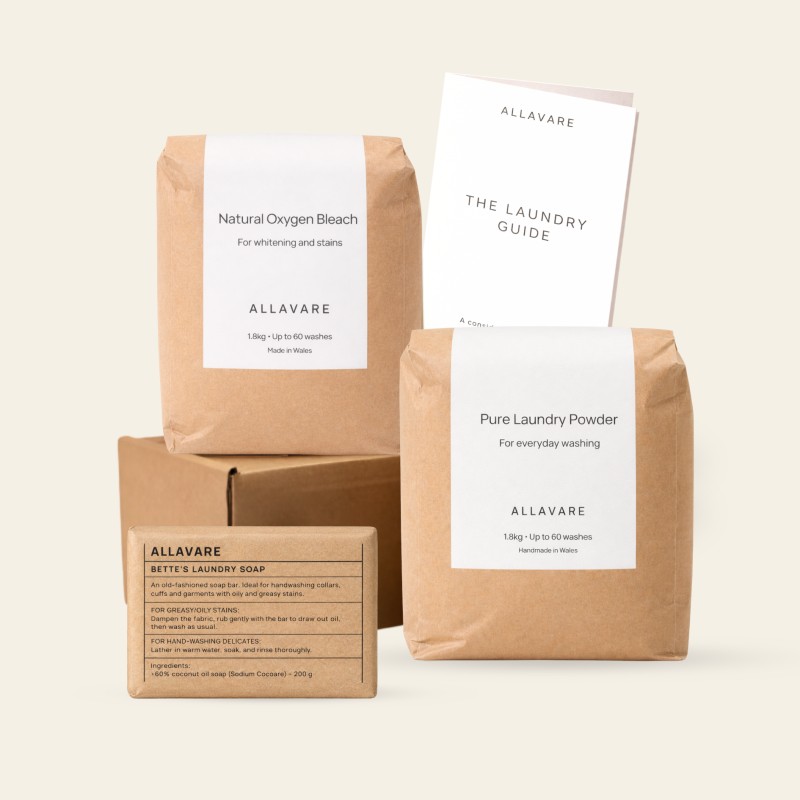
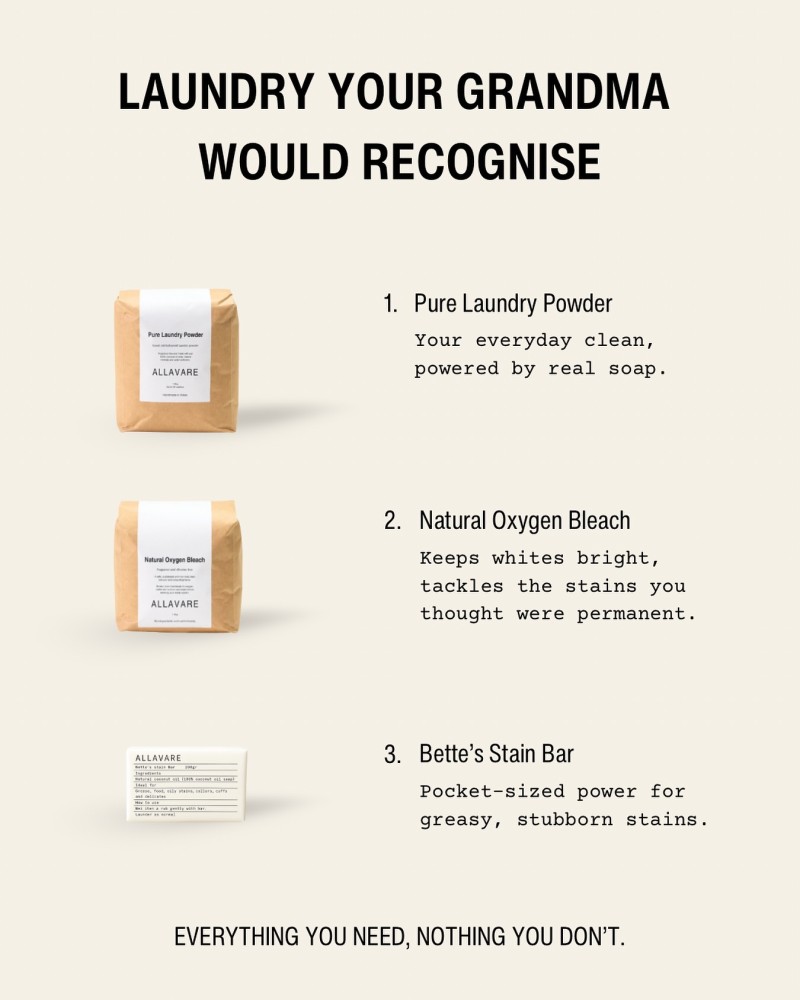
Allavare Laundry Powder (use code ENGLAND99465 for 10% discount) is made locally, sold in a brown paper bag, with discount subscriptions (it also makes oxygen bleach which is activated with warm water, then remainders can safely be poured down sinks and drains, to biodegrade).
And stain removal bars, if you want to bundle up.
Choose unscented laundry detergents if pregnant/nursing and for baby/pet bedding (use higher temperatures for weak immunity and oxygen bleach for stains. Use a microfiber filter, for synthetic fabrics.
You can bin empty containers of chemical laundry liquids (don’t rinse). For half-full items, take them to hazardous waste at the refuse centre.
Most ‘biodegradable laundry sheets’ contain PVA (plastic polyvinyl alcohol) that still leaches up to 40% plastic into the sea (one expert says to trust such items, she would want to know the precise times and temperatures which can’t be promised).

Made with just 4 unscented ingredients, each bag gives up to 60 washes, sold alongside a coconut oil stain bar (just rub with warm water on fabric to watch stains disappear – also use for hand washing delicate garments)
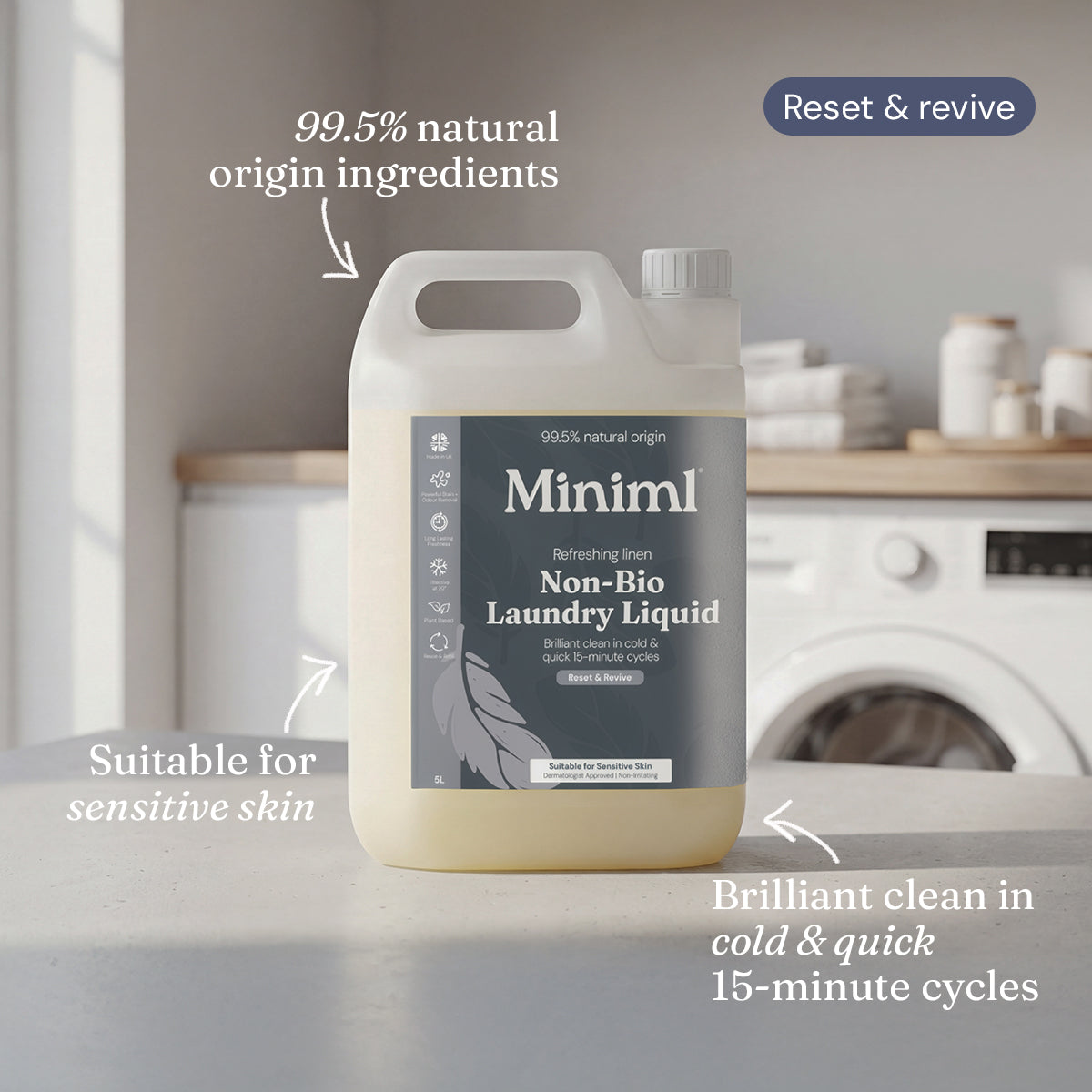
Miniml Refillable Laundry Liquid (with Yorkshire water)

Miniml is a fab laundry brand, made in Yorkshire with local water (unscented or natural linen and coconut scents). Just send empty bottles in bulk (scan the QR code for a returns label) or drop off at your local post office for collection (or enter postcode to find refill stations).
Hexwash: A Laundry Detergent Alternative

Hexawash (use code ENGLANDNAT10 for 10% discount) is an organic laundry detergent that lasts for 300 loads. Made from organic cotton offcuts, just throw the pouch in the machine with your laundry, and the magnesium pellets mix with water to form hydrogen gas and magnesium hydroxide, to generate an alkaline solution that is the ideal PH to lift dirt and oil from clothes.
Proven 10 times more effective than laundry detergent to remove stubborn stains, use Hexwash in soft or hard water at any temperature, it’s safe for use with all washing machines. If your washing machine has no soak function, soak for an hour in a covered bucket first, for best results.
If you launder weekly, this invention should last a year, as the magnesium pellets gradually dissolve. You can then bin, compost or even bury it in the garden, where the organic cotton will break down, as will the magnesium which can fertilise the soil.
Bio-D Unscented Laundry Powder

Bio-D Unscented Laundry Powder is sold in a small cardboard box, to avoid shipping you fresh air! This fragrance-free laundry powder is accredited by Allergy UK, and is highly effective. One box offers 212 washes!
To use, add 1 to 2 tablespoons directly to the washing machine drawer, for a standard load. For hand-washing, dissolve a similar amount in warm water, ensure the powder is dissolved before soaking the garments, and rinsing thoroughly.
A Friendly Washing Powder from Yorkshire!

Friendly Laundry Powder is by a company in Yorkshire, known for making soaps. Now it’s turned its attention to making household products. Each pack gives 25 washes. It’s suitable for hand or machine-washing.
Blueland: Plastic-Free Laundry Detergent

Blueland Laundry Detergent is plastic-free, sold as a starter kit with a blue tin, and then just buy refills (the fragrance is naturally derived, and there’s a fragrance-free version too for pregnancy, babies, pets etc).
Along with oxygen bleach boosters and refills. Just add one tablet to the washing machine, or two tablets for heavy loads. We only recommend their unscented items, as scented ones contain fragrance oil.
Greenscents: Refillable Laundry Liquids (no palm oil)

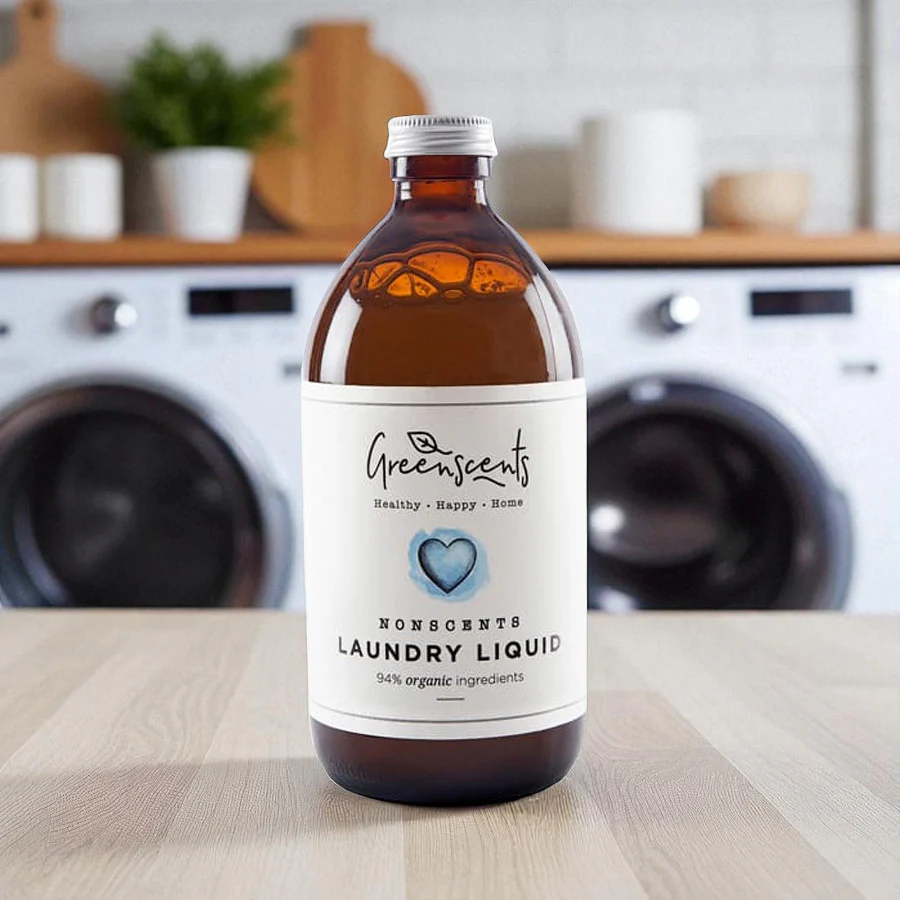
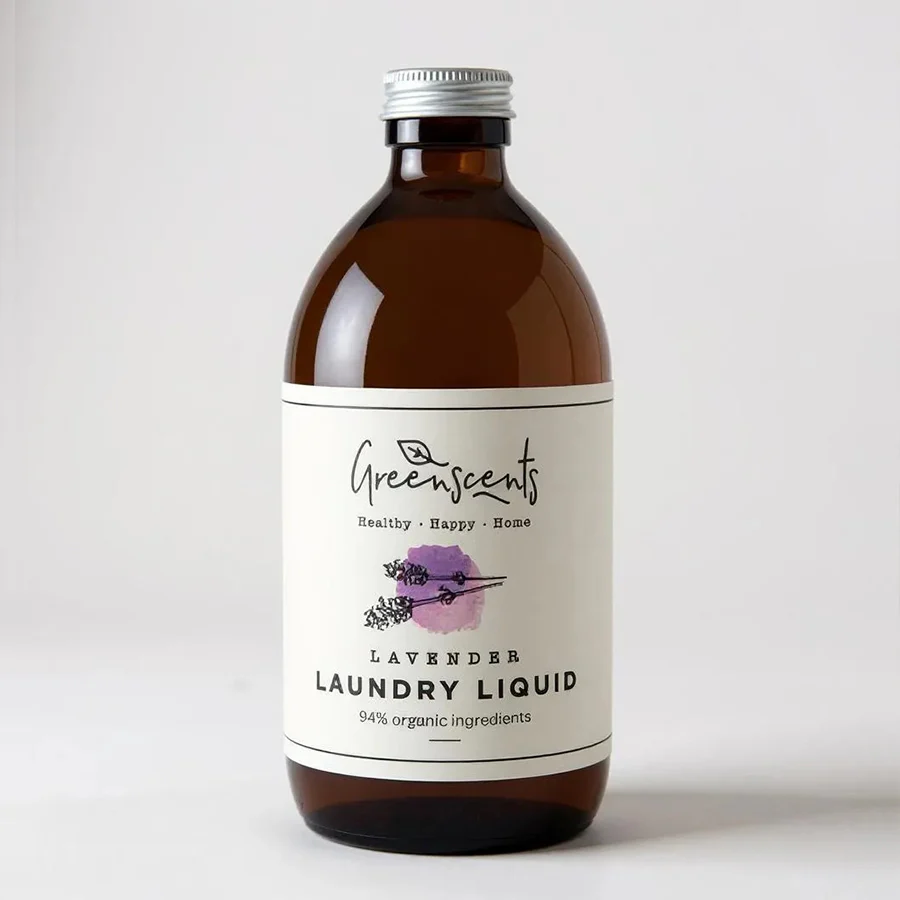
Greenscents is a great laundry liquid (in glass bottles, so don’t handle with wet hands). In Nonscents or natural scents (with essential oils), you can send empty bottles back to be washed and refilled. Not just good for the planet, but also good for your wallet, as you get discounts on further orders.
You can replace this laundry powder with twice the volume of their organic castile soap on a hot wash, to brighten whites, no need for optical brighteners! If using for laundry, they are to replace (don’t use with the laundry liquid – it’s either/or, to avoid mixing acids and alkaline products.
Delphis Commercial Eco Laundry Powder

Delphis Eco Laundry Powder (also in a commercial use version) is formulated to give incredible results, working out at just 30p per wash. The powerful cleaning action is tough on heavy stains, but gentle on fabrics, leaving laundry with a pleasant aroma.
Minml White Vinegar (an eco-friendly fabric softener)

Visit any supermarket and you’ll find an aisle packed with toxic fabric conditioners, all made with artificial fragrance and sold in plastic bottles (most are also tested on animals and contain palm oil).
But here’s the truth – you don’t need them. You can easily make clothes softer and reduce static cling, with other methods. Fabric conditioners also reduce absorbency (so not good for washable cloth nappies and feminine pads). And when tumble-dried, can even increase flammability of fabrics.
There’s a simple alternative to chemical fabric conditioners. Just add half a cup of unscented cleaning vinegar (not malt vinegar!) to the dispenser or final rinse cycle. The smell dissipates, so your clothes won’t smell like a bag of chips!
Affordable and Energy Efficient Washing Machines

With rising energy bills, investing in an energy-efficient washing machine when time comes to replace, is a very good idea. But it’s important to know what energy ratings mean, and which features save you money, and how to take care of a washing machine, to extend its life.
Use with biodegradable laundry powders (unscented for pregnancy/nursing and baby/pet bedding). Launder synthetic fibres in microfiber filters.
Decoding Energy Rating Labels
Every washing machine in the UK must display an energy rating label. A is the most energy-efficient, and will also be cheaper to run and likely use less water per cycle.
Eco cycles clean at lower temperatures (but can take longer) and look for ones with Quiet Mark labels, plus quick wash and half-load settings. Some have a delay timer, to run washes at off-peak electricity rates.
Affordable Washing Machine Options
If you can’t afford to buy a new washing machine, Reuse Network is a nationwide organisation that takes unwanted washing machines, then sells them to people on low incomes, after safety checks. It has a free downloadable Fit for Reuse area of the website, where technicians can learn how to repair washing machines and other appliances, with guidance from trained experts and participating brands.
Maintenance of Your Washing Machine
- Clean the detergent drawer and rubber seals monthly to prevent mould.
- Wipe around the door after each wash to keep smells away.
- Run an empty hot cycle with baking soda and cleaning vinegar every few months to clean the drum.
- Check and clear the filter for lint and debris. Never leave lint in gardens, it can go mouldy and choke birds and wildlife.
At end of life, local councils will collect large appliances with notice). It’s UK law that companies selling you new electrical appliances, must take old ones back for recycling.
Hand-Washing Tips for Energy Savings
Of course you don’t need a washing machine at all. If you are going to hand-wash clothes, use cold or lukewarm water (hot water should be used for babies, pet bedding and for people with weak immune systems – using unscented laundry brands).
Soak stains first and agitate gently to avoid wear and tear. Use natural oxygen bleach, for bad stains. Then after washing, rinse well and wring out, then dry clothes naturally.
Scrubba: A Portable Modern Wash Board

Scrubba is a little invention that is ideal for people who can’t afford a washing machine. It costs around £45 and is basically a modern alternative to a washboard, giving all the results of a washing machine, but just agitating the bag for a few minutes, with no electricity needed.
If washing by hand near rivers, streams or lakes (when camping), tip dirty water at least 30 metres (100 feet) from the water source, to prevent pollution.
Just add water, clothes and laundry liquid, close the bag and deflate it. Rub the clothes against the inner washboard for 30 seconds to 3 minutes, rinse and hang to dry. Scrubba can clean around 2 days worth of clothes in one go, and is used by 500,000 people worldwide. Its sister brand Allurette is rounder and flatter for delicate (so you don’t destroy your lingerie!)
To dry your clothes after washing, just wring them out and lay on a towel, then roll up the towel and twist firm, then hang both the clothing and towel to dry.
Use Your Local Launderette
Most towns still have the odd launderette, which obviously saves you having to buy a washing machine. Kitty’s Launderette (Liverpool) was named after an Irish immigrant who pioneered the washhouse movement, back in the day when most people had no laundry facilities.
This affordable community launderette offers a community space for tea and chat, plus an eco-dry-cleaning service. It also offers free washing services for those who need it, and a repairs/alterations service for clothing.
Run as a non-profit co-operative by local residents, it also offers services for hotels and restaurants, and will even wash gowns and kits for hair salons and local football teams (the city has two quite good ones!)
An Essex Model’s Iconic Launderette Ad
The Iconic Launderette TV ad for Levi Jeans is now over 30 years old (the jeans brand still uses leather patches and chemical blue dyes and has a low rating at Good on You). Instead switch to better brands of sustainable blue jeans.
Still, the ad was good. If you’re too young to remember it, it featured easy-on-the-eye Nick Kamen, who visited a laundromat in the 50s, and sits in his boxer shorts, after removing his jeans, to launder. All set to the theme of Marvin Gaye’s ‘I Heard It Through the Grapevine’.
The success of the ad led to a pop singing career. He was so handsome, that one magazine editor recalled him walking in wearing plain clothes and sunglasses. His girlfriend simply said ‘You have got to be kidding’.
By all accounts a humble kind man who studied painting. He died age just 59, after living with incurable bone marrow cancer for 3 years.
An Off-Grid Manual Washing Machine

The Washing Machine Project is a simple, affordable and positive solution to many problems in developing countries. An empowering invention already used by 50,000 families, the founder spent time in Africa helping to design better stoves. And after watching a friend spend hours daily washing clothes, she returned to England, determined to do something to help.
This flat-packable washing machine is manually-operated and saves up to 50% of water (important in drought-prone countries). And also saves 75% of the time needed to wash clothes by hand. This also saves backache, and lets women work or children spend more time in school.
One machine can meet the needs of one large family, and the simple design means it needs little work to be repaired locally. It is also easily recycled, at end of life. With just a few minutes of manual turning, the machine washes clothes for 30 minutes, and has a built-in scrubber in the lid, to tackle stains on collars and cuffs.
It also has a wide lid opening, to wash blankets, towels and duvets. Some locals are even using the machine to run their own mobile laundry business, using the durable wheels that easily go over rough terrain.
Reviews from Users
- In India, one woman would spend hours washing clothes each day, carrying heavy water-logged clothing back and forth to the local pond.
- In Uganda, a single mother of three had to wash clothes (in between working) at a nearby underground stream, close to the sewage system.
- In Mexico, women who had back, hip, knee, should, hand and waist pain from washing clothes now make use o the washing machine, which has made them all feel a lot better!
Start a fundraiser, to bring more off-grid washing machines to communities worldwide!

PlanetCare (use code ENGLANDNATURALLY15 for 15% discount on all orders) is a one-time purchase, which fits to a washing machine in 10 minutes, and captures around 98% of microplastics from synthetic fibres (including washable nappies and sanitary pads or period pants). Even cotton undies and socks even have elastane.
Then instead of binning them (which could release microplastics at landfill), you simply send back full cartridges for recycling, and receive empty ones in return.
This is the ideal solution for washing synthetic clothing, until your wardrobe is totally natural (cotton, linen, hemp). Swimsuits use synthetic fibres, experts say just rinse and air-dry.
Microfiber Filters for Sinks & Buckets

If you hand-wash clothes, sink filters (from a company that also offers bucket filters to catch microplastics from mops with synthetic heads) are one option. Use with plastic-free cloths and sponges.
This company has no return system, so bin caught microplastics in a secure container, so fibres won’t wash away at landfill, in rainy weather.
Cora Balls (a more budget-friendly option)
If you can’t afford a PlanetCare set, than at least use a Cora Ball (sold in UK). This only collects around 30% of microplastics, but is better than nothing.
Inspired by how corals naturally clean the oceans, this tumbles around the washing machine, collecting fibres. Then just pull them out (like cleaning a hairbrush). This invention is designed to withstand the heat of washer-dryers, and profits are used to help clean the oceans.
Fionn Ferreira is a young Irish chap who has created a magnet to extract microplastics from the ocean.
Microfibre Filters Protect Marine Creatures

Most plastic in our seas is made up of microplastics, which basically means millions of tiny pieces of plastic that can’t be seen by the naked eye. These are ingested by all creatures, especially ‘filter feeders’ like whales, who ‘eat’ by opening their huge mouths to swallow everything, then spurt water out of their blowholes.
This means that creatures are washed up with their stomachs full of plastic. As most people own some clothing with synthetic fibres (nylon, polyester, recycled plastic bottles – even washable nappies and feminine care have synthetic waterproof backings), these release microplastics from washing machines into the sea, when laundered).
The obvious choice is to gradually switch your wardrobe over to a few natural pieces, and then a microfibre filter is not needed. Textile banks usually can accept synthetic clothing for recycling.
Until then, a single purchase of a microfibre filter is the best solution.
Never leave lint out in gardens, it’s a choking and mould hazard for birds and wildlife. Just securely bin. Read our eco-friendly laundry posts.
Guppyfriend Bucket Filter (stops plastics entering oceans)

For cleaning floors, use a Guppyfriend bucket filter, to stop microplastics going into the waterways. This fits any conventional bucket, and is made from a fine filter fabric, that doesn’t lose fibres itself. Durable and alkaline-resistant.
Microfibres are found in conventional mops and cloths, so when they are rinsed out, tiny particles of plastic go down drains and into the seas. Where they are accidentally eaten by fish, coastal bird and marine creatures. If not using a natural cotton cloth or mop, get a bucket filter!
Use with plastic-free cloths and sponges. Choose Unscented for pregnancy/nursing and when cleaning near babies or pets (citrus oils are toxic to pets). Never mix vinegar or lemon juice with any bleach (causes toxic gas). For half-full bottles of chemical liquids, don’t pour down drain (dispose of at your local tip).

Removing stains does not need harmful chemicals. Most can be tackled with a bit of know-how and a few affordable simple and natural ingredients.
Reasons to Switch to Natural Oxygen Bleach

Oxygen bleach is amazing stuff, if you’ve never come across it before. It does no harm to the planet, and if used correctly, can remove cleaning and laundry stains as well as (if not better) than nasty chlorine bleach.
Allavare Oxygen Bleach (code ENGLAND99465 for 10% discount) is sold in a brown paper bag, with discount subscriptions online. You can bundle up with the maker’s 4-ingredient eco laundry powder and stain removal bar.
Test on hidden areas, wear rubber gloves. Keep away from children and pets (it’s safer than chlorine, but could still upset tummies or bleach fur).
Use oxygen bleach in ventilated areas, and never mix any bleach with vinegar (or lemon juice). If it gets in your eyes, rinse with lots of water, and seek medical attention.
Too much oxygen bleach could lighten fabrics. Don’t leave oxygen bleach (once mixed) in a sealed container. Oxygen will continue to release, and it could blow up!
You can recycle empty chemical liquid bottles. For half-full bottles, don’t pour down drain (dispose of at your local tip).
How to Use Oxygen Bleach

Oxygen bleach is a simple mix of sodium percarbonate and hydrogen peroxide. It must be mixed with warm water to activate, and only lasts for around 40 minutes. But you can pour leftovers down sinks and drains, with no harm to aquatic life.
It removes stains by binding to molecules. If using for laundry, use 60 degree washes for babies and weak immune systems.
Natural oxygen bleach can remove most cleaning and laundry stains, as the hydrogen peroxide releases atoms that react with organic stains (food, grass, blood) and break down into tiny molecules. These are then rinsed away with water.
Alkaline sodium percarbonate helps to break down oil and grease stains, by neutralising acids.
- For general cleaning, mix 1 part of natural oxygen bleach to 2 parts warm water. Leave to sit for 10 to 15 minutes after cleaning, rinse and dry. Use this solution to remove stains from mugs and to clean tile grout.
- For a cleaning paste, add hot water, then use a plastic-free sponge to wipe stains and odours on cutting boards. You can also mix 1 tablespoon with 2 cups of hot water to wipe down fridges and drawers, to remove mould, bacteria and mildew.
- To remove jar labels, mix a scoop of oxygen bleach in a sink of hot water. Soak jars for an hour, then rinse and leave to dry.
- To remove limescale, apply neat on taps. Leave for a little while, then rinse.
- To clean drains, pour a few tablespoons of oxygen bleach down the sink. Add boiling water, wait a few minutes, then rinse.
Oxygen Bleach to Remove Clothing Stains
- Add one tablespoon of oxygen bleach with laundry powder to washing machine (not wool, silk or leather). Or add 2 tablespoons to 5 litres of hot water, for hand-washing.
- For stains, mix 2 tablespoons of oxygen bleach with 5 litres of warm water, then leave clothing to soak for a few hours, before laundering as usual. Unlike chlorine bleach, oxygen bleach is safe for coloured fabrics.
- To remove fabric stains, dissolve 1 spoon (or 3 spoons for cloth nappies, sanitary pads and incontinence pads) in 1 litre of hot water, and soak for an hour or longer. Then wash as normal. Due to waterproof synthetic backings, launder in a microfibre filter.
- You can also add a little to pet bedding in the washing machine or hand-wash, to remove pet pee and stains. Rinse well, and allow to dry thoroughly before use.
Oxygen bleach breaks down stains using sodium percarbonate (a blend of washing soda and hydrogen peroxide) instead of chlorine. It works on grass, blood, red wine, and more.
Dissolve a scoop in warm water, then soak the stained item for a few hours. Oxygen bleach lifts stains and brightens without weakening fabric. Rinse well after soaking and dry as usual.
Grass Stains
Mix equal parts white vinegar and water, then work it into the stain with a soft-bristled brush. Let it sit for 15 minutes. Rinse, then wash as normal. For stubborn grass, add a sprinkle of baking soda before scrubbing. This method breaks down chlorophyll, so green marks fade away.
Blood Stains
Act fast with blood stains. Always use cold water, as heat can set the stain. Soak the area, then dab with salt or baking soda paste (add just enough water to make it spreadable). Let it sit for 30 minutes before rinsing. If the stain’s old, soak in natural oxygen bleach overnight. Repeat until the mark disappears.
Red Wine Stains
Blot up as much as possible right away. Pour sparkling water over the stain and blot again. Cover with a thick layer of salt (keep pets away) and leave it for an hour to draw the wine out.
Brush off the salt, then wash with natural soap. If any mark remains, vinegar mixed with equal parts water makes a final rinse that helps get rid of pinkish hues.
Oil Stains
For stains from kitchen oil (including salad dressing), sprinkle dry cornflour or bicarbonate of soda directly on the fresh oil spot. Leave for 30 minutes, then brush away and dab the area with diluted washing-up liquid (mix with water) before washing in warm water.
Make-up Stains
Rub a little coconut oil or olive oil into the make-up spot, let it sit for five minutes, then blot with a dry cloth. Next, treat the area with a gentle soap and rinse well. If needed, repeat until the fabric comes clean, avoiding scrubbing that can spread the mark.
Body Sweat and Deodorant Stains
Mix two tablespoons of bicarbonate of soda and lemon juice (keep pets away) into a thick paste. Spread on the stain and leave for 30 minutes. Lemon’s acid breaks down yellow marks, while baking soda pulls out odours. Wash as normal and the area should come out fresher and brighter.
Delphis Eco Natural Stain Remover

Delphis Eco Stain Remover is from a reputable company that makes eco-friendly commercial cleaning products. Sold in easy-to-recycle packaging, these are also vegan and not tested on animals.
Keep away from children and pets (always let product dry, before letting them near).
This uses a bio formula to help remove food, wine, mud and blood at cold temperatures, and can also be used as a spot treatment to dissolve tough stains. It’s also biodegradable and safe for septic tanks.
It works by dissolving the stain, and weakens the connection between the stain and fabric. The cleaning agents attach to what’s left of the stain, and pull it into the surrounding water.
To use, remove residue then rinse with cold water. Gently massage the stain remover into the fabric with a dry or damp cloth, agitate with a brush for deep stains.
Rinse the fabric again with cold water, and repeat, if needed. For stubborn stains, reapply and allow to sit for 2 minutes, before laundering as normal (non-scented for pregnancy/nursing, affected medical conditions or baby/pet bedding. Launder synthetic fabrics in a microfibre filter.
Delphic Eco Stain Remover is suitable for most fabrics including linen, denim, cotton and bamboo. Take care with delicate fabrics (spot test first).

Bicarbonate of soda (baking soda) is great for cleaning and laundry. But it’s best to buy bulk online (the tiny pots used for cooking in supermarkets are not big enough). Supermarkets don’t sell bulk baking soda, because otherwise people would buy it, and they would not make profits from chemical cleaners. Baking soda can’t be labelled as ‘new and improved!
Although safer, keep baking soda away from children and pets. Never mix any cleaner with vinegar or bleach. Don’t add essential oils to mixes if pregnant/nursing or near babies/pets.
Avoid use on aluminium or delicate fabrics. Use with plastic-free cloths and sponges and rubber gloves.
You can recycle empty chemical liquid bottles. For half-full bottles, don’t pour down drain (dispose of at your local tip).
Reliable Multi-Purpose Cleaner
Bicarbonate of soda makes a strong, gentle cleaner for most surfaces. Mix with water to scrub ovens, sinks, and stained counters. It breaks down grease and lifts dirt without scratching. Then rinse and leave to dry.
A sprinkle on a damp sponge will clean tiles, shine taps, and remove built-up grime on cooker hoods.
Fresh Laundry Booster
Adding bicarbonate of soda to laundry gives whites a boost and brightens colours. It softens water, helping detergents work better. Pour half a cup in with your usual powder or liquid. It removes odour from clothes, towels, and even trainers.
For tougher smells, mix with water and soak items before washing. Bedding comes out fresher and towels feel softer.
Simple Carpet and Upholstery Freshener
Sprinkle bicarbonate of soda over the affected areas and leave it for fifteen minutes or longer, then vacuum it up. It helps lift stains and removes trapped smells from pets, smoke, or food. This works on mattresses and car seats as well.
Natural Air Freshener
Bicarbonate of soda neutralises odours, rather than covering them up. Place an open container in the fridge, wardrobe, or bathroom. It absorbs bad smells and keeps the air fresher.
Stove Tops and Cookware
Sprinkle bicarbonate of soda, then add a splash of warm water. Wait ten minutes, then scrub with a sponge or cloth. The residue lifts off without strong fumes or scratching. Stainless steel, enamel, and even glass cookware come up shiny again.
Clean Drains and Remove Blockages
Pouring a cup of bicarbonate of soda followed by vinegar can clear slow drains. Wait five minutes, then flush with hot water. It helps break down fat and food, leaving pipes smelling fresh. This method also clears drains in bathrooms or utility rooms, where hair or soap scum cause blocks.
Deodoriser for Shoes and Kit Bags
Sprinkle bicarbonate of soda inside, and tap out the powder the next day. It soaks up odour and moisture, keeping shoes and bags fresher. This works for gym lockers and sports helmets.
You can also sprinkle into pet beds, leave for a while (when they are out playing) then shake out thoroughly and/or vacuum, to absorb odours.
Fridge and Freezer Cleaner
Mix bicarbonate of soda with a little water to create a paste. Wipe down shelves, drawers, and seals. Rinse with a clean sponge and dry. Stains vanish and stubborn odours disappear.
Gentle Silverware Polish
Rub with a simple paste of bicarbonate soda and water, with a soft cloth. Rinse and buff dry. This can remove tarnish, but does not scratch or erode the metal.
Microwave Cleaner
Fill a bowl with water and add two tablespoons of bicarbonate of soda. Microwave on high for five minutes. The steam loosens food particles, making it easy to wipe down.
Never heat up baby or pet food in microwaves.
Clean Coffee and Tea Stains
Mix a bit of baking soda in water and scrub mugs or teapots stained with coffee or tea. The stains come off with a small amount of effort, thanks to the gentle abrasion.
Freshen Dustbins
Sprinkle baking soda in the bottom of your kitchen or bathroom bin to stop smells before they start. Replace with fresh powder every week for best results.
Remove Sticky Residue
Tackle stubborn sticky residues from labels, tape, or glue by making a paste with baking soda and a bit of oil. Rub gently until the residue lifts, then wash clean.
Fire Extinguisher for Small Grease Fires
If a small grease fire starts while cooking, turn off the heat, and pour baking soda on the flames. It cuts off oxygen and helps put out the fire. Never use water on a grease fire.

Fill is sold in glass boxes with cardboard refills.
The Benefits and Uses of Cleaning Vinegar

Cleaning (white) vinegar is not the same as the Sarsons brown vinegar that you put on your chips! And you won’t usually find it in supermarkets (because it’s very effective and cheap, so they would lose profits on selling all their expensive chemical brands).
With around 6% acetic acid, cleaning vinegar is stronger than cooking vinegar. And can remove stains, cut through grease and leave surfaces sparkling. Fill is sold in glass boxes with cardboard refills.
Keep cleaning vinegar away from children and pets (don’t use to ‘kill weeds’ as it will also kill beneficial insects).
Never mix vinegar (or lemon) with bleach, it causes toxic gas. Avoid on natural stone (granite), waxed wood or unsealed grout. Ventilate rooms and wear gloves. Do not add essential oils for pregnancy/nursing or near babies/pets.
You can recycle empty chemical liquid bottles. For half-full bottles, don’t pour down drain (dispose of at your local tip).
Multipurpose Surface Cleaning
Cleaning vinegar is good to lift dirt and grime from kitchen counters, sinks and even greasy hobs (when mixed with water).
For glass, spray undiluted cleaning vinegar and polish with a soft cloth for a streak-free finish. It also works on tiles and bathroom fittings, helping tackle soap scum and limescale.
Freshening Laundry
Add half a cup of cleaning vinegar to your washing machine’s rinse cycle for softer, fresher clothes. It breaks down residue from detergent and hard water, which can build up over time.
Vinegar can also help get rid of musty smells in towels and gym clothes. It’s safe for most fabrics and won’t leave behind that strong vinegar scent once dry.
Descaling Kettles and Coffee Makers
Hard water can cause limescale to build up in kettles and coffee machines, affecting taste and performance. Fill your kettle halfway with cleaning vinegar, top with water, bring to a boil, then let it sit for thirty minutes.
For coffee machines, run a brewing cycle with a vinegar solution, then flush several times with clean water. That keeps appliances running well and drinks tasting fresh.
Tackling Bathroom Mould and Mildew
Mould and mildew thrive in damp bathrooms, especially around tiles and shower curtains. Spray cleaning vinegar directly onto the affected areas and leave for an hour before scrubbing away.
Its strong acid helps break up mould at the surface, and regular use can slow its return.
Removing Stubborn Stains
Cleaning vinegar loosens many stains that are tough for normal cleaners. It works on spilled drinks, ink, grass, and even rust on some surfaces.
Dab the area with vinegar, let it soak for a few minutes, then blot or scrub to lift the mark. Always test on an out-of-sight spot first for colour-fastness.
Cleaning Windows and Mirrors
Foggy windows and mirrors often show streaks after cleaning. Use a 50/50 vinegar and water solution in a spray bottle, then wipe dry with a lint-free cloth or newspaper. The acid in vinegar cuts through greasy fingerprints, leaving glass spotless and clear.
Deodorising Drains and Bins
Strong odours coming from drains and bins can be stubborn. Pour a cup of cleaning vinegar down sinks, baths, or kitchen waste pipes. Let it work for 30 minutes before running hot water.
For bins, spray inside after every empty and wipe down. Vinegar breaks down bacteria that cause smells, keeping things fresher for longer.
Reviving Taps and Fixtures
Taps covered in water spots or limescale come back to life with vinegar. Soak a cloth in cleaning vinegar and wrap it round the affected area for an hour. Wipe away the loosened deposits with ease, leaving fixtures shiny and clean.
All-Natural Floor Cleaner
Cleaning vinegar diluted with water makes a safe, streak-free mop solution for most hard floors, including tile, vinyl, and laminated wood. It removes sticky marks left by footsteps, food and pets. Avoid using on stone floors (like marble or granite), as vinegar can dull the surface.
Rinse thoroughly and dry, before allowing children and pets back in.
Unblock Plugholes
Pour boiling water down sink, add 1 tablespoon of bicarb of soda & 250ml cleaning vinegar. It will fizz, replace plug, wait 15 minutes then flush with more boiling water.
Pet Smell Neutraliser
Vinegar works on both new and old pet smells. Blot dry recent accidents, then pour on a little diluted cleaning vinegar. Dab up the excess, let it dry, and the odour will fade. This works best for hard floors and most carpets but always check the manufacturer’s care advice.
Keep pets away, until rinsed and dried.

Miniml white vinegar is also sold in refillable packs. Just return your empties, to wash and receive refills.
Proper storage will extend the life of cleaning vinegar. Keep it in a cool, dark place, away from direct sunlight. It should last years (changes in colour and smell indicate it’s time to replace).
Simple Swaps to Dry Clothes Naturally

Firstly, read our post on biodegradable laundry detergents! But once your clothes are washed, here are some useful tips and swaps to dry your clothes naturally, whether that’s outside on a washing line, or inside on a heated clothes drier (with safety tips if you use a tumble dryer).
You Don’t Need Fabric Conditioner

Many brands say to use fabric conditioner, to help softer laundry when drying. This is not true. Fabric conditioners are usually full of chemicals and palm oil, and can even increase flammability in tumble driers.
They also are not recommended for washable nappies, feminine care or incontinence pads, as they reduce absorbency. Instead, add half a cup of unscented cleaning vinegar to the dispenser or final rinse cycle.
Bin (don’t rinse) empty fabric conditioner bottles. Take half-full items to toxic waste at the refuse centre.
Tips to Dry Your Clothes Quicker, Naturally
- Use a spin cycle on the washing machine (low-spin to avoid creases).
- Sort out damp if you live with it. A small dehumidifier helps.
- Don’t overfill your machine, as clothes will be more damp.
- Check the Met Office website for the forecast, and try to dry clothes during the sunniest parts of the day (from 10am to 2pm) for quickest drying.
Drying Clothes Outside (on washing lines)
England (despite being rainy) is also pretty windy (and sometimes sunny!) So drying clothes outside is a great way to save money on bills, and use the power of the sun and wind to naturally dry clothes.
Most washing lines are fine, although always fold away rotary washing lines when not in use, to avoid risk of strangulation for people, pets and wildlife (like football nets, curious creatures like foxes could entangle).
If you have a few pounds and someone to fix it, a retractable washing line is nice, as it means it folds flush to the wall when not in use (good for safety, ideal for small spaces, and also means that your garden remains free of a washing line, when not in use, for nicer views).
- Minky retractable clothes line, is designed to prevent sagging.
- High & Dry Portable Washing Line is put together with two tools, in under an hour, and can hold 2 full loads (including sheets and duvet covers), then folds away in seconds. You wheel it to where you want, so you can follow the sun. It costs over £200 but is designed to last a lifetime, and saves money on tumble dryer bills.
Throw out pegs that are broken or with rusty hinges, as these can create permanent marks on your clothing. Instead, opt for one of the following choices:

Made by Nona turns ghost fishing waste into strong naturally green clothes pegs, with no springs to snap. These won’t rust, bend or fall off the line in the wind, and are also easy to squeeze, even with cold or wet fingers. The smooth edges won’t snag clothes, and they can firmly hold heavy towels.

The matching Nona Loop is a washing-line alternative for homes, garages and laundry rooms. The Loop Basic has an optional Loop Return to help turn corners for awkward spaces, with a knitted cord in 12m or 16m lengths.

Stainless steel clothes pegs are made in France, designed to last for years as they don’t rust. Made since 1970 by a family company, they are sold in paper packs of 20 or 40. Again they have no joints to snap under pressure, and can easily secure heavy wet blankets. They are also good to seal open bags of frozen peas, seed packets for gardeners or tarps for campers.
Drying Clothes Indoors (without tumble driers)

When drying clothes indoors, ensure this is only done in wet rooms (like bathrooms). Drying clothes on radiators is not safe, and drying in ‘dry rooms’ like lounges and bedrooms, could create dangerous mould spores.
A heated towel rail is one option for the bathroom, though again you may wish to use a radiator grid, to avoid the metal staining clothes.
Heated clothes airers again are expensive to buy, but then cost less than 10p an hour to run. Modern quality versions have built-in timers, and switch off automatically. They are easy to move, and fold down for storage.
They work by gently warming the air around your washing, to cut drying time and ward off musty smells. Their low-level heat is safe on most fabrics.
Drying Clothes Indoors (with tumble driers)
If you own a tumble drier, never leave unsupervised and never overload. Register appliances, to be notified of recalls.
Don’t overload sockets, and be aware of scorch/burn marks and visible wires. Ensure dryers are well-ventilated, and use the ‘cool down’ cycle, before removing clothes.
Always remove lint every time you use a tumble drier, to prevent fire risk. Just bin lint (never leave it in the garden, as it could go mouldy or be collected by birds, who could choke (including baby chicks).
If you wish to get rid of your tumble drier to save energy bills, your council can collect on your behalf (or any UK store has to legally collect items, if they are selling you electrical goods). So Currys for instance must take your old one, if you buy a new tumble drier.
If you have an old washing machine and tumble drier, you could legally donate your washing machine to a furniture reuse network, then buy a new budget washing machine from an electrical store, and it would have to take and recycle your old tumble drier.