Let’s Protect England’s Rare Chalk Streams
We often hear of chalk in England – the white cliffs of Dover, the chalk South Downs and the chalk carvings of horses on ancient hills. But what is it exactly, and how did it form?
Chalk is simply a porous form of white limestone composed of microscopic marine plankton skeletons that have settled over millions of years. It accumulates at roughly the rate of just 1cm every 1000 years, with some chalk forms over 30 million years old.
It’s not the same as classroom chalk (this is gypsum – calcium sulphate). Natural chalk acts as a massive aquifer to store rain and provide drinking water for many cities. Abroad, there are massive chalk deposits in Texas, Arkansas and Nebraska.
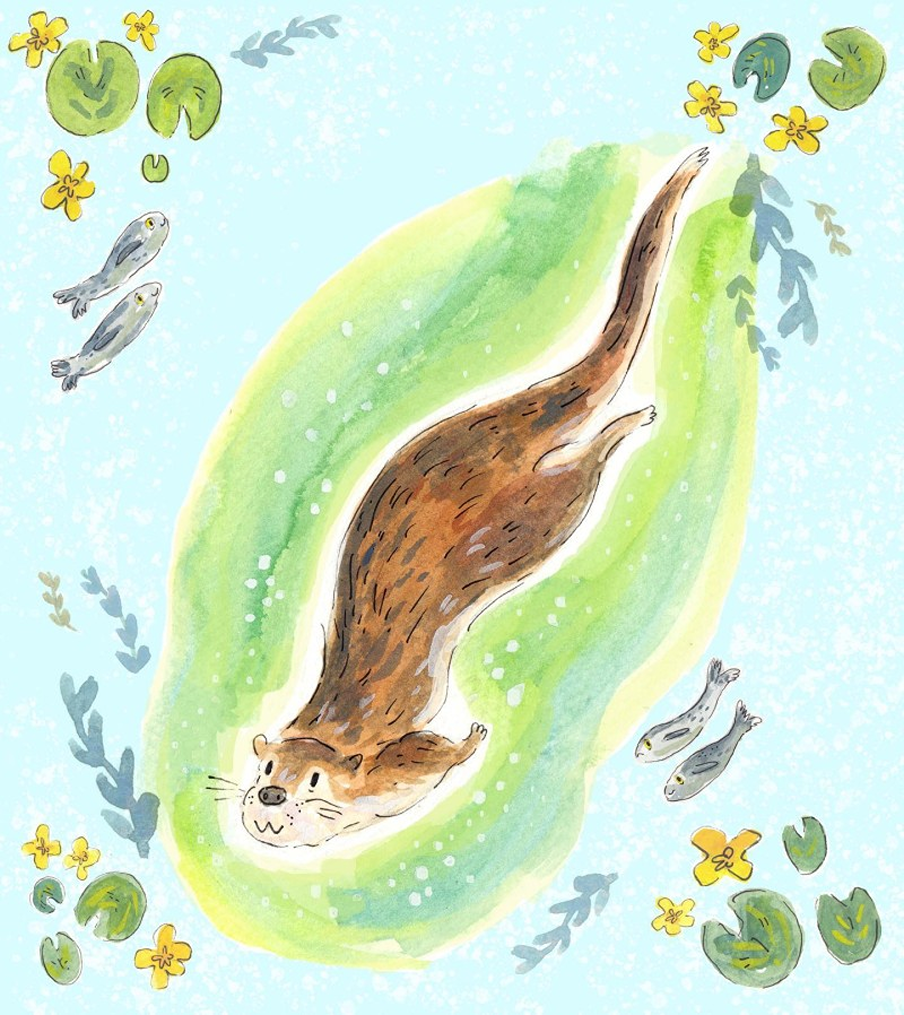
Chalk streams in England are unique and some of the world’s rarest habitats (we have around 85% of them worldwide). They have nutrient-rich water fed by chalk aquifers that provide vital ecosystems for brown trout, water voles and water crowfoot.
Most of the 300 or so chalk streams are in England, from the Dorset Downs to the Yorkshire Wolds. They start from springs in chalk aquifers, and are often called ‘England’s rainforests’. Yet many face threats from over-extraction of water, agricultural pollution and loss of habitat.
In history, they were used to power flour mills and used for watercress farming.
The (sometimes green) White Cliffs of Dover
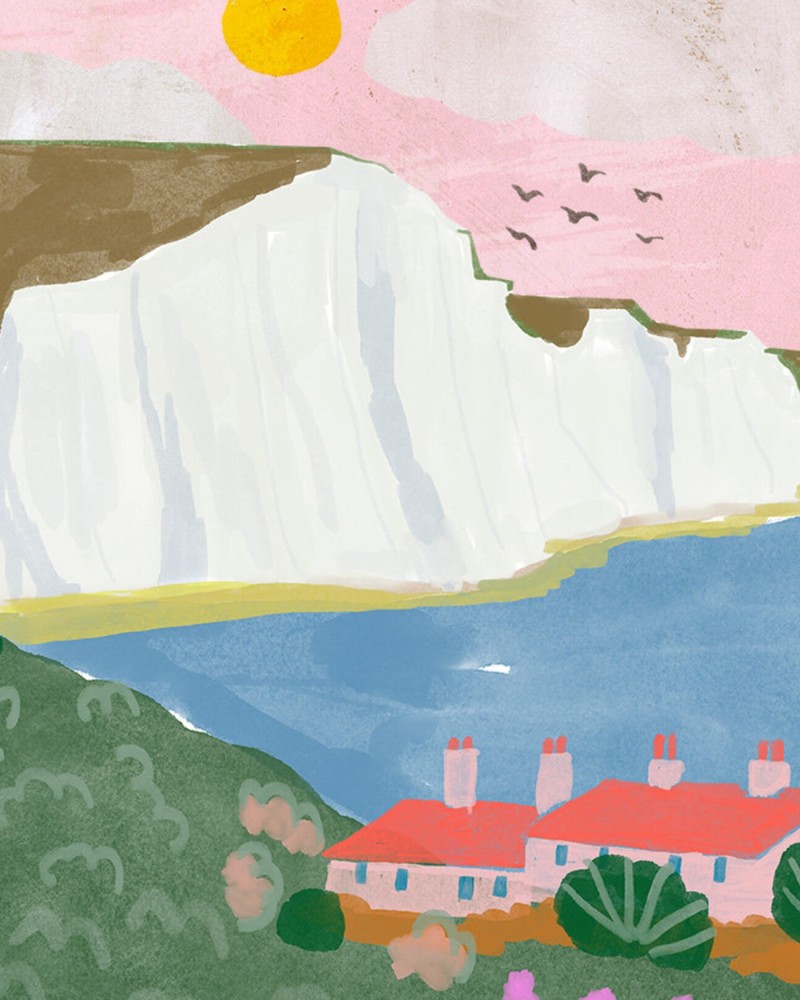
The White Cliffs of Dover are one of England’s most iconic landmarks, which you can see nearly all the way to France (just 21 miles) on a clear day, or from the ferry. The are white due to erosion of fine limestone, but in areas protected from erosion, plants grow on them, so they are green!
Mostly chalk, formed over millions of years from the remains of sea creatures, that settled on the ancient seabed. Pressed together over time, they became layers of soft pale rock. Running through the chalk are bands of flint, which close-up look like black or grey lines.
The cliffs are home to many unique plants and insects (like pyramidal orchids and chalkhill blue butterflies).
Out walking? Follow the Countryside Code to keep all creatures safe. Keep dogs away from steep banks, mushrooms (and other toxic plants/trees) and on leads during nesting season (and near barnyard friends and wild ponies).
At the coast, keep away from nesting birds and never walk on sand dunes. Learn how to keep dogs safe by the seaside (check beach bans before travel).
Stay on marked trails, as chalk edges crumble easily. Wear sturdy shoes and bring a windproof jacket. Keep dogs away from cliffs (The National Trust has tips to keep dogs, livestock and marine creatures safe, if visiting the area with your pooch).
No bluebirds on on the white cliffs!
Despite the iconic song from forces sweetheart Vera Lynn, there are no bluebirds over the white cliffs of Dover. At least none have ever been spotted, though many other birds have!
The tune had an anti-war message, looking forward to a day when there would be peace. Vera’s friend Harry Secombe joked that Churchill did not beat the Nazis – Vera ‘sang them to death!’ She lived to 103, spending her last days in the village of Ditchling, the highest point in East Sussex.
In 2009, feisty Vera took the BNP to court, for using her song on an anti-immigration album, without her permission. She was concerned this would link her name to far-right views. It later transpired that the party had not realised another song was by a black artist, and another by Jewish songwriter Irving Berlin.
Vera lost the case, as the song was by now in the public domain. A spokesman for the BNP said of our national heroine: ‘She can complain, but it’s not going to do her any good’. Charming.
From freshly fallen snow to fluffy clouds, white reminds us of nature’s calm moments. We have several white flowers like daisies, snowdrops and lilies. All are toxic to pets.
Other stunning nature in white
Even used sparingly, a little white is stunning – a rooftop covered with a blanket of snow softens sharp edges. Winter landscapes with frost feel like scenes from another world. Think of white sand beaches in destinations like the Seychelles or Maldives. The contrast against the blue is stunning.
Polar bears have white fur, so mothers can protect their cubs in the snow. The dazzling white of some butterflies can confuse predators, offering a split-second advantage for escape.Other white creatures in Arctic countries are snowy owls and Arctic hares (that change the colour of their fur in winter, to deter predators).
Birds like seagulls and swans showcase showcase feathers that glisten in the sun.