Crustacean Compassion: Help Crabs, Lobsters (and Octopus)
For generations, society has categorized animals into a hierarchy of empathy, placing warm-blooded vertebrates like mammals and birds at the top while largely overlooking invertebrates.
However, modern science has revolutionized our understanding of marine life, revealing that animals like crabs, lobsters, and octopuses possess complex nervous systems capable of pain, stress, and emotional states.
Crustacean Compassion (which campaigns to stop the sale of live lobsters and crabs) wants it to be illegal for non-trained people to kill them. They also want the end of selling live crustaceans in overcrowded tanks, and an end for langoustines (scampi) having tails ripped off (while alive) for industry.
It also campaigns to stop octopuses being eaten alive, and better welfare for squid (calamari) and cuttlefish – dried versions are used to entertain budgies).
Sign the petition to ask the government to act.
Neurological Evidence of Sentience
To understand compassion for crustaceans and cephalopods, one must examine their biology. For a long time, the commercial fishing and culinary industries operated under the assumption that animals without backbones could not feel pain due to their decentralized nervous systems.
Decades of behavioral and neurological research have debunked this myth.
- Crustacean Nervous Systems: Crabs and lobsters possess hundreds of thousands of sensory receptors. They actively avoid environments associated with electric shocks and can remember and learn to evade painful stimuli.
- Octopus Complexity: Octopuses possess roughly 500 million neurons, two-thirds in their arms. They exhibit remarkable problem-solving skills, use tools, and display individual personalities.
- The Stress Response: When subjected to trauma—such as being placed in boiling water or tightly bound—these creatures release stress hormones akin to the fight-or-flight response, accompanied by neurological activity indicating distress.
Ethical Implications in Culinary Practices
The treatment of crabs, lobsters, and octopuses in the global food industry frequently involves methods that cause prolonged suffering. Traditional preparation methods, such as boiling or dismembering these animals while they are still conscious, have faced growing ethical scrutiny.
Several progressive nations and regions have begun to enact legislative changes to protect these species. For example, countries like Switzerland and the United Kingdom have legally recognized lobsters and octopuses as sentient beings, banning the practice of boiling them alive without prior stunning.
Sideways Steps, Deep Feelings: Crabs
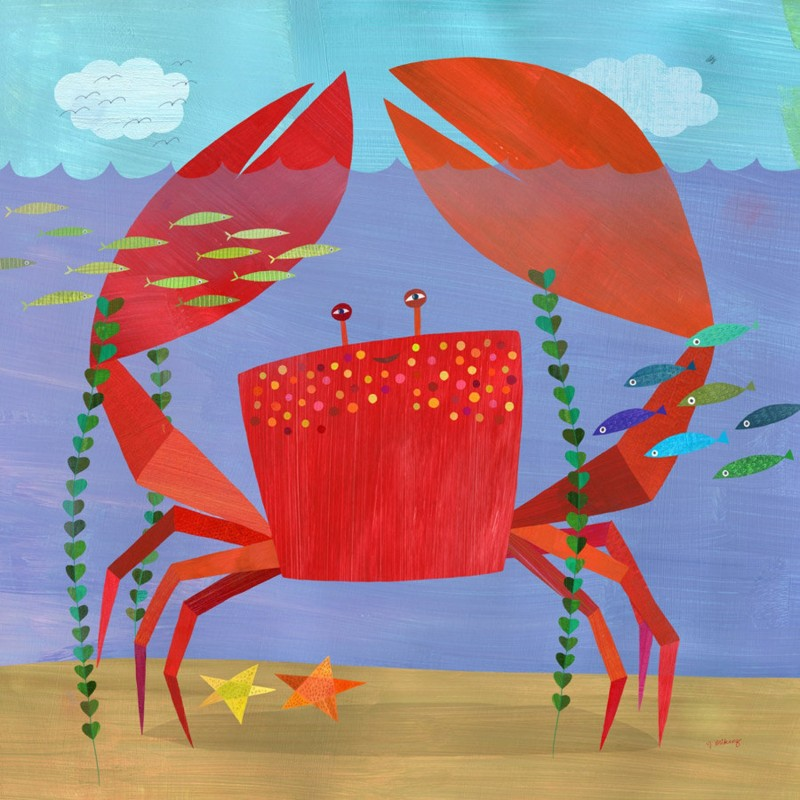
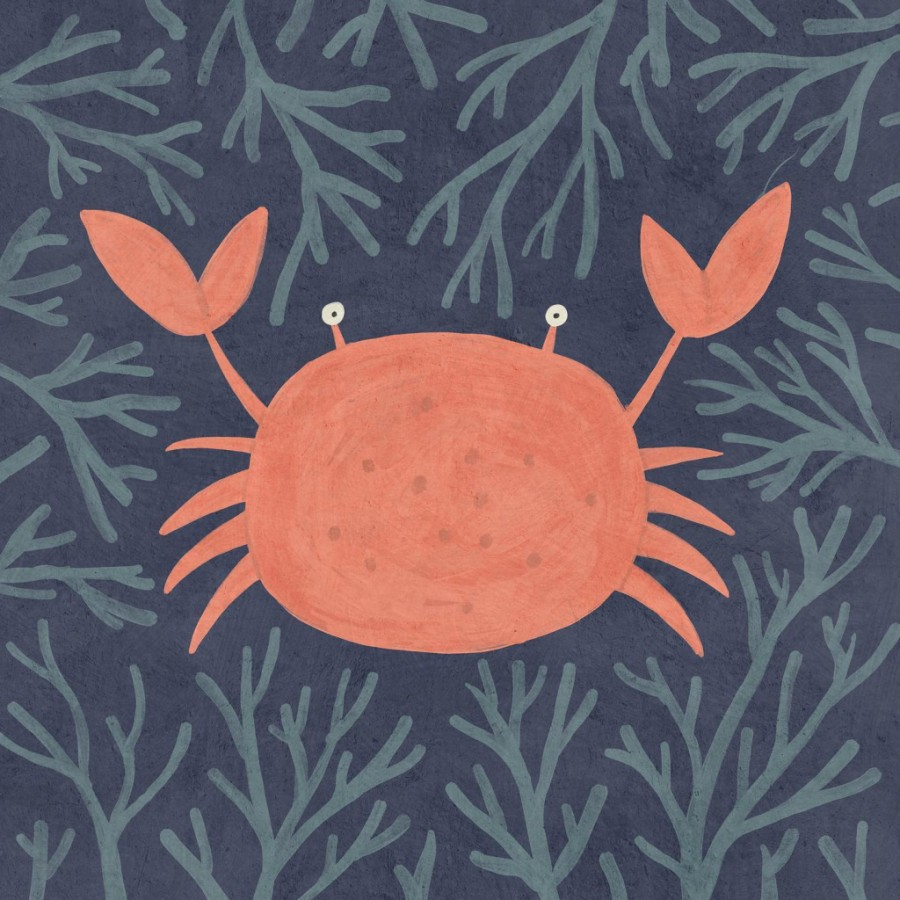
Crabs are super-cute creatures who walk sideways with their 10 legs, but are able to walk in all directions. They communicate by drumming and waving their pincers and have 360 degree vision, so can see in all directions.
Like other crustaceans, crabs have a central nervous system, which means they can feel pain, so don’t let those who sell or cook them tell you otherwise. It’s been proven that declawed crabs try to shield and nurse their wounds.
Hermit Crabs and the Cost of Litter
Hermit crabs rely on empty shells for homes. So today many are climbing into bottle tops and other rubbish. Volunteer beach cleans remove deadly litter, meaning hermit crabs and other coastal animals stay safe.
Many Crabs Get Hurt During Crabbing
Crabbing (catching live crabs in buckets to show children, then releasing them) is not as harmless as it sounds. Many suffer from over-crowding, poor water quality and long exposure to the sun, when out of the water.
Many also get injured or killed, others forgotten or left behind. Teach children about nature instead. And leave crabs in their watery homes.
Plant-Based Alternatives to Crab
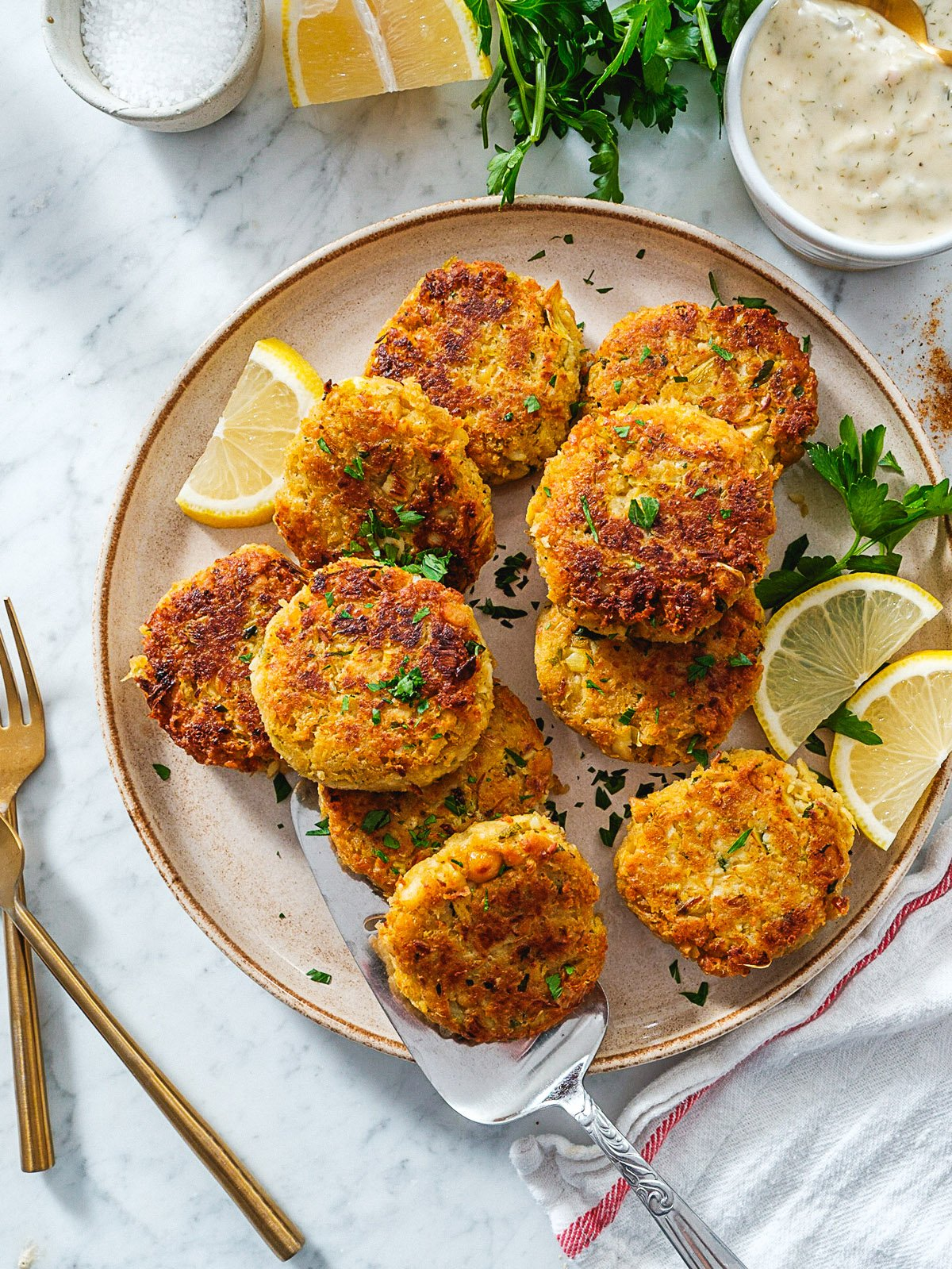
These vegan crab cakes (A Couple Cooks) use hearts of palm with old bay spice (multi-stemmed hearts of palm are more sustainable than single-stemmed – or sub with local canned artichokes).
Avoid seaweed for thyroid/iodine issues. Bin pepper and allium scraps (onion, leeks, garlic, shallots, chives) if you don’t have a food waste bin, as acids could harm compost creatures.
For tinned ingredients, remove lids (pop ring-pulls over holes). And step on upper cans to ‘pinch’ rims together, to avoid trapping wildlife.
Sensory Wonders of the Deep: Lobsters
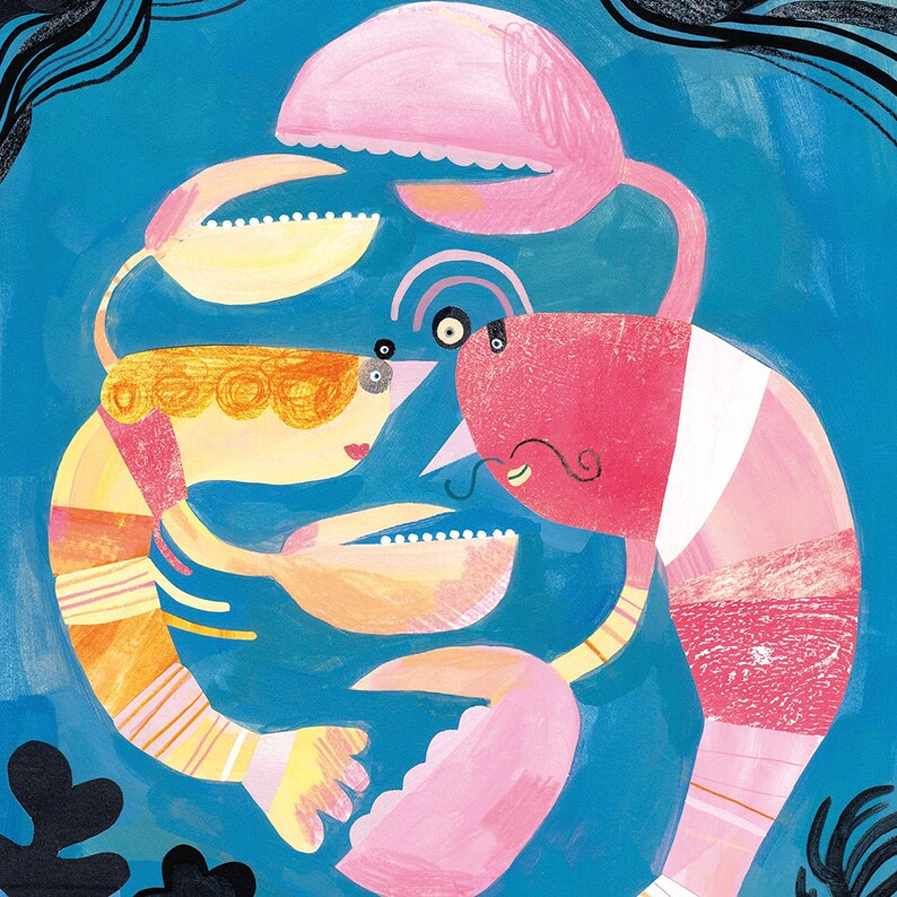
Lobsters are huge creatures (they are blue, only orange when people cook them) that live for up to 100 years in the wild (when not eating each other, they do have cannibal tendencies). They also keep the ocean clean, eating leftover fish, and help control sea urchin numbers.
Lobsters are mostly solitary – but spiny lobsters ‘hold hands’ while migrating across the ocean!
Freezing them while alive or stabbing in the head are not acceptable humane ways of cooking. They also struggle terribly, when cooked alive in boiling water.
To release a tanked lobster safely would require a lot of thought and skill. The rubber bands would have to be cut off with scissors (so the lobster could defend itself and catch food), then it would have to be known whether the lobster was freshwater or saltwater.
Then it would have to be released into the correct native marine temperature and salinity, and gently released by hand to the ocean floor, from a damp cool container within hours or being caught.
Plant-Based Alternatives to Lobster Meat
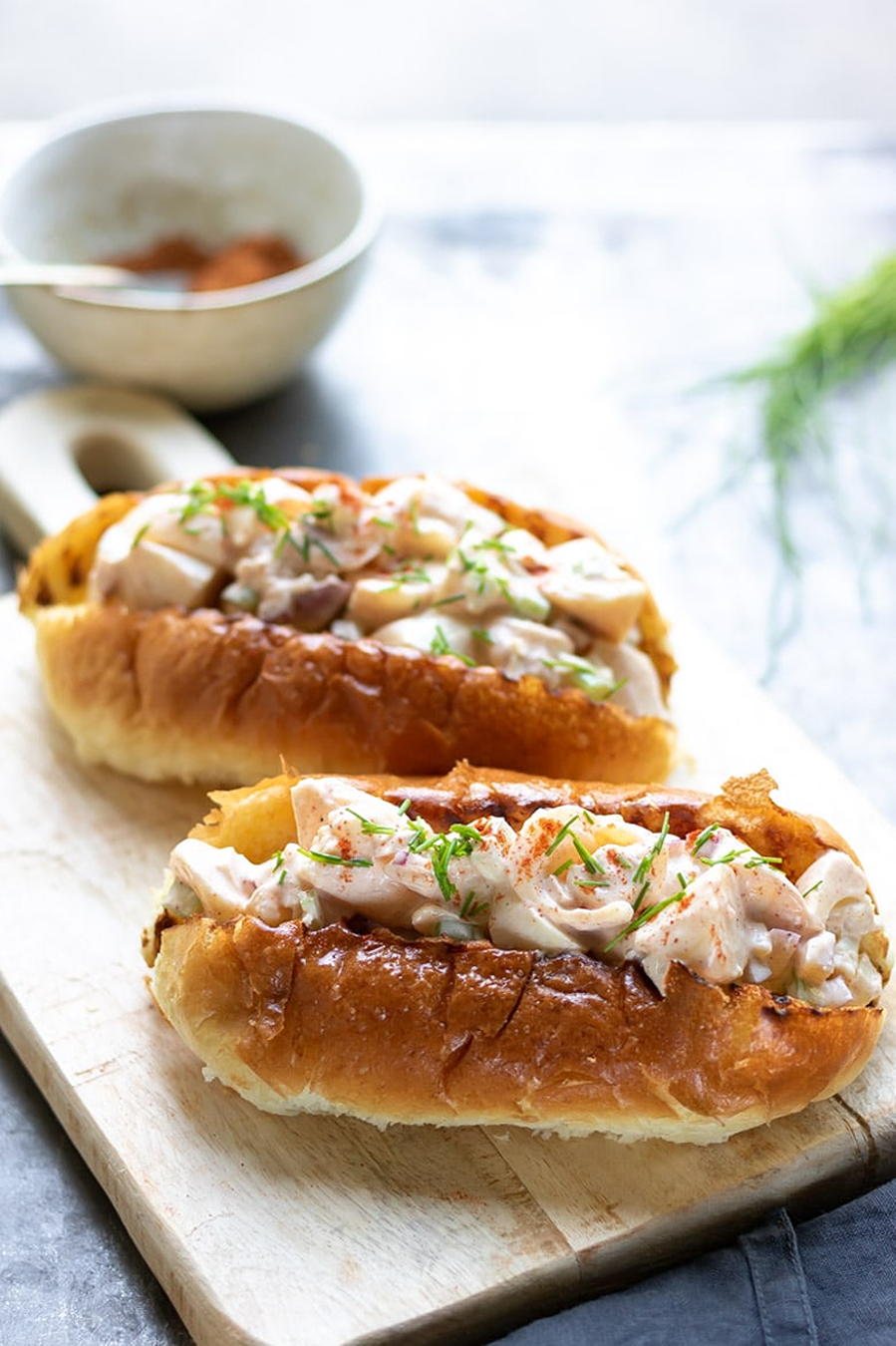
This vegan lobster roll (Veggie Desserts) is made with hearts of palm (or use canned artichokes) along with celery, red onion, lemon juice, chives and Old Bay Season with vegan mayo.
Eight-Legged Einsteins: Octopuses are Smart!
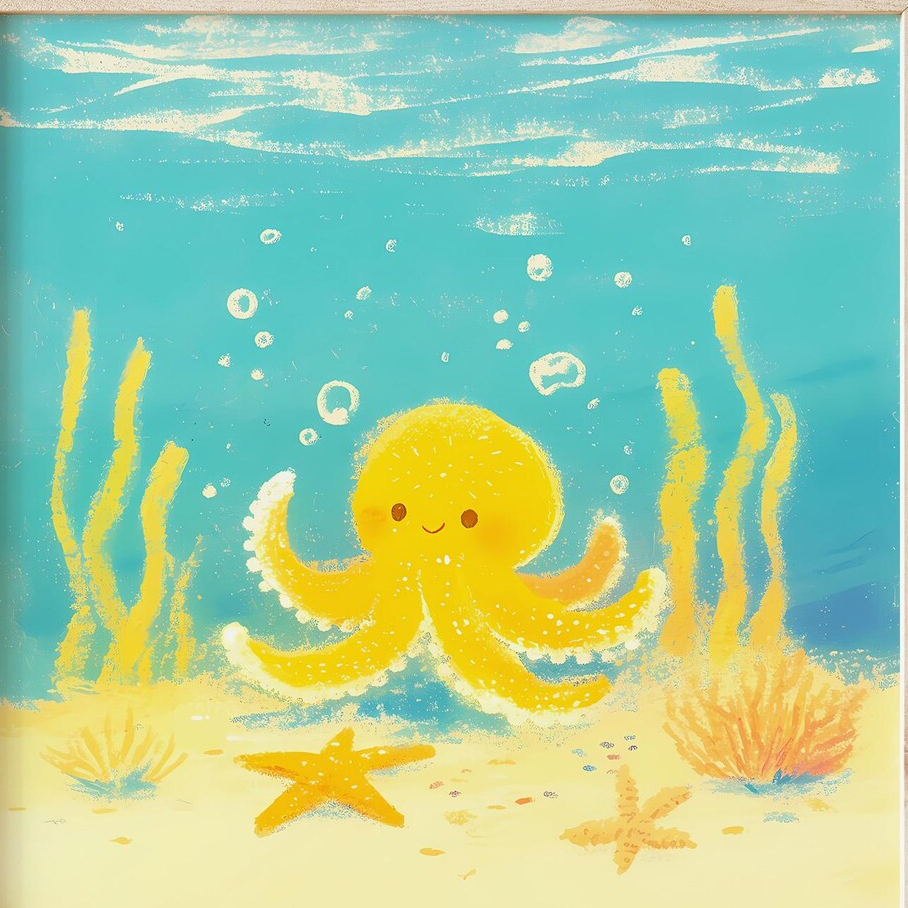
The Octopus (the plural is octopuses or octopi) is one of the world’s most fascinating creatures. These ‘intelligent aliens’ have eight arms, three hearts, and can sense light with their skin!
They use black ink to inject prey (mostly crabs). And have such good memories that one stranded octopus returned the next day to thank holiday makers for putting him back in the water and saving his life!
The common octopus found off England’s shores has a brain-to-body ratio that means it’s more intelligent than your average brainy dog. Two thirds of this creature’s neurons are in the arms, so they ‘think for themselves’, reacting to touch and taste, without waiting for orders from the brain!
Related to squid and cuttlefish, they can even change colour and texture, to match their environment. And when danger lurks, they can therefore vanish in plain sight. Octopuses zoom around the sea, powered by shooting jets of water.
Yet many end up in aquariums. One did not like a volunteer, and would shoot water at her, when she visited. She left and returned months later. The octopus took one look at her, and squirted water at her again.
The sad end for all females is that they die after giving birth. They simply stop eating, after the eggs have hatched. This is believed to be a selfless act, to stop hungry mothers eating their young.
Compassion in World Farming has a free report to download (in several languages) on reasons why factory farming of octopuses should never be allowed. These include being solitary by nature, being carnivorous (they would eat each other), and little known of their welfare needs.
In the US, Washington State has become the first place worldwide to place a ban on octopus farming. Again beach cleans are good, as octopuses are so intelligent, so will investigate fishing nets and other marine litter.
Make Or Buy Vegan Calamari (squid)
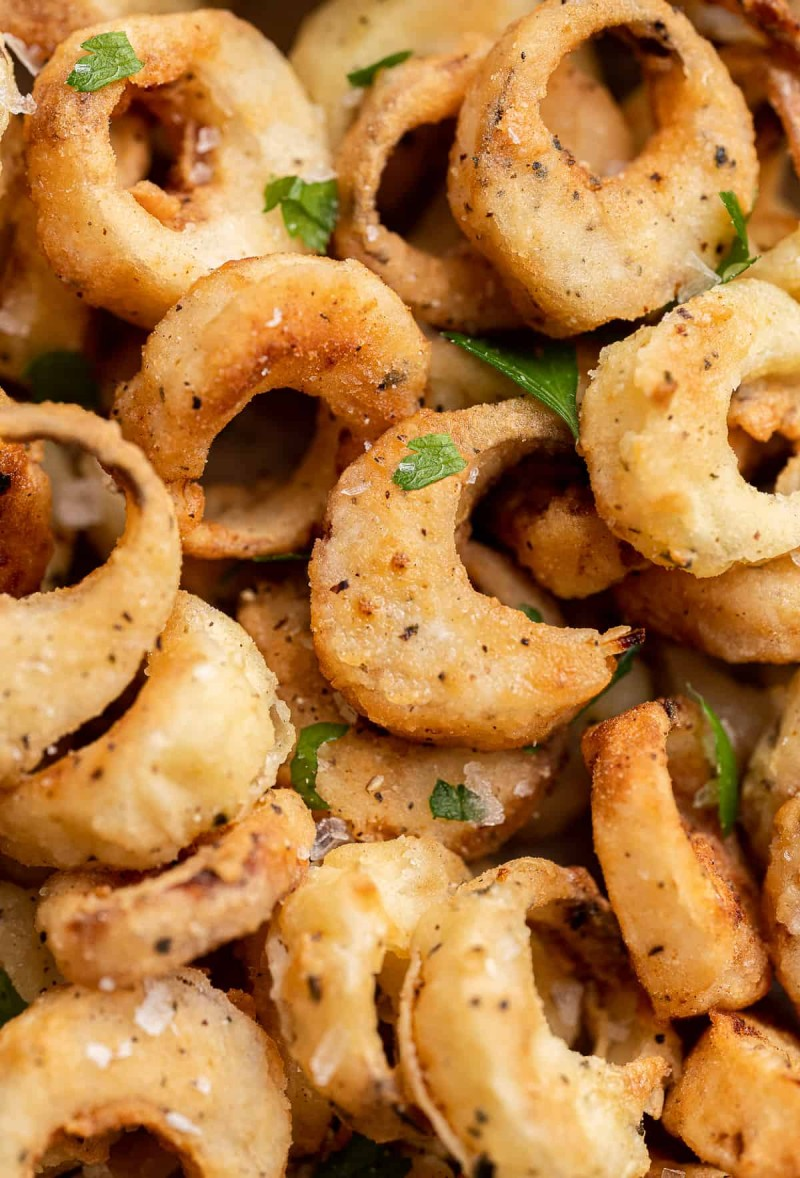
- Try this recipe for vegan calamari with garlic aioli (A Pinch of Parsley).
- Revo Foods (Austria) makes ‘vegan octopus’ using fungi protein.
- Look in stores for Nature’s Charm Calamari, a tinned food made with mushrooms, capers, seaweed and salt. Or Happiee! Breaded Vegan Calamari or Squidiee Rings!