Derby (England’s oldest park & smallest cathedral)
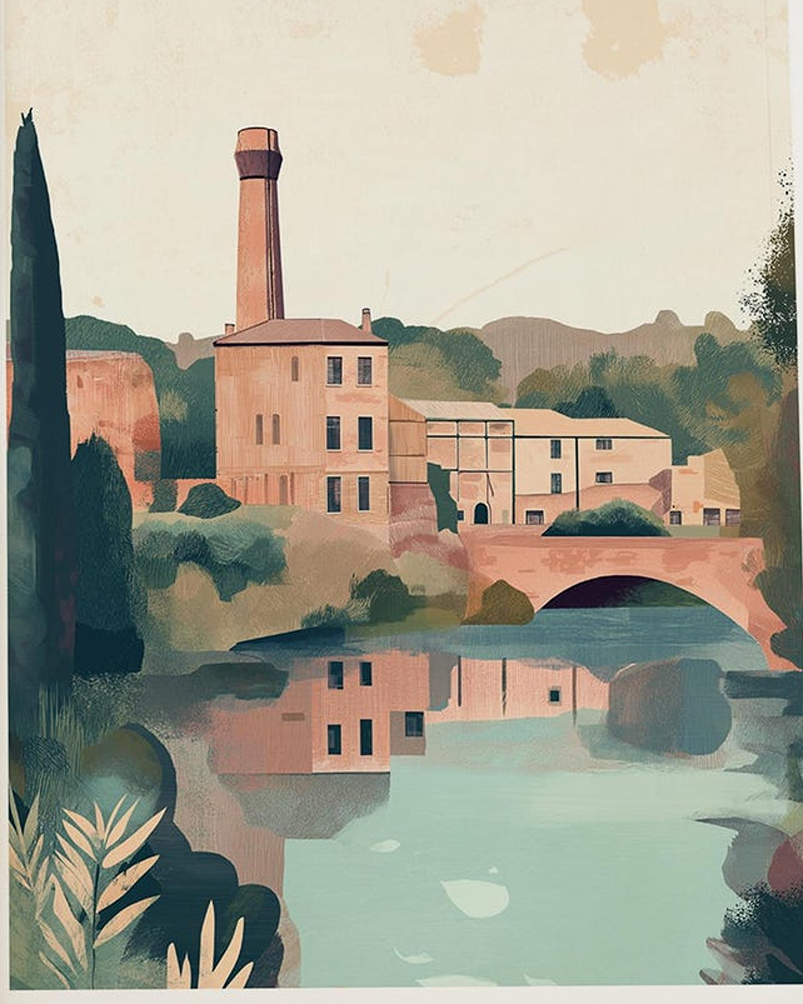
Derby city has around 260,000 people, which is smaller than most cities. It’s also home to England’s smallest cathedral. With a strong history of cotton mills and railways, it’s base on the River Derwent made it a core contributor during the Industrial Revolution.
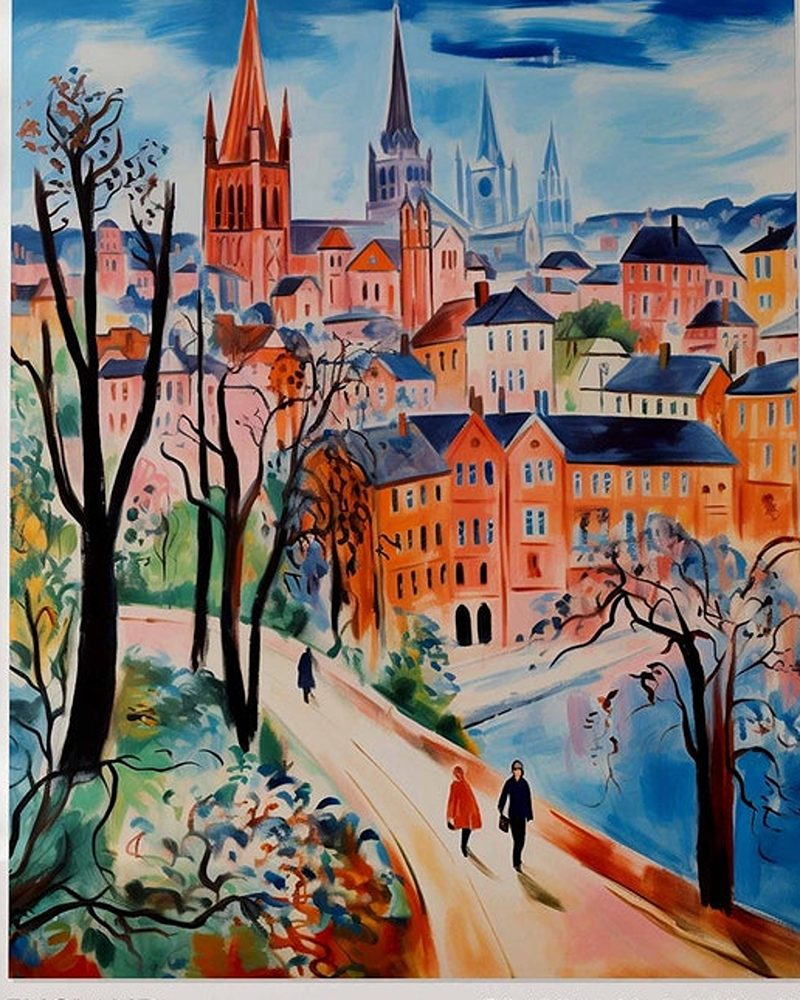
Derby fits two very different landmarks into one easy city visit. On one side, there’s a calm green space with deep Victorian roots. On the other, a compact cathedral that sits lightly in the city centre.
Out walking? Follow the Countryside Code to keep all creatures safe. Keep dogs away from steep banks, mushrooms (and other toxic plants/trees) and on leads during nesting season (and near barnyard friends and wild ponies).
England’s oldest public park
Derby is also home to England’s oldest public park. The Derby Arboretum, opened in 1840, and inspired city parks across England.
The Victorian style park has an interesting history. It opened in 1840 with a strong civic purpose of providing green space for everyone, and even today still carries a Victorian sense of order with paths and open lawns for rest, and mature trees for quiet walks.
Derby Cathedral (small but big in history)
Derby Cathedral became the seat of the Diocese of Derby in 1927. Because of that, it differs from cathedrals built on a grand medieval scale. The building feels closer, simpler, and more immediate.
Its tower, however, gives it a stronger presence than the footprint suggests. Rising above the city centre, it helps fix the cathedral in Derby’s skyline.
Derby Cathedral does not overwhelm, and that’s part of the point. Some cathedrals impress by sheer size. This one draws you in by atmosphere. The interior often feels calm and personal.
The tower adds another layer. Derby Cathedral is well known for its peregrine falcons, which have nested there in recent years. That gives the site a slightly unexpected edge, a bit of urban wildlife against old stone.
Joan Waste (standing by faith)
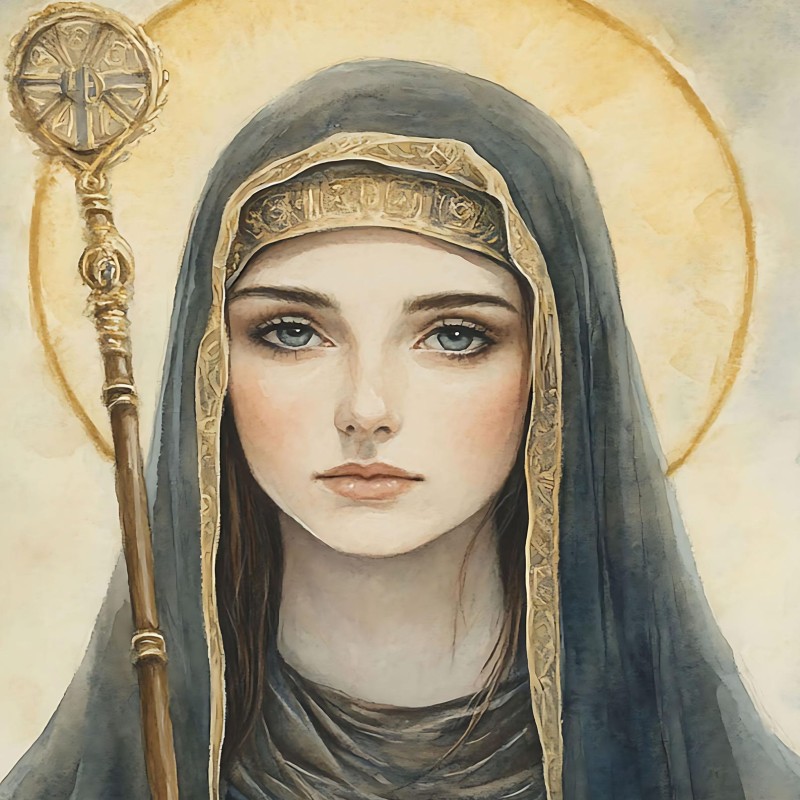
Blind from birth, Joan Waste lived in the mid-1500s and worked as a rope maker. She wanted to read the Bible in English (not legal at the time) and so with help had words read to her.
Refusing to give up her faith, she was burned at the stake in Derby in 1556, just 22 years old. A plaque in her memory can be found near Derby cathedral.
Richard Bell (a real ‘MP for the people)’
Another local was Richard Bell, a railway worker who became one of England’s first Labour MPs, in the day when they fought for the common man.
He was a contemporary of Keir Hardie, who famously predicted the abdication of Edward VIII. And was shut down, for asking that parliament add an obituary to the miners who died in a colliery accident, on the day celebrating the new prince’s birth.
A city full of creative talent
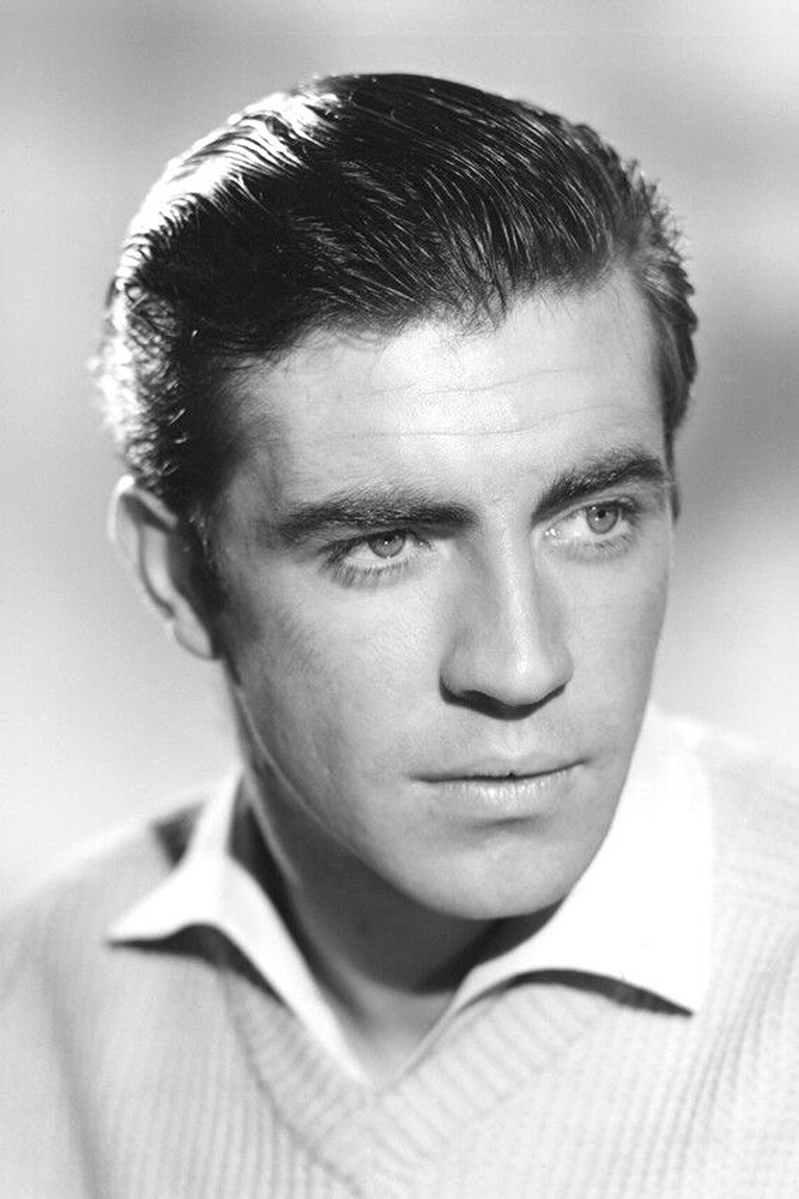
The actor Alan Bates was from Derby. Best known for his performance in the film Whistle Down the Wind (which starred Hayley Mills, the script written by her mother Mary Hayley Bell).
It tells the story of three children who come across an escaped convict hiding in their barn. When they ask ‘who are you?’, Alan Bates’ character says ‘Jesus!’ in shock, so believing him to be Him, they bring him food and ask him to preach to them. It’s a wonderful film, and well worth watching.
Just like New York had its own centre of performing arts that inspired the TV series Fame, Saint Benedict Catholic Performing Arts College stands out for anyone who wants to shine on stage or behind the scenes.
Its motto is:
Be who God meant you to be, and set the world on fire!