Dorset’s Beautiful Beaches: The Jurassic Coast
Dorset is blessed with some beautiful beaches. So if you visit, always leave no trace, and go away with just footprints left behind. Take litter home with you until you find a bin or recycling bin.
At the coast, keep away from nesting birds and never walk on sand dunes. Learn how to keep dogs safe by the seaside (check beach bans before travel).
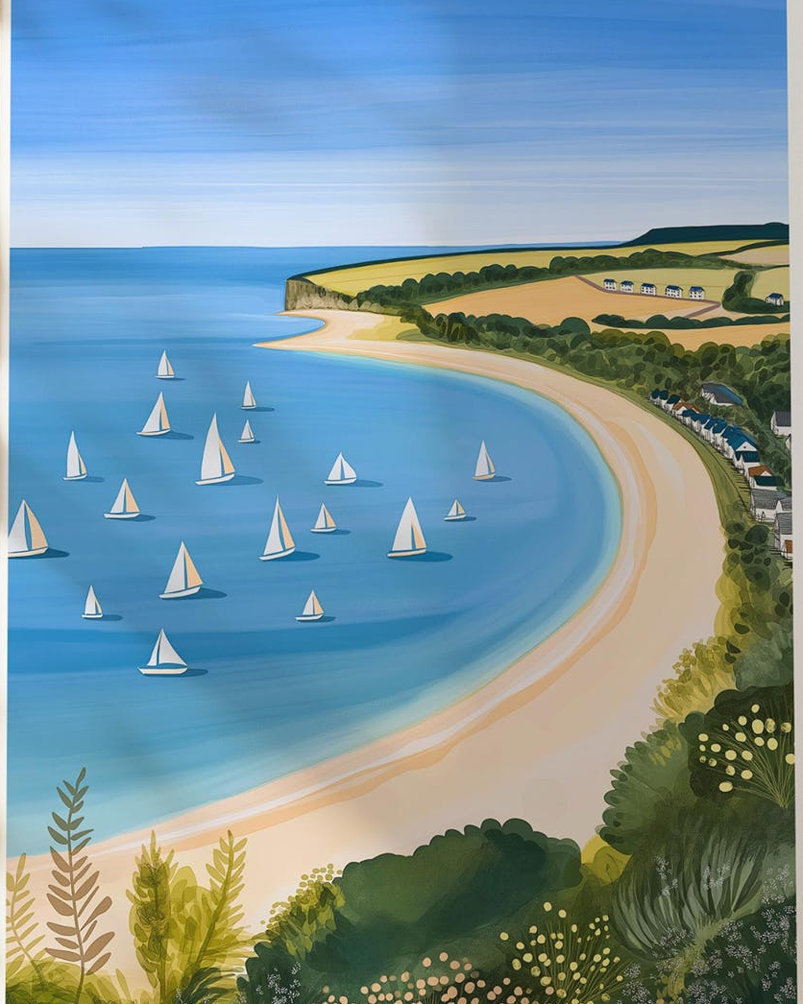
Studland Bay is a coastal area owned by the National Trust on the Isle of Purbeck in Dorset. Known for its four miles of sandy beaches, it also features extensive sand dunes and heathland. And is renowned for its rich wildlife including all six native British reptile species.
Of course, its main risk is over-tourism, the site receiving 25,000 visitors on some summer days. So if you visit, always take your litter home with you, and avoid disturbing any wildlife.
The beach is dog-friendly, visit the National Trust site to learn more on any seasonal bans and rules to keep them and wildlife safe. Keep you and dogs away from nesting birds and never walk on sand dunes. Learn how to keep dogs safe by the seaside (check beach bans before travel).
Dog-Friendly Cornwall has tips on when to avoid walking near basking adders (‘safe hours’ were before 9am and after 7pm). But rising temperatures means times may change. Adder bites need emergency vet care (read more on how to avoid & treat adder bites).
The bay consists of four main sandy beaches:
- Shell Bay
- Knoll Beach
- Middle Beach
- South Beach
Behind the beaches lies a National Nature Reserve, with rare habitats that are home to smooth snakes, sand lizards and wild birds. The eastern edge of the bay is home to Old Harry Rocks, marking the start of the Jurassic Coast World Heritage Site.
Access to Studland Bay is via the Sandbanks Chain Ferry, from Poole or Bournemouth. It’s also a prime spot for boating, so read up on how to be a sustainable sailor! And never use jet skis, as can disturb or harm birds and marine mammals.
If you visit Knoll Beach, you’ll be going without clothes, as it includes one of the most popular naturist beaches in England, within a 1km area.
Durdle Door (a natural limestone arch)

Durdle Door is a natural limestone arch on Dorset’s Jurassic Coast, formed around 10,000 years ago, when the power of the sea erosion pierced the local. This 200-foot tall arch is named after the old English for ‘thirl’ which means ‘piercing door’.
Uniquely, despite being a World Heritage Site, the arch is still owned by a private family, who own the local Lulworth Estate. Durdle Door is one of the rare places not owned by the National Trust. Instead, it’s still owned by a private family. Who have given over 30 percent of their estate for wildlife, where it homes around two-thirds of England’s rare butterflies, including Lulworth Skippers.
The sad news is that coastal erosion means that the hard Portland limestone is gradually wearing away, and it’s thought that the roof of the arch may collapse within the next 100 years.
Lulworth Cove (a pretty horse-shoed bay)
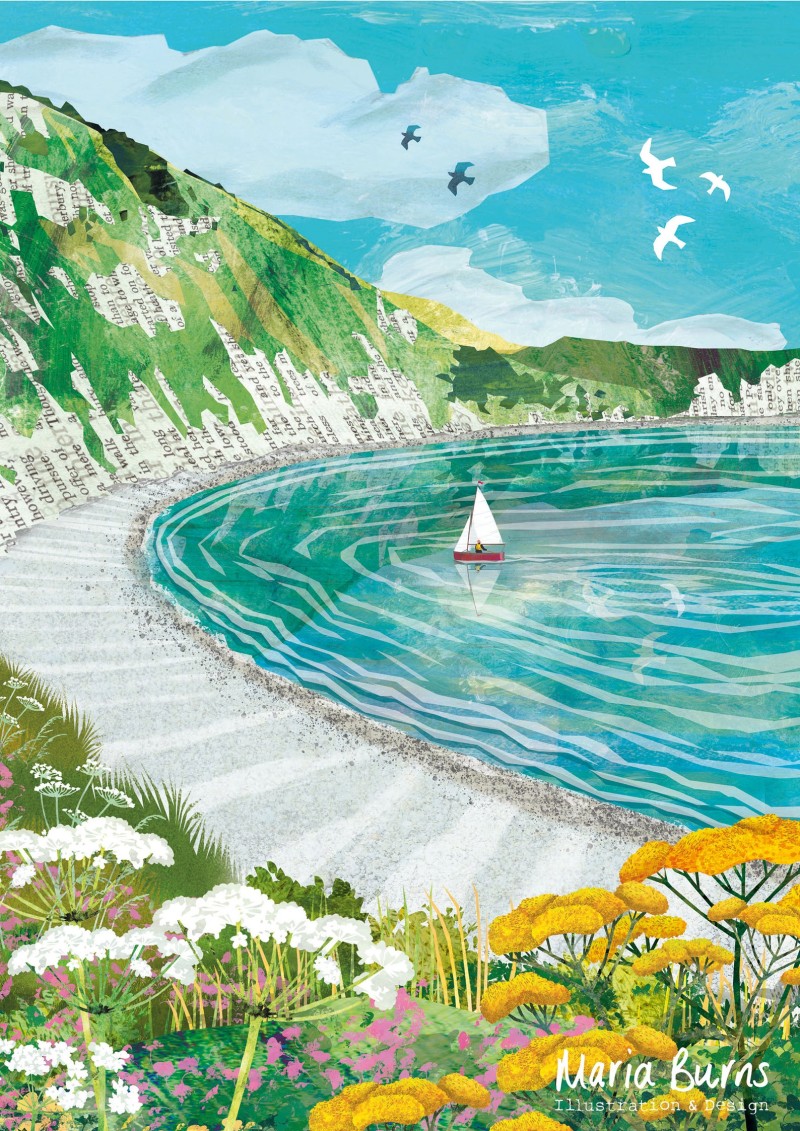
Lulworth Cove is known the world over for its perfect horse-shaped bay, formed by unique coastal erosion of local limestone and clay. It’s a key part of Dorset’s Jurassic Coast.
The cove features a rock formation and fossil forest, and was formed during the last Ice Age, where the sea broke through a thin layer of hard Portland stone, and quickly eroded the softer clays behind it.
Unfortunately part of the surrounding land is owned by the Ministry of Defence and used for tank training. Causing wildlife disturbance to this one-mile tiny island.
Bouremouth (one of England’s most popular resorts)
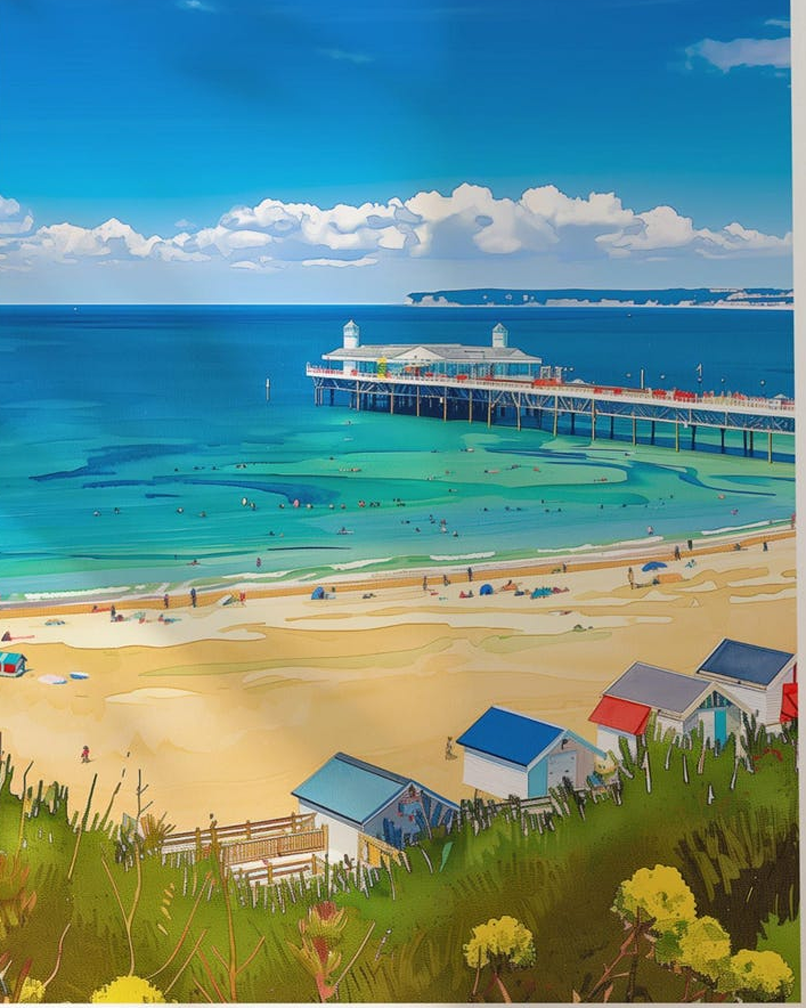
Bournemouth is a south coast holiday holiday resort, known for its wide sandy beaches and pretty beach huts. Alas the town is one of the few seaside resorts that still offers donkey rides for children. Unlike abroad, donkeys here are inspected for welfare, but most parents now are choosing to move on from donkey rides.
Bournemouth like many seaside towns, has a big problem with homelessness. Local shops can help by purchasing BillyChip, that people can buy and give to local people, to pay for a hot drink and food (and pet food), without giving cash. Also read how to help dogs of homeless people.
Sitting alongside 7 miles of sandy beach, Bournemouth pier is one of England’s busiest. This Victorian landmark offers stunning views of the Isle of Wight and Old Harry Rocks on a clear day. The wood replaced by iron in 1866, after an infestation by naval Teredo worms.
Old Harry Rocks (chalk formations on the Jurassic coast)
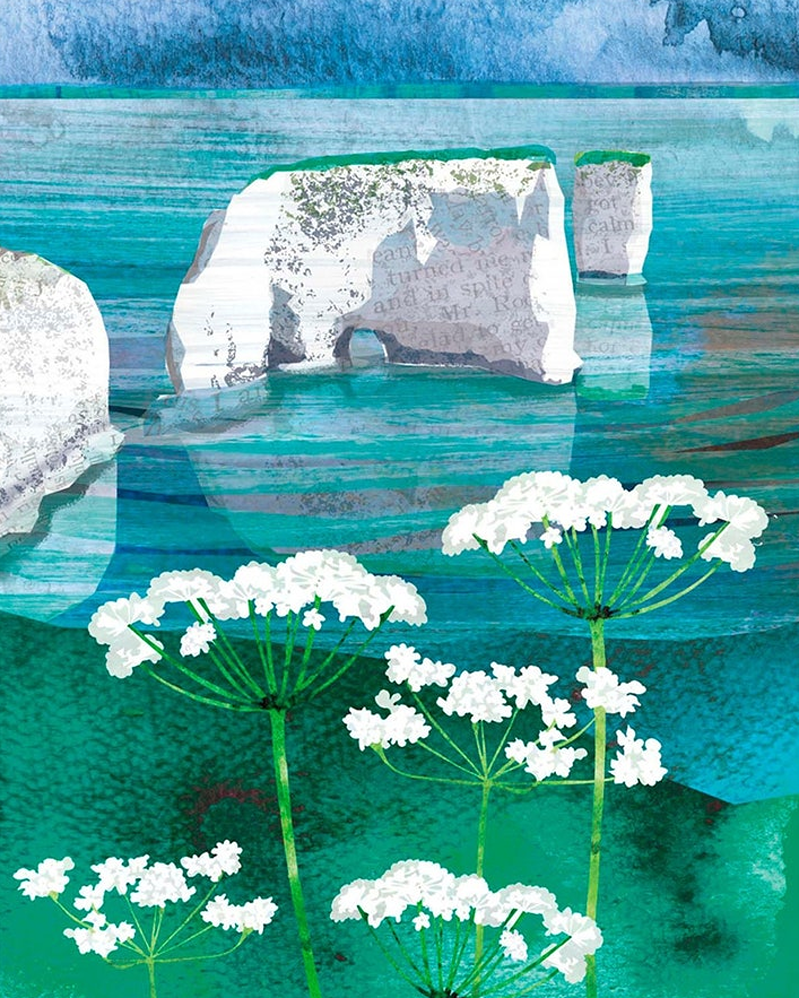
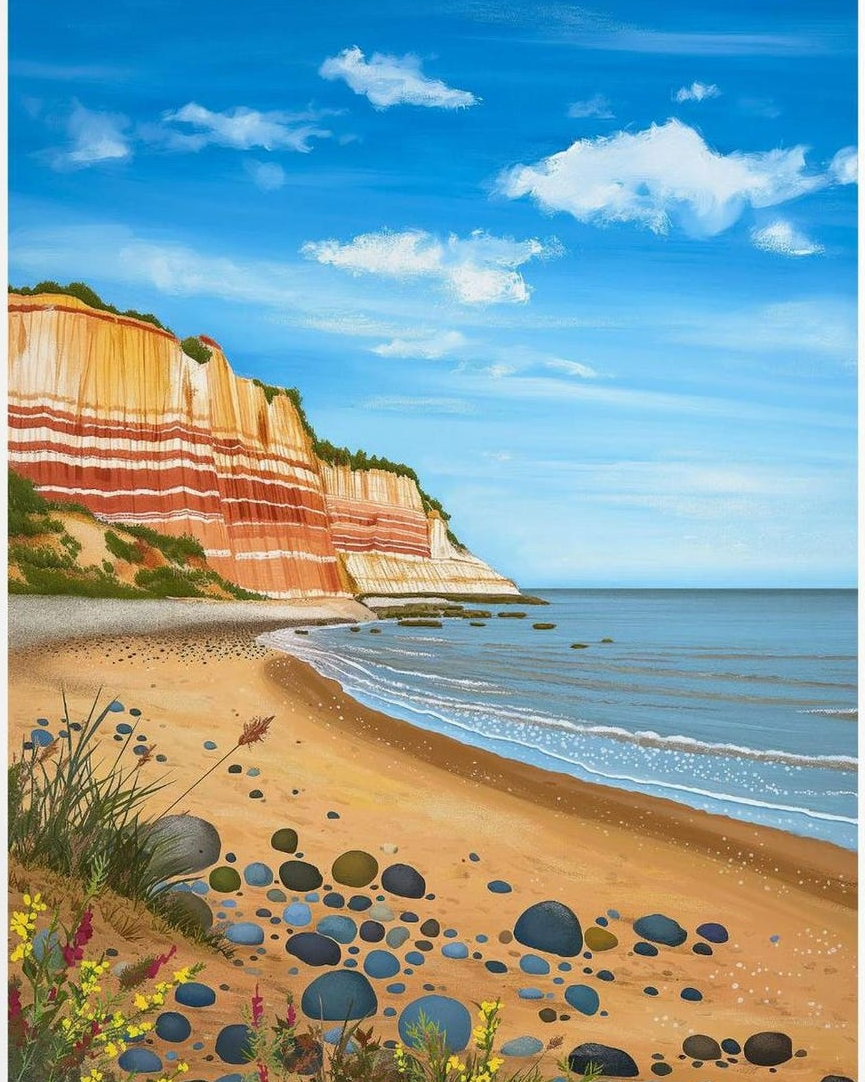
Old Harry Rocks are a set of chalk formations on Dorset’s Jurassic Coast, formed around 65 million years ago. Now owned by the National Trust, they once were part of a chalk ridge that connected Purbeck to the Isle of Wight, before breaking becoming separated, due to coastal erosion.
Situated at Handfast Point (near Studland and Swanage), the rocks form a stunning highlight, for anyone walking the South West Coast Path. From these rocks you can see The Needles (a set of tall chalk rocks on the Isle of Wight), again one of these collapse in a storm, and fell into the sea.
The chalk is actually made from compacted skeletons of microscopic plankton, that lives over 65 million years ago. Today the rock constantly change form due to waves and water, which force air and cracks into the chalk).
No-one is sure who ‘Harry’ was, but until 1896, ‘Harry’s wife’ (a stack nearby) also stood. But collapsed into the sea (again due to coastal erosion), leaving behind just a stump.
Poole Harbour (home to wading birds)
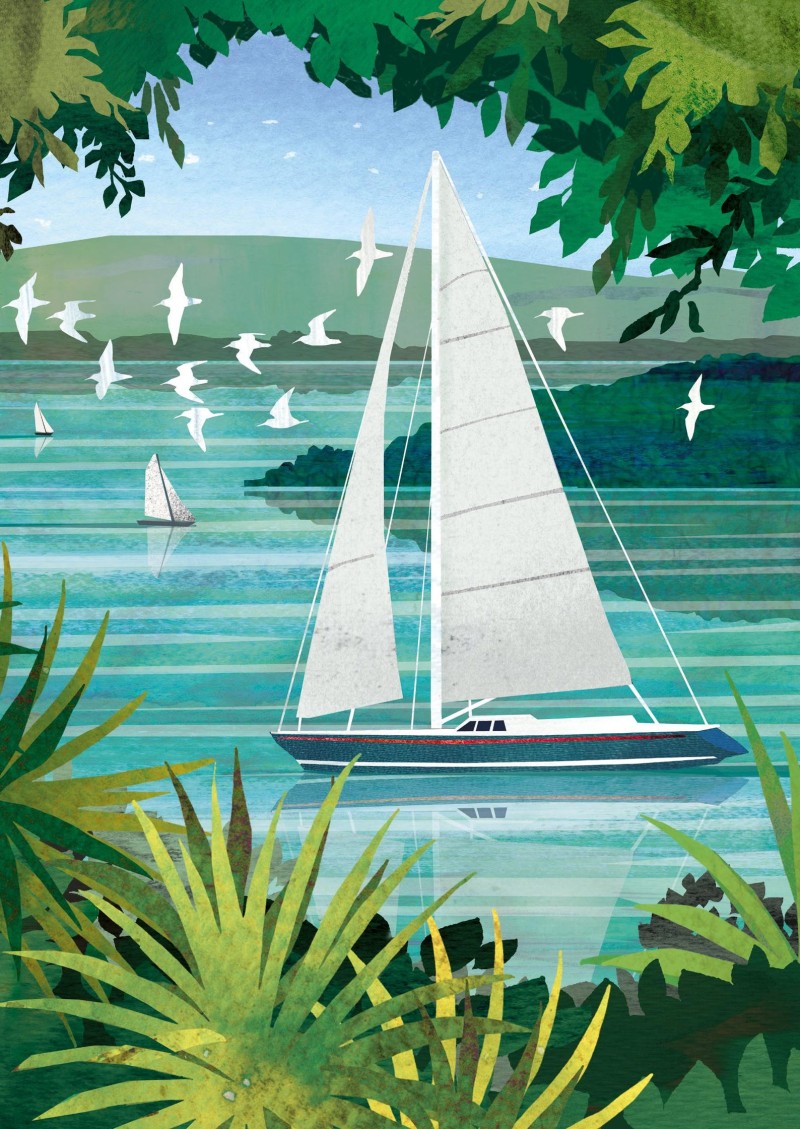
Poole Harbour in Dorset, is one of the world’s largest natural harbour in Europe (a close all with Cork in Ireland) and only surpassed by harbours in Sydney (Australia), Kapiara (New Zealand), Halifax (Canada) and Port of Trincomalee (Sri Lanka).
It features a 143 km shoreline and is remarkably shallow, with an average depth of just 48 cm. The harbour covers around 15 square miles.
The nearby wetlands are also home to thousands of wading birds including avocets (the symbol of the RSPB with their upturned beaks) and egrets (similar to herons but smaller). Keep at least 100 feet away, as flying off wastes energy that is needed for feeding.
The underwater seagrasses also support a massive ecosystems to provide food for wintering geese. Seagrass meadows also provide vital habitats for endangered sea turtles and seahorses. Advanced mooring systems has developed an alternative to boat anchors, that is safer for marine wildlife.
The island is a haven for endangered red squirrels (due to having the right habitats, this is how to save them, by providing native trees for food and shelter, and therefore good immunity). Read how to help both red and grey squirrels.