Durham City (a hilly city with an environmental saint)
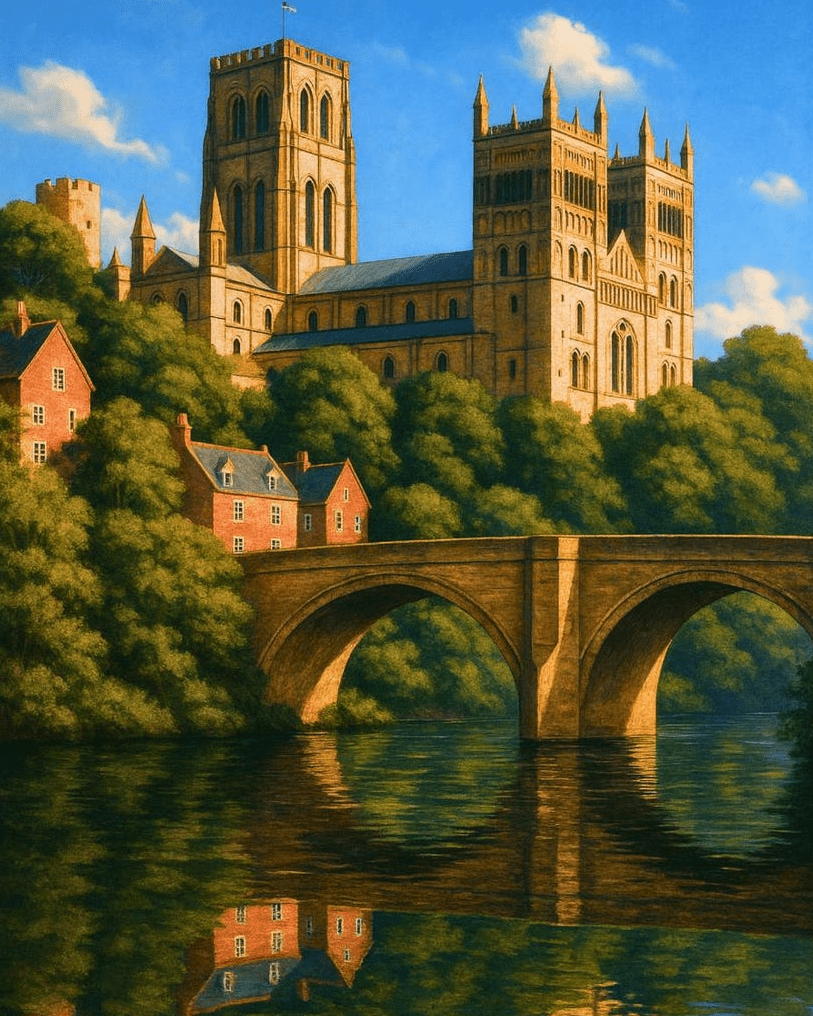
Durham City is located in northeast England, so like all cities here, bring an extra jumper. It’s chilly in these parts, as all of the north east kind of sits on the same latitude as Scandinavia (it’s only England’s Gulf Stream that warms things up a bit).
The city folds around the River Wear, with the cathedral dominating the bridges, hills and lanes. Speaking of which, there are lots of hills, and most are very steep.
A steep city built on seven hills (like Rome!)
Durham is very hilly, so best for fit people! Durham Pointers has notes on accessible places for seniors, disabled travellers and people in wheelchairs.
Each hill even has its own name and shape:
- Cathedral Hill (Palace Green): Includes the castle
- Windy Hill: Known for its sweeping outlooks across the city
- Mount Joy: A leafy rise, popular with students and walkers
- Whinney Hill: Edged by college buildings and family homes
- Claypath Hill: Where the old main road leads into town
- Gilesgate: Now a busy suburb, once a key entry into Durham
- Crossgate: Old streets lining the slopes across from the castle
Durham Cathedral and the story of St Cuthbert
Even if you’re not religious, Durham Cathedral tends to win people over. The outside has a solid, guarded look, a key example of Romanesque architecture. This means stone, round arches, and a sense of weight. The massive pillars and round arches dominate the space, with carved patterns and a strong sense of scale.
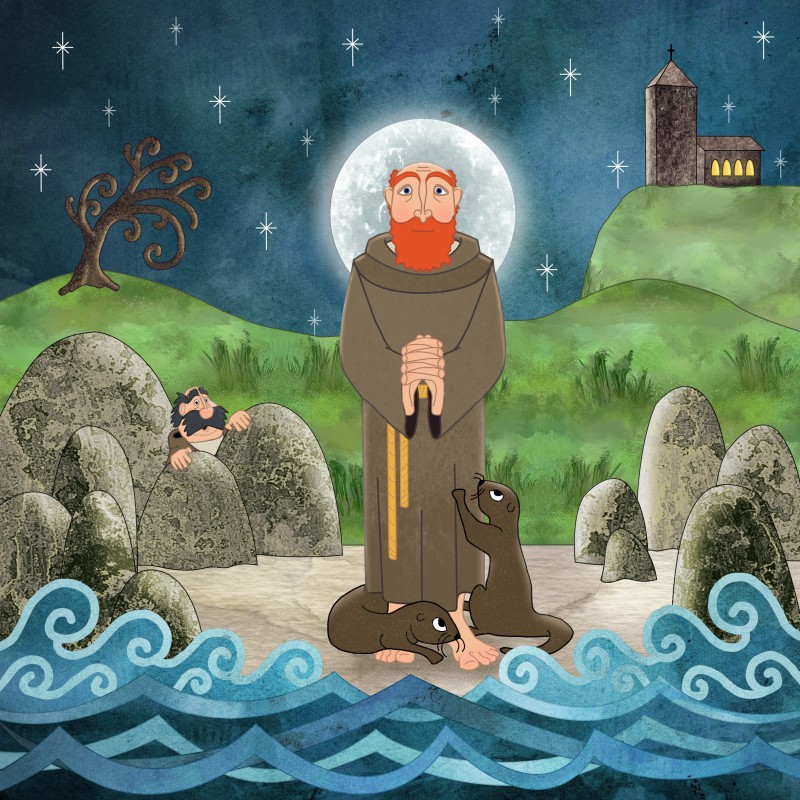
St Cuthbert was a revered northern saint, remembered for his life as a monk and bishop. He was also known as the ‘first environmentalist saint’ who campaigned for the welfare of eider ducks whilst living on the Farne Islands (there is a legend that otters used to dry his skin with their fur, after he had gone wild swimming!)
And that he became a monk after witnessing angels carrying St Aidan (the monastery’s abbot) to Heaven. After he died, St Cuthbert’s body was taken back to Lindisfarne, where the many claimed miracles at people who prayed by his grave, led to him being declared a saint.
He is buried in Durham cathedral, which is why it remains a pilgrimage destination today for many Roman Catholics and those on the Northern Saints trail.
Durham and the roots of English mustard
This popular condiment was created in Durham City, by Mrs Clements. When she decided to grind mustard seeds into flour, at a mill on Sadler Street in 1720.
In the early 18th century, Durham became the site of the first mustard mill in England. Before this, mustard was sold in rough, whole seeds, which people ground at home.
Durham in hard times (the great depression)
Like many places in the North, in the 1930s people in Durham suffered during the Great Depression when the coal industry slumped, wages shrank and jobs disappeared almost overnight. Families lived very close to each other in terraced small houses, sharing what they had, to make ends meet.
Refusing to give up hope, people looked out for each other. Local churches and clubs became lifelines, handing out cups of tea, or running clubs for children with struggling parents. Simple comforts (a loaf of bread, a borrowed book, a warm fire) got families through this difficult time.
Durham University: Life and Pulse of the City
With over 20,000 students, Durham is a main draw to this city, with colleges lining narrow lanes and leafy hills. Cafés brim with students swapping ideas over laptops, theatres put on student plays, and bookshops serve both locals and scholars.
Although Tony Blair was born in Scotland, his family moved to Durham when he was five. As an adult, he returned from Oxford University and living elsewhere, to represent a new constituency, where he became an MP and then Prime Minister.
Of course since then controversy ensued, due to it later been found that there were not weapons of mass destruction, meaning the war with Iraq (not authorised by a United Nations Security Council resolution) violated the UN charter. He now advises governments with his own foundation.