A Guide to the County of East Sussex, Naturally
East Sussex is a large county in southeast England, which spans the historic towns of Rye, Battle and Hastings (where smugglers used to ply their trade) to Edwardian resorts like Bexhill-on-Sea, a major city and inland weald towns.
If out walking, always follow the Countryside Code to keep all creatures safe. If at the coast, read about how to keep dogs safe by the seaside.
Never walk on sand dunes, to protect nesting birds, seal pups and other wildlife. Also keep dogs away, especially in breeding season.
The Long Man of Wilmington (East Sussex)
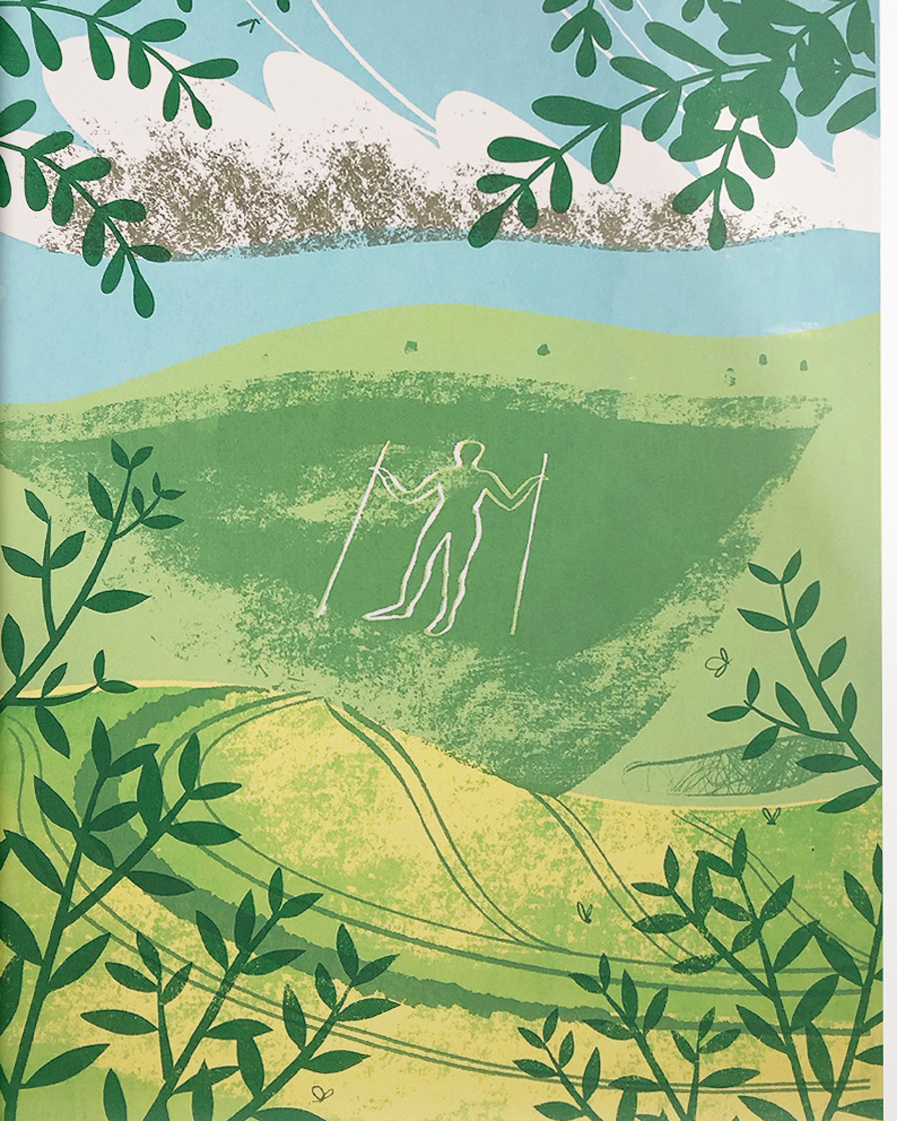
The Long Man of Wilmington is a 70ft giant man carved into the chalk hills of South Downs National Park near Alfriston (a pretty ancient Sussex village). His origin and reason for carving him have remained a mystery for generations.
We know he is over 300 years old (due to a sketch of him in 1710), and some believe he could have been carved as early as the Iron Age, or in Roman times.
In 1920, the chalk had faded, so locals and historians gave him a makeover with chisels and paint, and today there are surrounding concrete blocks, so he is easier to maintain!
The Long Man holds a stave in each hand, perhaps to symbolise his strength, to measure the land, or perhaps he was an astronomer? Or is watching over the fields? Nobody knows. One tale is that he marks the site of eternal rest, of two giant brothers who roamed the South Downs, and fell in battle.
If you wish to visit the Long Man without a big hike, it can be viewed from nearby Wilmington Priory. Nearby is the Litlington Chalk Horse, much smaller and carved into the hill in 1924.
The village of Litlington sits on the bank of the River Cuckmere, dating back to Domesday times. It’s home to one of the smallest churches in England, a charming architectural gem inspired by Gothic design, built in the 13 century. So is much older that its horse friend, by several hundred years!
The South Downs (England’s Newest National Park)
This stretches from Winchester (Hampshire) to Eastbourne (East Sussex) and is known for its chalk downs and beech woods that glow with copper hues in autumn. Many villages (like Amberley) lie nestled in the valleys, with old pubs and hidden churches giving a real example of old England.
This park is an International Dark Sky Reserve, which attracts butterflies, skylarks and shy deer. Barn owls can safely hunt at dusk, and local nature reserves protect rare bats, dormice and orchids.
The South Downs Way is a 100-mile national trail that runs across the heart of the park. It’s well-marked and open to walkers – taking you through open hills, secret valleys and quiet forests.
Rye (a hilly town and nature reserve)
Rye Harbour Nature Reserve is near Camber Sands, and home to over 4000 species of wildlife, including 300 rare species. The reserve features a moving shingle coastland and a variety of habitats including salt marshes, shingle ridges and woodlands.
Along with ‘Norton’s Cabin’, a popular photography subject, a historic cabin on the beach for happy coastal hermits of old!
The nearby town of Rye is very hilly, with winding cobbled lanes, crooked Tudor houses and centuries-old inns. Mermaid Street is lined with sloping cottages, and home to many independent shops.
Nearby is the village of Winchelsea, where comedian Spike Milligan is buried. He has a Celtic inscription on his grave, after being refused his request for it to read ‘I told I was ill!’
Often classed as one of the funniest ever men, he fought a huge battle with depression, and often spoke on men’s mental health.
Also near Rye is Peasmarsh, a tiny village noted for being home to one of England’s few independent supermarkets. It’s not a ‘green grocery’ but does keep money within the community, and also runs several bakeries and cafes throughout the region.
Two of England’s Few Funicular Railways
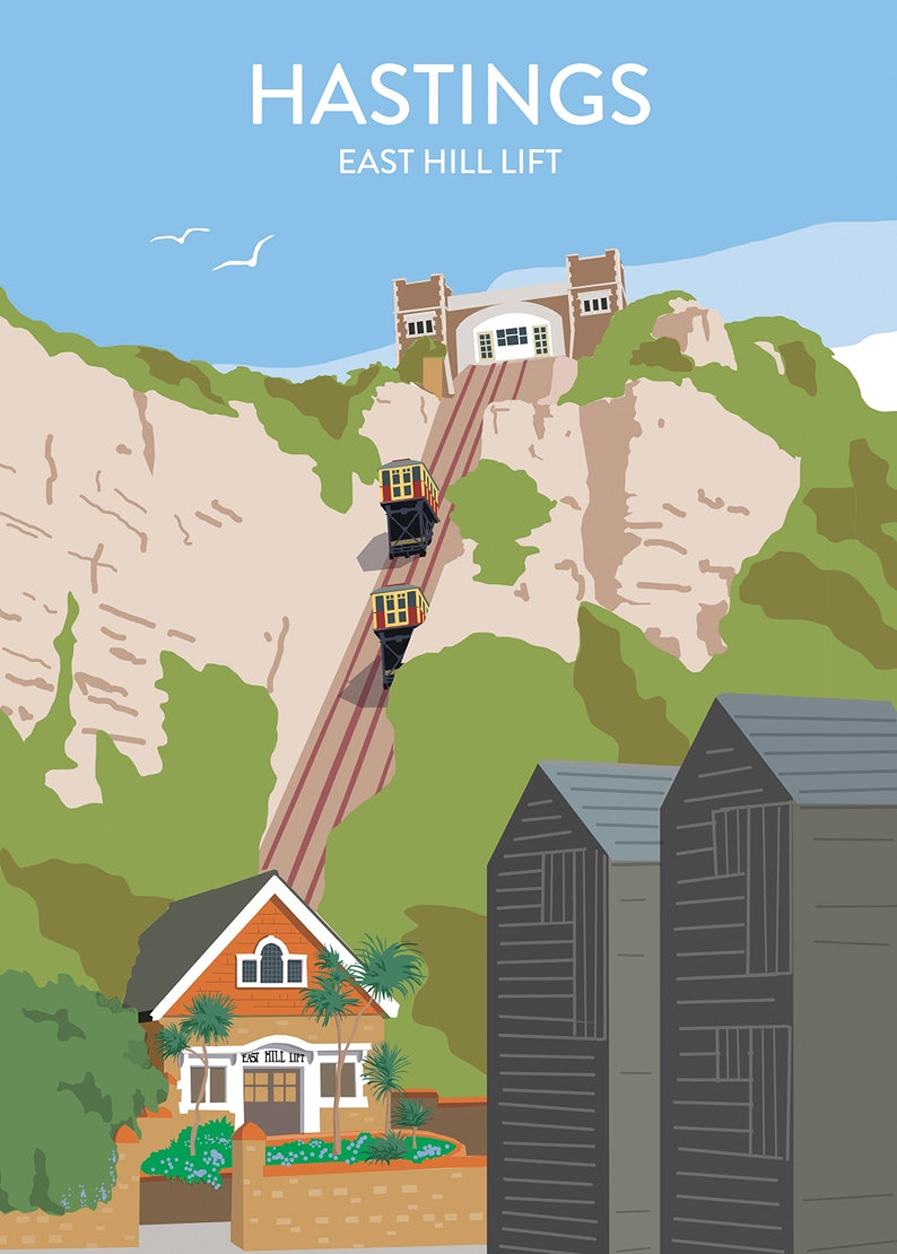
Funicular railways or ‘cliff lifts’ are only now in a few towns in England. But they are works of genius to get from low to high places. Two remaining are located in Hastings.
Real engineering brilliance, these are cable-driven railways, designed to tackle steep slopes. Used since the early 19th century, they use a pulley system, where two carriages counterbalance each other, to glide up and down tracks.
Inclined planes are the more traditional type, where tracks are laid on the hill’s natural slope. Meanwhile, cable cars, a more recent variant, sometimes suspend the carriages below an overhead cable.
Lewes: A Historic Sussex Castle Town
Lewes is one of England’s oldest towns, with the ancient buildings and castle still standing. It even has its own local currency. The beautiful notes are used like gift vouchers. Only for independent shops and services, you pay and then receive your change in sterling.
The River Ouse makes for lovely walks, or pop to the monthly farmers’ market, for Sussex produce and fresh bread. Not so good are 5th November celebrations, due to firework hazards.
If you are going to light a bonfire, gently lift the base with broom handles, and shine a torch in, to check for hedgehogs. If it’s clear, light from one side only, so anything in the heap has a chance to escape.
Brighton (England’s version of San Francisco!)
Brighton is one of England’s most vibrant cities, and often compared to the Californian city of San Francisco. It’s very creative (art, music, writing) and popular with vegans (it many grocery stores and zero waste shops), environmentalists (the local MP is Green) and gay people. Brighton is also home to The Big Lemon, a private solar bus service.
The Royal Pavilion was lavishly decorated by King George IV (labelled by English Heritage as ‘Britain’s most useless monarch’) whose lavish spending caused riots in Ely, when people were living on water and gruel. He also amassed massive debts at the public’s expense, remodelling Buckingham Palace and Windsor Castle (although he did repent his ways on his deathbed).
Brighton is also home to one iconic seaside pier (the only one left out of three, the others both destroyed in storms).
George IV also used to own a mansion in Moulsecoomb (now one of the city’s largest housing estates, with a forest garden project that offers plots for people to grow their own organic food. Green peer Jenny Jones (unlike Michelle Mone who took the title Baroness of Mayfair) stood true to her roots, and is known as Baroness Jenny of Moulsecoomb, after the council estate where she grew up!
Roedean School (very humble beginnings)
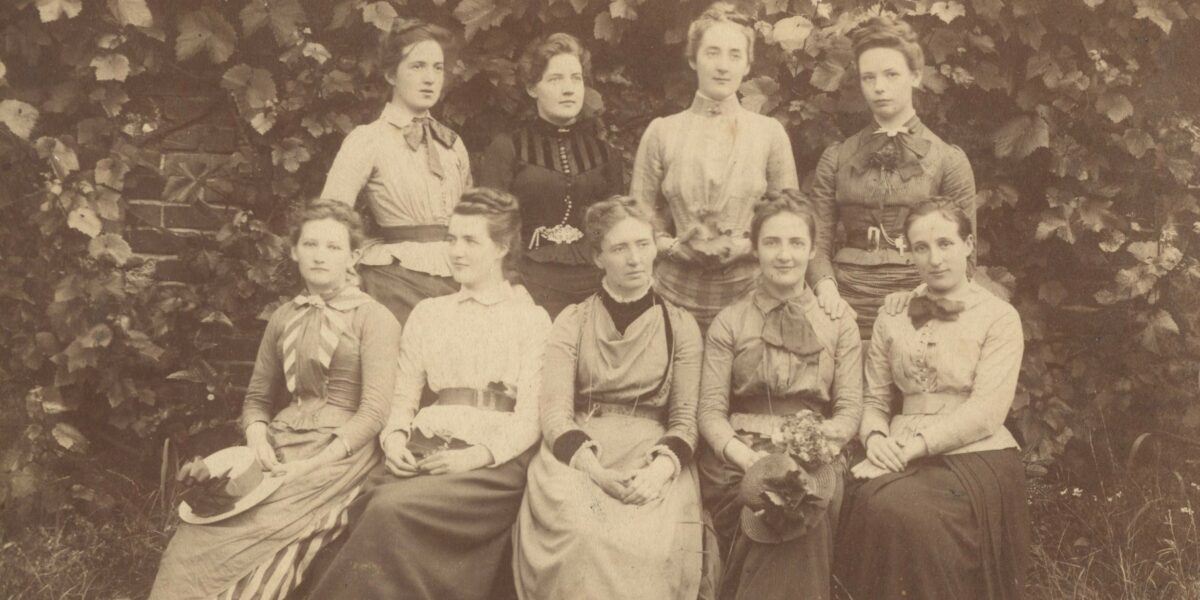
Roedean is ‘the poshest girls’ school in England’, with past students including Tessa Dahl and actresses Sarah Miles and Honeysuckle Weeks.
But it had humble beginnings, founded by three sisters in 1885, who had fallen on hard times while caring for their father (injured in a climbing accident) and believed that girls should have good education. Today, there is even a Brighton bus called ‘the Lawrence sisters!’
Banoffee Pie (invented in a Sussex restaurant)
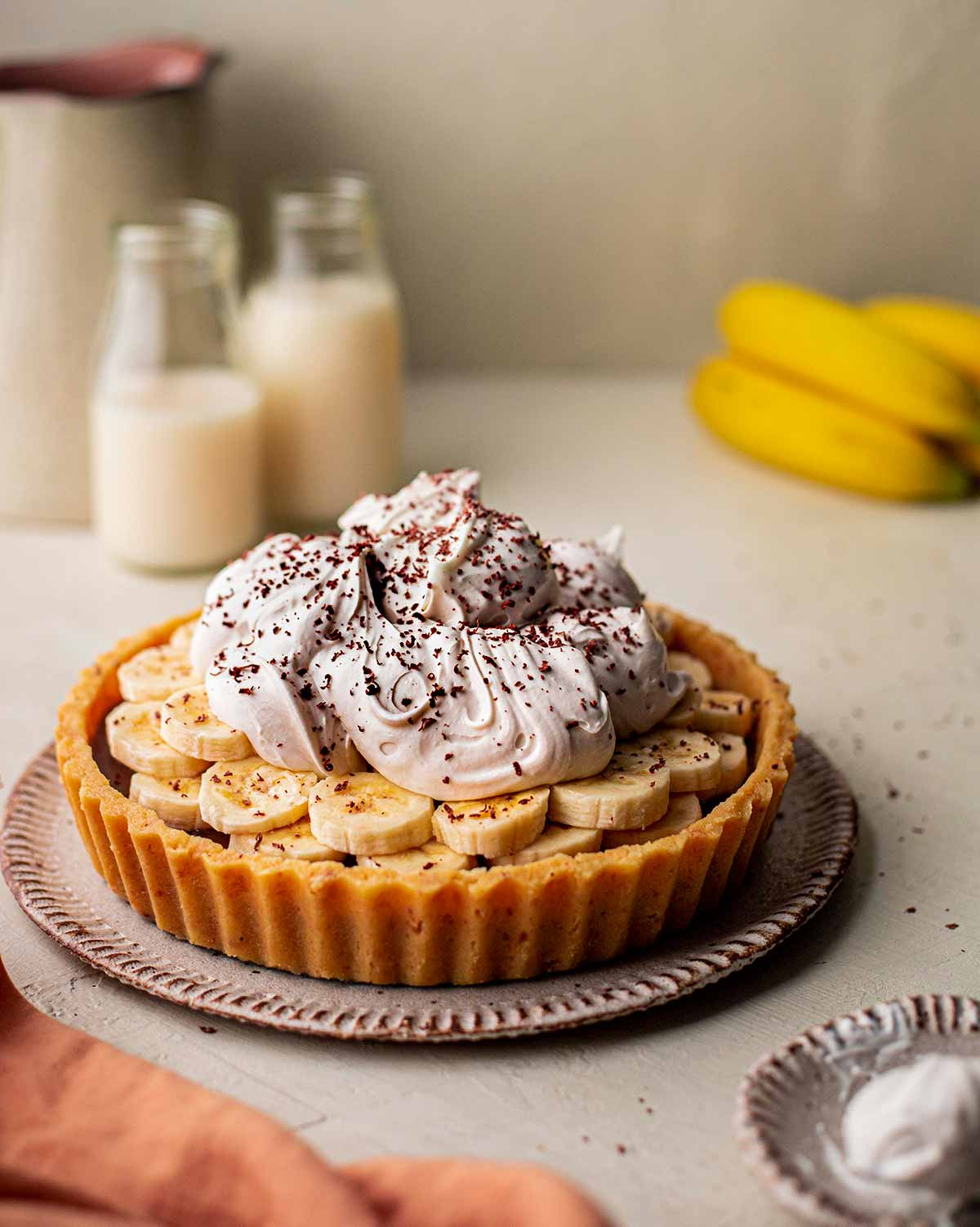
Banoffee pie is one of England’s favourite desserts (very rich, so only for those with a very sweet tooth). Made from bananas and toffee, it uses condensed milk in a pastry shell. Invented in a small East Sussex restaurant, it’s been around since the 70s.
This banoffee pie (Rainbow Nourishments) is super-simple to make. With fresh bananas, vegan biscuits and melted vegan Flora (no palm oil).
To avoid palm oil, make your own pastry (keep fresh dough from children/pets).
There is a story that the restaurant was so popular due to this dessert, that celebrities would arrive after performing at a nearby theatre. One arrived and it had closed, and apparently asked ‘But don’t you know who I am?’ The restaurant politely said ‘Yes, but we close at 10!’
It is said that (along with peanut butter and jelly sandwiches), banoffee pie was the favourite dessert of Elvis Presley.