How to Grow Free Organic Food (for local people)
The community garden movement has not yet taken off in the way that it has say in US cities like New York and Chicago. It’s amazing that we don’t have more of them, considering we now have a society, where many people are struggling to find affordable food.
Although food banks have their place, far better than eating cans of donated processed food – is to get together and find a plot of unused land, fand grow fresh organic produce for free!
Read how to grow your own organic food (no digging required!)
Keeping People and Pets Safe in the Garden
Whether you grow food (or flowers) in your own garden, or grow on an allotment or public space (community gardens, fruit/nut trees etc), it’s important to know a few little garden rules to keep all creatures safe.
Many plants (including all bulbs) and trees (along with some mulch and fresh compost) are all unsafe near animal friends. Read more about pet-friendly gardens and humane slug/snail deterrence (to avoid toxic pellets). Never use netting to protect food (nearly all sold has holes way wider than recommended by wildlife rescues, to avoid creatures getting trapped).
Acids can harm compost creatures, so bin citrus, tomato, rhubarb and allium scraps (onion, garlic, leeks, shallots and chives). Same with tea/coffee grounds (due to caffeine). Read more on making garden compost.
If growing indoors (including greenhouses), avoid facing indoor plants to outside spaces (to help stop birds flying into windows).
The Many Benefits of Community Gardens
Community gardens also provide a place for people to socialise, so are wonderful say for isolated older residents. It’s amazing that our politicians focus on bed-blocking and NHS costs, yet don’t create simple preventive health measures like walkable communities and community gardens (which could provide free organic food for all, which is also better for health).
‘Food deserts’ are a modern phenomenon, where people on low incomes have restricted access to good food. Some people advise that ‘poor people should shop at ALDI’. But often if you live on a sink estate with no bus services or Internet access to buy food online, your only option is the local NISA shop (or similar) selling over-priced frozen chips and pizza.
Community gardens empower people! You can grow own organic vegetables, herbs and fruits, some even grow orchards of trees for free fruit and nuts. As well as giving nutritious produce for all, it helps to dent the profits of the big supermarkets, who are often importing chemical-laden fruit. Better a juicy ripe peach from a local tree than a plastic punnet!
Community gardens also provide natural exercise. You don’t have to dig (it’s not good for earthworms or baby stag beetles). But growing food is still a physical act of planting seeds, adding mulch, and obviously harvesting the produce. It also means fresh air and chat, with cups of tea thrown in!
If children come along, they also get to learn where their food is from. A recent survey found that many younger children thought that potatoes grew on trees, and tomatoes came from underground! It sounds funny, but it’s not really, as it means young ones have now become distant from nature.
Let’s Plant & Grow Together is the ‘gold standard community garden handbook, by organic pioneer Ben Raskin. Transform neglected plots into flourishing spaces, and get tips on planning, soil fertility and fundraising. Includes a directory of plants ideal for community gardens.
Community Gardens (for pollinators and you!)
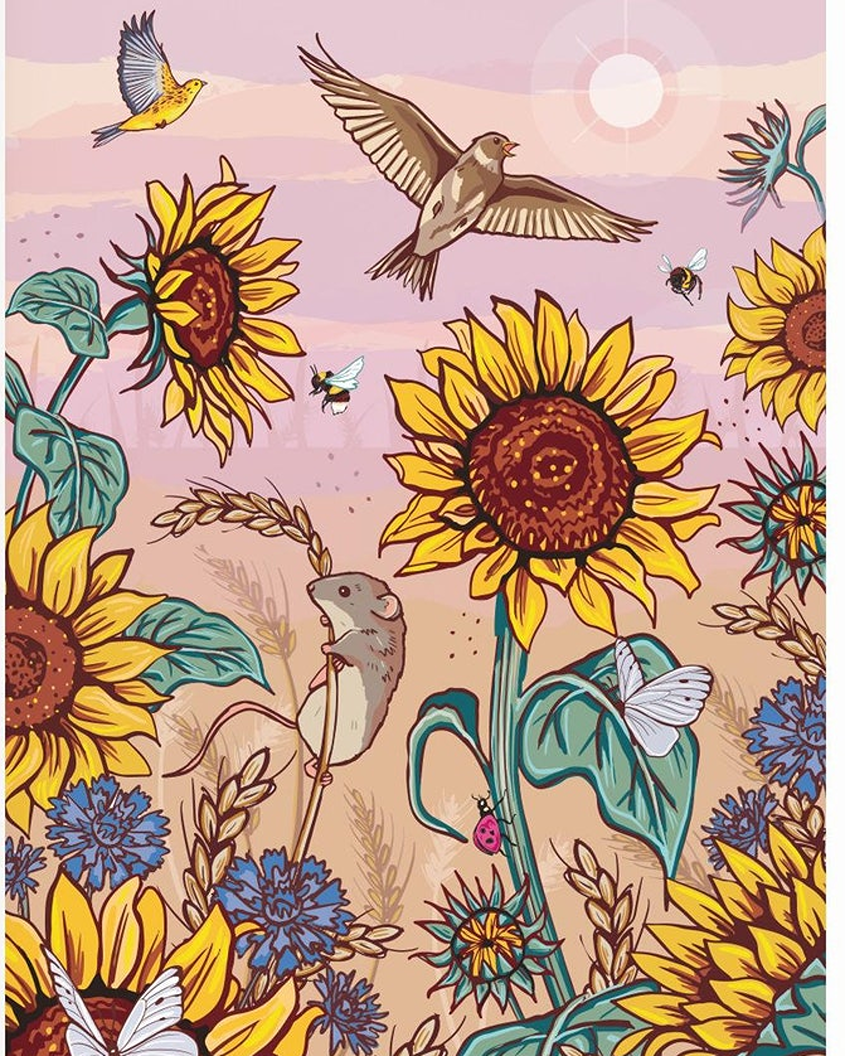
Community gardens don’t always have to be about growing food. They also create lovely natural areas for relaxation in urban areas, as well as flowers for pollinators (bees, butterflies, bats).
Note that wildlife-friendly ponds and fish ponds are different (fish are carnivores and would eat garden wildlife). Read more on wildlife-friendly gardens, wildlife-friendly ponds and garden water safety.
Avoid tin or bright-coloured birdhouses, as they can overheat, and attract predators. Read more on creating safe havens for garden birds.
A Gold Standard London Community Garden
Islington’s Culpeper Community Garden (Islington, London) is one of England’s most revered community gardens, transformed from local ‘wasted space’ into a city oasis. With almost 50 vegetable plots (including 2 raised beds for gardeners in wheelchairs), there is also an organic lawn, rose pergolas and a bog garden (amphibians providing natural slug control, and undisturbed nettles and brambles for ladybirds and insects).
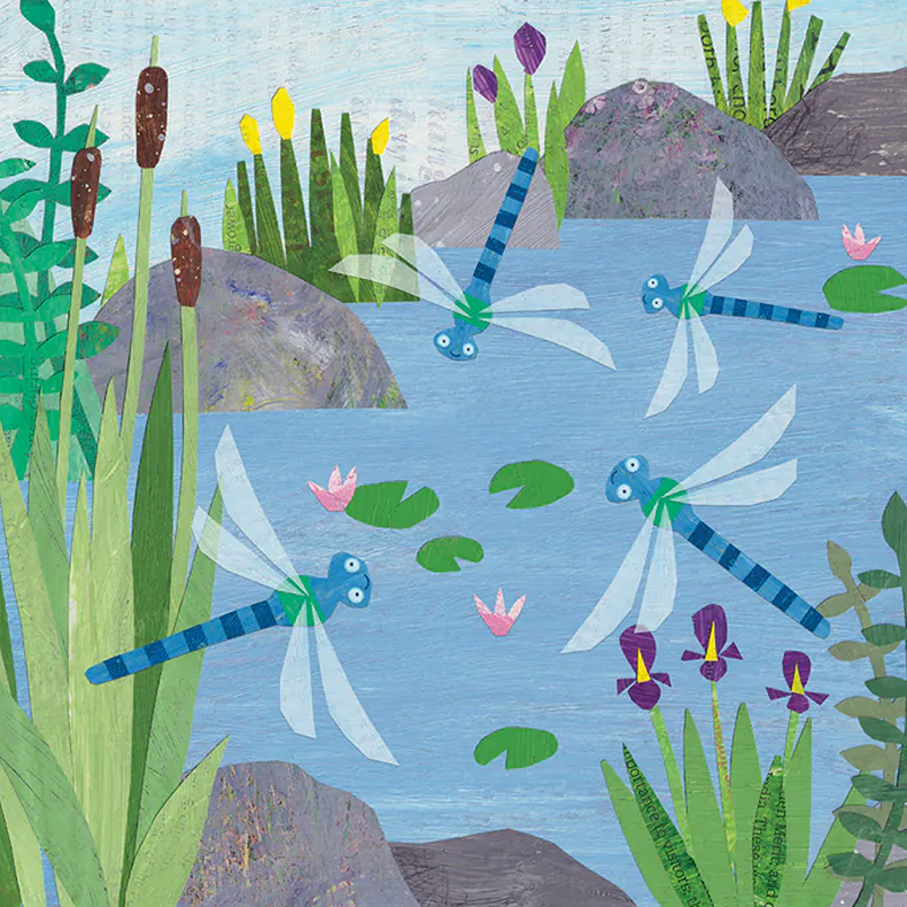
Woodlice, spiders and centipedes have set up home in the ‘mini-beast mansion’, and dragonflies/damselflies love the wildlife pond.
The garden is named after 17th century herbalist Nicholas Culpeper. When funding was cut a few years back, one councillor said he never had so many protest letters. Half the grant was returned, the remainder made up from local donations.
How to Transform ‘Brownfield Sites’

If creating a community garden from a neglected urban plot (say old car parks), download this free depaving guide (important, as uplifting tarmac can sometimes reveal sump oil and other pollutants, that need safe removal).
If the land is too far gone, don’t fear! You can upcycle paving stones into landscaped areas, and add raised beds filled with peat-free compost (even smashed stones and building rubble can built little alpine rockeries). The only limit is your imagination!
One brownfield area in Somerset used to be a derelict area of rubble, with a litter-filled canal, unused railway line and old dairy farm. Today it’s a beautiful meadow, with a large natural pond for native wildlife and insects.
In Essex, one gardener rescued ceramics from old toilets and building rubble, to create a wildflower meadow. He used old shopping trolleys and piping to create insect habitats, and says he’s even partial to removing bits of ‘old car carcass’ to use in his garden landscape designs!
Community gardens (and allotments if you are fortunate enough to secure one – waiting lists can be years) are best investing in large-scale water butts (with child/pet locks), to avoid bills and save rainwater.
Call me repressed, call me terribly English, but when I go to my allotment, I’m not seeking spiritual knowledge. I’m seeking vegetables. And perhaps a bit of fresh air and exercise.
But that’s all. I’m not there to unblock my chakras. I haven’t got time. I’ve got to put horse poo on the bean rows. Leave me alone. Paul Kingsnorth

A food desert is the kind of place, where the only shops for local communities are a small grocery shop selling frozen pizza and chips, and not much else. For people without cars or Internet Access, community gardens are a boon for local organic free food.
The Incredible Edible movement, which began Todmorden (Yorkshire), has changed how locals see food, public spaces, and community spirit. The project invites anyone to pick, plant, and share fresh produce grown in public places.
Read our posts on no-dig gardening, pet-friendly gardens and wildlife-friendly gardens.
Avoid facing indoor foliage to gardens, to help stop birds flying into windows.
Grass verges, canal paths, and unloved corners have become shared gardens. Volunteers plant herbs, berries, fruit trees, and veg in spots you’d never expect. People can pick fruit and nuts off trees, or pick some herbs for dinner, at the local train station!
Gardening sessions and workshops run throughout the year. People swap tips, learn about food, and meet neighbours they might never have spoken to before.
The movement has helped many pick up skills they can use at home or in their job. It’s also helped fight loneliness, and built stronger bonds in the town.
On Gardening Sundays, a tasty meal is provided for anyone who visits. Even if you’re ‘a bit wobbly’ and unable to garden, you are free to visit. This is about building community, in a place that has no paid staff, no buildings and no public funding. It’s held in the ‘greenest police station in England!’
Children can attend with adults, though ‘leave beautiful pets’ at home. Also let them know in advance, if you don’t want your photo taken. And bring sensible shoes!
The project’s ‘Little Library’ is also situated in the police station, full of crime novels, which amuses the local force! This global movement now has 100,000 little libraries.
And rather than locals watching divisive news programs, here locals cook pancakes or pakoras (in the mosque), to raise money for the local markets annual fundraiser.
The Incredible Medical Garden is a weekly session at the local health centre. There are themed growing beds, from herbs for cooking, health and beauty – to ones for women’s health and even mental health.
A Nationwide Garden Sharing Scheme

Garden sharing schemes bring people together by matching those who have spare garden space with those keen to grow their own fresh food. Lend & Tend is one of the most popular garden sharing platforms, helping hundreds of growers and garden owners connect.
Thousands of gardens sit unused or overgrown, simply because their owners don’t have the time, energy, or interest to keep up with them. Lend and Tend matches these untended spaces with people ready to make the most of them.
Working together, they bring neglected spaces to life, turning weedy plots into neatly kept, productive gardens.
Allotment waiting lists in many towns can run for years. Garden sharing is a shortcut to starting your own patch without delay. Tenders (gardeners) can get growing almost instantly, using someone’s backyard or unused land.
Any project like this is ‘peaceful politics in action’, as it gives people the opportunity to grow and share local organic food, rather than be dominated by supermarkets (which many people these days hardly have a choice in shopping anywhere else).
This organisation also works with community food groups and social housing providers, to deliver free access to gardens, and also place fresh food into local food banks. Anyone in the world is free to sign up, though it mostly focuses on the UK.
How Does Garden Sharing Work?
Simply put, you just search for a local landowner who has a garden that looks good for you! It may be a piece of land with raised beds, or a seriously overgrown patch of land that you can’t wait to get going on!
You can use land to grow organic food or flowers (always organic, to protect wildlife and the people and pets that live nearby). The yearly membership is very affordable, and you can also participate in local events like community picnics and tool-sharing.
Most ‘tenders’ buy their own organic seeds, and of course the end result is that the harvest is shared with the landowner, who kindly lent you their garden to grow. Decide in advance (from a basket of fresh vegetables to equal share of apples on a tree).
An example lender on the site is someone who can’t manage the large garden alone. It’s in the grounds of a listed building – a former market garden and allotment. It already has mature trees including hazelnut (leave some for the dormice!)
Apple Scrumping (made legal) – a guide!
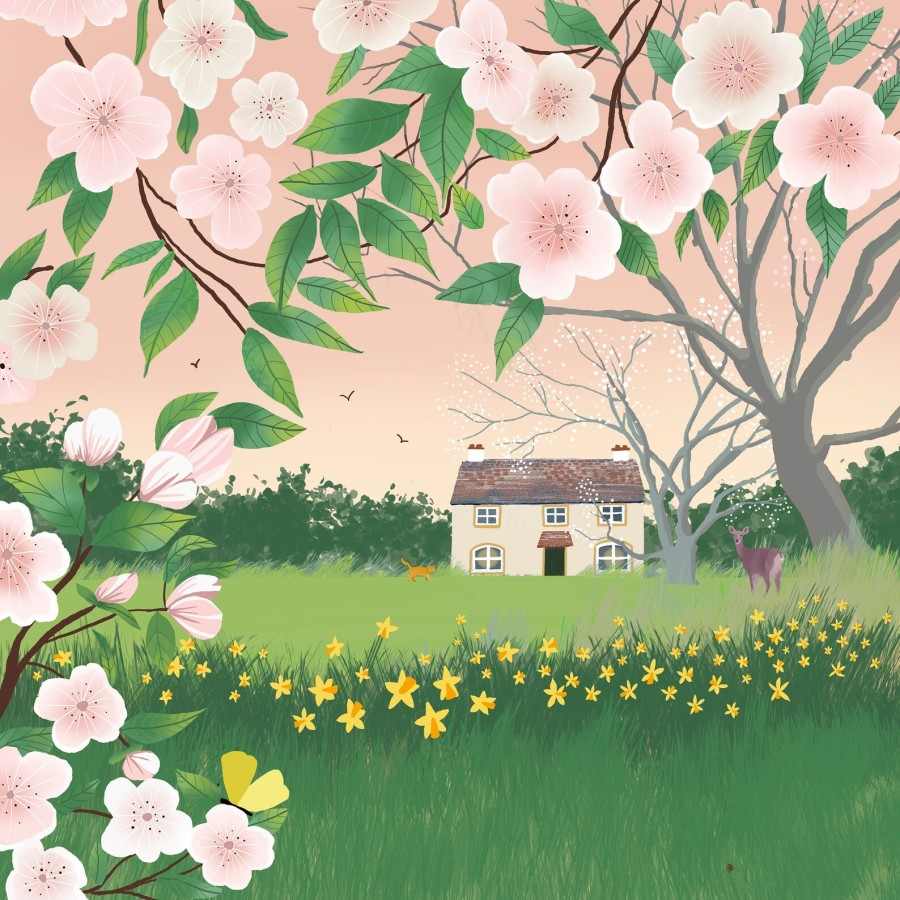
Many landowners have large gardens with apple trees, but perhaps not the good health, time or tools to harvest them. So they fall to the ground as windfalls. Some get eaten by wildlife (good) but the rest just rot away (bad).
Apple chunks are choking hazards for babies and people with swallowing difficulties. Keep apple pips/seeds/cores away from pets due to natural cyanide.
Ask permission before feeding to equines, as too many cause colic. If given permission, feed cut up from a flat palm, to prevent choking).
Sheffield’s Abundance Network has a fantastic free handbook to download, to cover all you need to know for safe and legal scrumping!
It’s best not to take dogs with you, as fruit pips and seeds contain natural cyanide, and can even cause alcohol poisoning.
Picking apples is not an all-year affair. Timing is everything. The best period typically falls between late summer and early autumn. Depending on the variety, from July to October, apples reach their prime.
Check local harvest calendars to align your event with the ripening season to ensure a bountiful pick.
Finding the right spot is key. Consider local orchards, public parks, or community gardens. Some may allow free picking, while others might have partnerships or community days.
Be aware of property boundaries and ensure your chosen spot isn’t private land without permission. Remember, laws around foraging vary, so research local regulations to avoid any pitfalls.
Before baskets are filled, permissions must be secured. Contact property owners or local councils to discuss your plans. Written consent can prevent misunderstandings, keeping your event smooth and conflict-free. It fosters goodwill and often opens doors to more venues.
Equip yourself with essentials. You’ll need sturdy bags or baskets for collecting apples and possibly ladders for reaching higher branches. Don’t forget tools like pruners for neat cuts. Gloves can come in handy to avoid scratches. Bring refreshments to keep energy levels up.
Simple steps can prevent mishaps. Use stable ladders and encourage participants to work in pairs for safety. Younger children should always be supervised. Remind everyone not to overstretch for those tempting high apples.
Obviously leave some apples on the tree for birds and native wildlife.
Scrumping networks get a few fit volunteers together with ladders and tarpaulins, then they climb the trees to harvest the apples (or other fruits) and the surplus is shared.
Usually the landowner receives a third, the pickers receive a third – and any extra or mushy fruits go to the community, like making jam and juice to sell at bake sales.
Abundance Network says for it’s good to choose gardens with side gates, so you are not walking through people’s homes to get to their fruit. It’s also good to only pick fruit a few days before it’s going to be used, to ensure it doesn’t spoil.
Also invest in a bit of good equipment like telescopic poles and baskets to drop the ‘shaken apples’. You’ll likely also need liability insurance. You’ll also want comfy bags to carry harvested fruit.
And if making juice, invest in a pasteuriser, to make it safe for people to consume (unless sterilising all the containers yourself:
Heat your oven to 160°C, gas mark 3. Then place jars and lids (which have been washed, rinsed and drained in hot soapy water) in the oven for 15 minutes (remove rubber seals and simmer in water for 10 minutes).
Turn off the heat and then use the jars, while still warm.
Reasons to Buy Local Organic Apples and Pears
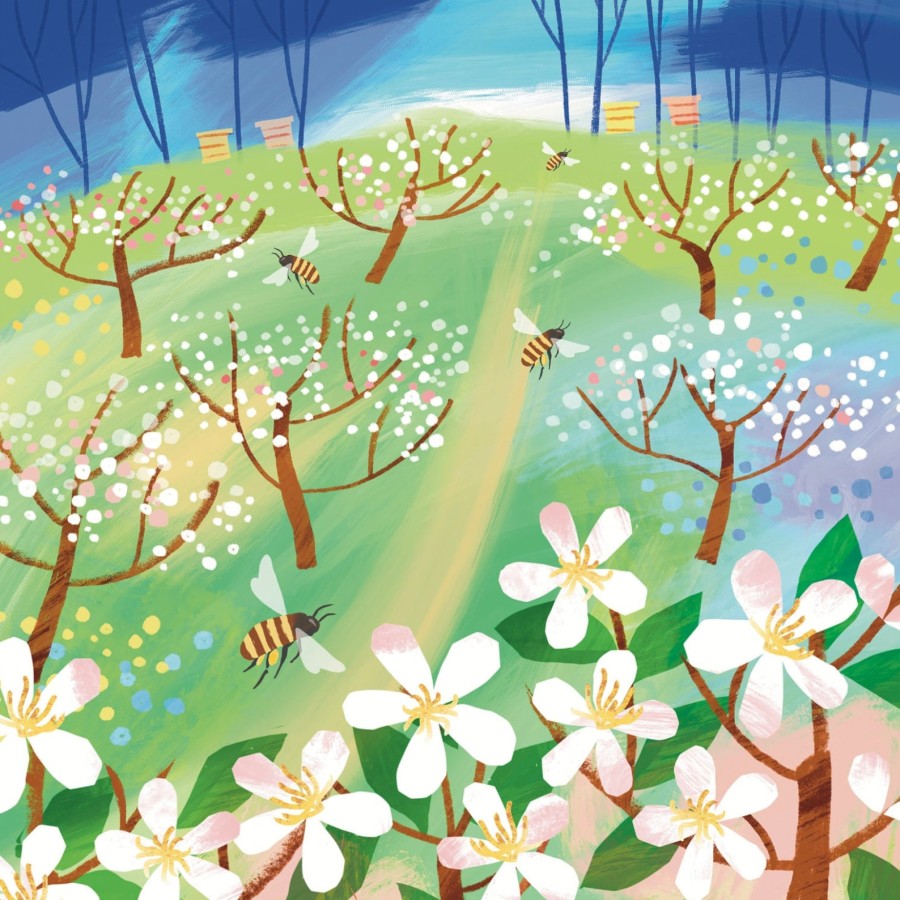
Nearly all of our apples and pears in supermarkets are now imported, a crying shame considering many heritage local varieties are at risk from extinction.
Apple chunks are choking hazards for babies and people with swallowing difficulties. Keep apple pips/seeds/cores away from pets due to natural cyanide.
Ask permission before feeding to equines, as too many cause colic. If given permission, feed cut up from a flat palm, to prevent choking).
Due to England’s mild climate, England’s apples and pears are some of the best-tasting on earth, but not the ones sold in most supermarkets. They mostly spray apples with shellac (made from dead insects, to make them waxy) so always look for organic apples in farm shops, if you live nearby.
And likewise, ripe juicy pears are more likely to be found in markets, as supermarkets ship rock-hard pears in from abroad (often frozen).
Which Apples & Pears to Use for What?
There are hundreds of varieties of English apples and pears, so don’t just limit yourself to Cox, Braeburn and Granny Smith!
- Bramley apples are good for cooking, as they are too sour raw. Use in apple pies and crumbles, or to make apple sauce.
- Red Prince apples are sweet and tart, and smell a bit like roses!
- Evelina apples are crisp and sweet, with a little acidity.
- Cox was invented in Slough (Surrey) and a good balance of tart and sweet.
- Granny Smith is very tart, and good for making French tarte tatin.
- Comice pears are particularly good with vegan cheese.
Supporting Local Apple Farmers
Organic apples are grown without synthetic pesticides, which is a relief for anyone concerned about chemical intake. By choosing organic, you consume apples that are as nature intended.
Farmers’ markets are treasure troves for fresh produce and a vital link to your local farming community. They offer a variety of organic apples you can hand-pick yourself.
The county of Sussex is home to 30 varieties of apples alone, so why do the big supermarkets mostly import apples, when our heritage orchards are so much in peril?
When you investigate, it seems to be that old chestnut of money and profit. A recent report by Sustain, found that UK farmers often get less than 1p profit from their food, compared to imports from abroad.
A House of Lords enquiry found that some apple growers are now refusing to sell to supermarkets, due to their profits being squeezed.
A quick look at the website of a major supermarket finds 3 brands of organic apples on sale, all in plastic packaging. All sold at around £2.50 for 4 to 6 apples, depending on the ones chosen:
- The Gala apples are from New Zealand
- The Pink Lady apples say ‘produce from .. and then leaves the country blank
- The ‘seasonal apples’ are British, but reviews say many arrived rotten
As apple skin produces ethylene gas, store them in an airtight container in the fridge, to prevent them going brown (or being damaged by rolling around on countertops).
The main types of apples that you’ll find in shops are:
- Royal Gala is the most popular. It has a crispy bite and is very sweet, with a stripy red skin.
- Russet apples are light brown with ‘cream freckles’ and are very sweet. These are quite similar to pears, and lovely with vegan cheese.
- Cox apples have good bite, and a honey aroma
- Bramley apples are green and tart, best for cooking.
- Braeburn are actually native to New Zealand, but now grow here widely.
Did you know that the Core Blimey apple was commissioned by the Orchard Project after a national competition? A local dessert apple, this is similar to a Cox apple but bred to be more disease-tolerant so is easier to grow organically.
Compare this to Riverford, an online organic veg box scheme whose founder campaigns for better prices for local farmers. Yes they cost a little more, but these apples are tasty, organic, local and in season (out of season they ship-freight from abroad).
And they sell for taste, not looks. These apples cost £3.90 but you even get to know the (Kent) farmer who grew them. Delivered fresh from the farm, so wash before eating.
Abel & Cole also sells organic apples online. These are grown by a couple who grow both organic apples (and walnuts) on a farm in Herefordshire (their orchards grow Bramley, russets and red pippin apples).
A Delicious History of the Apple

The Apple: A Delicious History is the fascinating 10,000 year story of the world’s most tempting fruit (yet 70% of apples in England are imported, which is why it’s good to buy local apples to preserve our heritage orchards (also buy organic, to avoid the ‘waxy apples’ covered in shellac – dead insects).
This book takes us on a tour of apple’s prehistoric beginnings in the Tian Shan mountains of Kazakhstan to the modern day.
You’ll learn how apples even featured on the shopping list of a senior Roman officer on Hadrian’s wall. The perfect gift for anyone enjoys a slice of apple pie or a drop of cider, get to know your apples (from Bramley to Cox).
In the early 1840s, a young Yorkshire vicar set about planting an orchard next to his new farmhouse. Around him the world was in turmoil. Ireland was in the throes of its great famine. Western Europe teetered on the cusp of violent revolution.
In setting out his orchard, our tree-planting vicar was investing in a happier future. Those fifteen or so tiny saplings would eventually transform into veteran trees which still every autumn, sit heavy with pounds of apples. That orchard and its farmhouse are now my home.
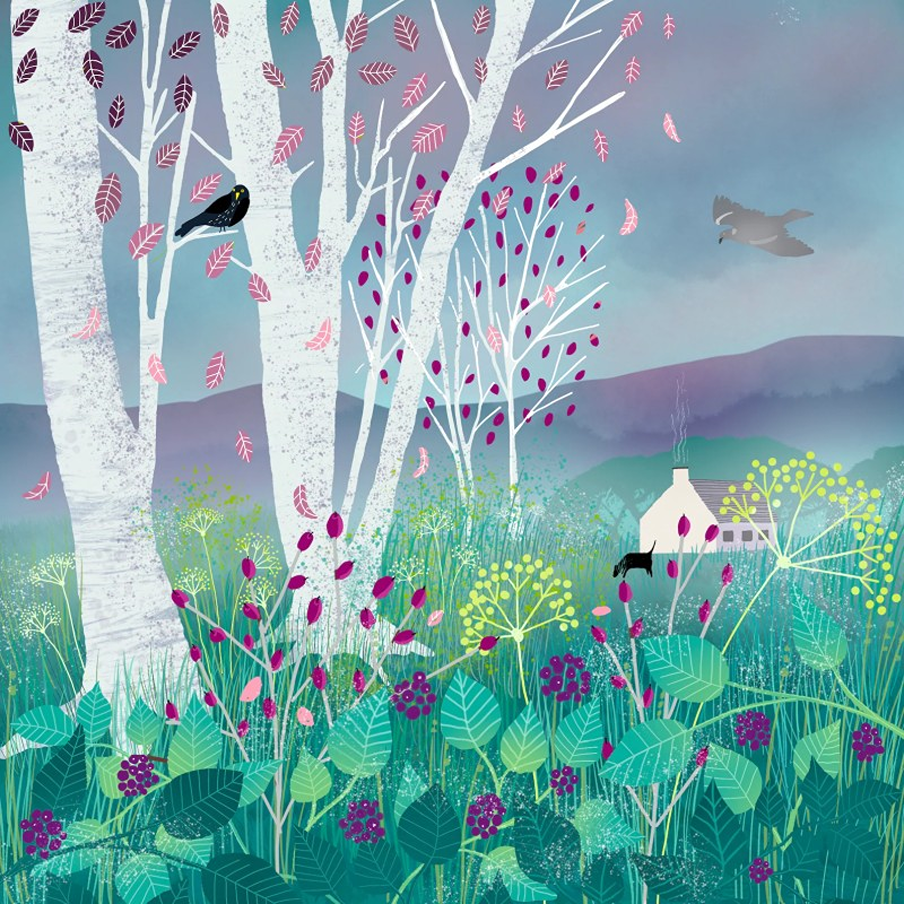
England’s orchards used to be abundant, but now they are in danger of almost becoming extinct. 70% of England’s apples are imported, when we are home to some of the most diverse apple crops on earth. Along with other orchard fruits like pears, peaches, plums and damsons.
Restoring orchards also helps to preserve trees, which take in carbon dioxide, give out oxygen, they help to buffer wind and prevent floods. And provide homes for birds and native wildlife (even if not producing fruit, dead or decaying wood offers hollow trunks for owls and bats.
The Orchard Project is a nationwide charity run by experts, to help local communities plant organic fruit orchards, and restore neglected heritage orchards. So everyone is within walking distance of free food.
Use no-dig gardening (avoid netting, to protect wildlife – use fruit protection bags instead). Learn how to create pet-friendly gardens (keep fruit pips/seeds away from animals as they contain natural cyanide, and wildlife-friendly gardens.
Know trees to avoid near horses (including yew, oak & sycamore).
80% of England’s orchards have been lost in recent decades, yet still supermarkets sell imported fruits (rock-hard pears and non-organic apples coated in shellac – dead insects – to make them look shiny). Buying local also helps support our smaller farmers.
A sad story of late is in Worcestershire. Where England’s second-oldest pear tree was felled, to make way for the unnecessary HS2 high-speed rail project (the money would be better spent on upgrading rolling stock and providing better rural public transport.
Critics say HS2 won’t prevent climate change. And based on accidents with high-speed rail abroad, it will kill around 22,000 wildlife once built. Barn Owl Trust says that HS2 is a ‘very expensive way of killing owls’.
What Do Community Orchards Do?
Some community orchards make use of waste windfalls too. Of course it’s always important to leave some windfalls and fruits for birds and wildlife. But bruised fruits can easily be made into juice and jam, and some community orchards exchange donated windfallen apples to make cider!
The Orchard Project recently completed a project to restore 30 old orchards in London, which helped to restore rare apple varieties. It has also installed wildlife-friendly edible hedgerows, ponds, stonewalls for insects, bog gardens, bird boxes and no-dig raised beds).
Locals can locate orchard mentors to share their knowledge, or find lesson plans for schools. Gardeners can take their course in Certificate in Community Orcharding (London, Bristol, Scotland or online). This covers tree planting/grafting/pruning, site survey & orchard design, plus caring for veteran and community orchards.
Other Ideas to Preserve Our Orchards
People’s Trust for Endangered Species does wonderful work to help restore heritage orchards, and has practical guides (including how to save a fallen tree). Their tips include:
- Plant new trees alongside restoring old trees, as all orchard trees will die, but disperse seeds and provide old logs for birds, insects and wildlife to nest and hibernate). Even trees with dead/decaying wood may produce fruit for several years.
- Leave log piles as they are, as they attract rodents (which owls eat) and offer over-wintering for hedgehogs, beetles, frogs and toads. Windfallen fruit also offers great food for local creatures. Stagger mowing, to protect flower seeds in longer grass.
How Well-Managed Orchards Help Nature
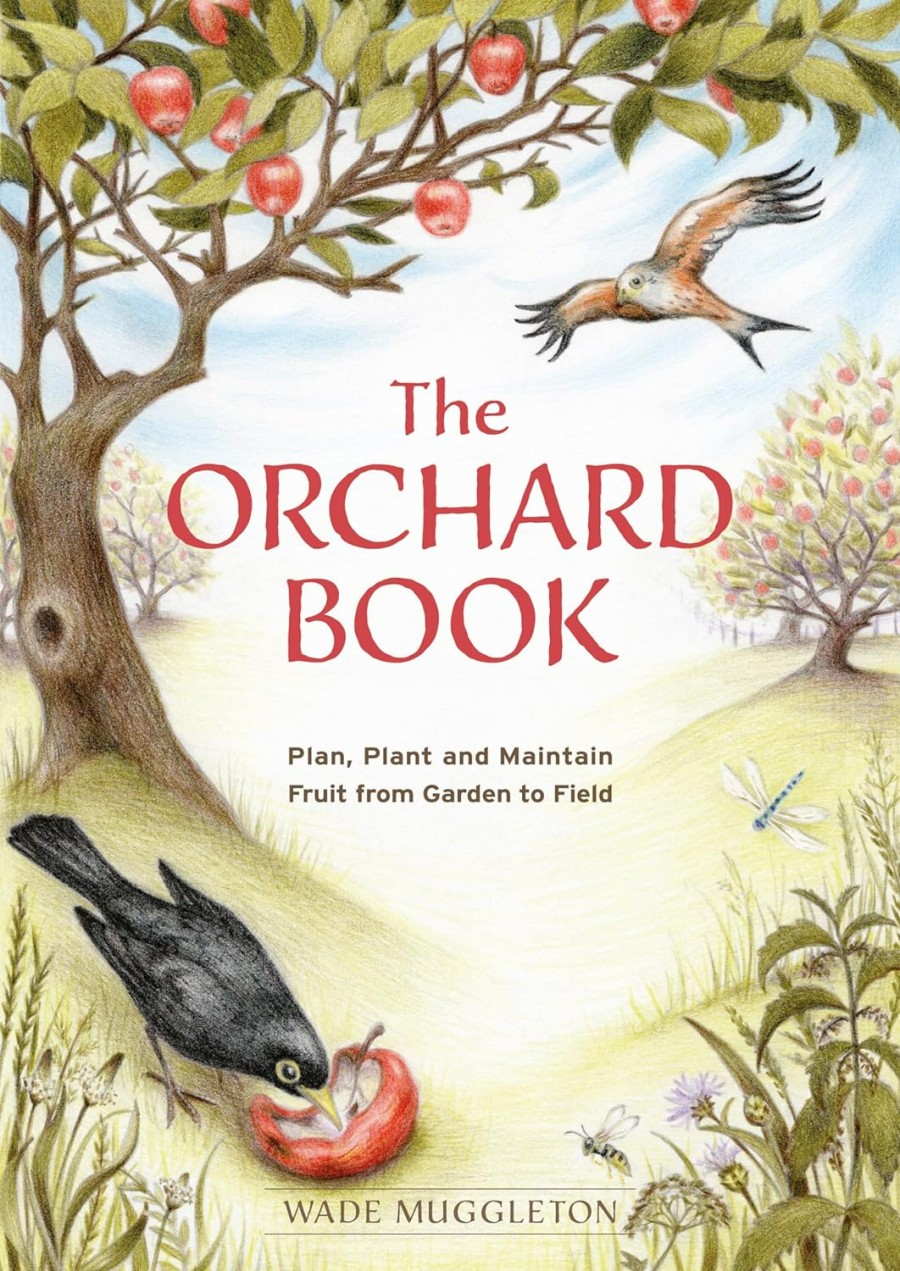
The Orchard Book is a book on how orchards work with nature, to provide maximum harvest for minimal effort. The author combines 20 years of orchard knowledge to help you plan, plant and manage an orchard, whatever your size and budget.
The book covers rootstocks and fruit varieties, planting plans and pruning, harvesting, storing and how to preserve your harvest.
Let him draw you into a world of apples and pears, walnuts and cobnuts, cherries and plums, and learn of ancient orchard fruits like quince, medlar and mulberry as well as more familiar fruits like apricots, figs and peaches. Enjoy organic fruit all year round, from your own little nature haven.
Reasons to Buy Local Organic Apples and Pears
Nearly all of our apples and pears in supermarkets are now imported, a crying shame considering many heritage local varieties are at risk from extinction.
Apple chunks are choking hazards for babies and people with swallowing difficulties. Keep apple pips/seeds/cores away from pets due to natural cyanide.
Ask permission before feeding to equines, as too many cause colic. If given permission, feed cut up from a flat palm, to prevent choking).
Due to England’s mild climate, England’s apples and pears are some of the best-tasting on earth, but not the ones sold in most supermarkets. They mostly spray apples with shellac (made from dead insects, to make them waxy) so always look for organic apples in farm shops, if you live nearby.
And likewise, ripe juicy pears are more likely to be found in markets, as supermarkets ship rock-hard pears in from abroad (often frozen).
Which Apples & Pears to Use for What?
There are hundreds of varieties of English apples and pears, so don’t just limit yourself to Cox, Braeburn and Granny Smith!
- Bramley apples are good for cooking, as they are too sour raw. Use in apple pies and crumbles, or to make apple sauce.
- Red Prince apples are sweet and tart, and smell a bit like roses!
- Evelina apples are crisp and sweet, with a little acidity.
- Cox was invented in Slough (Surrey) and a good balance of tart and sweet.
- Granny Smith is very tart, and good for making French tarte tatin.
- Comice pears are particularly good with vegan cheese.
Supporting Local Apple Farmers
Organic apples are grown without synthetic pesticides, which is a relief for anyone concerned about chemical intake. By choosing organic, you consume apples that are as nature intended.
Farmers’ markets are treasure troves for fresh produce and a vital link to your local farming community. They offer a variety of organic apples you can hand-pick yourself.
The county of Sussex is home to 30 varieties of apples alone, so why do the big supermarkets mostly import apples, when our heritage orchards are so much in peril?
When you investigate, it seems to be that old chestnut of money and profit. A recent report by Sustain, found that UK farmers often get less than 1p profit from their food, compared to imports from abroad.
A House of Lords enquiry found that some apple growers are now refusing to sell to supermarkets, due to their profits being squeezed.
A quick look at the website of a major supermarket finds 3 brands of organic apples on sale, all in plastic packaging. All sold at around £2.50 for 4 to 6 apples, depending on the ones chosen:
- The Gala apples are from New Zealand
- The Pink Lady apples say ‘produce from .. and then leaves the country blank
- The ‘seasonal apples’ are British, but reviews say many arrived rotten
As apple skin produces ethylene gas, store them in an airtight container in the fridge, to prevent them going brown (or being damaged by rolling around on countertops).
The main types of apples that you’ll find in shops are:
- Royal Gala is the most popular. It has a crispy bite and is very sweet, with a stripy red skin.
- Russet apples are light brown with ‘cream freckles’ and are very sweet. These are quite similar to pears, and lovely with vegan cheese.
- Cox apples have good bite, and a honey aroma
- Bramley apples are green and tart, best for cooking.
- Braeburn are actually native to New Zealand, but now grow here widely.
Did you know that the Core Blimey apple was commissioned by the Orchard Project after a national competition? A local dessert apple, this is similar to a Cox apple but bred to be more disease-tolerant so is easier to grow organically.
Compare this to Riverford, an online organic veg box scheme whose founder campaigns for better prices for local farmers. Yes they cost a little more, but these apples are tasty, organic, local and in season (out of season they ship-freight from abroad).
And they sell for taste, not looks. These apples cost £3.90 but you even get to know the (Kent) farmer who grew them. Delivered fresh from the farm, so wash before eating.
Abel & Cole also sells organic apples online. These are grown by a couple who grow both organic apples (and walnuts) on a farm in Herefordshire (their orchards grow Bramley, russets and red pippin apples).
A Delicious History of the Apple
The Apple: A Delicious History is the fascinating 10,000 year story of the world’s most tempting fruit (yet 70% of apples in England are imported, which is why it’s good to buy local apples to preserve our heritage orchards (also buy organic, to avoid the ‘waxy apples’ covered in shellac – dead insects).
This book takes us on a tour of apple’s prehistoric beginnings in the Tian Shan mountains of Kazakhstan to the modern day.
You’ll learn how apples even featured on the shopping list of a senior Roman officer on Hadrian’s wall. The perfect gift for anyone enjoys a slice of apple pie or a drop of cider, get to know your apples (from Bramley to Cox).
In the early 1840s, a young Yorkshire vicar set about planting an orchard next to his new farmhouse. Around him the world was in turmoil. Ireland was in the throes of its great famine. Western Europe teetered on the cusp of violent revolution.
In setting out his orchard, our tree-planting vicar was investing in a happier future. Those fifteen or so tiny saplings would eventually transform into veteran trees which still every autumn, sit heavy with pounds of apples. That orchard and its farmhouse are now my home.