How to Grow Your Own Organic Spinach
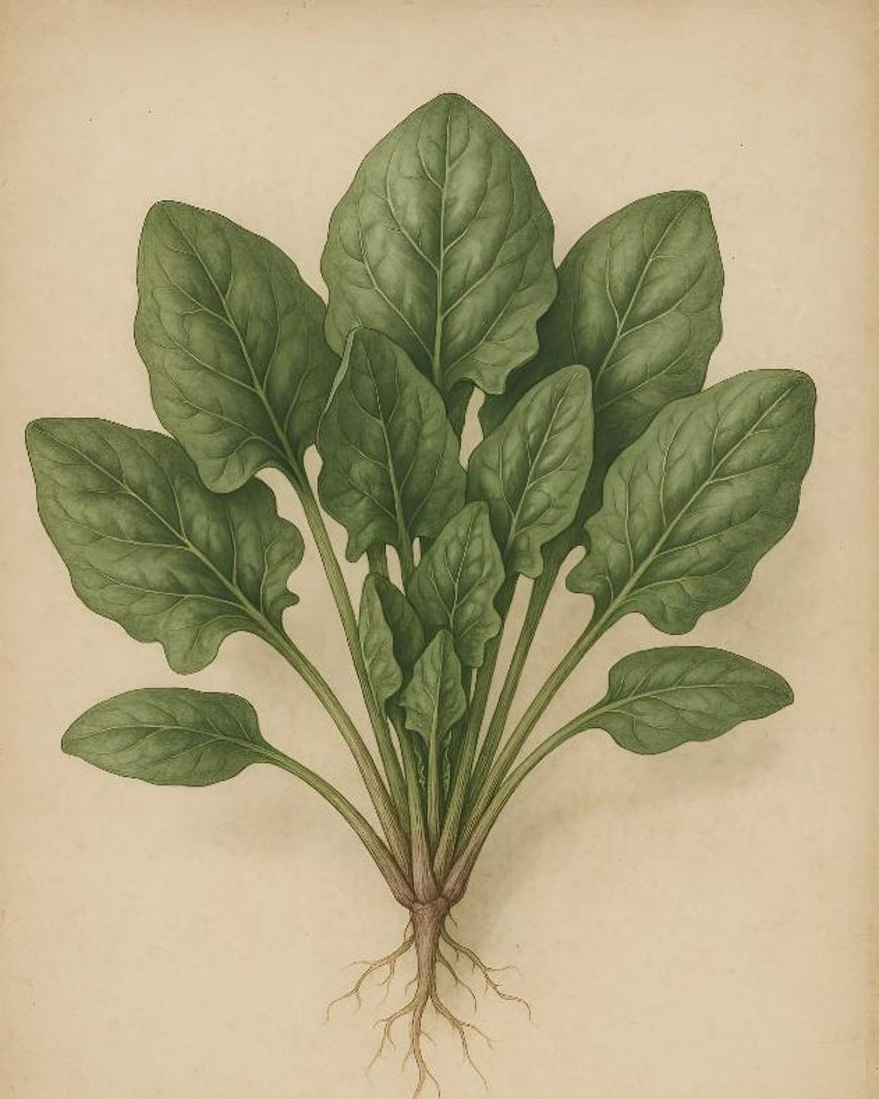
Spinach is one of England’s favourite green vegetables, which has been eaten since ancient times in Persia (modern-day Iran) since the 7th century.
It is high in iron but not as much as you would think. In 1870, a scientist misplaced the decimal point to multiply the amount by ten, which inspired the cartoon character Popeye, the error not corrected till the 1930s!
16th century Italian noblewoman Catherine de’ Medici loved spinach so much, that she brought her own chefs to France to cook it for her. That’s why any recipe called ‘Florentine’ contains spinach.
Spinach leaves are mostly water, but the leaves shrink dramatically on cooking, often within seconds of cooking.
What you need to grow organic spinach
Spinach likes partial shade (especially during hot summers) as too much sun will cause the plant to turn bitter and trigger it toflower. So use moisture well-drained soil with a neutral PH and add plenty of good garden compost. You can easily grow spinach in pots or raised beds.
Seeds are sown in March to May for a summer harvest, or sow a late crop for winter harvesting. You can contine to sow seeds every few weeks, for a continuous supply through the season. Just ensure you keep the soil damp and hand weed between roes. Spinach can be harvested within six weeks, so a great crop for impatient gardeners!
- Read up on pet-friendly gardens for plants and mulches (like cocoa) to avoid
- Use humane non-toxic methods to deter slugs/snails
- For indoor plants and greenhouses, use Feather Friendly bird tape to stop birds flying into windows (avoid facing indoor plants to face gardens).
Where to buy sustainable spinach
If you can’t find sustainable spinach seeds locally, you can buy from Rocket Gardens, River Cottage, Vital Seeds or Tamar Organics.
Ways to eat fresh organic spinach
Spinach should be avoided for people with kidney stones (due to oxalates) and people on certain medications (check paper inserts, as vitamin K can interact – mostly heart and diabetes medicines).
Young infants should not be fed high-nitrate foods (leafy greens, root veggies, celery, broccoli and green beans) also found in processed meats.
Also avoid spinach for people with mould/latex allergies, due to risk of cross-reaction allergies. Keep spinach away from pets (due to oxalates and it’s often fed with nutmeg, a toxic spice to animal friends).
- Wilted garlic spinach: Sauté minced garlic in sesame oil, then toss in fresh spinach until wilted, and serve with a splash of soy sauce.
- Smoothies: Add a handful of fresh spinach to any fruit smoothie, you won’t taste it and it gives extra nutrients.
- Simple green soup: Simmer potatoes and onions in good veggie stock until soft. Add a huge pile of spinach, and use a stick blender to turn into soup. Or throw a handful into any pasta sauce dish.
- Warm bean salad: Fry a tin of drained cannellini beans with rosemary and garlic, then stir in spinach until it wilts. Pop ring-pulls back over cans or fully remove lid and pinch tins at top before recycling, to stop wildlife getting trapped.