The Many Healing Benefits of Classical Music
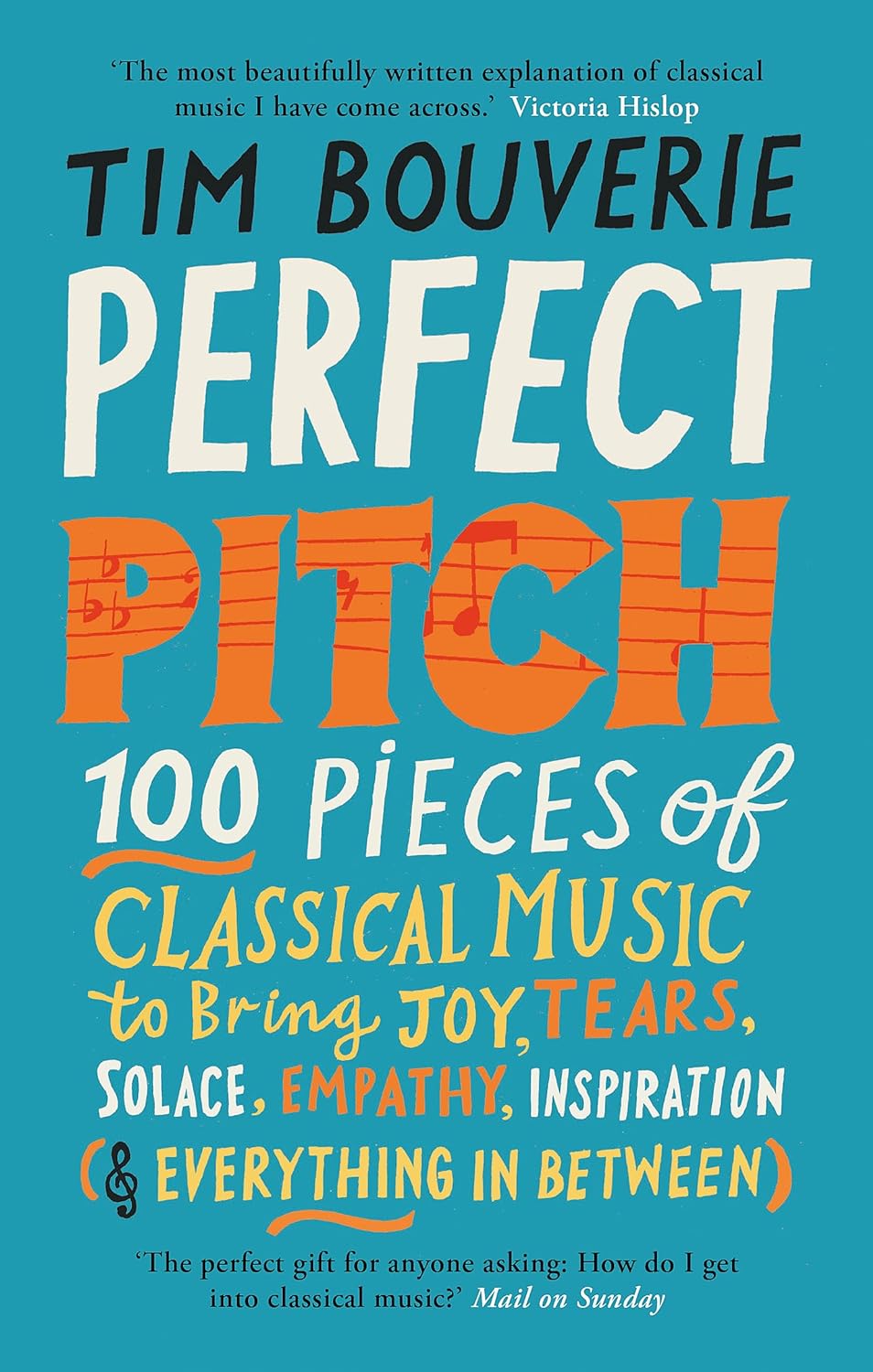
Perfect Pitch offers a book of 100 classical masterpieces to listen to, all intended to comfort and inspire. You’ll find a short introduction to each piece, plus a recommended recording.
How to Start Listening to Classical Music
You don’t need a fancy speaker or music degree to find good classical music. Just switch the dial on your radio to music stations like BBC Radio 3 or Classic FM, having them play softly in the background.
Try this sample playlist for a stress-free break:
- Mozart – Piano Sonata No. 16 (opening)
- Debussy – Clair de Lune
- Schubert – Ave Maria
- Beethoven’s Moonlight Sonata (2nd movement).
- Elgar’s ‘Nimrod’
- Marianelli’s ‘Pride & Prejudice’ piano soundtrack.
Can’t sleep? Try creating a simple playlist of slow piano sonatas, gentle harp or soft string quartets. Avoid music with sudden loud notes or fast tempos. Start to play the music at low volume, around 30 minutes before bed.
Use a speaker (to avoid getting tangled in headphones), and set a timer to turn the music off automatically. Also turn off screens and dim the lights. This will help link your brain with music and cues to rest.
The Schubert Treatment: A Story of Healing
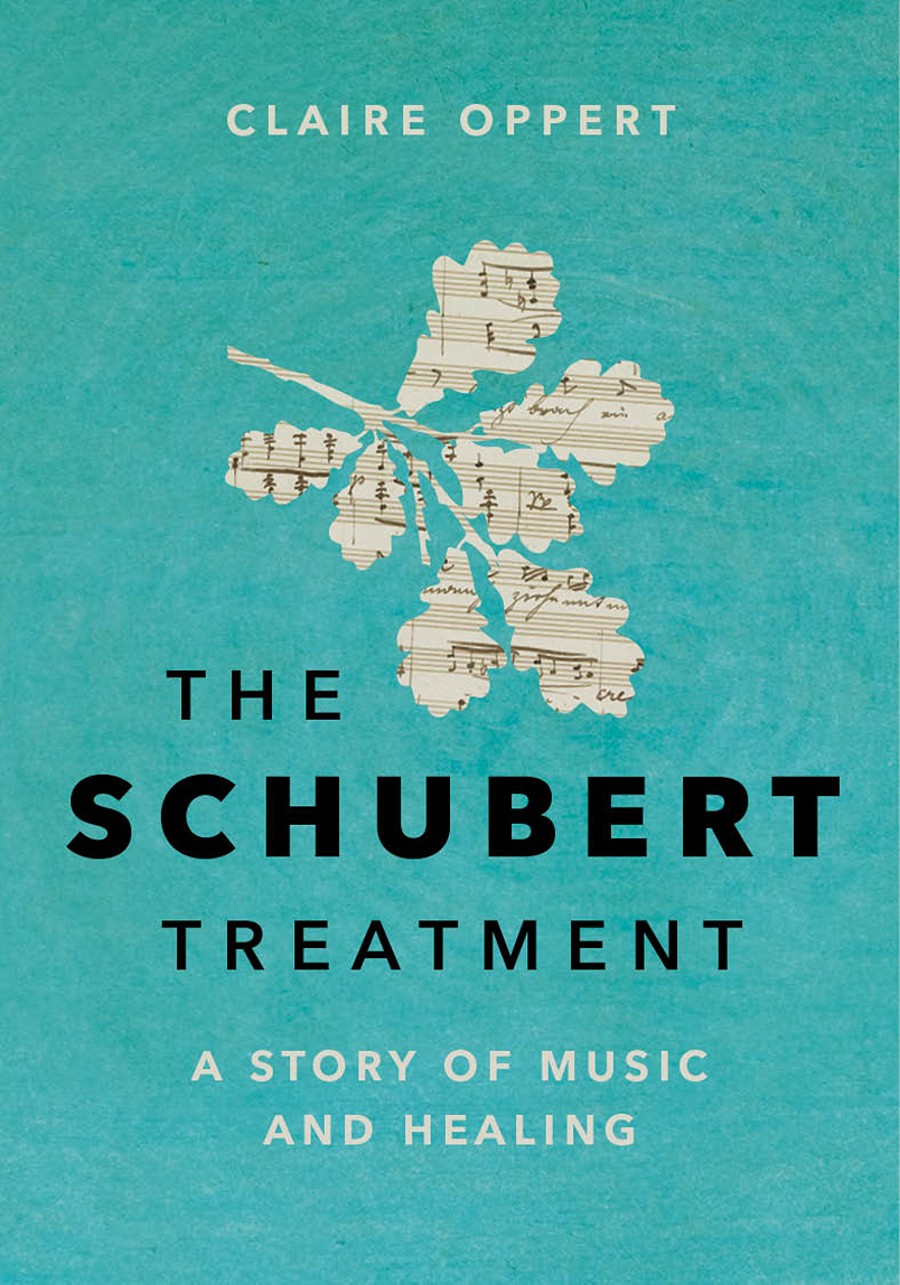
The Schubert Treatment is by an artist therapist, who found that playing the cell has profound effects on children with autism, along with patients in pain or distress, even just before death. The book features lyrical vignettes of patients she’s helped.
Doctors and nurses often turn to classical music to help people recover from surgery or manage chronic pain. The music serves as a gentle distraction, taking focus away from discomfort without causing side effects.
There’s good science to back this up: patients who listen to calming music often need less pain relief medicine and report lower pain scores. The healing power comes not just from the notes themselves, but from the way they help the brain release endorphins.
Researchers first noticed in the early 1990s that students who listened to Mozart, performed better in exams. And a study at University of Edinburgh in 2021 found that people who listened to Mozart’s piano sonatas for just 20 minutes, felt calmer and could focus better on simple tasks. Cortisol levels (which rise when in stress) dropped by 15 percent. All just from playing classical music in the room.
Why? Doctors believe it’s because Mozart’s melodies in particular have a steady pace and repeating patterns. This helps the brain to line up with natural rhythms with the beat. Your nervous system ‘syncs’ with the music, making you feel less jittery, and therefore more clear-headed.
Music Therapy for Dementia Patients
Dementia strips away memories and connections, but music often reaches through this fog, in a way that nothing else does. Many patients find the familiar tempos of classical music comforting, and some even can remember old songs, when they have forgotten all else.
A nurse at a London care home recently described how one resident, who had not spoken in days, quietly hummed along to an old Haydn string quartet.
How Music Thanatologists Help Dying People
Music thanatologists are trained in harp and voice to ‘send people peacefully out of this world’ with healing music, if requested. Symptoms eased include pain, restlessness, insomnia and laboured breathing. Thanatology can also ease emotions common near death – like anger, fear, sadness and grief.
Harpists can buy harp strings free from animal gut.
Edward Elgar’s (Midland) Musical Footprints

My, that’s a fine moustache!
Edward Elgar may not be a familiar name to many, but it’s likely you know some of his compositions. He wrote ‘Land of Hope and Glory’. His grand-daughter married the pioneer of the Sunday School movement.
If you’re a fan of Last Night of the Proms, you may like to know that it was in Herefordshire that he wrote the Pomp and Circumstance March. If you think you don’t know it – you do! Take a listen.
One of the first composers to embrace recorded music, he was also quite eccentric. He named his bicycle (Mr Phoebus) and created handmade soap (a bit dangerous, due to caustic soda).
He was an avid fan of Wolverhampton Wanderers, and would cycle 40 miles from his home in the Malverns, to watch them play. He even wrote England’s first national anthem (no doubt more lyrical than ‘It’s coming home, it’s coming home, football’s coming home!.)
He had a very happy marriage to his wife (who was cut off from her family, for marrying a Catholic). He adored dogs, and even wrote music dedicated to them.
Elgar first discovered Herefordshire as a young man. He often travelled by bicycle from his home in Worcester, soaking in the rural scenery. Locals still remember stories of Elgar sitting under the trees, jotting down themes that would appear in his music.