Tips for Healthy Bones and Joints: Evidence-Based Habits
Millions of people in England (and beyond) suffer from weak bones and aching joints. But often there is no need. Many cultures abroad don’t suffer the same (and they don’t guzzle pints of dairy milk or even visit the gym).
But they do have good plant-based sources of calcium (that are better absorbed), they walk everywhere and they limit smoking and alcohol (or don’t use them at all). They also get more fresh air and sunshine (vitamin D is linked to healthy bones).
With a few simple swaps, you can keep your bones strong and your joints healthy. Let’s find a few easy tips to start today!
Bone Aid features natural bioavailable bone complex, plant-based calcium from seaweed, vitamin K2 from chickpeas and D3 from lichen. Check medication before taking due to vitamin K.
Together Health Calcium features plant-based calcium from seaweed in a natural complex with 72 ionic trac minerals for improved absorption
Joint Aid has 95% curcumin, plus boswellic acid and black pepper
Zinc from organic guava extact
Women’s Multi with higher levels of iron, biotin, chromium and copper
Vitamind D3 from wild-grown lichen with 1000iu active vitamin D3 in a base of coconut oil for better absoption.
Vitamin B12 is soil-associatiion certififed at the optimum dose
Vegan multi with b12 and calcium from seaweed
Pregnancy multi for folate and also for conception and nursing
Night Time with 5 forms of magnesim, grifonnia extract for natural 5-HTP and premim hops extract
Multibiotic has 36 fermented fruits and vegs, plus 16 addiction live bacteria strains to promote growth of good bacteria, and 13 billion CFU at time of manufacture
Men’s multi with higher levels of b vitamins, zinc and selenium .
Eat plenty of plant-based calcium
Although dairy has calcium, plant-based versions are better absorbed (leafy green veggies are good, but check medication due to interaction with vitamin K).
Take up weight-bearing exercise
Walking has some effect, but ideally use bodyweight exercises (follow simple videos from trainer Lucy Wyndham-Read). Or use resistance bands (buy with workout videos at Move It Or Lose It! (includes wheelchair options).
Exercise will also help to reduce weight, which puts strain on bones and joints. But remember that being underweight can lead to brittle bones.
Eat plant-based protein
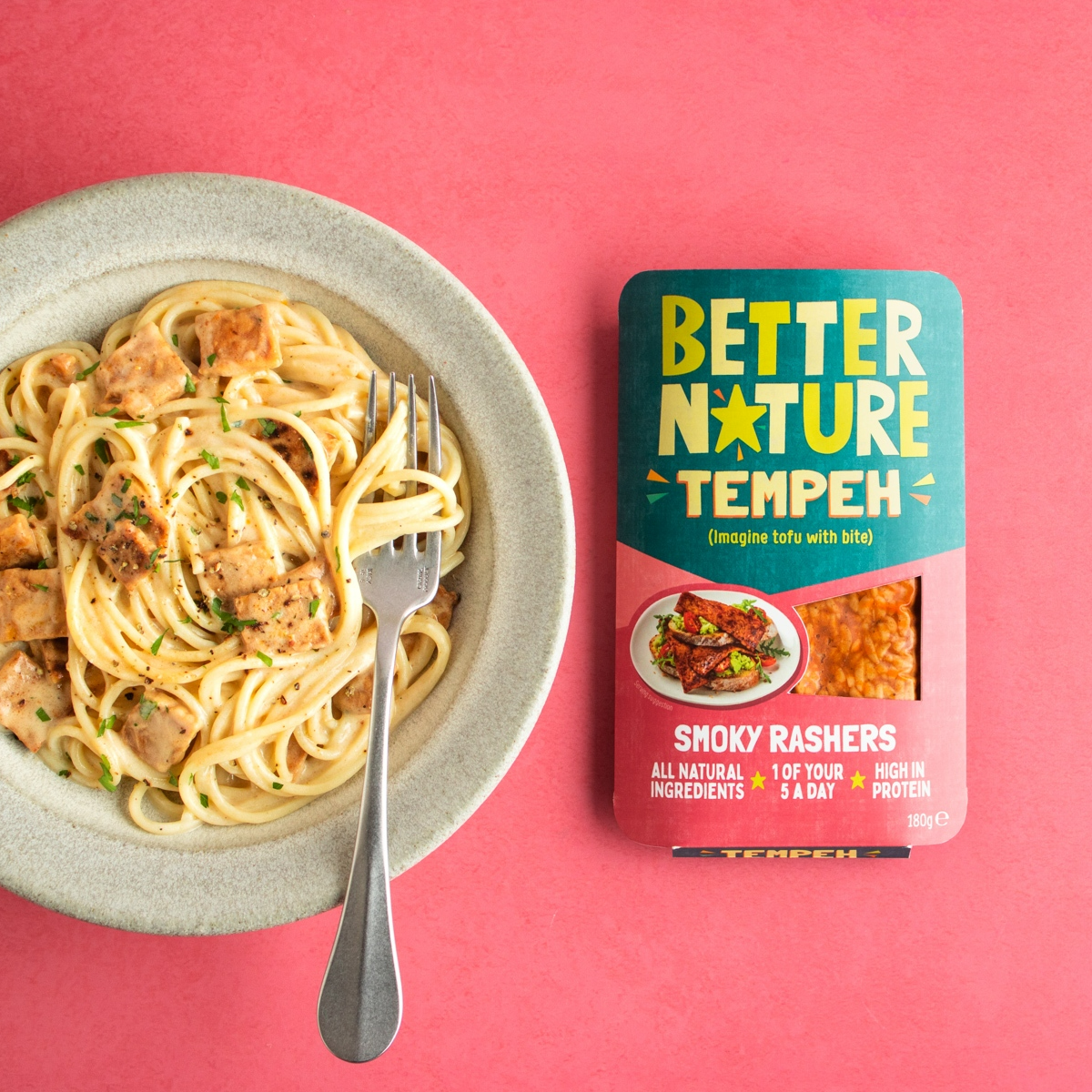
There are plenty of plant-based proteins to enjoy (peas, lentils, beans on toast and even black-bean brownies!) Also seek out tofu, tempeh and seitan in stores (all good high-protein foods, and many are pre-flavoured so you can just throw them in a pan with some sauce for a lovely quick tasty meal).
Cut down on salt and fizzy drinks
Both can make your body lose calcium (there’s nothing wrong with a little sea salt on pasta, unless there’s a medical reason to avoid). But avoid ‘hidden salt’ in too many packs of crisps etc!
Give up smoking and limit alcohol
Give up smoking and limit alcohol. Both can lead to weak thinner bones. NHS guidelines for booze are one glass or wine OR one pint of beer OR 2 spirit measures (no more than 6 times a week).
Of course no alcohol for driving and pregnancy/nursing – or alcohol issues.
Ask your GP for a medication review
Some medications can weaken bones, so ask for a yearly medication review, to ensure you are only taking what you need. Never stop any medicine without advice.
Good GPs will recommend lifestyle changes anyway before medication. And should also offer bone density tests.
Dr.Vegan Osteofriend (a supplement for healthy bones)

Dr.Vegan OsteoFriend is a quality supplement, the first order is sold in a refillable metal tin. You then just order refills in eco-friendly pouches after that, to save on waste and save money. Subscribe online for big savings, once you have the first order with the tin.
Designed to help bone density, muscles and connective tissues, it contains 19 active ingredients including high-strength calcium, magnesium, vitamins D3 and K2, curcumin, MSM and L-Lysine.
Check with GP before taking supplements if on medication (or if pregnant/nursing). Keep supplements away from children and pets and recycle unused ones at pharmacies (never flush down the loo).
When to expect improvements
- 1 week (nutrient deficiencies start to improve)
- 2 weeks (increased absorption of bone-supporting nutrients)
- 3 weeks (osteoblasts start working for stronger bones)
- 1 month (better mobility, bone strength & joint health)
Feel magnesium and calcium supplement
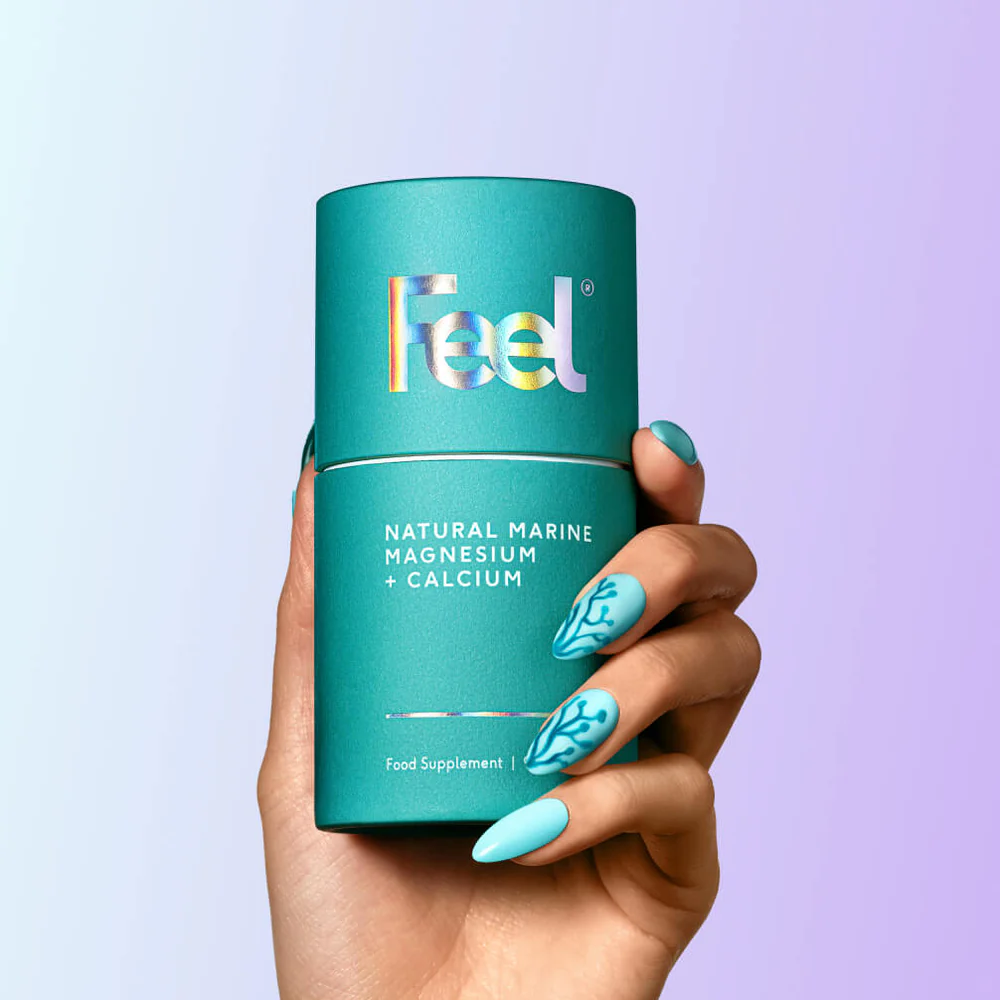
Feel Magnesium & Calcium is a quality nutritional supplement formulated by experts, and sold in zero waste sustainable packaging. All their products are vegan and not tested on animals.
Use code partner20 for 20% discount (not bundles or subscriptions). If you subscribe, sign up for an account to earn discount rewards.
This supplement is mostly for healthy bones, but a good side effect is a good night’s sleep (magnesium is known as ‘the sleep vitamin’) with added benefits for relaxation and nerve function.
Using plant-based minerals from the seawaters of the Irish and Atlantic seabed around the Atlantic coast and 72 trace minerals, this is backed by over 40 peer-reviewed scientific publications. This mineral complex is 250% more effective than regular calcium, and many times better than regular magnesium.
When to expect improvements?
- 1 month (more vitamin D should mean efficient use of calcium and phosphorus for better bone health, and silica to improve bone mineral density, and improve hair, skin and nails.
- 3 months (good body serum levels of fat-soluble vitamin D, for better immunity, bone health and muscle function)
- 1 year (bone turnover supported by nutrients for better structure and stability, and enhanced bone strength)
Rehab Science (overcome pain, heal from injury)
Rehab Science is a super book to help people heal from injury and recover mobility after injury or other medical conditions. This book is written by a highly-qualified professional. It’s expensive but that’s because it’s really for professionals (so a great investment not just for physiotherapists but also for GP surgeries, injury and sports clinics, or hospitals and even nursing homes).
Although sometimes medicine and surgery is needed, in many cases these exercises will cure faster than just popping a pill. The book was discovered after miraculous results from a 6-minute YouTube video by the author (more on that below).
This book offers a foundational explanation of how to treat both acute and chronic pain conditions, and how to identify injuries and use simple methods to increase strength and tissue, and improve movement and reduce pain.
There are 30 programs to cover the most common pain and injuries in every body region, including:
- Low back pain
- Sprains and strains (ankle, wrist, hamstring, whiplash)
- Nerve pain (sciatica, carpal tunnel, herniated discs, lumbar stenosis)
- Tendinopathies (tennis and golfer’s elbow, hip flexor, gluteal and patellar)
- Ligament and tendon tears (Achilles, rotator cuff, hamstring, groin)
- Shoulder and hip impingements
- Dislocations and labral tears
- Meniscus tears
- Plantar fasciitis
- Shin splits
- Arthritis (neck, knee, hip)
Dr Tom Walters is a board-certified orthopaedic physical therapist, who specialises in treating pain and movement disorders. He runs a free YouTube channel, where you can do simple exercises alongside him, to treat many painful conditions.
If you have chronic pain or a complicated condition, you can join Tom’s membership plan, where you can upload symptoms and get a personalised custom plan (which costs less than the private cost of visiting a physiotherapist in the UK – good but likely too expensive for some if you can’t get results on the NHS).
Alas as you don’t live in the USA, you won’t be able to use health insurance to pay for it (you might, ask!) But most users feel better after six weeks. So try the free exercises first, then consider this option if no joy.
Epsom salts (for soothing joints and muscles)
Epsom salts (named after the Surrey town) contain magnesium. A cup in the bath tub can refresh tired legs, and is preferable to dead sea salts (from a sea that is literally dying). Despite the name, the Dead Sea supports 500 million birds (300 species) and many plants, fish, leopards and ibex.
Epsom salts come from a Surrey town (named after its natural springs). It is best-known for healing aching joints in baths, but is also works well as a natural fabric softener.
Add a couple of handfuls to bath water, to soak away aches and pains. When dissolved in water, Epsom salts split into magnesium (helps you sleep!) ions and sulfate ions. Stir the water with your hands to dissolve crystals and soak for 12 to 15 minutes. Rinse off with clean water after to prevent dry skin, and drink a glass of water to rehydrate.
You can also add them to a foot bath (soak for 20 minutes).
Avoid Epsom salt baths for open wounds/burns, nerve damage (like diabetic feet), skin infections or heart disease (hot baths can lower blood pressure and increase heart rate).
Although Epsom salts are not ‘unsafe’ for pregnancy, it’s best to avoid hot baths as they can raise body temperature and restrict blood flow to babies, increasing risk of complications. If you take baths, keep them warm (not hot) and no more than 15 minutes.
Bath safety tips (for adults and children)
Choose unscented bath products if pregnant/nursing. If you use bath water diverters (that hang out the window to reuse water for the garden), only choose unscented biodegradable products – even sea salt could harm plants and pets/birds/wildlife drinking the water below).
Test the water before you get in the bath, and always stand up slowly when you get out (avoid very hot baths for heart/blood pressure conditions and pregnancy/nursing. Limit baths to 30 minutes or so, and avoid slippery bath oils (a non-slip bath mat helps to stay safe too).
NHS has a 2-minute video by a midwife on safe baby baths (never leave babies alone for a second, and avoid bath seats, as these can quickly detach).
When running a bath, test temperature by adding hot water with your wrist or elbow, keep your baby’s head clear of the water, and don’t bath straight after feeds (nor if a baby is hungry or tired). Avoid baby oils and talcum powder (don’t use cotton buds to clean ears, the cause of most infections).
Keeping pets safe near bathrooms
Avoid pet-toxic plants in bathrooms or other rooms (read more on pet-friendly gardens – some indoor plants like lilies or sago palm can even harm, by a tail brushing past). Likewise, keep scented oils (esp. citrus) away from pets (never use xylitol toothpastes – or gums/baked goods containing it – in homes with pets).
Avoid facing indoor plants to outdoor gardens (and use curtains/blinds/screens over windows), to help stop birds flying into windows.