Keep It Flowing: Sustainable Drain Care Made Easy
Clean drains may seem like a boring subject, but it’s an important one. Throwing chemicals, caustic soda and bleach down sinks and drains not only is usually ineffective, but causes harm to aquatic wildlife. And is also very dangerous.
Even if natural, never mix any kind of bleach with vinegar, it causes toxic gas.
You can recycle empty cleaning bottles at kerbside. For bottles with product, recycle at your local council’s hazardous waste department.
Sinkshield (stops clogged sinks before they start)
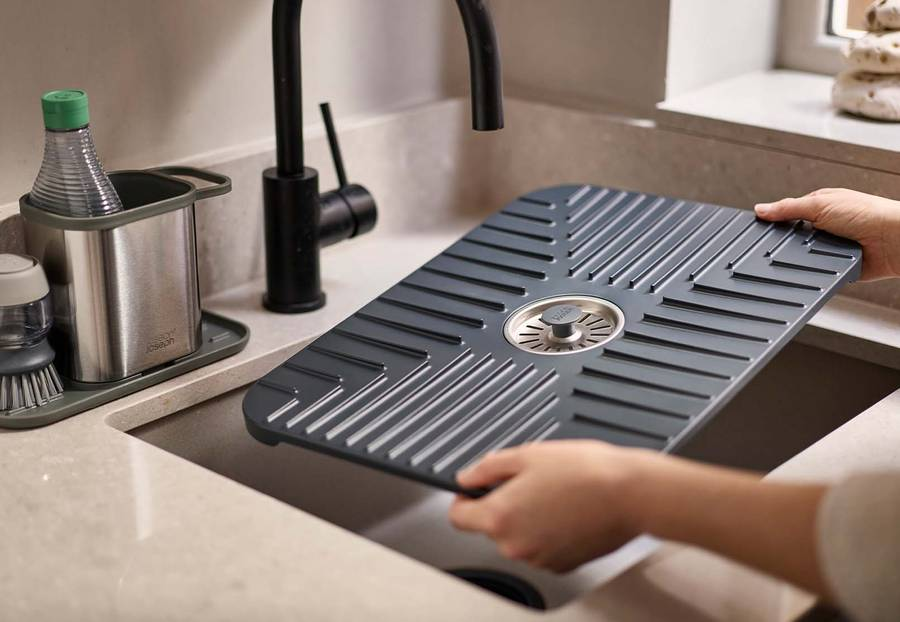
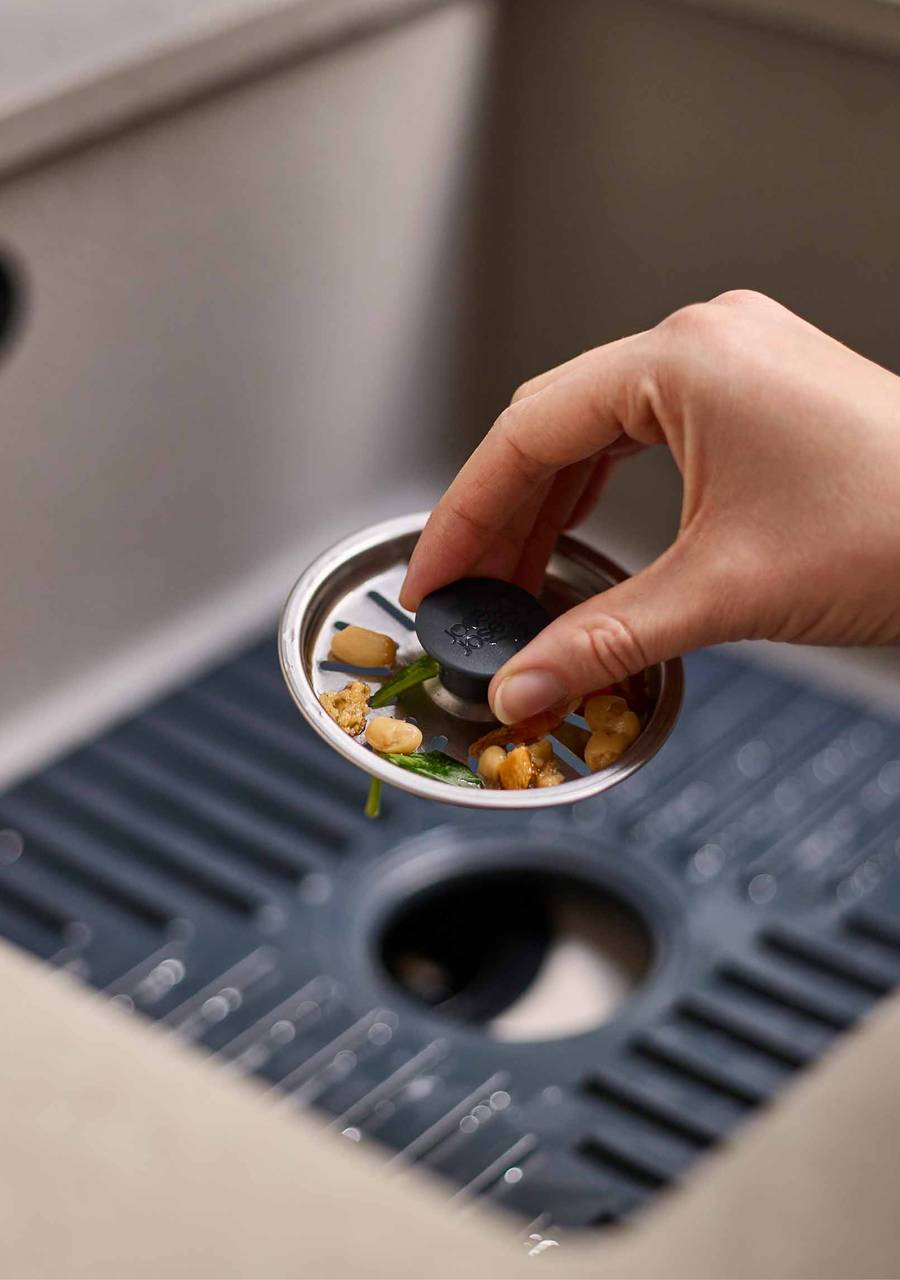
Sinkshield is a wonderful little investment for your kitchen sink. Just place it in the sink to stop bits of food and tea/coffee grounds clogging sinks and drains, resulting in high plumber bills.
Latest advice is not to compost tea leaves and coffee grounds, as the acids could harm compost creatures. But swishing them around with water and pouring them out without some kind of filter can clog up sinks.
Also bin allium scraps (onion, leeks, garlic, shallots, chives) and citrus/tomato/rhubarb scraps, as acids could harm compost creatures. It’s okay to put them in food waste bins (made into biogas).
This sink protector mat also is good to avoid damage to delicate items when washing up, and prevents scratches on your sink surface. It has a removable plug for drainage and catching food debris, and grooves that channel water, to help drainage. And non-slip feet raise the grooved surface, for better drainage.
It’s easy to clean (just wash and dry by hand).
Allow cookware to cool to room temperature, before placing on top of the sink protector, and do not use submerged.
EvenGreener cooking oil recycling bin
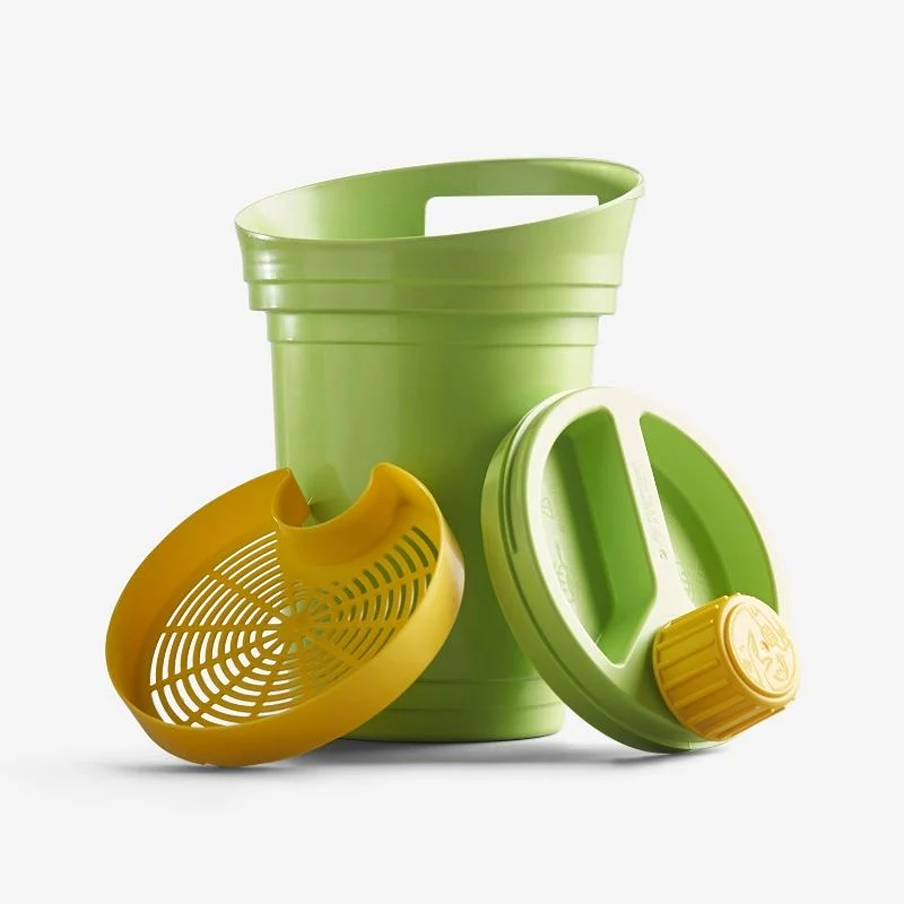
If you have a small amount of vegetable oil, just wrap it in kitchen roll and bin. But for larger amounts, pouring down sinks can clog drains and cause ‘fatbergs’ (same with cream liqueurs, just use them up).
One idea to use less oil is an air-fryer (below). But if you use a lot of oil, invest in a cooking oil recycling bin to collect it, then empty at an oil recycling bank.
Don’t give leftover fatty foods to garden birds or wildfowl (it smears on feathers, affecting waterproofing & insulation).
Before recycling cans, rinse then remove lids (pop ring-pulls over holes). Then use your fingers/thumb to ‘pinch’ inner rims together, to avoid wildlife getting trapped.
Which cooking oils are healthiest?
In England, we like our cooking oils. But which ones are better for health? Rapeseed oil is more local than olive oil (responsible for those fields of bright yellow flowers). Oils are not really ‘healthy’, as they are refined. Chef Brandi Doming never uses oil in recipes, but she does use fats (olives over olive oil, nuts over nut oils).
If you use oil to cook, the smoke point is what determines if it’s healthy or not (Italians may disagree, but olive oil is best for salads, and the best oil for cooking is local rapeseed oil (makes lovely roast potatoes with no goose fat needed).
Sunflower oil is cheap and popular and okay in moderation, but not too much. Nutritionist Michaella Mazzoni says that deep-frying with this oil damages the fats like a broken vase (‘it has been put together, but isn’t quite right anymore’).
Coconut oil has more saturated fat than butter (so can raise cholesterol) and is flammable (so take care when cooking). Popular in Asian cooking, the odd creamy coconut curry is not going to harm, but don’t eat this oil every day. Life in balance!
Tubshroom (unclogs sinks)
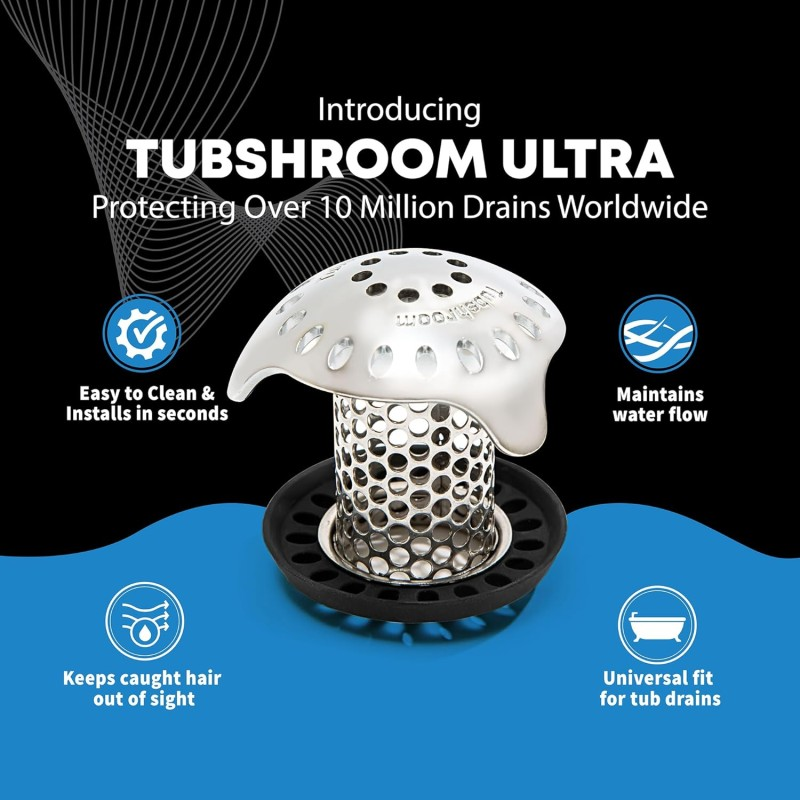
Tubshroom is a one-off purchase to place in your shower room tray, to stop hair from blocking drains. T his prevents spending £80 on a plumber and garden floods.
To clean, just remove and wipe away hair and debris, rinse under water and replace. It’s also dishwasher-safe. This company also makes DrainShroom snake, which attaches to a power drill to clear clogged drains with ease.
Use baking soda and cleaning vinegar
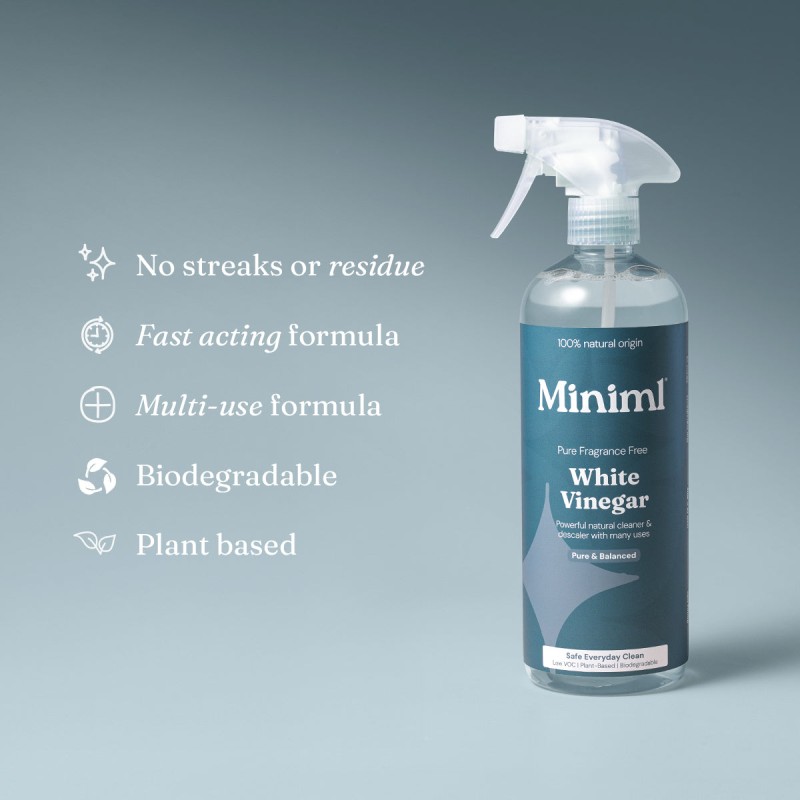
If drains are clogged, pour half to 1 cup of baking soda followed by 1 cup of cleaning vinegar into the drain or sink, cover for 15 to 30 minutes, then flush with boiling water. This causes an acidic reaction to break down residue, without damaging pipes.
Silicone hair catcher (for shower cubicles)
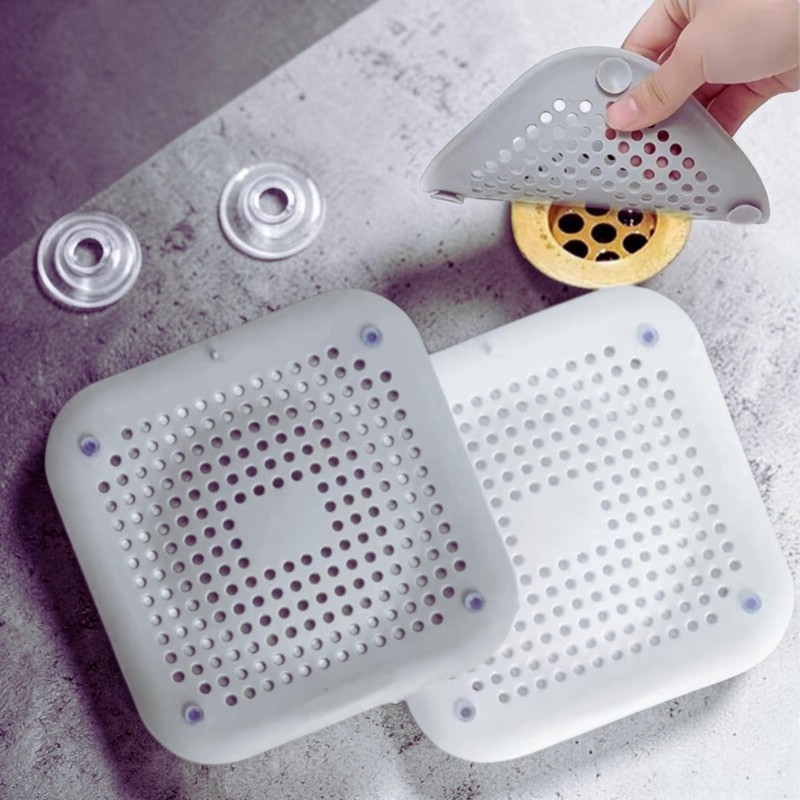
Brush your hair before entering the shower, to remove loose strands (especially if you have long dark hair! Each month, pour half a cup of bicarbonate of soda and then 1 cup of cleaning vinegar in the drain, then flush with hot water after 10 to 15 minutes (this keeps pipes running free).
The best preventive measure is a silicone hair catcher. This simply fits over the drain to stop hairs clogging, so you can just remove and bin them.
Never put loose hair (from showers or haircuts) in gardens (not pet fur). Birds don’t need this, it can choke or go mouldy, and even get caught around legs, cutting off circulation. Birds have been making nests for thousands of years, they don’t need our help with ‘extra materials.
It’s good to pour a kettle of boiling water down the drain each week, to melet away built-up soap scum that can trap hair in shower cubicles.