Local seasonal organic food (where to find it)

If you don’t grow your own no-dig veggies, local veg box schemes are an alternative to supermarkets. Produce is fresh and usually organic, with no packaging. Many offer smaller boxes for one or two person households. And you can pause if you go on holiday or visit hospital etc.
Ensure boxes are in safe places away from pets (due to citrus, onion, garlic, mushrooms etc). Farmers need a government license to sell to the public (also buy liability insurance). Know food hygiene rules.
Read more on no-dig gardening and humane slug/snail deterrents. If you live with animal friends, read up on pet-friendly gardens (some recommended flowers and fruit trees are not safe). Also avoid netting to protect food (just leave some for wildlife!)
How do veg box schemes work?
You simply sign up to get a weekly or fortnightly box of seasonal produce. Usually these are fixed, though sometimes you can make swaps. Larger schemes let you pick, like in a supermarket. It’s a no-waste way of enjoy fresh food to your door.
Usually there are different boxes. Some offer only veggies or only fruits and others offer mixed boxes. Some offer British only, others offer sea-freightened citrus fruits and bananas. Larger ones may offer grocery items like fresh bread and staples.
There’s no plastic. Each week, you just leave out your empty box and get it replace by a new one.
Unless you have a food waste bin, just bin scraps of peppers and onion/garlic/shallots/chives/leeks (and tomato/rhubarb/citrus), as acids could harm compost creatures.
If ordering tinned foods alongside (some offer grocery items), rinse/remove lids (or pop ring-pulls back over holes). Then step on upper cans to pinch rims together, to stop wildlife getting trapped.
The benefits of local veg boxes
Where to start? For a start, you are supporting local indie organic farmers, and using less plastic. It’s also more affordable and has less food miles. 25% of all road traffic is from lorries deliveriing food to supermarkets.
Less oil (no fridges to chill produce in supermarkets, nor to store nor to ferry to stores, nor in pesticides). This is how we use less oil as a country. You don’t have to drive to the shop (less oil again).
Also having a surprise box encourages you to cook. You don’t want to waste the produce, so you’ll tend to cook meals around what’s in the box. Instead of just buying anything you find in the store, then getting home and it goes to waste, as you don’t really know what to do with it.
What to do during England’s hungry gap?
England has a ‘hungry gap’ around April. When most winter crops have been harvested and the summer harvest is not yet here. Most things don’t grow.
Kale grows all-year (check medication before eating leafy greens).
And many box schemes grow in polytunnels and greenhouses. If so, use screens on glass to help stop birds flying into windows.
Where to find local veg box schemes
You can look them up online, just enter your local area. Or:
- The Food Assembly links customers with farmers. Just pick your delivery and pick-up point like schools or community halls. Produce changes weekly, depending on what’s in season.
- Kentish Town Veg Box (London) offers affordable veg bags (and optional fruits like rhubarb) with farmers receiving around 60% of each pound spent. Buy basil from London and aubergines from Kent! Donates to help people on low incomes.
- Growing Communities (East and South London) has boxes starting from £10, using pick-up points to keep prices low. Farmers receive 50% of the price you pay (three times more than supermarkets) for a resilient food system that is not affected by rising oil prices. It also sells wholesale.
- Sutton Community Farm (South London) delivers seasonal, organic fruit and veg boxes as well as pantry staples to homes or pick-up points, grown on their community-owned farm.
- Riverford (London) delivers boxes of different sizes, with extras like salad or bread. Everything is picked to order, and delivered within 48 hours of harvest.
Veg boxes that use up food waste
These are not always organic, but use up food that would otherwise go to waste. This food is often rejected by supermarkets because it’s wonky or odd-shaped and works out more affordable.
Food campaigner and chef Hugh Fearnley-Whittingstall is not impressed by ‘supermarket wonky produce’. He says it’s often the supermarkets themselves that are rejecting ‘imperfect produce’. Then tries to sell wonky leftovers, for more profits.
Despite being a food waste champ, Hugh has a guilty secret. Unlike his wife who can eat the whole apple including the core, he can’t. He says she can bite off the ends and middle to leave a tiny stalk, but he is still left with a ‘pencil-sized core!’
- Earth and Wheat sells wonky fresh produce and bread, and a vegan grocery store. Produce sold here has been rejected by others for being too big, long, blemished, too thin or the wrong colour.
- Wonky Veg Boxes again helps to buy up and sell ‘imperfect produce’ that farmers have had rejected by supermarkets: often carrots, parsnips, potatoes and apples with odd shapes or little scars.
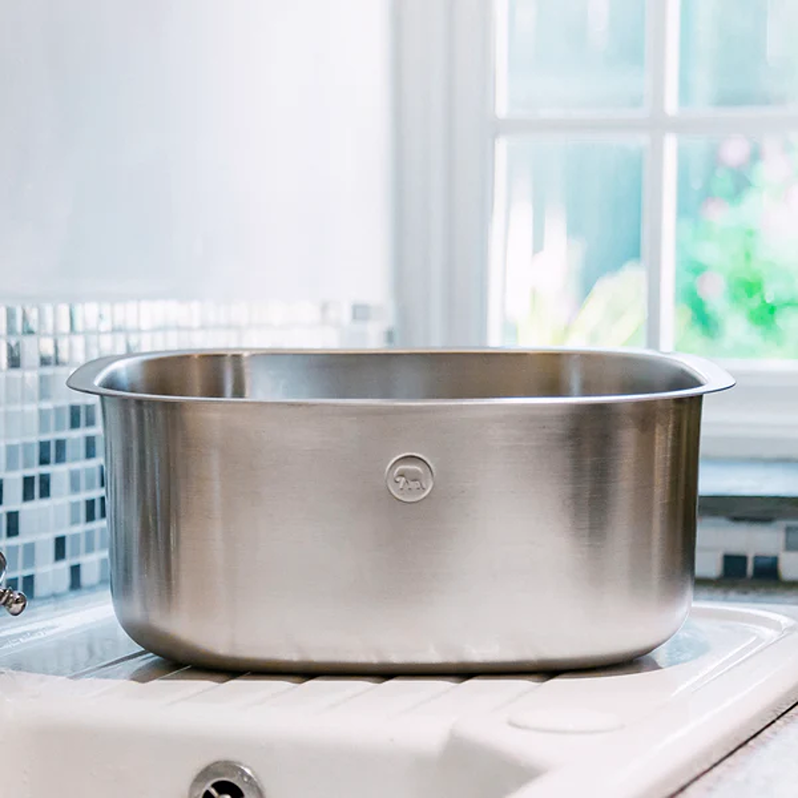
- Oddbox offers dinky apples to curvy courgettes, with clear pricing for surprise boxes in plastic-free packaging. Nationwide delivery is available.
Support your farmers’ market (keep money local)

Farmers’ markets thrive in many countries, especially in the New York state of Ithaca, which has a wonderful book on how to do it right. More than just places to buy food, farmers’ markets maintain direct links between farmers and consumers, and means less food miles and packaging.
London Farmer’s Markets operate in many boroughs. You won’t find pots of olives (not local!) but you will find local organic apples and cherries!
Surbiton Farmers’ Market (Surrey) has raised over £60,000 for local shelters, hospices and carer networks by match-funding money raised and offering a free stall for charity volunteers. They have funded a local cancer ward, blind people going on day-trips, carers on ice-skating trips and a homeless shelter receiving books.
Farmers need a government license to sell at markets (and liability insurance). Know food hygiene rules and read up on food safety for people and pets.
Read more on no-dig gardening and humane slug/snail deterrents. If you live with animal friends, read up on pet-friendly gardens (some recommended flowers and fruit trees are not safe). Also avoid netting to protect food (just leave some for wildlife!)
Freshly picked fruit and veg
Most fresh produce in supermarkets is not local (even if grown locally, it usually travels to central distribution houses before being returned). Produce from farmers’ markets often has been picked that morning, or the day before. From a few miles away.
This is also means more affordable food, and less traffic on the road (around 25% of all road traffic is from lorries delivering food to other places).
Plus the farmer who sells you the food at market, is likely the same person who grew it. So can tell you the difference between certain apples or cabbages, and may have useful recipe tips.
Keeping money in thte community
With so many people finding it difficult to afford food, farmers’ markets tend to be more affordable. You are not paying for packaging or superstore director salaries. The money goes to the farmer, and this keeps money in communities.
If the farmer earns money and you run a hair salon, he will likely visit to get his hair cut!
Rent for markets is more affordable, so these cost savings are passed onto you. And local traders usually eat their lunch at the local pub or sandwich shop, and will order signs from local signwriters. Just spending £5 a day in a town, can generate millions of income, if indies are supported.
A recent report by Sustain found that the average farmer growing 1kg of carrots gets little more than 1p in profit, despite them costing 19p or so to grow, and the carrots selling for around 69p a bag. That means supermarkets are making more profit than the farmers.
Teaching children about food
A worrying survey among young schoolchildren, found that many had no idea where their food came from. Some had no idea that potatoes grew underground, and even thought cheese grew on trees!
Taking children to farmers’ markets, lets them meet the very people who grew the food. They can ask questions on how tomatoes grow, which produce is seasonal. And parents and adults can even swap tips, with the farmers who actually harvested the carrots from the soil.
Community Supported Agriculture (empowering farmers)

Community Supported Agriculture, is when you pay farmers in advance for the harvest, and then get your ‘money back’, in the form of food! This means small farmers can cut out the middlemen, and sell direct rather than selling at tiny prices to supermarkets (some even earn just 1p for some crops).
If we want good food at affordable prices, the obvious start is to cut out the middlemen, and buy direct from CSAs and farmers’ markets (even farm shops can be expensive, as they are taking profit).
If a supermarket sells a 1kg bag of carrots at 70p, the farmer is not making much profit, and if locked into supermarket contracts, is unable to sell elsewhere. And supporting local farmers is good for local economies, as they are more likely to support other local businesses.
Read more on no-dig gardening and humane slug/snail deterrents. If you live with animal friends, read up on pet-friendly gardens (some recommended flowers and fruit trees are not safe). Also avoid netting to protect food (just leave some for wildlife!)
Where to find CSA farms
Just enter your postcode to find local CSA farms! You then choose a category (there are over 135 vegetable CSAs listed). If you eat animal foods, ensure any listings are for certified free-range organic foods, for best welfare.
How to order from CSA farms
Each one works differently. But as a rule, you just pay for the harvest in advance, then receive your ‘money back’ in the form of a harvested crop, or sometimes a regular organic box.
Veg boxes can be left in a safe place if you are out (say a shed or garage or porch). Keep them away from pets (onion, garlic etc are not safe near animal friends). Read more on food safety for people and pets.
Unless you’re an expert composter, avoid composting acidic scraps (peppers, onion, garlic, leeks, shallots, chives, tomatoes, citrus, rhubarb) as this could harm compost bin creatures. Just bin them, to break down naturally.
The Community Farm (Bristol & Bath)
The Community Farm is a good example of a non-profit CSA Farm. It offers a wide range of veg boxes (potatoes, onions, carrots, beetroot, sweetcorn, kale, parsnips, cauliflower, runner beans and kohlrabi). The warehouse handles allergens (gluten, mustard, celery/celeriac).
Profits have been reinvented back to create 30 quality jobs. You can also add £3 to your order that goes to their Community Fund, to provide organic food to local people on low incomes.
This farm’s organic methods protect hedgerows (which has led to an increase in numbers of endangered bees and butterflies). Other wildlife enjoying their land include deer, badgers, stoats, and birds (skylarks, kestrels, buzzards, yellowhammers, tawny owls, woodpeckers and endangered lapwings).
Can CSA be used for other food?
Yes! The Handmade Bakery (Yorkshire) is a good example of how a thriving enterprise was launched, by offering ‘bread bonds’ to local people, who received ‘share dividends’ in the form of freshly-baked loaves.
A loaf that sells in supermarkets for over £1 may only make a wheat farmer 9p profit.
The government and big food chains are not going to change the food system, so it’s up to us to make small empowered changes. Switching some of your shopping to a CSA farm helps to keep good organic food local and affordable, and supports farmers directly, who don’t have to sell out.
Waterland CSA is a local community-supported-agriculture farm. So instead of buying from supermarkets and seeing farmers sell produce for a pittance, you ‘pay the farmers’ in advance then take your share of the harvest, when the crops come in!
Delivery is through Connect Cambridge (by electric bikes or vans).