London in 32 Stops: discovering nature in each borough

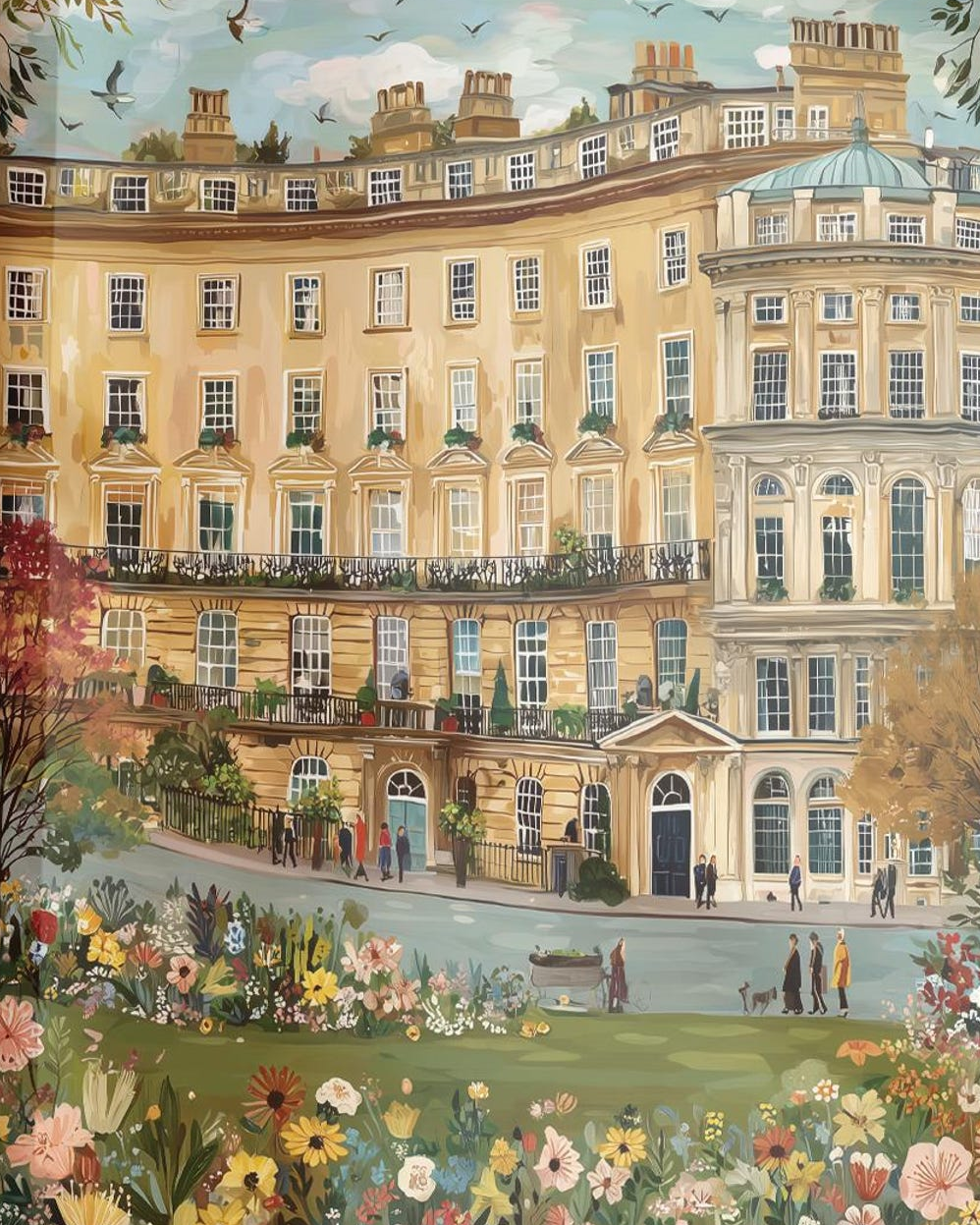
Regent’s Park, Ava Lily
London is made up of 32 or so boroughs (some border Kent to Buckinghamshire to Hertfordshire). Plus there are the cities of Westminster and City of London, which are kind of like cities within a city!
If out walking, follow the Countryside Code to keep all creatures safe (learn how to upright an overturned sheep).Keep dogs away from steep banks, cliffs and toxic plants/trees.
London is not what the media portrays
Now this is not a political site. And there for sure are issues that are concerning with the new government (drilling for oil, building homes on green belt land, world peace etc).
But let’s stay positive, and say that this is the best chance in years (or decades) we’ve had of bringing power back to communities, and getting some good things done.
So instead of frightening people by saying that London is dangerous (it’s actually one of the safest cities on earth), let’s meet all 32 boroughs, and say hello! Even for those who don’t live in London, it’s still good to get to know this wonderful cosmpolitan city.
It would be interesting to know if some scaremongering campaigners actually knew of the beautiful nature within each one:
- Barking & Dagenham – home to Beam Valley, a green corridor of meadows, wetlands and woodland along the River Beam
- Barnet – Totteridge Valley is an important North London landscape with ancient hedgerows, meadows and woodland
- Bexley – Danson Park combines open grassland, mature trees and a lake
- Brent – Fryent Country Park goes beyond Wembley Stadium, to find meadows, ponds and woodland
- Bromley – London’s largest borough that borders Kent is home to part of the North Downs
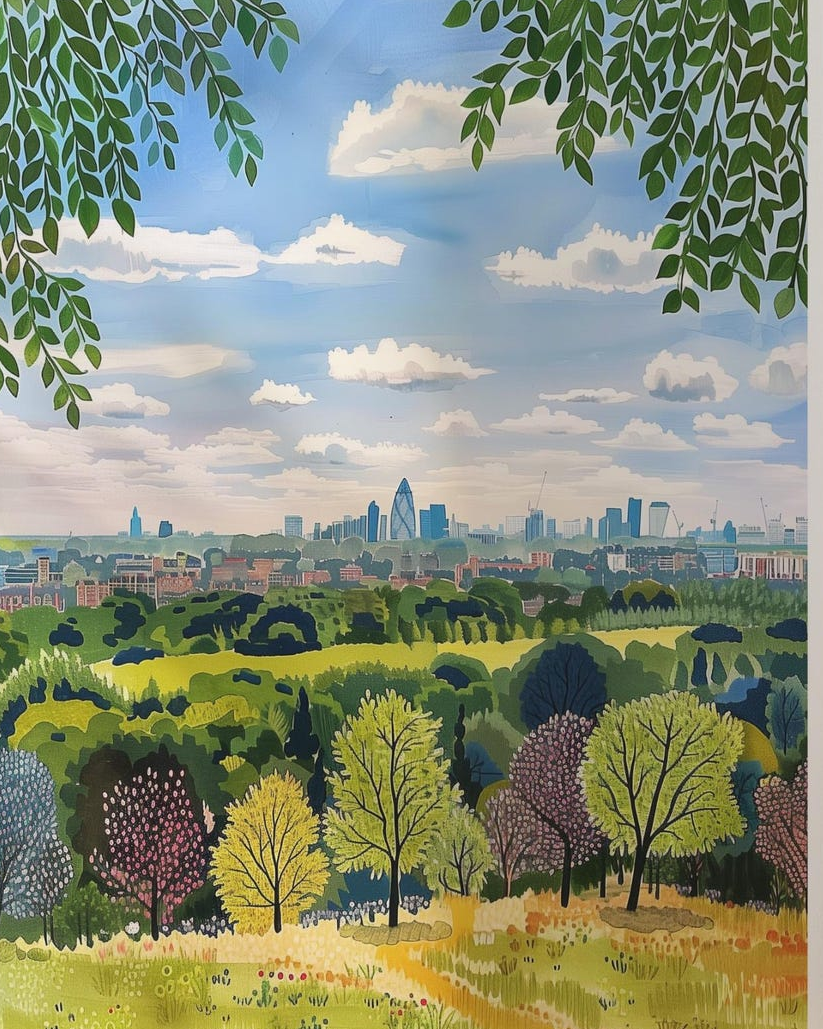
Camden in North London is home to Hampstead Heath, one of London’s great wild spaces, with over 800 acres of countryside, ancient woodland, meadows and ponds
A recent study by Imperial College London found that one dog-swimming pond contained chemicals dangerous to aquatic life, possibly from pesticides used in parasite treatments for flea/tick infestations. Read more on this to keep dogs safe.
- Croydon is home to large areas of chalk grassland and woodland including Farthing Downs and Coulsdon Common
- Ealing is home to Walpole Park and ancient Perivale Wood
- Enfield green spaces include Enfield Chase and Whitewebbs Park
- Greenwich has its own Royal Park with ancient trees and spectacular views across the city.
- Hackney is home to Hackney Marshes plus waterways, grasslands and wetlands that provide valuable habitat for wildlife.
- Hammersmith & Fulham is home to its own park, plus riverside spaces that provide pockets of greenery in one of the most urban areas of London
- Haringey is home to ancient Highgate Wood, with some trees here being hundreds of years old (home for birds, bats and woodland wildlife.
- Harrow is home to a Weald Common with woodland, heathland and open grassland in northwest London, a world away from Heathrow Airport.
- Havering is rich in countryside (meadows, wetland and woodland) including Ingrebourne Valley
- Hillingdon is home to Ruislip Woods (one of London’s largest areas of ancient woodland)
- Hounslow retains one of London’s rare heathlands
- Islington has over 120 parks and green spaces including Highbury Fields and Culpeper Community Garden.
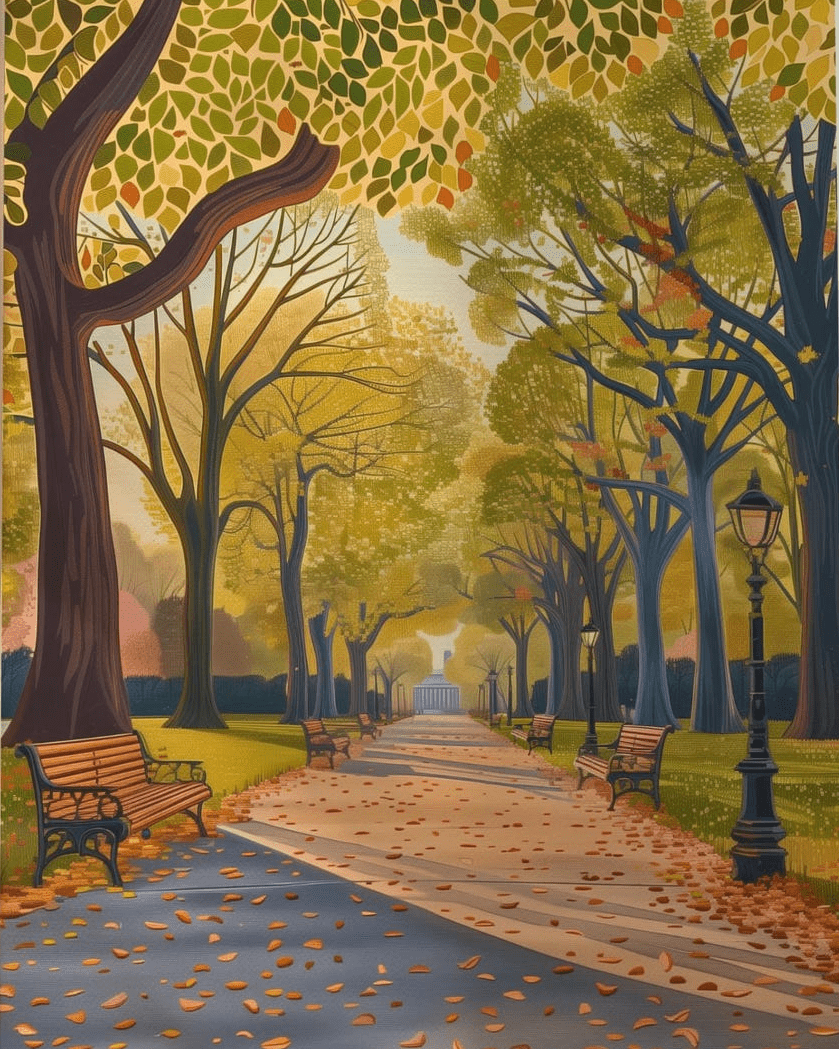
Hyde Park, Ava Lily
- Kensington & Chelsea is home to Kensington Gardens, Hyde Park and Holland Park, plus mature woodlands.
- Lambeth features many parks and community gardens (Brockwell Park also has mature trees and a lake)
- Lewisham is home to Beckenham Place Park, with woodland, meadows and again a lake
- Merton is home to Wimbledon and Putney Commons, with heathland, woodland, ponds and grassland
- Newham is home to East Ham Nature Reserve and waterways around the Royal Docks
- Redbridge is home to Epping Forest which extends into Essex, and contains ancient woods, grassland and ponds.

- Richmond Upon Thames is London’s largest Royal Park, known for its ancient trees, wildflower meadows and free-roaming deer
- Southwark is also home to a large park alongside the River Thames, with mature trees and a lake
- Sutton is home to an important wetland and wildlife area, which has transformed industrial land into habitats for birds and wildlife
- Tower Hamlets has Mile End Park, which includes wetlands, and wildlife-friendly spaces alongside Regent’s Canal.
- Waltham Forest again contains parts of ancient Epping Forest, providing ancient woodland, ponds, grassland and habitats for hundreds of species.
- Wandsworth is home to a large open common with woodland, ponds and grasslands, again helping wildlife in the inner city