Rainforest-Friendly Vegan Nuts (with no palm oil)
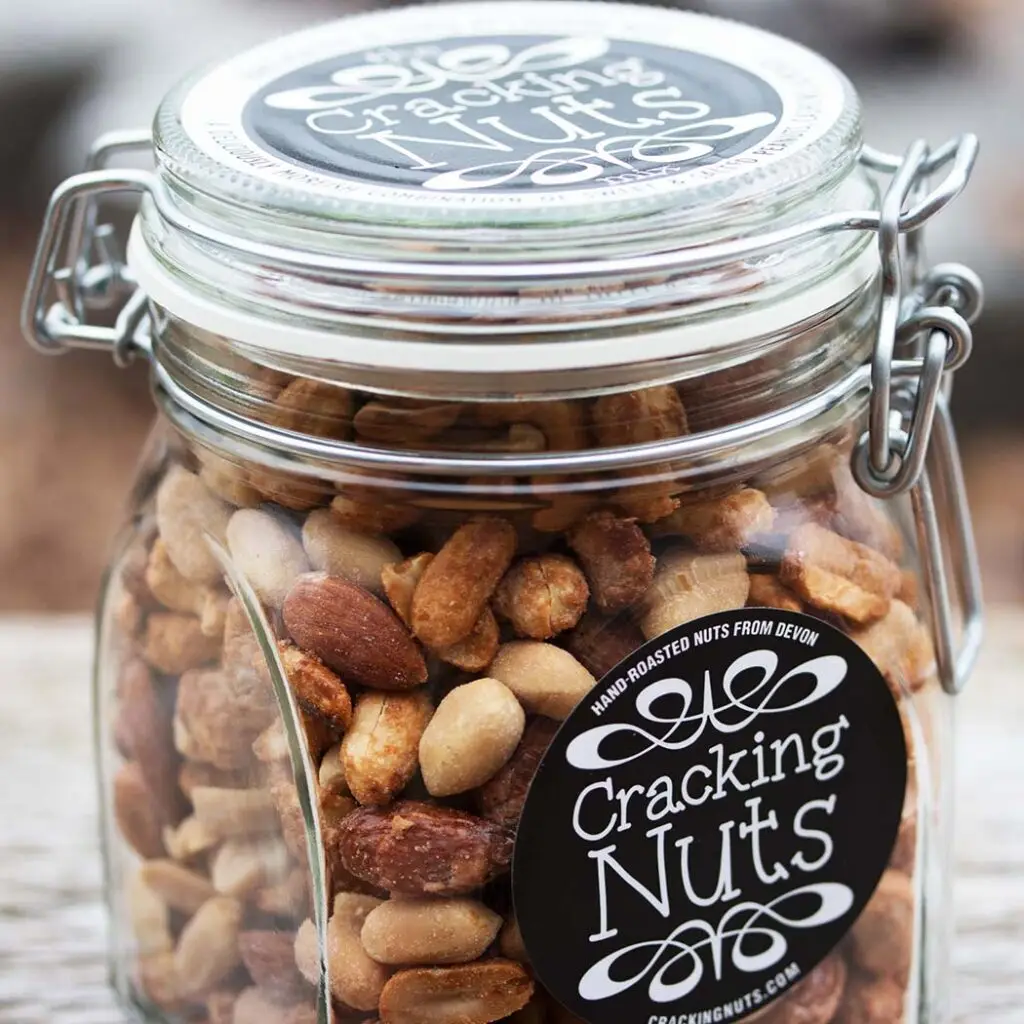
Cracking Nuts is a brand of snacking nuts from north Devon. The difference from most brands is that these are free from palm oil and sold in zero-waste packaging (glass jars or cardboard tubs with paper bag refills).
Cracking Nuts began, when the nut-loving couple served up nuts at a little trailer to local surfers on the Devon coast. They were so popular, they sold them at Glastonbury. Then it became an online business, and now the nuts are also sold wholesale to shops and pubs nationwide.
All the nuts are hand-roasted in small batches in Ilfracombe, a town on the North Devon coast that is home to England’s oldest-working lighthouse (which has been protecting ships from the treacherous coast for over 650 years) and unique colourful Victorian houses.
- Avoid nuts for allergies, children under 5 and swallowing difficulties (nut and seed butters are also choking hazards).
- Keep away from pets (due to nuts, nutmeg and vanilla – use a letterbox guard for online orders). Read more on food safety for people and pets.
- Never feed ‘human nuts’ to garden birds or wildfowl due to salt – peanuts can choke baby birds). If you feed birds, read more on safe havens for garden birds.
- You can place stale/unused nuts in food waste bins (only compost salt-free nuts that are low in oil, to avoid harming compost creatures and attracting rodents – crush them first, to break down properly).
Join the Nut Club!
If you are a fan, join up with the Nut Club for 15% off, plus seasonal offerings, nutty treat exclusives, testing of new products before launch, and big discounts on nuts with short shelf life.
Flavours in the range
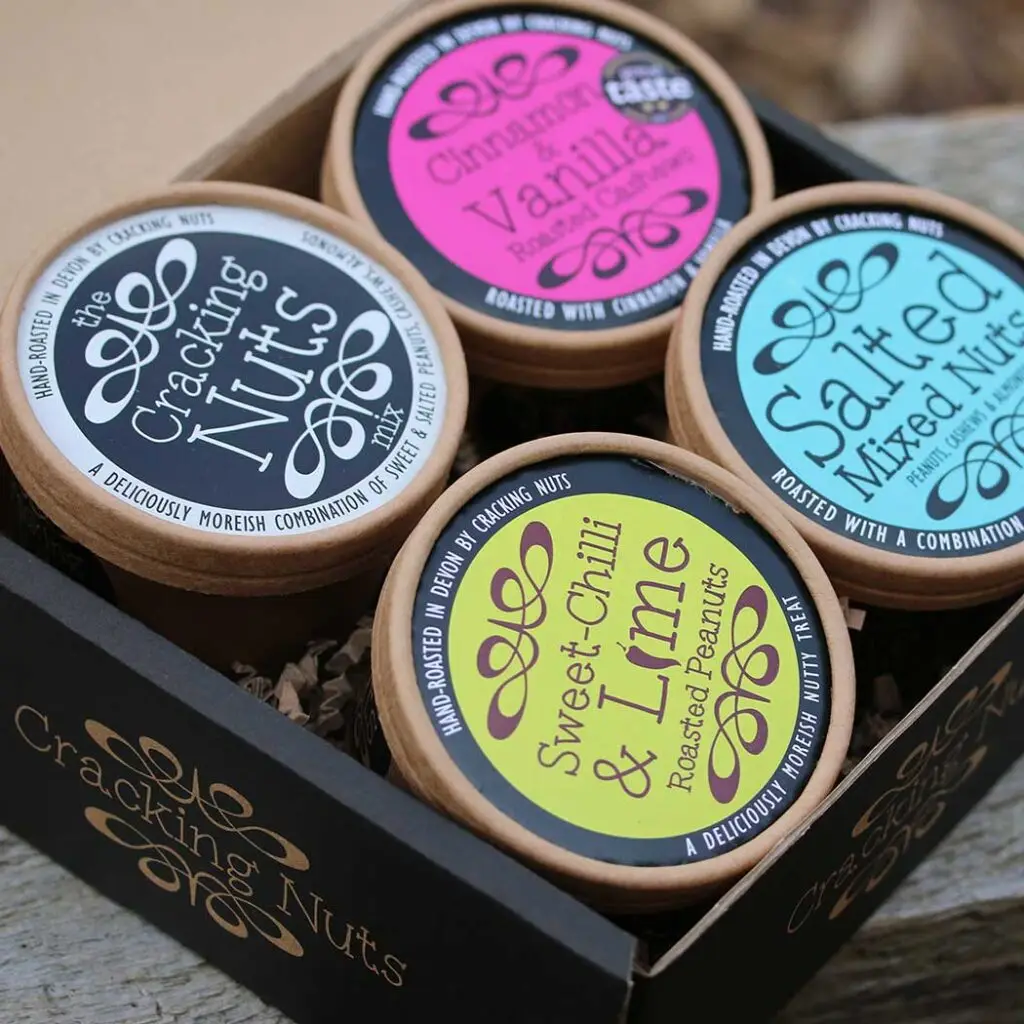
Most items in the range are vegan-friendly.
- Naked Nuts (hazelnuts, cashews & almonds)
- The King’s Nuts (hazelnuts & cranberries with caramelized pecans)
- The Cracking Mix (sweet and salted peanuts, cashews & almonds)
- Salted Mixed Nuts (peanuts, cashews and almonds)
- Cinnamon & Vanilla Cashews
- Smoked Hickory Mixed Nuts
- Sweet Roasted Mixed Nuts
- Sweet Chilli & Lime Roasted Peanuts
- Salted Caramel Cashews
- Rosemary Spiced Mixed Nuts
- Chilli Peanuts with Lime Cashews
- Chilli Peanuts (roasted in Devon-grown oil)
- Coronation Cashews (with mild curry spices)
- German Christmas Market (caramelised with cinnamon and vanilla)
- Christmas Spiced Nuts (cashews & almonds nutmeg, ginger, cloves)
Why switch to Cracking Nuts?
An estimated 400 million packs of snacking nuts are sold each year in the UK, and of course many more are sold in pubs to go with pints of beer. That’s over 8 million packs a week. So by switching to Cracking Nuts, that’s an awful lot of plastic waste avoided (plastic is made from oil).
If you eat nuts in plastic packs, recycle packaging at supermarket bag bins, if your kerbside does not recycle.
Many brands also use palm oil (its unsustainable use is contributing to deforestation in Indonesia, home to orangutans and other endangered species). There is no such thing as ‘sustainable palm oil’ (this is just a self-policed term by industry with no legal meaning – Greenpeace says the phrase is ‘as useful as a chocolate teapot’.
Cracking Nuts are also locally-roasted with natural ingredients, bringing money into local economies as a small independent food brand.
Buy loose nuts from bulk stores
Most towns have a zero waste shop (a bit like the old ‘scoop shops’) where you take along clean dry containers and fill up with what you want, to reduce food waste.
They work using a tare scheme. So you weigh your empty container then fill up, then the tare weight is deducted. So you are paying for food, and not the packaging.
Nut allergies (keeping safe and First Aid)
Around 2 in 100 children (and 1 in 200 adults) have a nut allergy, so never serve or store nearby, as a severe allergy can kill someone in minutes. The main allergenic nuts are almonds, walnuts, cashews, hazelnuts and peanuts (legumes). Symptoms of nut allergies usually show up within minutes:
- Itching/swelling of lips, tongue or face
- Hives or a rash
- Stomach pain and nausea
- Severe swelling
- A drop in blood pressure)
- Breathing trouble
If someone displays a severe nut allergy, ask them to direct you to their Epi-Pen (if they have one), jab it in their thigh at a right angle, hold for 3 seconds, then remove. Call 999 for help, stating the reason is ‘anna-fill-axis’.
Patients should lie down with feet raised (or sit up if this makes you breathless, but for as short a time as possible).
Keep kitchens safe for nut allergies
It’s UK law for packaged foods to list nuts as ingredients, in bold print. That’s why (though it may seem silly) that bags of nuts say ‘may contain nuts’ on the label.
Restaurants, cafés, and catering services offer allergen lists. Use different knives, chopping boards and storage containers, when serving customers or guests with allergies. Food Standards Agency offers free online training for allergies.
Bee-Friendly Almonds (help our pollinators)

You may have heard in the media that many people are talking about the ethics of eating almonds and avocados, along with a few other ‘plant-based foods’. This is to do with industrial farming methods (that kill bees in their billions in North America) by not protecting the wildlife habitats of bees, during and after harvesting.
Above is a recipe for vegan almond cake (Rainbow Nourishments) which is fine, if you use sustainably-sourced nuts.
Avoid nuts for young children and allergies, and keep away from pets. Read more on food safety for people & pets.
For tinned foods, fully remove lids (put inside) or pop ring-pulls back over holes (and pinch top opening closed) before recycling, to avoid wildlife getting trapped.
Most almonds sold in the world are farmed in California, where they use a colossal amount of water, in a state prone to drought. Corporate farms use pesticides that lead to monoculture orchards, so bees get sick (more bees die in the US, than animals and fish slaughtered for food).
The Bee Better Certified program gives consumers the choice to buy almonds that are grown/produced by companies that are inspected & certified (a bit like our Soil Association), to ensure pollinator-friendly practices.
Almonds & bees depend on each other
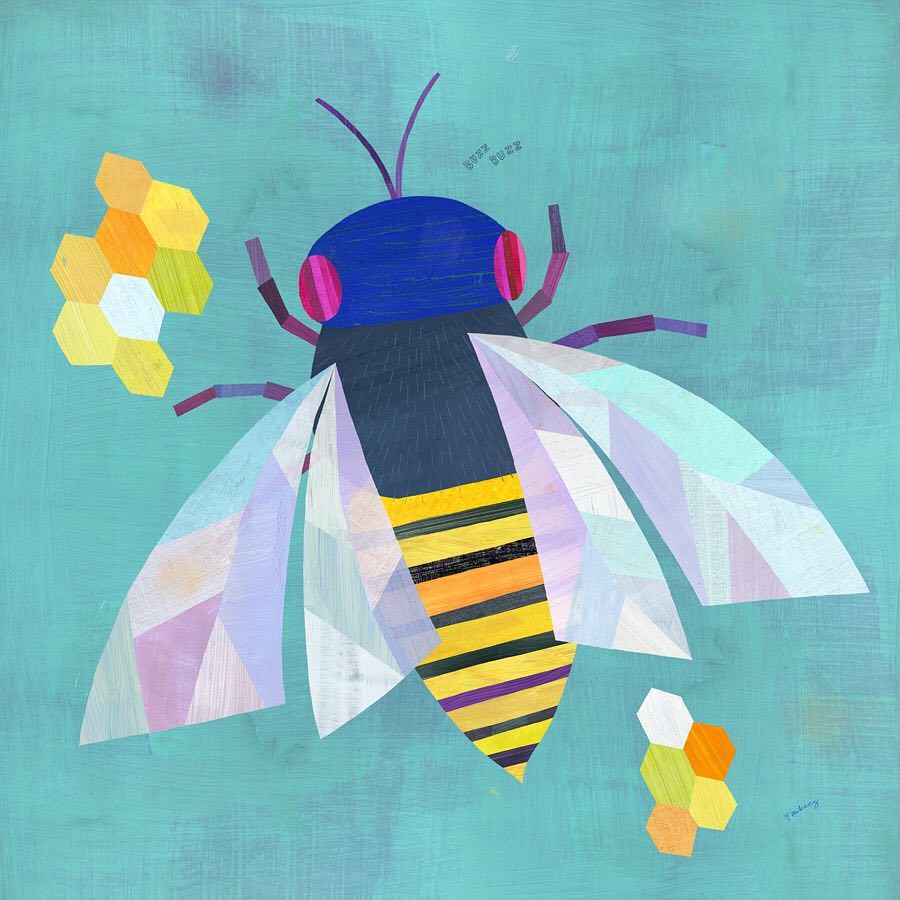
Almond trees need pollen moved between flowers. In nature, insects do that job while they forage. Almond blossom arrives in a short window, often over just a few weeks. Each flower needs pollen to reach it, usually from a different tree variety nearby. Bees visit blossoms for nectar and pollen, and as they move, pollen grains rub off onto other flowers.
If enough flowers get pollinated, the tree sets more nuts. If not, the yield drops. But instead of letting wild pollinators get on with their jobs, some companies managed honey bees, to meet delivery deadlines. And that’s where issues arise.
Moving hives adds stress, and many companies use pest control, which harms bees. Varroa mites and viruses can weaken honey bee colonies. But wild bees need bear soil, stems and undisturbed corners.
‘Bee-friendly almonds’ are from farms that use cover crops like clover, vetch, and mixed wildflowers. These plants feed bees before blossom, but bees then still have natural food, after the harvest. Along with hedgerows and field margins, for more sources of nectar and pollen, plus shelter from wind. They also have clean water sources, so don’t have to hunt around ditches and puddles, after harvesting almonds.
How to buy bee-friendly almonds
The bee-certified almond organisation above covers North America. So the best way to help in England, is simply to buy certified organic nuts from sustainable growers, usually in Europe (not further afield).
You can also help by only buying what you need (such as zero waste shops – nuts go stale quickly). And vary up your nut and seed choices, so that demand is not all on one crop.
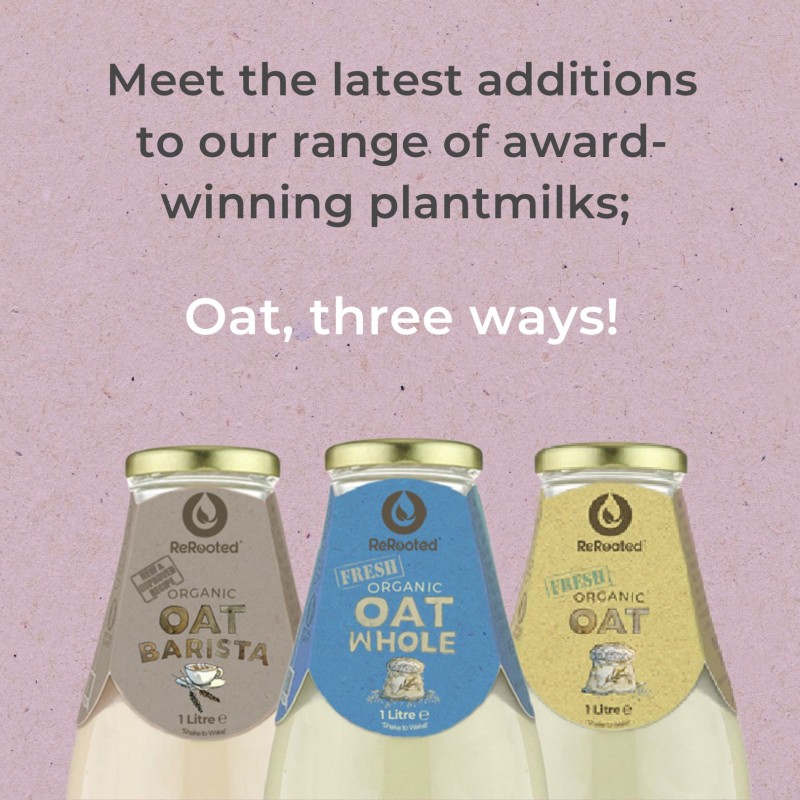
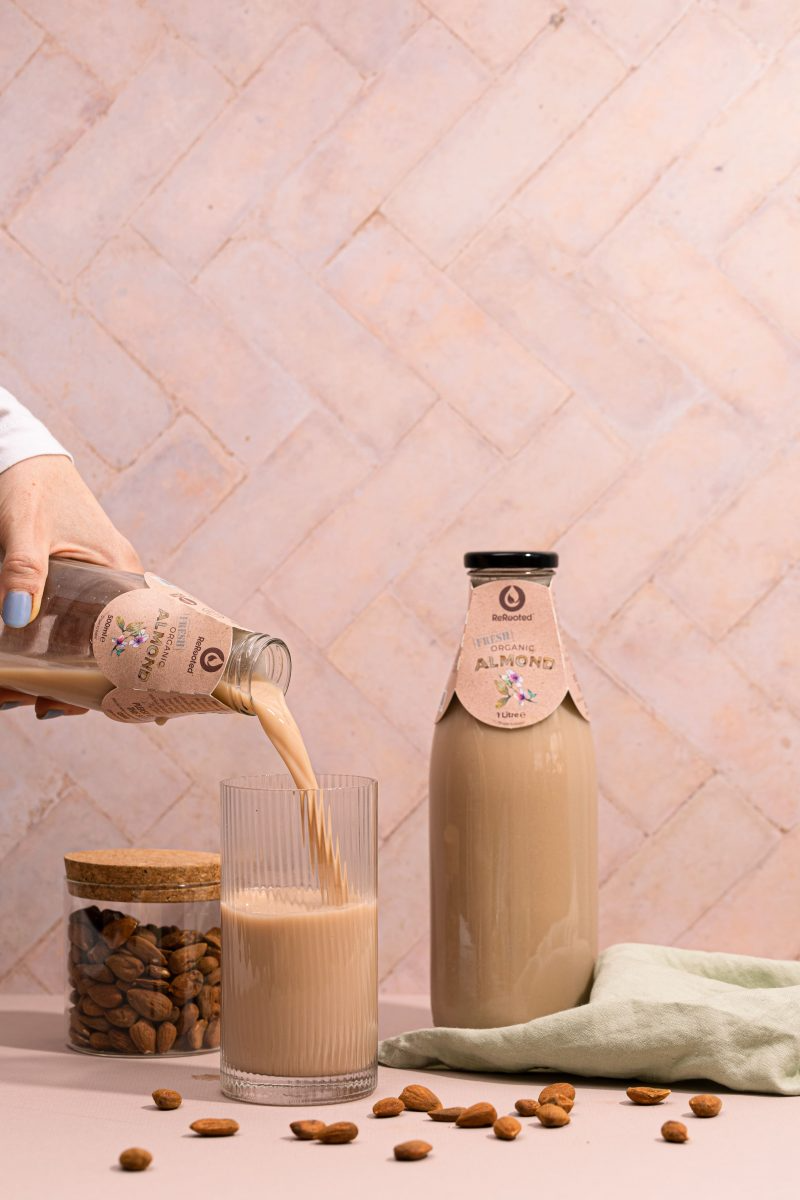
For almond milk, Devon’s ReRooted Almond Milk (sold in returnable glass bottles) uses almonds from Italy or Spain, depending on season.
If you grow organic almond trees, read how to make gardens safe for pets (many nut and fruit trees are unsafe near horses). And avoid netting (use wildlife-friendly gardening to protect from birds).