How to Save Endangered Species (at home and abroad)
We often hear about endangered species abroad. But many creatures in England are at risk of extinction. Main threats are not poaching but habitat loss, pesticides (gardens and farming), litter and bad planning laws (made by MPs, without consulting wildlife experts).
View our native wildlife tag, to learn more on each species and how to help. And also read our post on help your local wildlife rescue.
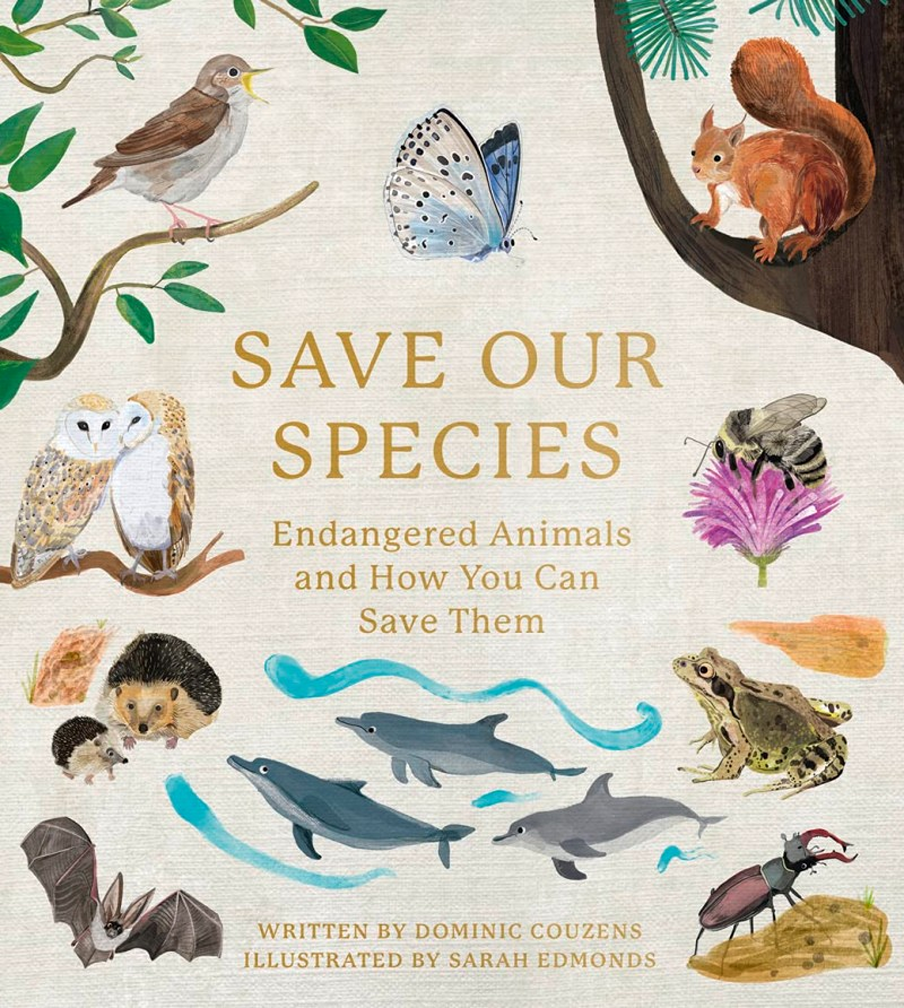
Save Our Species is unique in that it includes information on British endangered wildlife. The IUCN Red List is the place to find current statistics, and learn how to help. The shocking news is that there are 44,000 threatened species (almost a third of all of them).
Creatures profiled in this gorgeously illustrated book include:
- Hedgehogs
- Squirrels
- Skylarks
- Puffins
- Barn owls
- Bottle-nose Dolphins
Britain’s nature is in serious trouble. Thanks for being part of the solution. You care about nature, and that is incredibly important. Our wildlife needs you on board desperately.
All manner of wildlife habitats have been lost to development. Chalk downlands, heaths, bogs, freshwater marshes, seacoasts, estuaries, Caledonian pine forests and meadows. We have lost 97% of our flower-rich meadows since the 1930s.
Governments of the day kick environmental concerns into the long grass. Decision makers are in thrall to the lobbyists for big business, and economics entranced by models like ‘growth’ which pay no attention to the quality of life.
Big infrastructure projects make politicians’ eyes light up. We are caught in a cultural insanity that holds tidiness in high esteem in the garden, yet leaves the countryside littered.
Dominic Couzens is a leading nature writer and lecturer. He has written around 45 books, writes three magazine columns and has published over 700 articles.
Help Save England’s Endangered Species
- Grow native flowers, shrubs, and trees. Wildflowers feed bees and butterflies. Native shrubs give dormice shelter. Read our posts on pet-friendly and wildlife-friendly gardens and ponds.
- Leave gardens a little ‘messy’. Garden organically and leave log piles etc, for wildlife to shelter and hibernate. If you buy ‘wildlife homes’, be sure to buy the right kinds, and site them well. Avoid tin or coloured birdhouses, which attract predators and can over-heat.
- Don’t drop litter. Litter (from plastic to glass to tin cans) can all harm native birds and wildlife. Place it in bins, and if you see any, put it in the nearest bin. Especially ‘things that choke’ like rubber bands, beer can rings and hair bands.
Some of England’s Endangered Species
- Dormice (need more habitats and hazelnut trees)
- Hedgehogs (need more hedges and wildlife corridors)
- Water voles (better town planning, organic farming
- Bats (need more trees and safe habitats)
- Red squirrels (need more pine tree habitats)
- Curlews (need more wetland habitats)
- Swifts (need swift bricks in all new buildings)
- Puffins (need less over-fishing in seas)
- Bees and butterflies (more pollinating meadow habitats)
- Stag beetles (less urban areas, no-dig gardening)
- Dragonflies and damselflies (more wetland habitats)
- Sea turtles (less balloon releases, more seagrass meadows)
- Natterjack toads (no walking on sand dunes)
- Great crested newts (better planning protection laws)
Adders (England’s only venomous snake)
These reptiles are at risk of extinction by 2032, if not helped. Around 90% of populations are in decline. Secretive smooth snakes are England’s rarest reptile, though it’s not clear how rare their habitats are, as most people never see them.
Dog-Friendly Cornwall has tips on when to avoid walking near basking adders (‘safe hours’ were before 9am and after 7pm). But rising temperatures means times may change.
Adder bites need emergency vet care (read more on how to avoid & treat adder bites).
A Beautiful Atlas of Endangered Species
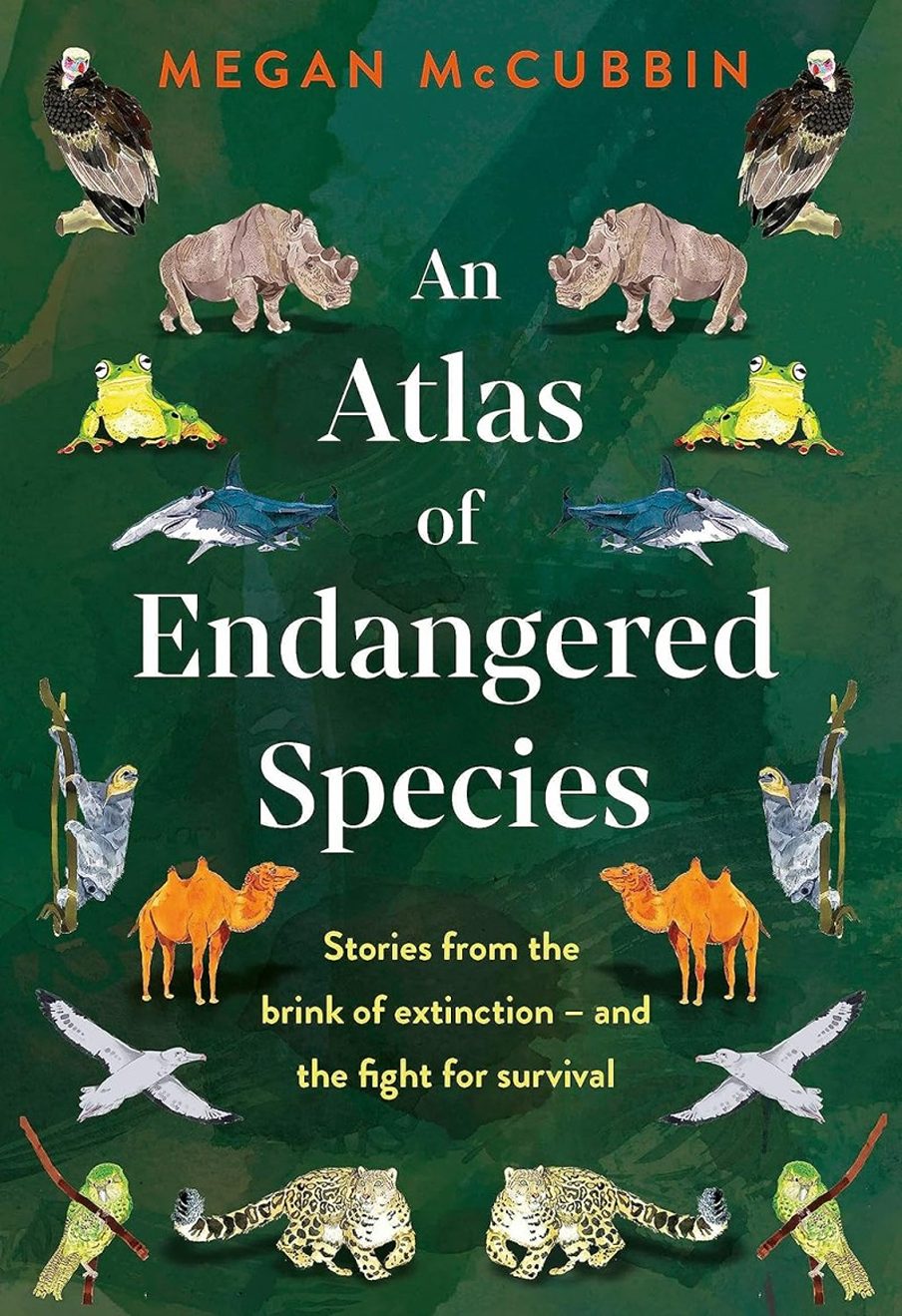
An Atlas of Endangered Species is a beautifully illustrated guide to the diversity of life on earth, in a world where a species goes extinct every 3 hours.
This book shows how species are adapting: Sharks can navigate using electromagnetic fields, sloths use algae as camouflage, albatross can fly for hours without beating their wings and orca pods have unique cultures and languages.
But our incredible world is at risk. In this book, Megan reveals the stories of scientists, rangers and conservationists who are fighting to save these extraordinary creatures from extinction, and how we all have a part to play.

The book begins with some sobering facts, but also hopeful stories about creatures that had been declared extinct, that are now thriving, thanks to conservation efforts worldwide.
The book features 19 animals from rhinos to elephants, and also one endangered species closer to home. Plus there is a chapter on our orange furry cousins: orangutans:
Orangutans are the victims of years of environmental destruction and illegal human activity. Illegal hunters shoot a mother high up in the tree, and wait for her and her baby to come crashing to the ground.
They then prise the youngster from the mother’s warm, bloodied fingers to be shipped across the world to sit in a cage for the remainder of its life (40 years). The other threat is habitat destruction for palm oil (sold in 50% of products in supermarkets).
Megan McCubbin is a qualified zoologist who is often featured presenting wildlife programs on TV, including BBC Springwatch and Autumnwatch. She often presents alongside her step-father Chris Packham.
This is a lovely book, well-written and beautifully illustrated. And I’m delighted to see that it’s been written by one of the generation of new young naturalists that are helping to change our perception and appreciation of the natural world. Iolo Williams
What Are The World’s Most Endangered Species?
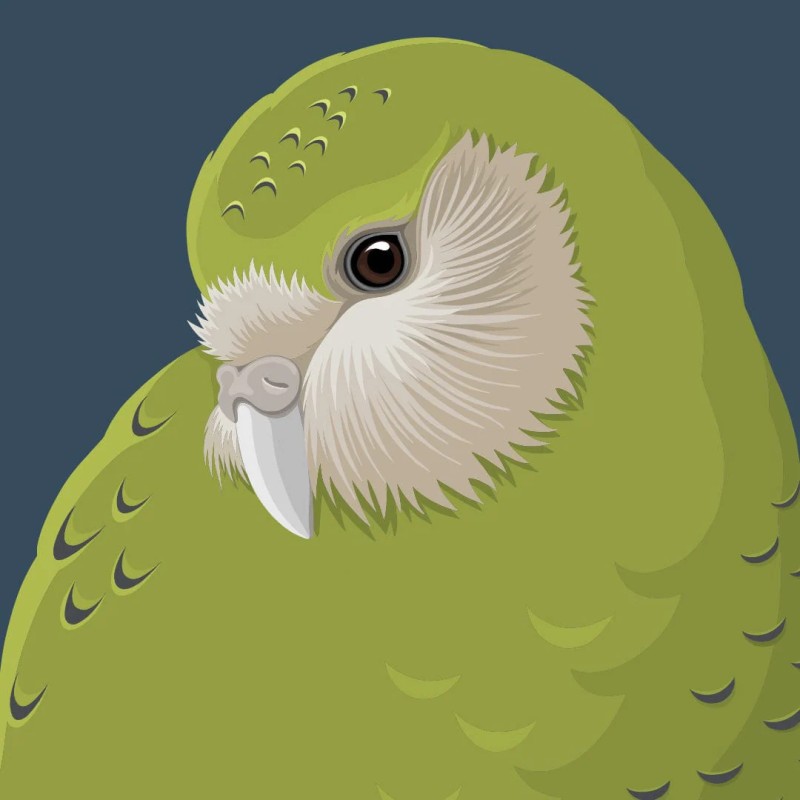
IUCN Red List says there are 44,000 threatened species (around a third of all creatures on earth), ranging from slightly concerned to extinct. At time of writing (2025), the world’s most endangered creatures are:
- Kakapo (NZ bird, due to hunting)
- Pangolins (wildlife crime)
- Aye-ayes (habitat loss & superstition)
- Purple frogs (loss of habitat in India)
- Numbat (Aussie marsupial, loss of habitat)
- Rhinos (poaching)
- Orangutans (palm oil)
Support Born Free Foundation (not zoos)
Born Free says conservation is best done in the wild, not in zoos that entertain, rather than educate. Temperatures are wrong (too cold for elephants in London, too hot for polar bears). Many develop medical problems and there is high infant mortality for polar bears, lameness in elephants and mental health issues for apes.
In the wild, polar bears have around 1 million times more space, and apes swing from tree to tree. 83% of the British public wish a ban on keeping large animals in zoos.
Submit reports to Born Free about animal concerns for zoos (or circuses abroad) and for animals used in the media. Take photos and videos if you can.
And if abroad, contact the local police and tour operator. Also look up your local animal shelter before you travel, so you can report that too.
The big five threats, in plain English
- Habitat loss: hedgerows removed, wetlands drained, reefs broken, forests cleared.
- Climate change: warmer seas move fish, heatwaves dry ponds, seasons shift and food arrives late.
- Pollution (pesticides and plastics included): garden chemicals reduce insects, litter chokes wildlife, fertiliser run-off feeds algae blooms.
- Invasive species: released pets, hitch-hiking plants, or hardy newcomers that outcompete natives.
- Illegal wildlife trade: “cute” souvenirs, exotic pets, ivory, coral, or items sold as traditional remedies.
Use your spending power to reduce habitat loss and overfishing
Shopping can feel distant from wildlife, yet supply chains reach into forests, rivers, and oceans. The aim isn’t perfection, it’s consistency.
Here are a few practical swaps that tend to help:
- Buy less and buy better: fewer fast purchases usually mean less pressure on land and water.
- Choose certified sustainable fish when you can, and try new species to reduce demand on overfished favourites.
- Avoid deforestation-linked products where possible (for example, beef, soy feed, cocoa, and some palm oil), and look for clear sourcing.
- Pick reusable over single-use to cut plastic waste, especially when travelling or eating out.
- Choose peat-free compost and plants, then ask garden centres about their peat policy.
- Favour traceable brands that publish where key ingredients come from.
Fauna Brewing (vegan beer to help endangered species)
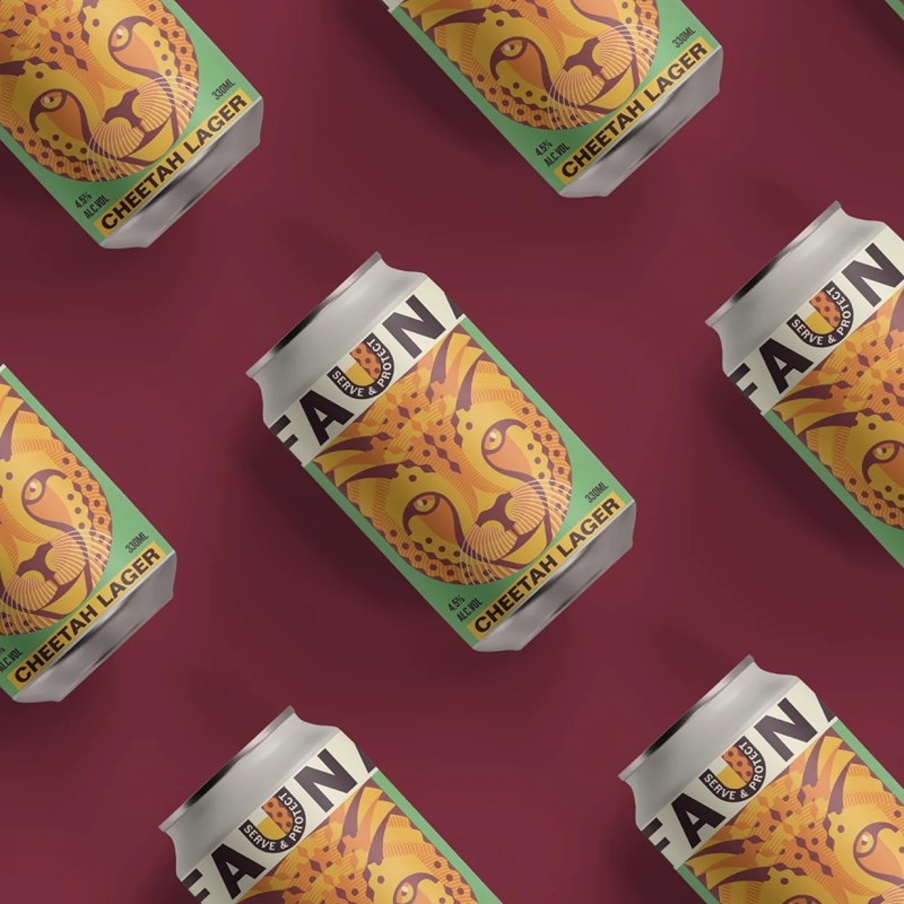
Fauna Brewing is a brand that was founded by a man who after a trip to Botswana, wished to create a beer that gives back, to charities that help endangered species. Based in Arundel (West Sussex), it has helped to raise over £60,000 to help threatened creatures across the world.
Some things it has funded include:
- Conservation areas for the David Shepherd Wildlife Foundation
- Funding anti-poaching controls to save African painted dogs
- Paying for satellite trackers to help save endangered pangolins
- Helping to reduce human conflict for wild cheetahs
- Restoring habitats for red squirrels (to avoid culls)
- Planting wildflower meadows for pollinators
- Helping restore habitats for red squirrels
- Funding tree-planting in Africa and South America
Arundel is a historic market town dominated by the 11th castle and stunning Gothic cathedral. It sits on the River Arun, the town itself known for its steep high street with independent shops and tea rooms.

You can find Fauna Brewing beers in many shops and supermarkets, pubs and restaurants. Or buy online (including mixed cases):
These beers are naturally vegan (no bone or fish finings).
- Tidal Haze Pale (a juicy punch with citrus notes)
- Cheetah Lager (European-style lager with Vienna malt)
- Wild Dog IPA (malt heavy with stone fruit undertones)
- Chimp Pale Ale (a hazy pale ale with mango flavours)
- Bushy Tail Best (traditional bitter, floral and fruity)
- Meadow Maker (a golden pale ale, hint of tangerine)
Portering About
Portering About is a porter with caramel, dark sugar and roasted coffee tastes. Porters are like stout, but use roasted malts. It makes a good alternative to Guinness (now vegan but not local). It’s not even Irish, it was founded by a Protestant who wouldn’t let the Irish government use the harp logo, that’s why it faces the other way). Today it’s owned by a multi-national.
Belhaven stout is also not vegan (filtered with animal ingredients).
Pangolin Table Beer

Pango Table Beer (lots of oats for a silky mouthfeel) uses profits to help African Pangolin, a charity helping to save the world’s most trafficked animals.
Often found in so-called ‘wet markets’, these beautiful creatures suffer terribly (some are even killed in front of diners, in order to ensure the ‘meat is fresh’). All eight species are now threatened.
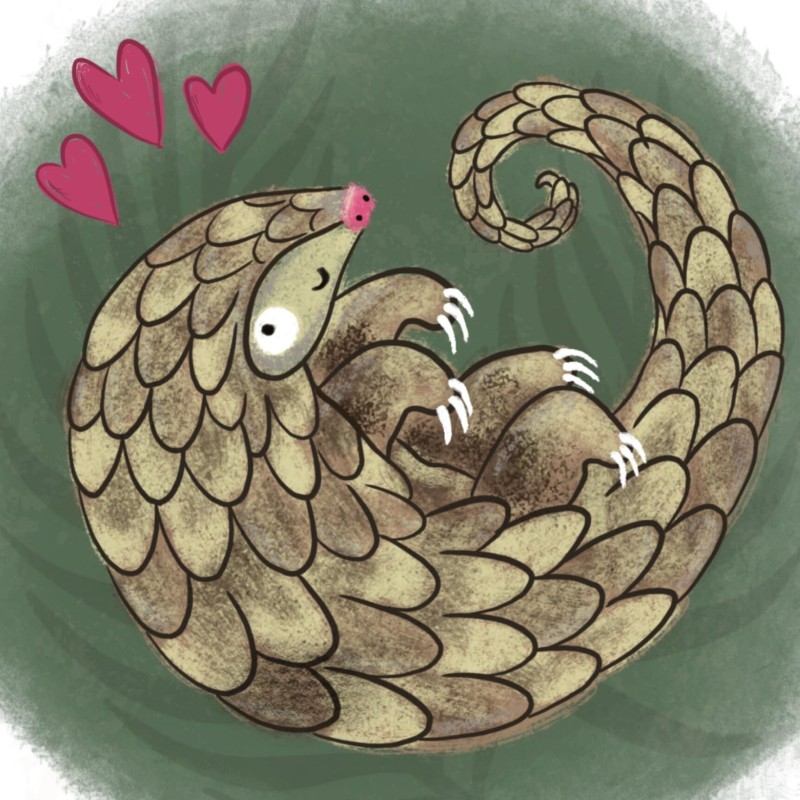
Pangolins are the world’s only mammals to be covered in protective keratin scales, and like hedgehogs, will roll themselves into a ball if threatened. They eat up to 70 million insects each year, using tongues longer than their bodies (they are also known as ‘scaly anteaters’ or ‘walking pine cones’).
They have no teeth, so swallow small stones in order to grind up insects in their stomachs. They don’t see well but have good smell to find insect nests. And when eating, they can close their ears and nostrils, to keep ants out! Single pups ride on the mother’s tail, until independent.