Would More Women Bring Peaceful Politics?
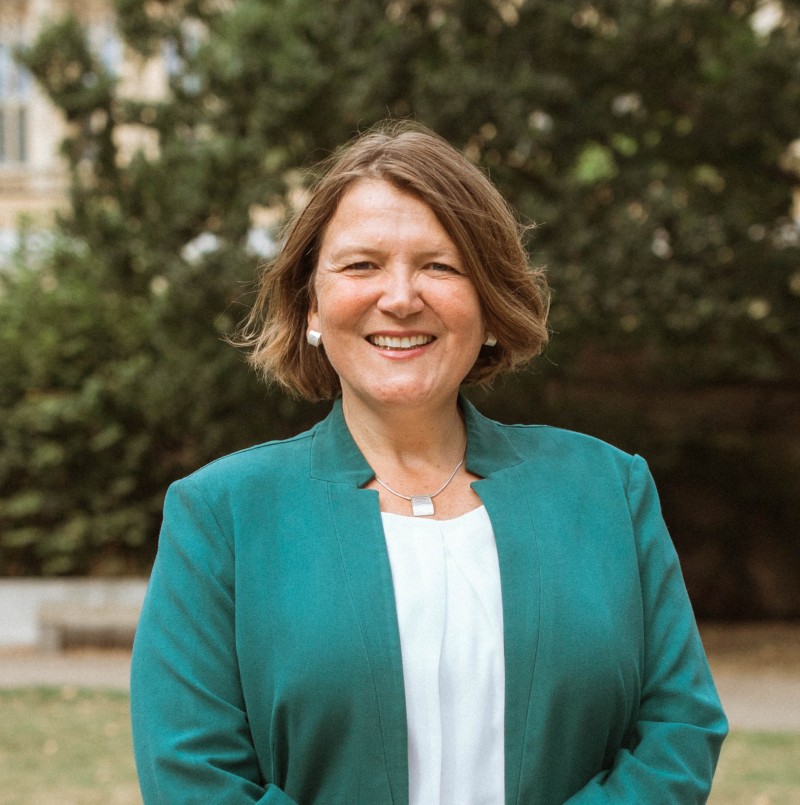
Ellie Chowns (Green MP for North Herefordshire) is a member of Giving What We Can, where she pledges to donate a portion of her salary to good causes.
You would think so, wouldn’t you (as the gentler, fairer sex). Giving women the vote is a pretty modern thing. The House of Lords only gave ‘approval’ for women over 30 to vote in 1918. And it was only in 1928, when women over 21 could vote.
Some Tories cite Margaret Thatcher as the ultimate ‘great woman leader’. Of course, miners would disagree. Ex-MP Matthew Harris once got stuck in a lift with her, and said up-close she had ‘the eyes of an exhausted woman’.
Perhaps her legacy of not looking after the most vulnerable in society began to haunt her, even before her death.
It is true that the more peaceful Scandinavian countries tend to have younger female leaders (Finland’s Green Party leader spent time in a shelter as a child, in the first country to hit ‘zero homelessness’.
Previous Green MP (and party leader) Caroline Lucas famously campaigned to get page-3 girls off the newspapers, joining the ‘news, not boobs’ campaign! She wore a slogan t-shirt in the House of Commons and was told unless she changed, she would be thrown out.
She said it was quite funny that she was getting thrown out for wearing clothes, for trying to protect vulnerable girls who were asked to take their clothes off to let men ogle them!
Not About Strident Feminism
Women-friendly politics is not about strident beliefs either way on controversial issues like abortion (this is more a personal belief based usually on faith, that likely won’t change).
A political system that is ‘women-friendly’, is more about a society where women earn the same as men, and laws are in place to protect them, like designing safer streets and handing out harsher penalties for domestic abuse (which also affects some men).
Although the Suffragette movement (which brought women the vote) was heroic in some ways, it was tragic in others. Not only did some women bomb building, but an innocent horse was injured, when one woman threw herself in its path (she had already been imprisoned twice, for hurling rocks at the Chancellor of the Exchequer’s car).
Her cause was just. But it was not the horse’s fault. Just as dolphins who had toxic paint thrown into their Bristol river home were not to blame, when a statue of a slave trader was toppled.
Would More Women Bring Peaceful Politics breaks down research on conflict, compromise, and representation, plus why results differ by country.
The evidence on world leaders and peace
There isn’t any really, other than that a lot of the northern Scandinavian countries have (or have had) female leaders, who don’t tend to invade countries or become dictators, although of course there are always a few exceptions to the rule.
It’s hard to prove, though it may mean fewer wars and less hateful speech. Men in tradition are more interested in ‘winning’, it’s hard to imagine female leaders harping on about always being ‘word beating’ and ‘the best in the world’.
Two of Reform UK’s top donors are women: Fiona Cattrell is the mother of Nigel Farage’s chief aide, and Claudia Harmsworth is the wife of owner of the Daily Mail newspaper. But 75% of all donations are from male millionaires, including deputy leader Richard Tice.
Changes that make politics less combative
A few practical changes can lower the temperature, while also making it easier for more women to stay and lead:
- Safer workplaces, real sanctions: Clear rules for bullying and harassment, enforced quickly.
- Family-friendly sitting hours and leave: Better hours reduce burnout, and widen who can serve.
- Transparent candidate selection: Open processes reduce patronage and tokenism.
- Mentoring and training: Support helps new MPs handle pressure and media traps.
- Cross-party committees and problem-solving forums: Shared work can build trust over time.
- Electoral reforms where relevant: Systems that reward coalition-building can reduce zero-sum behaviour.