Where are the World’s Major Oceans?
The oceans make up around 70% of our planet (a good reason for never releasing anything from balloons to fire lanterns, as most land in the sea, harming marine creatures).
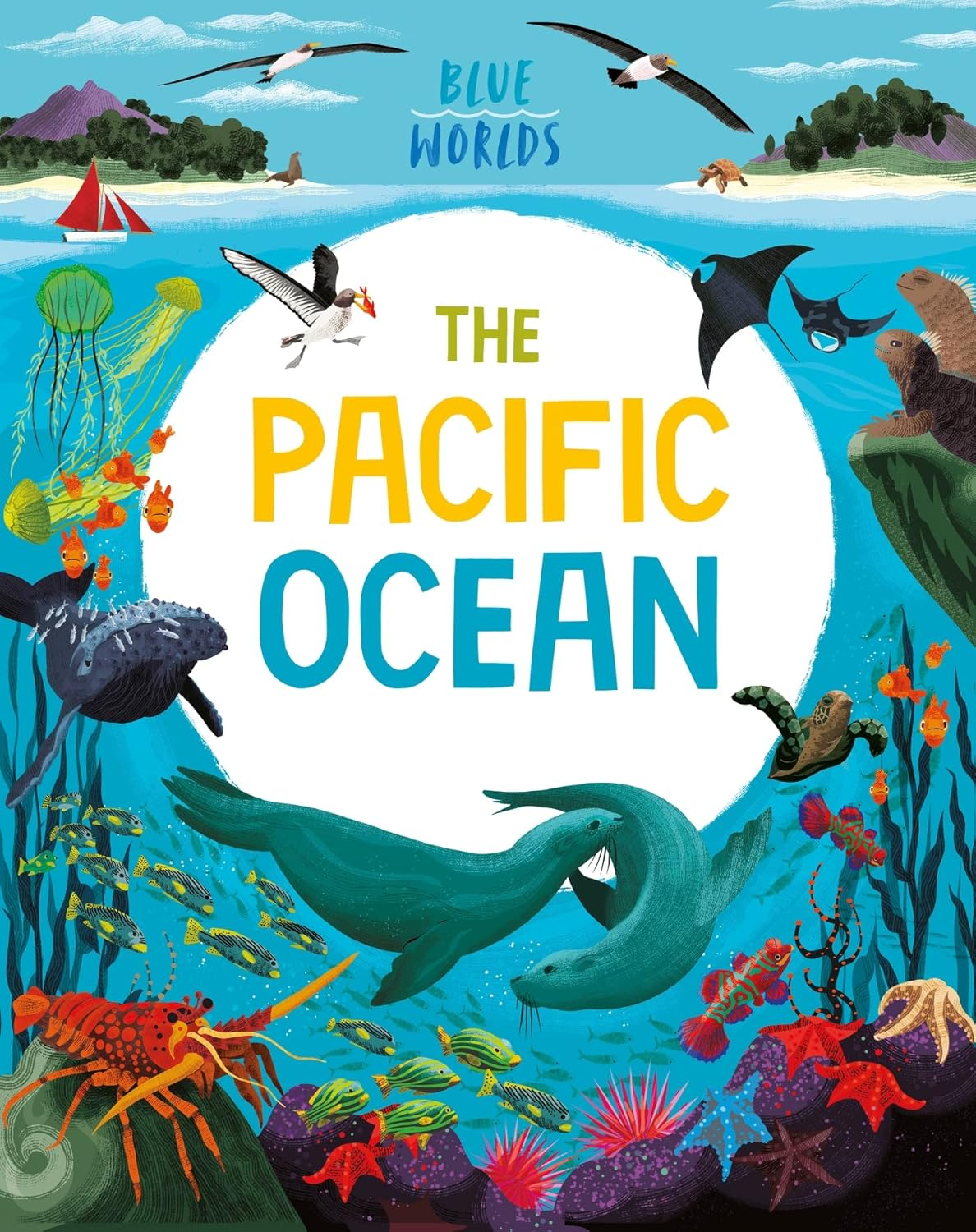
The Pacific Ocean is the world’s deepest ocean, covering a third of the earth’s surface. It has over 25,000 islands and is home to the Great Barrier Reef in Australia, and thousands of volcanoes.
The Atlantic Ocean straddles the Equator, linking both Americas, Europe and Africa. It has icy Baltic sea to warm Caribbean waters. The Mid-Atlantic Ridge helped form volcanic islands including Iceland and Azores. It faces major struggles, due to climate change and pollution.
The Indian Ocean connects Africa with Asia and Australia. The warmer waters are home to unique wildlife, colourful coral reefs and dense mangrove forests. Due to major cities operating in the ocean, again it’s at risk from pollution, and rising sea levels.
The Southern Ocean is an icy sea across the bottom of the globe, surrounding Antarctica. With harsh winds and towering waves, often only explorers sailed the stormy seas. Today tourists flock to see penguins, seabirds and blue whales, but this brings pollution.
The Arctic Ocean is the smallest ocean, on the northern most tip of the world, with temperatures rarely above freezing, packed with thick ice and icebergs.
This ocean is home to polar bears, who need the thick ice to survive, so they can hunt for seals, without becoming exhausted from swimming.
Seas, Gulfs and Bays covers other big bodies of water including warm tropical seas, cold and icy seas (like the North Sea) and salty inland seas. Other seas include:
- The Mediterranean
- Gulf of Mexico
- South China Sea
- The Bering Sea
- Hudson Bay
- The Caribbean
- The Red Sea
- Weddell Sea