Clay and organic beauty masks: a natural approach to skincare
When it comes to skincare, sometimes the simplest ingredients can make the biggest difference. Clay and organic facial masks have become popular, for people looking for a more natural approach to caring for their skin.
They offer a relaxing, spa-like experience at home while providing ingredients that can help cleanse, refresh and nourish the complexion.
But what makes clay and organic beauty masks different from conventional facial masks? And how do you choose the right one for your skin?
From mineral-rich clays to plant-based oils and botanical extracts, natural facial masks can be an excellent addition to a thoughtful skincare routine.
In this guide, we explore the benefits of clay and organic beauty facial masks, the ingredients to look for, how to use them and what to consider when choosing a brand.
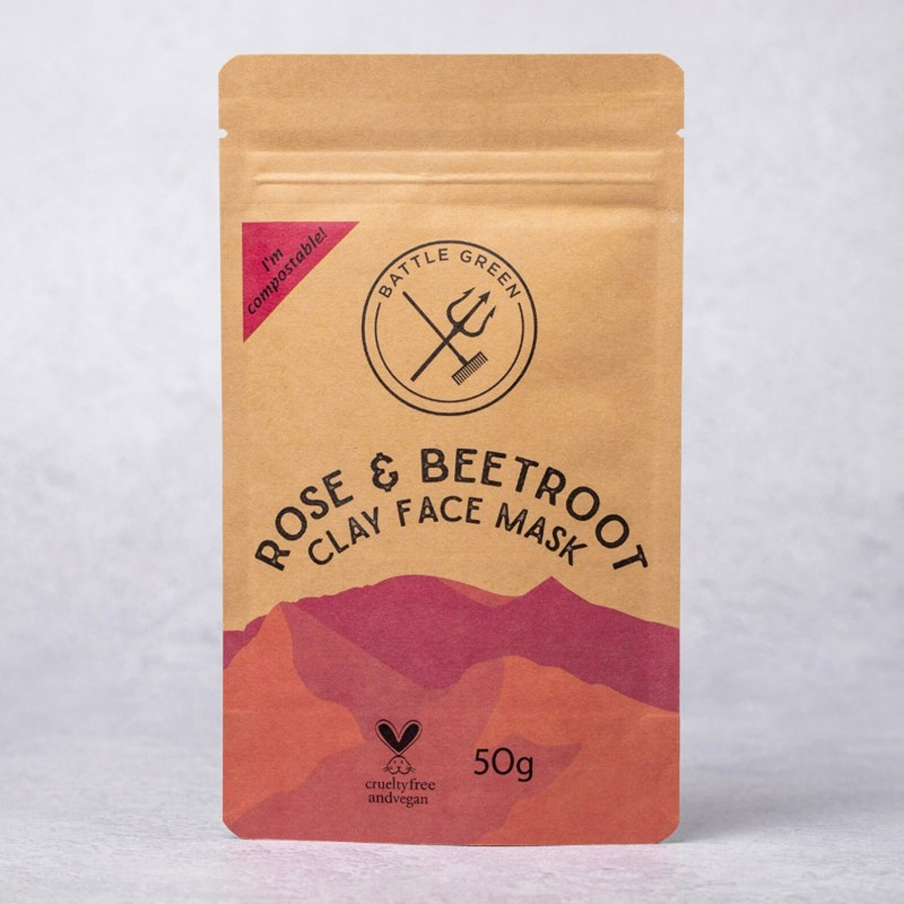
Battle Green clay beauty masks are sold in easy to use paper packs, made with kaolin and bentonite clay, arrowroot powder and essential oils.
Avoid essential oils for pregnancy/nursing. Wash off thoroughly after use (citrus, cocoa and other ingredients could be unsafe near pets).
What are clay facial masks?
Clay facial masks are skincare treatments made primarily from naturally occurring mineral-rich clays. Different types of clay have different properties, textures and mineral compositions, making some better suited to certain skin types than others.
Clay has traditionally been used in beauty and personal care because of its ability to absorb excess oil and impurities from the skin. When applied as a mask, clay can provide a deep-cleansing sensation and leave the complexion feeling fresh and smooth.
Popular types of cosmetic clay include:
- Kaolin clay: A gentle clay for normal, dry or sensitive skin.
- French green clay: The mineral conent is good for combination/oily skin.
- Bentonite clay: Highly absorbent, used in clarifying masks.
- Rhassoul clay: A mineral-rich clay from Morocco for cleansing.
- Pink clay: A milder option for delicate or dry skin.
Why choose clay facial masks?
One of the biggest reasons people choose clay masks is their cleansing effect.
They can help absorb excess oil
If your skin is shiny during the day, a clay mask may help to absorb excess oil. To leave skin cleaner and less greasy. But avoid use on dry skin, as this will leave it feeling dry or tight. But for oily and acne-prone skin, it’s a good choice.
They can leave skin feeling smoother
Once a clay mask is rinsed away, the skin can feel smoother. This is particularly appealing for when you want your complexion to feel fresh – say for a night out or on a first date!
They can be part of a self-care routine
Skincare is not just about ingredients, but about routines and rituals. Taking a few minutes away from screens and having your little spa experience, is part of feeling and looking good.
Ingredients to look for in good beauty masks
Clay doesn’t have to be the only ingredient in a facial mask. Many modern formulations combine it with botanical and organic ingredients. For example, a kaolin clay mask may also contain soothing aloe vera, moisturising jojoba oil and botanical extracts.
Some ingredients to look for include:
Kaolin clay
This is one of the gentler cosmetic clays and widely used in facial masks. It can help to absorb excell oil, without being too intense or drying.
Aloe vera
This is a soothing and hydrating ingredients, ideal in masks designed to balance out cleansing ingredients, to stop skin becoming too dry.
Jojoba Oil
This is a popular botanical oil from a North American shrub (it has a similar makeup to human sebum). It is very moisturising and gentle on skin.
Rosewater
This is very gentle on skin, and also adds a pleasant aroma.
Green tea
This is a natural anxiotidant often used in natural facial masks.
How to choose the best facial mask
The best mask isn’t necessarily the one with the longest list of impressive ingredients. Start with your skin type and what you want the mask to do.
For oily skin
Look for masks containing absorbent clays such as kaolin or green clay. You may want to avoid using highly drying formulas too frequently.
For dry skin
Consider gentler clay formulas combined with moisturising or conditioning ingredients such as aloe vera, plant oils or butters.
For combination skin
A balanced formula may be ideal. You can also consider applying a clay mask only to areas that tend to become oily rather than covering the entire face.
For sensitive skin
Choose simple formulas with gentle ingredients and avoid heavily fragranced products if your skin is easily irritated. Always patch-test a new product if you are concerned about sensitivity.
How to use a clay facial mask
- Start by cleansing your face with a gentle cleanser.
- Apply a thin, even layer of the mask, avoiding the eye and lip areas.
- Follow the instructions on the product packaging for the recommended application time. You don’t necessarily need to wait until the clay has completely dried and cracked.
- Rinse thoroughly with lukewarm water and gently pat your face dry.
- Follow with a moisturiser or another suitable skincare product.
For dry or sensitive skin, using a clay mask less frequently may be more comfortable. Oily skin may tolerate more frequent use, but your skin’s response should always guide your routine.
What makes an organic beauty facial mask?
An organic beauty mask focuses on ingredients that are grown and processed according to recognised organic standards. Depending on the product and country, organic certification can provide information about how agricultural ingredients have been produced.
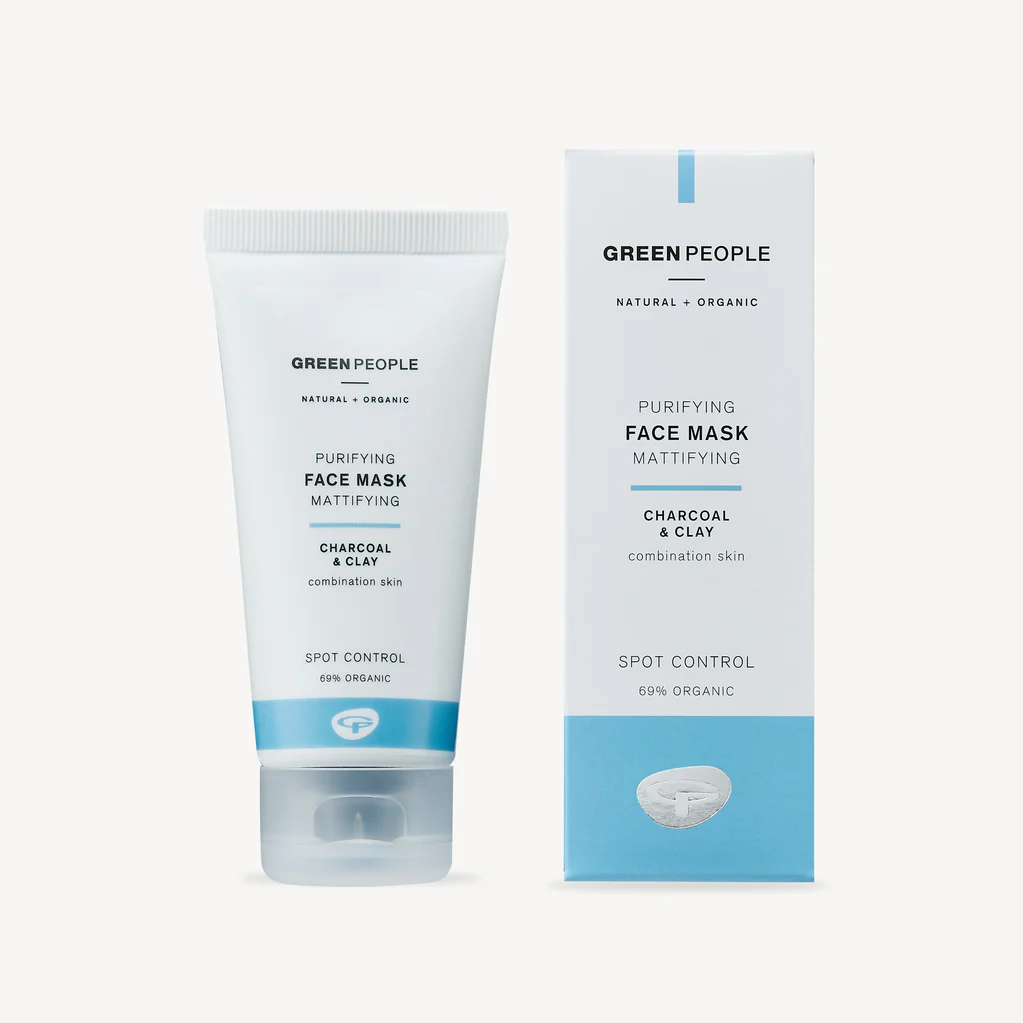
Green People Purifying Face Mask is made with purifying charcoal, bentonite clay and sustainably-sourced alpine willow. Packaging is easy to recycle at kerbside or Boots/Superdrug stores.
Organic facial masks may contain ingredients such as:
- Organic aloe vera
- Organic rose or floral waters
- Botanical extracts
- Organic plant oils
- Natural butters
- Herbs and botanical powders
- Mineral-rich clays
Remember that ‘natural’ and ‘organic’ are not the same thing always. A product can be ‘natural’ without being certified organic and could have other chemical ingredients. While a certified organic mask should be fine.