Sustainable Incontinence Aids for Carers

Bladder incontinence is a lot more common than people think, often because many people don’t tell anyone they have it. It’s common during pregnancy and for many medical conditions (like Parkinson’s and MS).
Cheeky Wipes makes reusable incontinence pads, in a range of styles and strengths. They were actually invented by a woman who due to illness, suffered from chronic incontinence. These are wider than period pants at the back, but can also be used for heavy menstrual flow.
Due to waterproof synthetic backing, launder reusable incontinence pants in a microfibre filter. Avoid tumble-drying and don’t use fabric conditioner (reduces absorbency).
They also have an additional tab to open and close easier (ideal for people with arthritis). You can launder, but don’t tumble dry, as this reduces absorbency. Change every few hours for light incontinence, or more for severe cases. The men’s incontinence pants look like normal trunks.

- Abena is a Danish company that makes incontinence pads for men, for discreet yet leakproof protection. The pads feature micro-punctured top sheets and breathable backing, and are free from chlorine, latex, PVC, phthalates and perfumes.
- Most organic feminine care products (disposable pads and washable pads and pants) can also be used for light incontinence. Just rinse after use, and throw in the wash (they work like cloth nappies!)
- The NHS and local councils often offer schemes to ease the burden, both for the person you care for and for you as a carer.
Understanding Bladder Incontinence
Councils are urged to keep free loos. As people often either don’t drink when out (leading to dehydration) or don’t go out at all, worried they can’t find a loo.
Urge incontinence is the main type, but there is also stress incontinence (when a chuckle or sneeze causes an accident) or overflow incontinence (the bladder doesn’t empty properly, leading to dribbles afterwards – common for men with enlarged prostates).
Other issues like arthritis or disability, may simply mean it’s difficult to reach the loo in time.
Carrying extra weight puts more pressure on the bladder. What you eat and drink can sometimes affect incontinence.
Caffeine and alcohol are known culprits and other foods may irritate the bladder. Keep a food diary to spot patterns, and consider making tweaks for less leaks!
Accessible Loos and the RADAR Key
- Public toilets for disabled users are often locked to stop vandalism or misuse, but carers can apply for a RADAR key (costs around £5) for quick access. This gives entry to over 9,000 accessible loos across the UK and are a lifeline when someone needs urgent facilities outside the home.
- Some local councils offer the keys for free. Councils and local shops/hotels/restaurants can also help, by providing more accessible public loos for everyone, not just paying customers.
- Download the Great British Public Toilet Map on your phone—find open, accessible toilets in shops, stations, and parks across the UK.
- The Toilet Card (Need the Loo card) is another helpful option for discreetly asking to use staff toilets in shops or cafes. It’s small, fits in a pocket, and can ease awkward moments when out and about.
How to Safely Remove Urine Stains/Odours
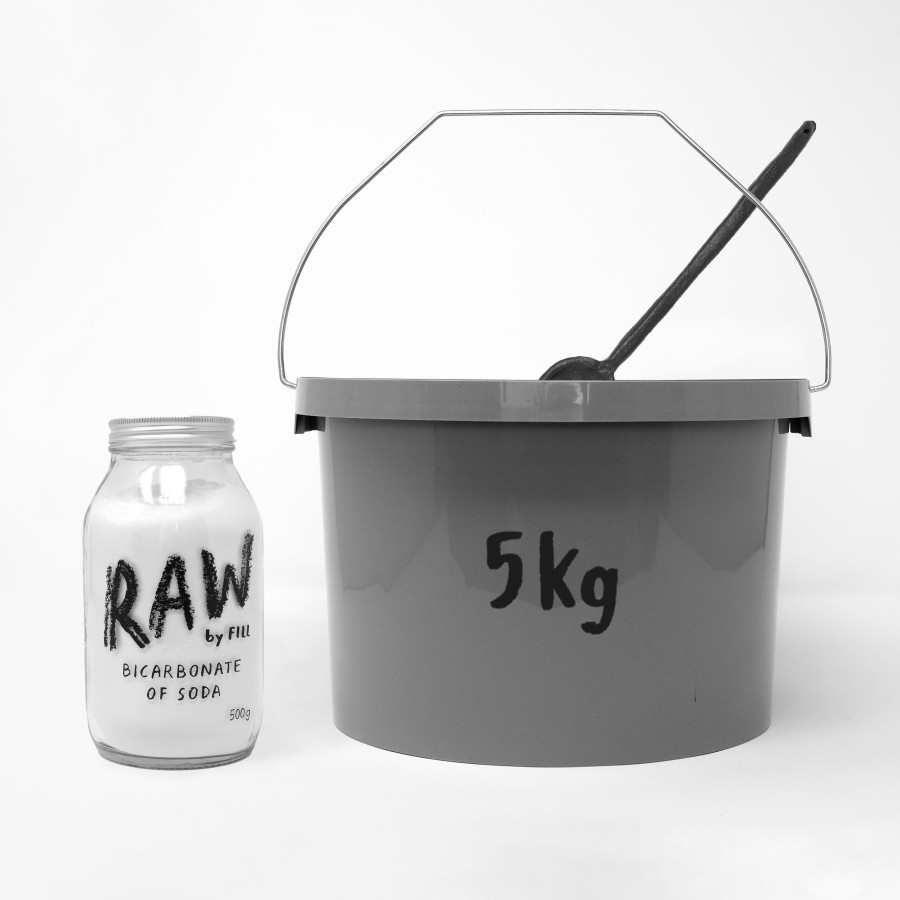
If laundering does not remove urine smells, soak undies in warm water with a few tablespoons of baking soda for up to an hour. Rinse and launder as normal, using oxygen bleach to remove stains (not chlorine bleach, nasty stuff).
Avoid essential oils for pregnancy/nursing or pet pee stains (choose unscented brands).
Read our post on removing stains naturally.
- Spot Clean Fast: Use a spray bottle filled with water and cleaning vinegar (equal parts) to dab fresh urine from carpets, mattresses, or chairs. Pat dry with an old towel for best results.
- Use bicarbonate of soda sprinkled on damp patches to lift odours from carpets or soft seats. Leave it overnight and vacuum in the morning.
- For hard floors, a mop with warm water and a splash of white vinegar cuts urine stains with fewer chemicals than most shop-bought cleaners.
- To freshen air naturally, open a window daily or set out bowls of baking soda.
- Change Bed Linens Regularly: Waterproof and washable mattress protectors make bedding changes simpler and help mattresses last longer. Panda’s bamboo mattress protector is made from a waterproof biodegradable material, using advanced nano-technology, to protect from excess moisture and accidental spills.
Managing Outings and Travel
- Uribag (possibly free on the NHS, ask your GP) is a latex canister is a portable urinal for men (just pee, empty on the kerb, then wash at home to use again). The female version is designed for bedbound patients. Another option is Shewee (pee without undressing) .
- Popaloo (ideal for churchyards and allotments) uses dry powder in a biodegradable bag that turns to gel on use. Natsol composting toilets are modern, hygienic and affordable, and accessible for everyone.
What On Earth are Pelvic Floor Exercises?

Kegels are exercises that have powerful results, as they can help you gain bladder control, if done for a few minutes a day.
Tone up your pelvic floor muscles. These are the muscles you use to pee. If you don’t know where they are, just pretend you’re about to pee, then hold it. The muscle you just used is your pelvic floor!
Tighten the pelvic floor muscles, and hold for a slow count of five (don’t hold your breath). Release the squeeze and rest for five seconds. Try to repeat this 10 times in row. As strength improves, aim for 10 reps three times a day. Also good are kegel weights. Follow the manufacturer’s instructions, and keep an eye out for any signs of discomfort. Talk to your GP for severe cases, to help prevent a pelvic prolapse.