DrVegan HeartPro (supports normal cholesterol)
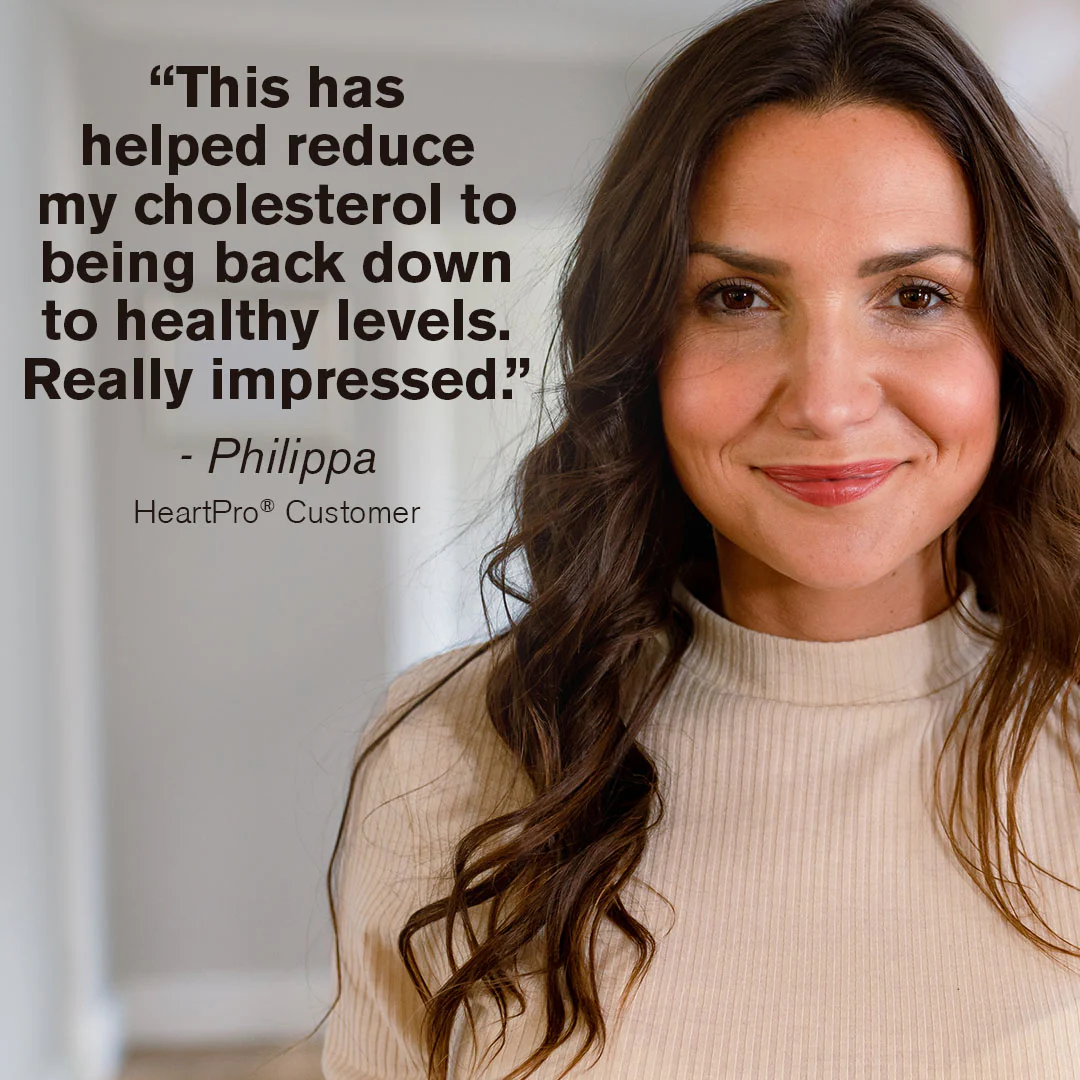
Dr.Vegan HeartPro is a quality supplement, the first order is sold in a refillable metal tin, then you just order refills in eco-pouches thereafter. You can buy once, or get a free pill tin, then subscribe for bigger savings.
Designed to support normal cholesterol and good heart health, this contains plant-sterol complex and red yeast rice extract. The supplement includes black garlic, ginger root and CoQ10 along with chromium for a healthy heart.
Do not take if you are over 70, and consult doctor if taking statins or other pills, as they should not be taken with cholesterol-lowering medication.
Before taking supplements, check with GP if pregnant/nursing or on medication. Keep them away from young children and pets, and recycle unused supplements at pharmacies.
How long to take these supplements to work?
- 2 weeks (live cultures repopulate gut microbiome)
- 1 month (lower LDL cholesterol and normal homocysteine)
- 2 months (better heart health and immunity)
- 3 months (reduced LDL levels, better arteries)
- 4 months (better arteries and heart health)
Healthy Heart Tips (simple affordable swaps)

We all have a beating heart while we are on this earth. But heart disease affects around 1 in 4 people in England, yet prevention for most (aside from those with genetic causes) is pretty easy:
- A wholefoods plant-based lifestyle
- Regular exercise
- Giving up smoking
- Avoiding excessive alcohol
For hereditary heart disease, switch donations from British Heart Foundation (which uses outdated and cruel animal testing) to modern, kind and effective humane medical research.
What exactly is the heart?
The human heart is a powerful muscle, which beats around 100,000 times a day to pump around 2000 gallons of blood through 60,000 miles of vessels in the body. Your heart will be beat up to 2.5 billion times in your life!
Roughly the size of two clasped hands (a child’s heart around the size of a fist), it’s located to the left of the centre of your chest. It has its own electrical pulse so will still beat, even when disconnected from the body. Although a woman’s heart beats typically a little faster, all hearts beat around 60 to 100 times a minute, depending on age, health and activity.
Although there is no link between stress and heart attacks officially, they are more common on Mondays and Christmas Day, which would suggest otherwise.
What causes heart disease?
Most heart disease is caused by a build-up of plaque in the arteries, and this restricts blood flow. The main reasons are high blood pressure, smoking, high cholesterol (only animal foods have cholesterol), diabetes and obesity. Poor diet, lack of exercise and alcohol can also make things worse.
Although the onus is on the individual, councils and governments have rules roles to play. Because legislating so that everyone has access to good affordable low-fat organic food and public greens places to walk in, means that people of all incomes can live and eat well.
Heart disease is far more common in low-income areas: not just because more people smoke and drink. But because people have less access to nutritious food (the local NISA selling pizza and chips rather than a farmers’ market), there are few public green spaces, and often these are high-stress environments.
What causes a heart attack?
A heart attack occurs (mostly due to coronary artery disease) when so much plaque narrows the arteries that it restricts blood flow to the heart muscle. The plaque then ruptures and causes a blood clot that blocks blood from reaching the heart.
Symptoms of a heart attack are intense chest pain or tightness, pain radiating to the neck/back/jaw/arm, shortness of breath, nausea and cold sweats. A cardiac arrest is when the heart suddenly stops beating and causes immediate collapse and loss of pulse. In both cases call 999.
It’s good to take a first aid course, and information constantly updates. For heart attacks, keep the person seated and resting, and (if not allergic give one chewable aspirin) and assist with prescribed medication.
For a cardiac arrest, immediately start CPR and use a defibrillator if available, while waiting for an ambulance. Many communities have first responders who are trained to use them (you can even adopt an old red phone box for £1, and use it to store one in).
Proven solutions to prevent heart disease
In the USA, Physicians Committee for Responsible Medicine offers a ‘plant-based prescription’ for good heart health:
- Replace meat with beans, tofu, tempeh, or lentils
- Eat three veggie servings and two fruit servings daily.
- Avoid all animal foods (including dairy)
- Avoid processed junk food
- Avoid fatty oils (including coconut and palm oil)
Dr Caldwell Esselstyn is a cardiologist (still thriving in his 90s – his former firefighter son Rip writes cookbooks based on his dad’s pioneering work). This doctor is well-known for being the first to literally reverse patients’ heart disease through diet alone, with angiograms showing a widening of the coronary arteries.
In patients often told by other doctors they had less than one year to live. Symptoms (like angina) literally disappeared within 8 to 12 weeks.
If the truth be known, coronary artery disease is a toothless paper tiger that need never exist. And if it does exist, it need never progress. Dr Caldwell Esselstyn MD
This is because atherosclerosis is due to blocked blood vessels, but cholesterol is only found in animal foods. Irish medical doctor Gemma Newman says the best prevention for heart disease is to replace chicken with chickpeas! She says the only caveat is a bit of farting, as your body gets used to eating fibre!
Eat fibre for good heart health
Animal foods have no fibre, plants do. So when fibre binds to LDL cholesterol in your gut, it kind of ‘sweeps’ out of your body, which helps reduce risk to your arteries. A few everyday examples of heart-healthy meals:
- A bowl of porridge with oats, berries, and a spoon of ground flaxseed.
- A salad with chickpeas, quinoa, rocket, olives and lemon.
- A chilli with beans, tomatoes, peppers, and brown rice.
- A baked potato with hummus and a side of steamed greens.
I don’t understand why asking people to eat a well-balanced diet is considered drastic. While it is medically conservative to cut people open or put them on powerful cholesterol-lowering drugs for the rest of their lives. Dr Dean Ornish MD
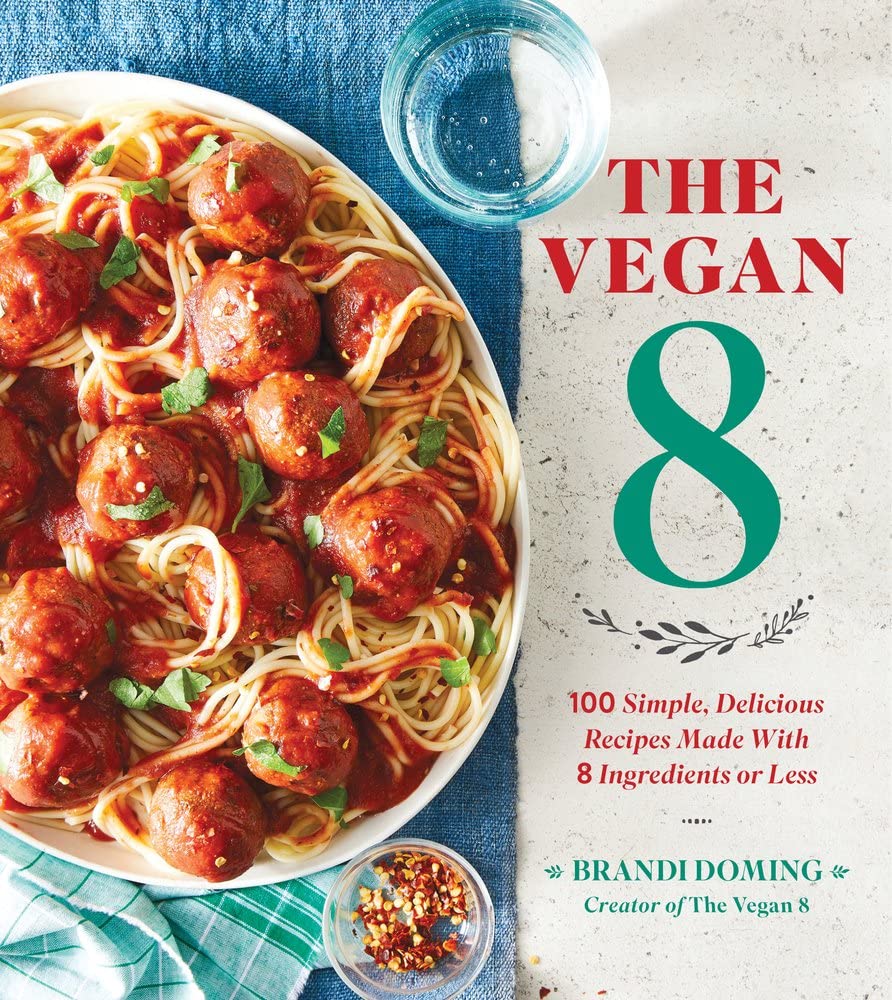
If you’re thinking ‘Crikey how can I make tasty food without animal products, refined sugar or oil?’, get yourself a copy of The Vegan 8, a fab book of no-oil recipes (it does use ‘real fats) with no gluten either. The author created them to heal her husband’s gout, when doctors said they couldn’t help. All recipes have 8 or less ingredients (bar water, salt and pepper).
Check medication, as some can interact with vitamin K from green leafy veggies and grapefruit. Read our post on food safety for people and pets.
Good heart-healthy foods include:
- Berries: Blueberries, strawberries, raspberries are all rich in antioxidants to protect blood vessels from oxidative stress. Add to porridge or plant-based yoghurt, or eat as a snack.
- Nuts: Almonds and walnuts bring healthy fats, plant protein, and minerals. A small handful is a better snack over refined oil, choose unsalted and unroasted.
- Leafy greens (check medication, as some interact due to vitamin K): Spinach, kale, rocket, and chard add potassium and nitrates, and can help relax blood vessels and lower blood pressure. Add a couple of handfuls to soups, stir-fries and vegan omelettes.
- Whole grains: Oats, brown rice, wholemeal pasta, and quinoa offer fibre for steady energy and cholesterol control. Oats bring beta-glucan, which helps lower ‘bad cholesterol’. Make a bowl of porridge!
- Legumes: Lentils, chickpeas, black beans, and peas deliver protein, iron, and fibre without saturated fat. A cup cooked can replace minced meat in many dishes. They also help support healthy weight.
Heart-healthy exercise (no jogging required!)

Your heart is a muscle, so regular gentle exercise is as important as heart-healthy food. Try walking 5 days a week, and strength-training two or three days a week. Swimming is also good, and just incorporating regular movement into daily life.
Check with your GP before starting an exercise program.
Move it Or Lose It is a great exercise book for older people (or anyone who is not fit) that is sold alongside resistance bands (that give the same benefits as weights, but with less hassle). This organisation also runs exercise classes nationwide by qualified trainers.
Lucy Wyndham-Read also offers free online workouts including this 10-minute low-impact cardio workout, no jumping required!
Switch donations to humane medical research

BHF is one of England’s ‘big charities’ and although the aim is good (to prevent heart disease and fund research), it has many critics.
For a start, it tests on animals. At a time when the smaller humane research charities are finding cures without animals using modern, cheaper and more accurate methods. Switch your donations to help animals and your relatives.
One reason why the humane research charities don’t get as many donations, is because they spend funds on research, not free pens, company cars and thousands on TV ads to pull at your heart strings.
Although some heart disease is congenital, nearly all heart disease is due to the reasons above. But BHF spend very little funds on promoting this, their ads are all about medical research. Plus they have been criticised for sometimes almost ‘blaming the patient’ for not eating right. When as mentioned above, many people live in ‘food deserts’ with little access to places where they can take free exercise, like parks.
BHF is one of the charities that has huge overheads. From TV ads and big salaries to funding a nationwide chain of second-hand stores, often on expensive-to-rent high streets. Many people who give want money to go on prevention and humane research, not on shop rents, company cars, high salaries and animal testing.
This is a charity that has almost become a business. If you give to small humane research and refuse to take part say in marathons to raise money for them, you could be accused of not giving a hoot about anyone suffering from heart disease, it’s almost as well-loved as the NHS, but without the scrutiny.
In 2024/2025 the charity received over £400 million in donations, almost a quarter of that in Wills. It also raised almost £60 though fundraising activities (the retail shops earn a tiny percentage by comparison).
So how come it is not using this money to fund campaigns for better local organic food, free public parks, meditation classes to reduce stress and help for those addicted to cigarettes and alcohol?
Instead, its website states it spent around 25% of this income on research (mostly animal-tested), around £50 million on health information and support. And yet – over £50 million on investing to grow the income. So in other words, an eighth of the charity’s entire income is sitting in a bank somewhere, or being used to raise more money, instead of carrying out preventive methods to stop heart disease and cardiac arrests.
What animals does BHF test on? Mostly mice and rats. But also rabbits, fish, goats, pigs, sheep and even dogs occasionally (inducing heart attacks).
The heart of a mouse is 500 beats per minute compared to 60 to 80 beats for humans. Testing whether drugs can mend a broken mouse heart is therefore a flawed approach. Not a single drug shown to rescue heart failure in mice has translated into clinical use. Animal Free Research UK