Farmer-owned pachamama coffee (inspiration from abroad)
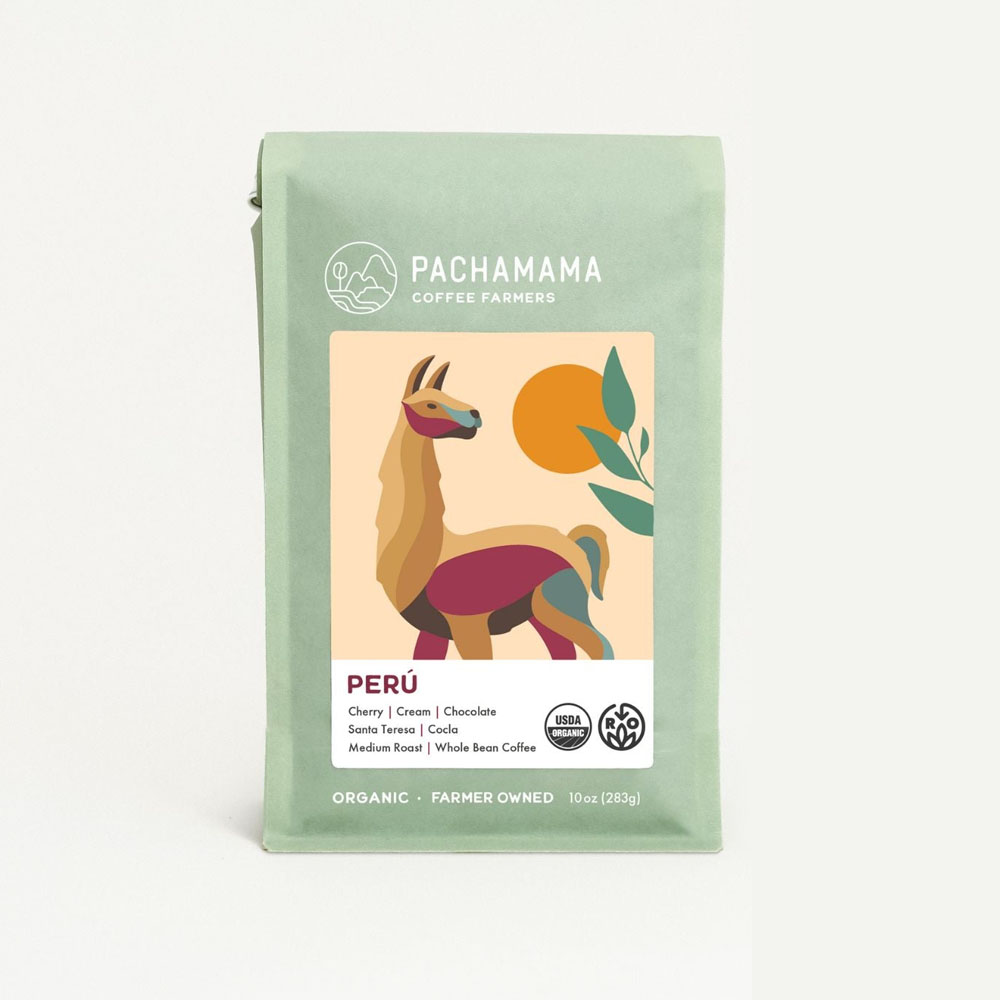
Pachama Coffee is a unique organic coffee company because it is owned by coffee farmers. Instead of outside investors or shareholders owning the business, thousands of farming families from Peru, Nicaragua, Guatemala, Mexico and Ethiopia collectively own the company. This means the people who grow the coffee also share in the success of the brand.
One of the nicest features of Pachamama is that each coffee includes information about where it comes from. Many products feature a short biography of the farmer or farming community that produced the beans.
Avoid caffeine for pregnancy/nursing.
Swishing coffee grounds into sinks could clog drains, so use a SinkShield. Unless you have a food waste bin, just bin coffee grounds (and tea leaves) to avoid caffeine harming compost creatures.
Why farmer-owned coffee matters
Most big coffee brand are owned by multinational companies or shareholders. Their main aim is generate profits for investors.
Pachamama works differently. Because the farmers are the owners, they receive income not only from selling their coffee beans but also from the company’s success. This gives farming communities a greater share of the value created from every bag of coffee sold.
While no company can solve every challenge facing coffee growers, the farmer-owned model helps give producers more control over pricing, business decisions and long-term sustainability.
The reality for most coffee farmers
Coffee is one of the world’s most popular drinks, yet many of the people who grow it earn very little. Most beans are bought on the global commodity market. Prices can fluctuate and even fall below the cost of production. When this happens, farmers may struggle to cover their costs.
So only a small percentage of the price you pay for a jar of coffee, reaches the farmer. Sometimes even only a few pence from the retail price. The rest covers processing, transport, packaging, roasting, marketing, retail costs and profits throughout the supply chain.
Many instant coffees are made primarily from Robusta beans because they are less expensive to produce and contain more caffeine. Higher-quality speciality coffees are usually made from Arabica beans, which generally command higher prices but also cost more to grow.
Choosing coffee from companies that prioritise transparency, direct relationships or farmer ownership can help support a fairer distribution of income within the coffee industry.
Why organic coffee is better
Pachamama’s coffees are certified organic. Organic farming avoids synthetic pesticides and fertilisers and instead focuses on working with natural ecosystems to maintain healthy soils and biodiversity.
Many coffee lovers also appreciate the flavour of organically grown speciality coffee, although taste will always depend on the bean variety, climate, altitude and roasting process.