
Practical Help for Carers (Parkinson’s, MS and Dementia)

If you are caring for someone, there is financial help for exhausted carers. Make sure you are getting all your benefits (both patient and carer) and get financial help for disabled patients. This this can also trigger lots of free other things, from grants for more comfortable wheelchairs to priority support if your phone gets cut off.
But also there are some good inventions and practical advice, to help too. Also read about sustainable drinking/eating aids and help for bladder/incontinence.
Practical help for Parkinson’s patients
Parkinson’s disease patients should avoid choking hazard foods like roast potatoes, nuts and seeds. Ask an occupational therapist to adapt homes to make them fall-proof and use non-slip mats/rugs and remove clutter, trailing wires and frayed carpets. Also wear supportive shoes (not clogs).
It’s thought that just 10 to 15% of PD cases are genetic, the others due to head trauma or garden pesticides (one banned in the UK is still exported to the US). So grow no-dig organic food (read up on pet-friendly gardens).
- Pathfinder uses a laser to attach to shoes to provide a visual obstacle to prevent falling. Wear with hard flat shoes. LaserCane beams a laser in your path, and U-Step is a safer zimmer frame, that won’t roll away.
- SteadyScrib is a pen that uses magnetic technology to address tremors, rigidity and bradykinesia (slow movement). So writing goes back to normal.
- Gyenno Spoon keeps hands steady while eating, like ‘sticking your hand in thick syrup’. It was invented by a medical student, who watched a patient struggle to eat a bowl of soup.
- StairSteady is more affordable than stairlifts, which locks handrails in place, then folds away when not in use.
- Beech Band is currently crowdfunding to sell at an affordable price, a tapping device to help clear speech.
- Kangaroo Cup stops trembling hands, the new versions are ceramic.

We often think of people with Parkinson’s as having shaking hands but actually not all patients have this symptom. And this is just one of many symptoms. The biggest symptom is a ‘shuffling walk’ where poeple lose their balance, and the main risk of PD is falls.
Path Finder is a modern equivalent of the finding that when you put sheets of typing paper on the floor as ‘obstacles’, many patients can suddenly walk over them, without problem. You can buy walking sticks with lasers that shoot out ‘an obstacle laser line’ on the pavement in front’, but these are very expensive, unless you have a generous benefactor or forward-thinking NHS trust.
This invention is also expensive, but if the NHS funded them, it would result in far less falls, so long-term this would cost the NHS less as good preventive treatment (a bit like pads to protect hips).
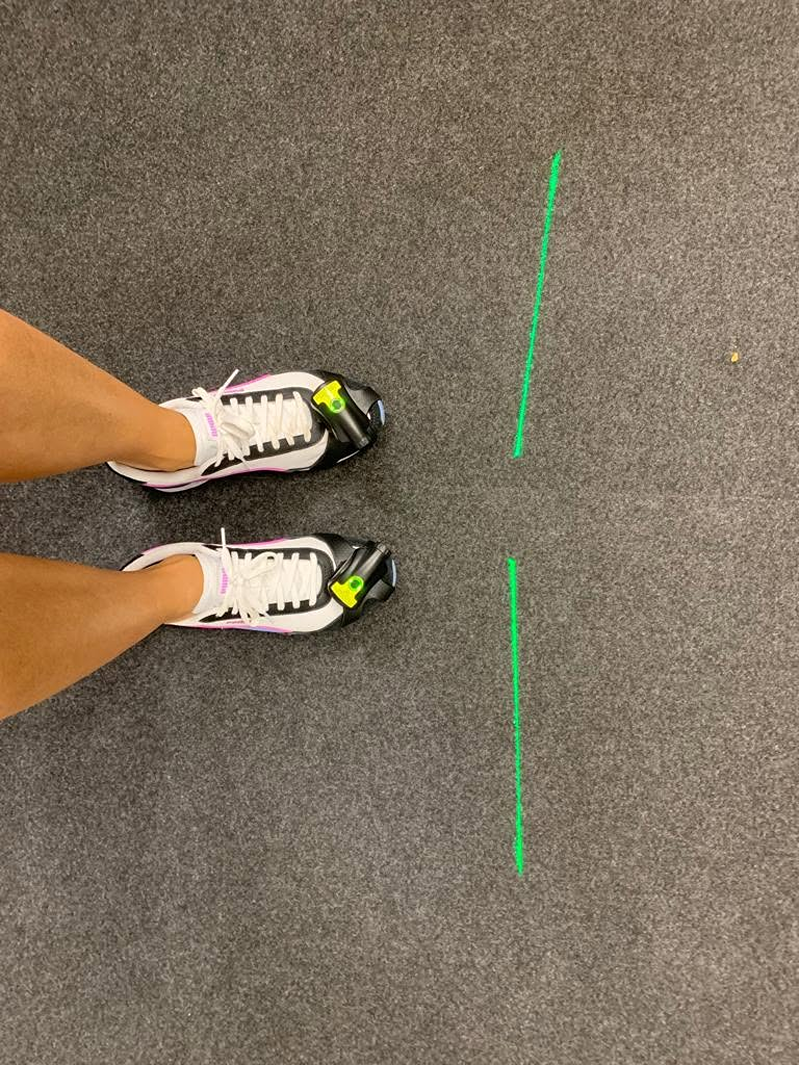
If you freeze, this medical device can get you moving again, by presenting a laser line that helps the brain start moving safely.
Note international orders may be subject to import duties and tariffs. This is where Trumpian obsession with money comes in, as chasing profit means often medical treatments and devices cost more for those who would benefit.
Practical help for MS patients
Multiple sclerosis is sometimes due to genetics, and also linked to lack of vitamin D (sunlight), amalgam fillings and high consumption of cow’s milk (all due to reduced immunity- MS is more common in countries that drink a lot of dairy).
Regular exercises keeps limbs flexible, betters balance and increases muscle tone, for less chance of injury (exercise also helps with depression). Trained fitness coach Joe Wicks offers a 10-minute chair fitness work.
Practical help for dementia patients
Dementia is often due to clogged arteries in the brain (so prevention is just like heart-disease with a low-fat plant-based diet). There is no hard evidence yet that aluminium causes dementia, though you may wish to choose nontoxic saucepans (there’s more aluminium in tap water and polluted air).
- Keep to a Routine. Dementia patients love routine. Get up and go to the bed at the same time, same with meals.
- Make the space safe. Keep cleaning products to alchol in locked cupboards, and remove tripping hazards.
- Dementia UK is a non-animal testing charity with a free helpline and free Admiral nurses, who provide specialist care.