Keeping Our Parks Green: Ways to Prevent Litter
England’s public parks are many. But to be honest, most are pretty uninspiring. Some are more dedicated to skateboard parks than native trees, and some even ban dogs (that need open green space to run and have fun in, if guardians have no gardens).
A walk in the park is good for everyone’s physical and mental health. And lack of vision on this, is one reason why we have so many incidences of heart disease, diabetes, mental health issues, obesity etc.
If every town and village had a beautiful and inspiring public park for morning and evening walks, with uplifting flowers and trees, and a peaceful oasis, a huge percentage of these illnesses, likely would not exist.
If people have walkable communities in nature, they naturally start to get fit by walking, eating well and spending quiet time. But many councils don’t see investing in public parks as one of town planning’s major preventive medicine necessities.
Making public parks safe for everyone
One gentle reminder for pet guardians: watch out for conkers scattered under horse chestnut trees. These shiny brown seeds, tempting for curious dogs, are toxic and can cause serious illness. Steer clear, when exploring local parks.
Read our posts on creating pet-friendly gardens and wildlife-friendly gardens. And learn of trees to avoid near horses (including yew, oak and sycamore).
Councils can work with designing out crime officers with their local police force, to ensure there are no ‘hidden places’ for unsavoury people to lurk.
Installing solar lighting (that is amber-hued and points downward, to reduce light pollution for birds and wildlife) is good, as it also keeps parks safe, when lighting is needed (but goes off, when not in use).
Organic lawns are a must, as children and dogs will be playing on them. Also be aware that many plants, flowers and trees are unsafe near animal friends (for instance, all bulbs and many mulches are pet-toxic). Many flowers are also toxic to wild rabbits and other wildlife.
Read our post on pet-friendly gardens (which also includes information on trees that are not safe near horses and barnyard friends).
Ensure ponds or lakes have sloping sides (for wildlife). Don’t plant flowers in railings. Wild deer eat flowers, and could get stuck (then you’ll have to call your wildlife rescue).
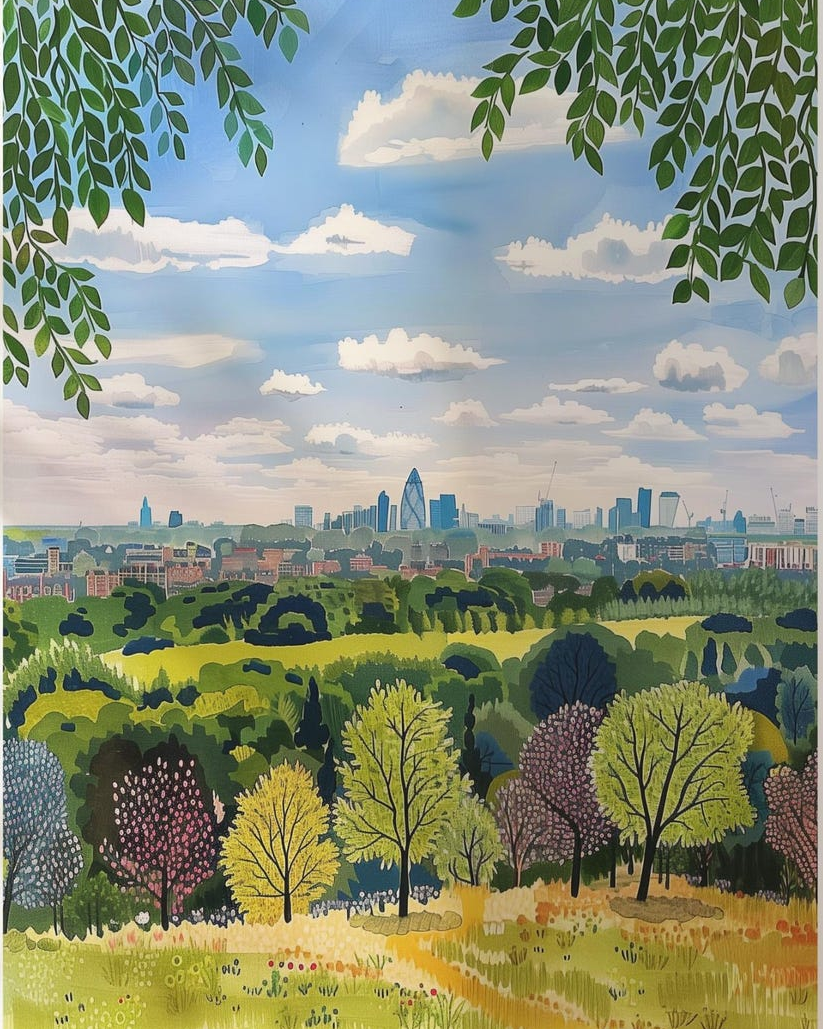
Hampstead Heath is an 800 acre wild park in North London, which includes rugged landscapes and ancient woodlands, and some of London’s best views. Managed by the City of London, it’s just four miles from the centre. A green oasis for people who live in the capital.
Hampstead Heath is home to three natural bathing spots, which are popular for wild swimmers. It also features Parliament Hill, a legally protected viewpoint from where you can see St Paul’s Cathedral.
Kenwood House is a neo-classical villa on the northern edge, which you can view world-class art for free. And nearby Hill Garden is a hidden Edwardian treasure that has raised walkways covered in climbing plants.
We recommend avoiding the zoo, as you can conserve animals without caging animals.
The nearest tube stations are Hampstead or Belsize Park (northern Line).
Out walking? Follow the Countryside Code to keep all creatures safe. Keep dogs away from steep banks, mushrooms (and other toxic plants/trees) and on leads during nesting season (and near barnyard friends and wild ponies).
Did you know many trees (including yew, oak and sycamore) are unsafe near horses? Also keep conkers away from dogs. Councils should not plant flowers in railings, as deer can get stuck in them.
Are dogs allowed on Hampstead Heath?
Dogs are allowed in most parts of Hampstead Heath, but follow the rules for those where they are not permitted, and keep on leads if not trained or in unsafe areas. Also avoid toxic plants and trees. A license is required for professional dog walkers.
A recent study by Imperial College London found that one dog-swimming pond contained chemicals dangerous to aquatic life, possibly from pesticides used in parasite treatments for flea and tick infestations, from ‘spot on formulas’ and flea collars. Obviously it’s important for pets to be flea-free, but these chemicals have been banned for agricultural use since 2018, due to harming bees, dragonflies and other insects.
So why are flea prevention companies still using them on pets?
Vet Dr Rosemary Perkins (from University of Sussex) says that many vet associations now recommend against routine blanket parasite treatment, saying it’s best to monitor and treat only when necessary.
Interim solutions are to vacuum frequently, wash bedding in hot water (with unscented laundry detergent), restrict access to high-risk areas and use a quality flea comb to inspect for ‘flea dirt’ and then treat only if evidence is found.
The Guardian reports that many are asking vets to stop profiteering from (sometimes) unnecessary flea treatments, which is killing insects and songbirds. One monthly flea treatment for a large dog contains enough imidacloprid to kill 25 million bees.
One biology professor asks ‘we don’t treat children with nits unless they have them?’
One nurse who was being pushed to pay for monthly flea treatments, switched to a smaller independent vet less interested in profit, and now only prescribes medicines when they are needed.
London is an official urban forest, with more trees than people. It has over 3000 parks and thousands of tree-lined streets, including many secret green spaces.
London Parks spends a year walking around the author’s favourite parks. From his local haunt on Hampstead Heather to Richmond Park to Battersea Park (with the little brown dog statue, in memory of the first victim of vivisection).
Hyde Park was built in 1536 by Henry III who ‘stole the park’ from local monks, who used it to worship and garden. The king then used it to hunt deer.
Thankfully today the 350 acres is home to over 4000 trees and an antique bandstand. Lake Serpentine is actually a pool, built at request of Queen Caroline (a sad history, as an IRA bomb killed four men and seven horses in 1982).
Richmond Park (home to red and fallow deer)
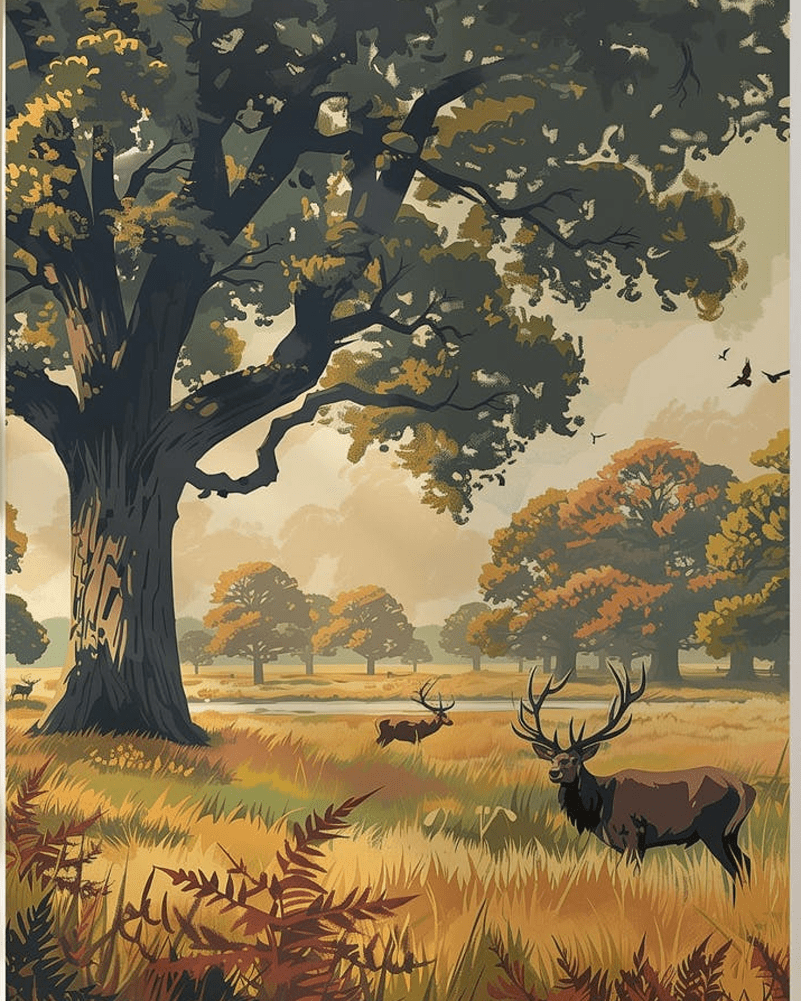
Richmond Park is a living landscape packed with history, wildlife and wide open views. Known for its herds of red and fallow deer, around 600 have roamed these fields and woods since the 17th century.
The Isabella Plantation bursts colour each spring and summer (Azaleas and rhododendrons (toxic to dogs) line the winding paths.
Alternatives to culling deer?
Richmond Park does cull deer, saying venison profits go towards employing Wildlife Officers. And says contraceptives would cause stress through rounding up and fencing (and could impact male deer and other wildlife. And says this is done to avoid starvation. But a Freedom of Information Actfound that profits are huge, some say it’s just a ‘glorified farm’. And deer contraception appears to be working well in the USA (with some caveats).
Other deer have died from litter, collisions with cyclists, becoming trapped in fencing, cables and rope and even a calf abandoned due to someone picking it up. Read more on how to co-exist peacefully with deer.

Public park benches (from fishing waste)

Ecotribo make lovely park benches, made from recycled ghost fishing waste. These are sold in 2 designs in a range of colours, and very durable in wet weather (just wipe clean now and then, and they’ll last for years).
Marmax Products makes park and picnic benches, litter bins, dog poop bins and path posts, all made from recycled milk bottles (just assemble with a spanner). They are colourful and resistant to rain and rot, and come with 25-year guarantees (wheelchair-friendly options are also sold). From public benching to picnic tables to platforms for wildlife ponds.
We like the Goal Wall that is better than football nets (which can tangle foxes and other wildlife, when not stored away).
We don’t recommend their recycled plastic birdhouses (these could overheat, choose ones made from untreated wood instead – learn more on how to buy and site bird houses).
How to prevent litter in public parks
Parks attract people, and people unfortunately usually attract litter. So go big and go large, in providing enough litter bins, so they don’t end up overflowing, before emptying. You can buy solar bins that have a panel in the top to compact waste down, if you can’t afford regular emptying.
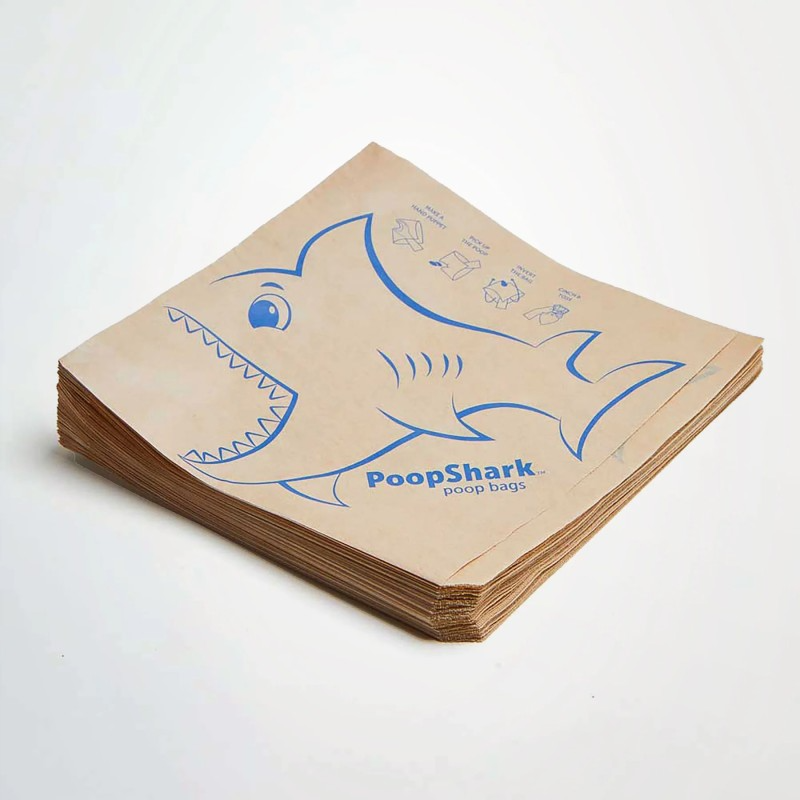
And of course include plenty of dog poop bins. It’s false economy not to provide a few free biodegradable poop bags (it’s human nature to forget). Because it costs far more, for council workers to come out and clean up dog poop, than it does handing out a few bags for dog walkers.
Why do other countries have more parks?
Who knows? Perhaps they value nature more? The Oregon city of Portland has a similar population to Sheffield (and is around the same size, with similar rainy weather). Yet it has way more parks by comparison. Most cities in Europe have a huge amount of public parks, compared to England.
Why Public Space Matters is a book that asks councils not to sell off land to business, but instead use it to create public parks to play, meet, talk, debate and work. Includes examples from New York to Costa Rica.
A lot of England’s native birds and wildlife are in danger, due to lack of habitat. When you plant organic public parks, the birds, bees and butterflies return.
There are then natural nesting spaces for hedgehogs to dormice, trees provide food and shelter for all creatures (and they also help to prevent floods and reduce heat island effect in urban areas).
Lessons from New York’s central park

Whereas years ago, New York’s Central Park was known for being violent and somewhere not very pleasant, today it’s a thriving example of how to run a public park (it’s even recently banned carriage horses, after animal welfare campaigns, as horses were being injured in road accidents).
The park contains not just 60 miles of walking routes, over 18,000 trees (and 10,000 benches), but it now houses a third of the city’s birds and wildlife. And yet is three times smaller, than London’s Richmond Park.
In England, people have been told off for ignoring warnings to stay away from autumn rutting deer. And litter clean-ups have found plastic bags wrapped around a stag’s mouth, hedgehogs entangled in balloons, and cormorant birds with plastic beer rings, around their necks.
Richmond Park has called out people for littering disposable face masks. And cyclists dropping blue hydration gel (some deer have died, on eating it).
Yet despite Central Park having over 40 million annual visitors, there is hardly any litter. Rat-proof bins are emptied by quiet electric vehicles, and this park even performs Shakespeare in the Park. Why don’t parks in England do this – we are the home of the Bard?