How to Choose Vegan Ready Meals (without the guesswork)
A busy week can make the chilled aisle feel like a test. There’s colour, noise, deals, and a wall of “plant-based” promises. You grab something quick, because you’re hungry, then later you notice it’s low in protein, heavy on salt.
It also doesn’t help that “vegan” on the front doesn’t always mean what you want it to mean. It might be vegan, yet still palm oil heavy, light on real food, or owned by a parent company you’d rather avoid.
Before you start cooking, read about food safety for people & pets, because plenty of everyday foods aren’t safe around animals. Also recycle the packaging, either at the kerbside or in supermarket bag bins.
Start with the label: how to spot a truly vegan meal
The front of the pack is for selling. The back is for deciding. So do a quick scan on the front, then turn it over and confirm the details.
A good vegan ready meal usually looks plain in the best way. You’ll see foods you recognise, like beans, lentils, rice, vegetables, herbs, and spices. Meanwhile, a long list of extracts, gums, and “flavourings” doesn’t automatically mean “bad”, but it can hint at a meal built more for texture than nourishment.
If you want a simple checklist you can save, use this one:
- Vegan status: Check for ingredients (and allergens).
- Avoid palm oil: Look for “palm” in the oils and fats.
- Protein source: Pulses, tofu, tempeh, seitan, or soya.
- Fibre and salt: Compare similar meals by per portion values.
- Packaging and price: Choose what fits your budget and recycling.
Scan for sneaky ingredients to avoid
Keep an eye out for whey, milk powder, butter, cream, cheese, egg, egg glaze, and honey. Some sauces also sneak in things like fish sauce, anchovy, or shellfish extracts, especially in “Asian-style” meals.
Then check the allergen panel. In the UK, allergens are usually bold in the ingredient list. If you see milk or egg highlighted, it’s not vegan. However, “may contain milk/egg” is different. That’s a cross-contamination warning, meaning it’s made in a factory that handles those foods. It doesn’t mean milk or egg is an ingredient.
Also, remember “accidentally vegan” meals exist. A vegetable chilli might not shout about being vegan, yet the ingredients check out. In other words, the ingredient list matters more than the marketing.
Avoiding palm oil (and why it’s a good idea)

Palm oil can show up in vegan ready meals for cost and texture. On labels it may appear as “palm oil”, “palm fat”, or “vegetable oil (palm)”. Sometimes you’ll see “vegetable oil” on its own, which is less helpful.
It’s best to avoid palm oil because of deforestation concerns (the so-called ‘Round Table on Sustainable Palm Oil means that RSPB-certified oils are no guarantee of sustainability – Greenpeace says this self-policed term is ‘as useful as a chocolate teapot’ to protect orangutans and other endangered species’.
Also it’s a saturated fat that is flown here from thousands of miles away (in Indonesia) to provide a cheap oil, instead rapeseed oil to support our local farmers).
Be realistic, though. In some shops, especially at lower prices, palm oil free options may be limited. When it’s unclear, just learn to make your own food, and avoid more expensive ready meals.
Choose a meal that actually nourishes you
Many vegan ready meals (especially frozen burgers and sausages sin cheaper supermarkets) just use leftovers to make more profit, and you’ll find they rarely have protein or calcium. For instance, if you’re looking to eat plant-based meals, you need such items made with calcium and protein, not just ‘vegetables’.
It’s UK law to show traffic-light symbols, but for the odd ready-meal, it’s simpler to just look at the ingredients. Look for a clear protein source in the ingredient list: beans, lentils, chickpeas, tofu, tempeh, seitan, or soya mince. If you can, aim for around 15 g of protein per meal.
If the protein is lower, it’s not a disaster. You can nudge it up with a side. Add edamame, a tin of lentils, or a pot of soya yoghurt.
Calcium is also important (if a meal contains beans as protein, it will also contain calcium). Some ready meals use calcium-set tofu, which can help. Others use fortified plant milk in a sauce, or list added calcium in the nutrients. Leafy greens sound promising, but small amounts in a sauce won’t contribute much.
Check medication, before eating lots of leafy greens, due to interaction with vitamin K.
Fibre is the quiet hero here. Aim for 6 g fibre or more per meal when you can. Wholegrains and pulses help most, so brown rice, quinoa, beans, and lentils tend to beat white pasta in this one small measure.
Salt, saturated fat, and additives
Salt is the usual weak spot in ready meals. Two curries can look similar, yet one contains much more salt per portion. So compare per portion values, not just per 100g. A smaller portion can make a salty meal look “fine” on paper.
Saturated fat is another one to watch, especially in coconut-based sauces. Coconut can taste great, but it can push saturated fat up fast. If you eat those meals often, it helps to mix in tomato-based sauces, bean stews, and vegetable chilli.
Additives are more complicated. Not every additive is a problem, and some help with safety and texture. Still, very long ingredient lists can suggest a more ultra-processed meal, with more salt, more flavouring, and less whole food.
A simple balancing move works most nights: add something plain and plant-based on the side. Frozen veg, fresh salad or some wholegrains can make a smaller ready meal feel like a proper dinner.
Lazy (fast-frozen nutritious ready meals)
Lazy is a brand of fast-frozen ready meals, which are easy to cook up, for a nutritious plant-based dinner. They are a bit more expensive, but you can use half the pack and fill up with spuds and veggies, then chill the rest to heat and eat the next day. All are packed with fresh veggies and protein.
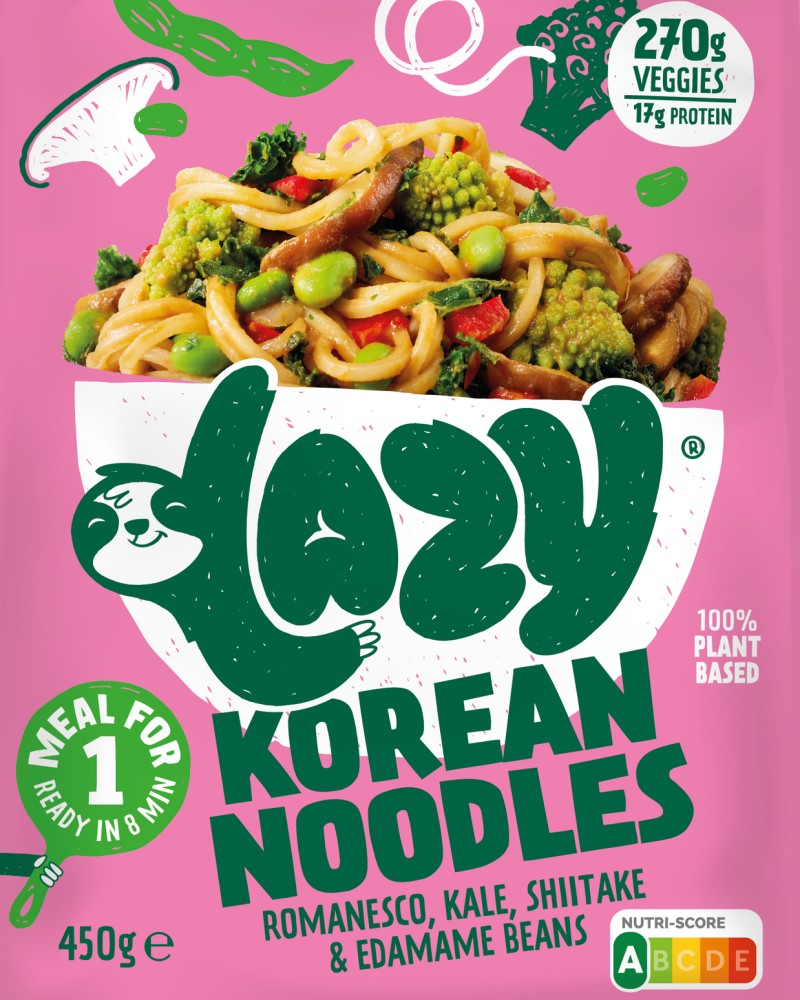
The range includes:
- Gnocchi alla pesto (spinach gnocchi with grilled veggies, olives, red pesto and plant-based Parmesan).
- Korean Noodles (kale, romanesco, shiitake and edamame in a delicious Asian sauce)
- Risotto Funghi (Arborio rise with frozen asparagus, mushrooms and cherry tomatoes in a vegan cream sauce, with garlic, spring onion and black pepper).
- Tikka Masala (cauliflower, spinach, red bell pepper and carrots, in a rice curry with chilli, garlic, coriander and chicken-style pieces).
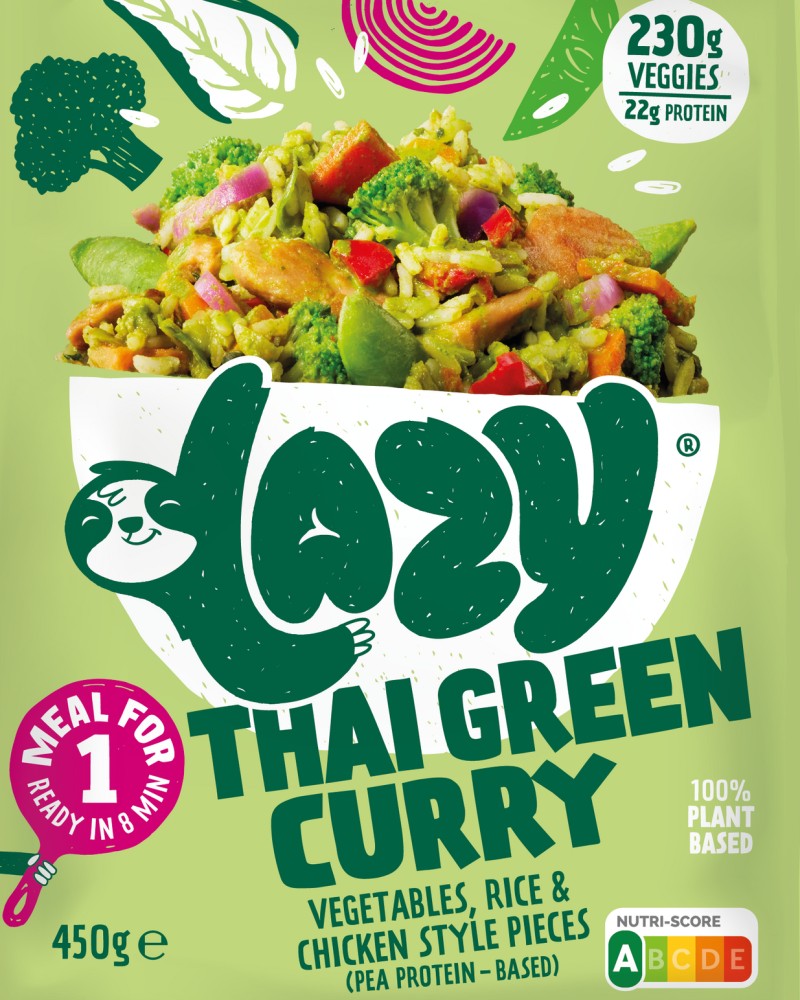
- Thai Green Curry (sugar snap peas, baby corn, green bell peppers, carrots and rice, with chicken-style pieces in a ginger/garlic/coriander sauce).
- Pasta with Pesto (courgettes, roasted peppers and cherry tomatoes, with fusilli in creamy pesto, topped with garlic, basil and vegan cheese).
- Mexican Fiesta (green beans, kidney beans, red bell pepper, sweetcorn and potatoes, with a chilli Mexican sauce).
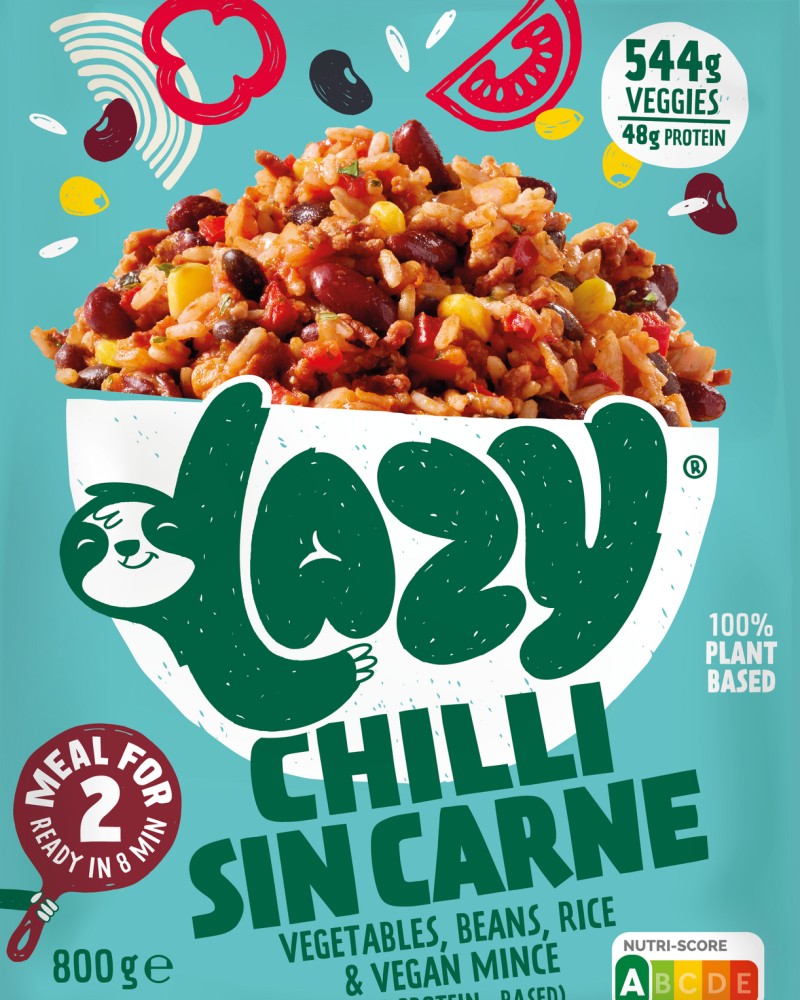
- Chili Sin Carne (beans, vegan mince and tomato sauce with a hint of lime). Not too spicy!)
- Mexican Falafel Bowl (brown rice, quinoa, mini falafel, sweet potato, bell pepper, broccoli, corn and kidney beans, in a coriander-lime dressing).
- Lebanese Bulgur Falafel Bowl (fresh veggies, chickpeas, lentils, bulgur and mini-falafel, in a lemon-herb dressing).
Affordable and lower-waste choices

In Sheffield, local people can buy Just Meals (those with the purple labels are vegan). This is a great idea, where volunteers cook up ready meals from food waste that would otherwise go in the bin or to landfill).
The meals are super-cheap, you just pay what you can (minimum £1 per meal) then take your order to a local collection point to save on delivery costs (which also reduces road traffic). Obviously not for allergies (there is a vegan low allergen option), but a great affordable way to enjoy a ready-meal.
Packaging is rarely perfect for vegan ready meals, though most kerbsides now recycle soft plastics (supermarket bag bins will also take them).
SUMA (affordable vegan tinned meals)
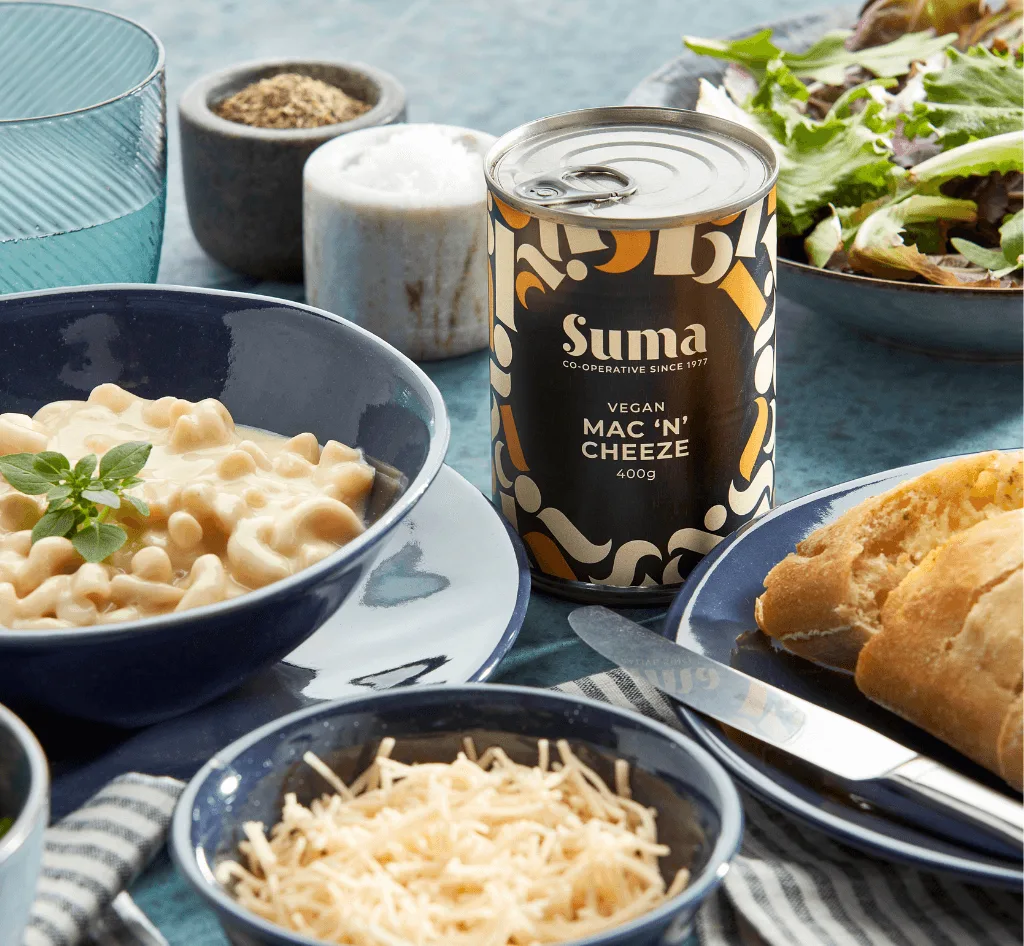
Store half-eaten meals from tins in airtight containers (don’t keep in tins). Always pop the ring-pull back over holes before recycling cans, to avoid wildlife getting trapped.
SUMA is a co-operative that sells wholesale to independent health shops. It has its own range of good tinned meals that you can find in health shops, farm shops and some smaller supermarkets (like Co-op or NISA).
These are mostly with protein, so with bread and some vegetables, make balanced meals. They don’t even need can openers. Just open, heat and eat:
The range includes:
- Refried beans (not fried in lard like most)
- Vegan ravioli with mushroom sauce
- Vegan mac n cheese
- Vegan cheesy pasta pot
- Spicy chorizo stew (chickpeas, peppers)
- Vegan meatballs
- Vegan meatball bolognese
- Saag aloo (potato, spinach, spices)
- Baked beans with vegan sausages
Also look in health stores for tinned mock duck. This is a tasty ix of seitan (wheat meat) in gravy for stews and casseroles, or to make a vegan shepherd’s pie.
Chill half-eaten meals in covered containers. Pop the ring-pulls back over holes before recycling, to avoid wildlife getting trapped).
These are sold in Co-op and local NISA stores, as well as many health shops. Just open the can, heat up and enjoy with some rice or good bread, for a quick nutritious meal. SUMA is a national health food shop wholesaler, run by a co-operative so it’s got good ethics behind it.
Plenny Pot (nutritious meals from The Netherlands)
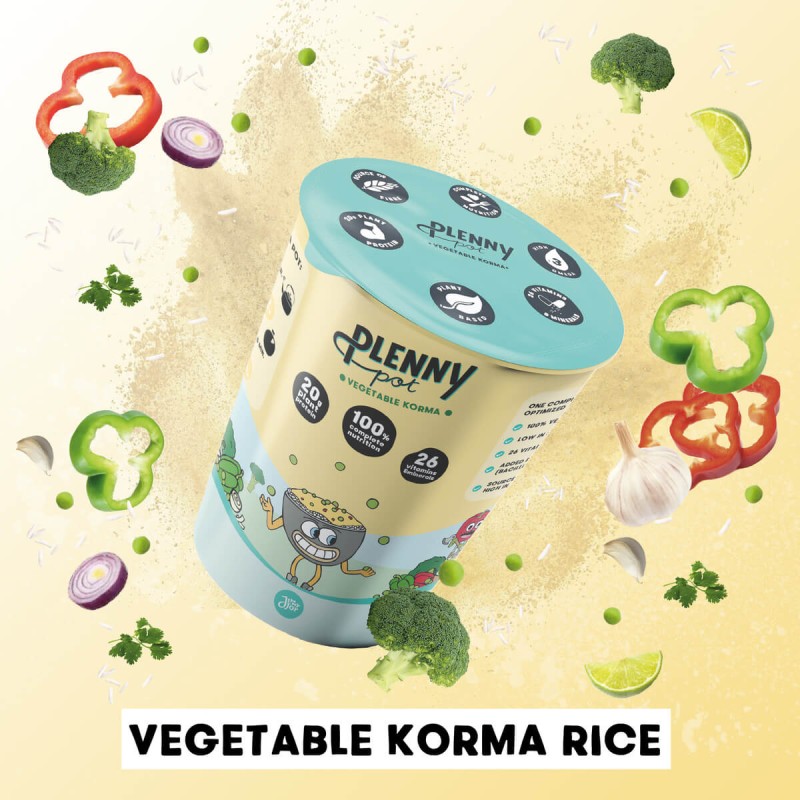
Plenny Pot is a good idea for people without access to a fridge or freezer. With quick affordable shipping, the first order includes a shaker pot with a sample meal choice, then just order refill meals thereafter.
These meals are based on nutritional requirements of healthy adults (not for children). Check with your GP before eating, if pregnant/nursing or you have medical conditions.
You basically use the scoop to mix the meal with boiling water, then leave it to infuse for a few minutes. They also would make good options for people in power cuts or say out hiking or even perhaps in space!
Due to a mix of plastic and foil, the accompanying energy bar wrappers can’t be recycled, but the other items should be fine.
The flavour range includes:
- Creamy Cajun Pasta
- Lentil Bolognese
- Mac ‘n’ Cheeze
- Vegetable Korma Rice
- Mushroom & Buckwheat Risotto
- Satay Noodles
- Tikka Masala Lentils
You can also bundle up with energy shakes. These meals work out around £2.50 (compare that to a supermarket ‘meal deal’ of a soggy sandwich, pack of crisps and bottle of drink for over £5).
Urban Noodle: Authentic Urban Noodle Pots
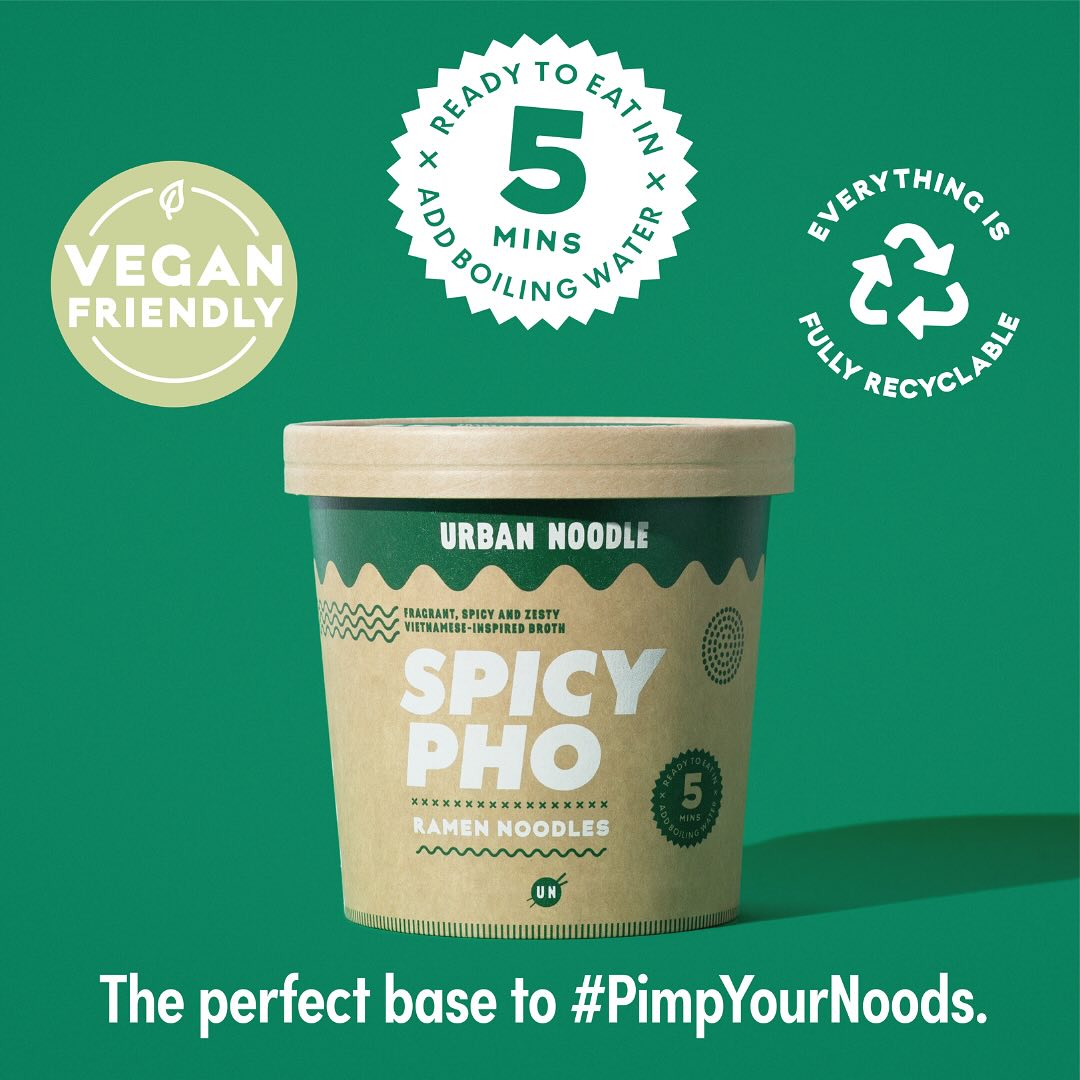
Urban Noodle offers authentic Asian ramen noodle pots, inspired by bustling food street markets. You can eat them as is, or for a more substantial meal, add some veggies or tofu. They are sold in easy-to-recycle cardboard pots, and found in most supermarkets (or order online).
Choose from:
- Yaki Umami
- Spicy Pho
- Tom Yum
Huel Instant Plant Protein Meals
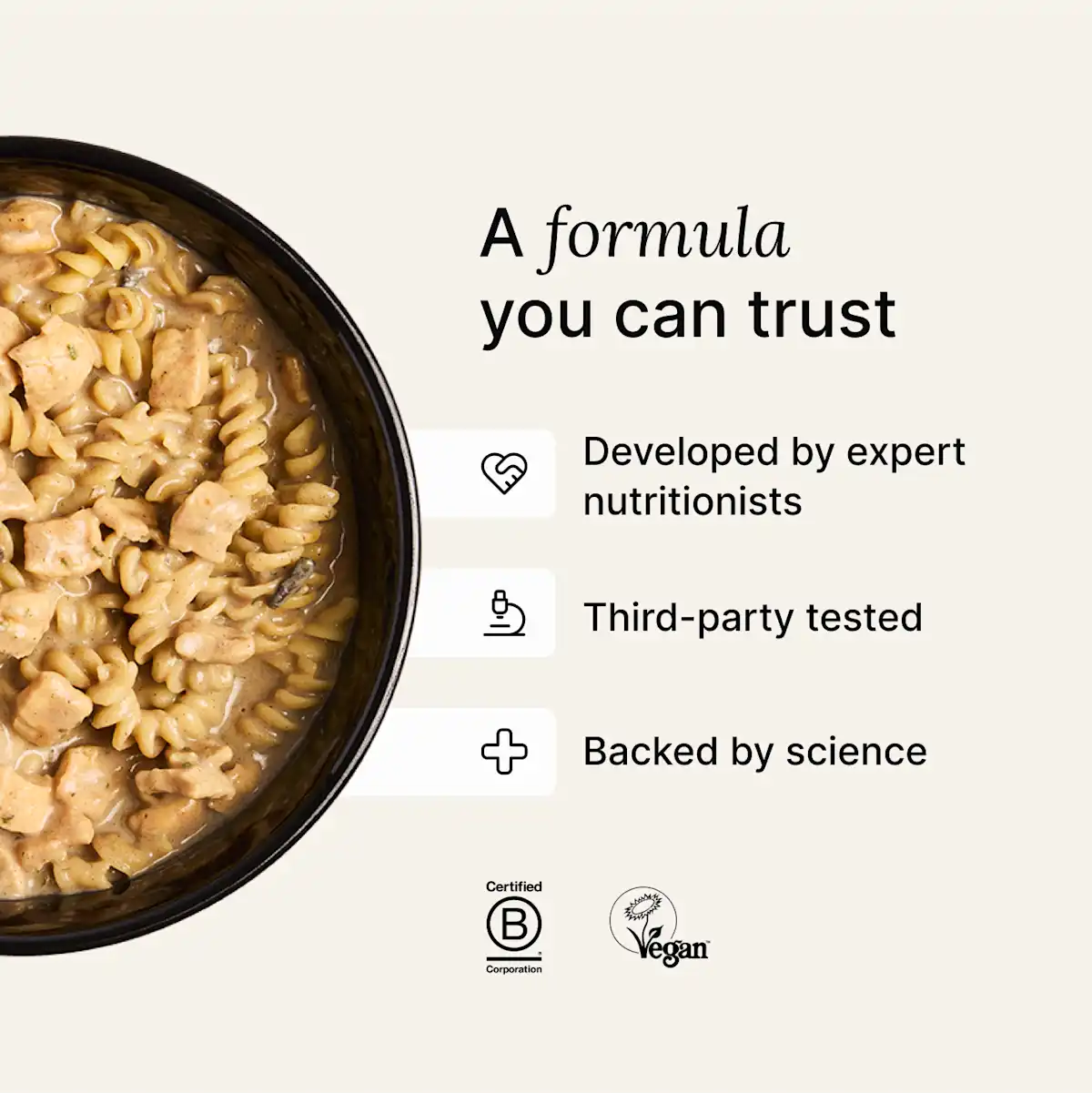
Huel offers a mighty upgrade on the Pot Noodle. Again these work out way cheaper than supermarket ready-meals if you buy in bulk online, and are far more nutritious (and vegan). Hot Meal Pots are packed with 25of protein, 26 vitamins and minerals. Just add hot water and eat!
Choose a selection box or from your favourite flavours:
- Katsu Curry Noodles
- Spaghetti Carbonara (bacon-style)
- Hoisin ‘duck’ noodles
- Fiery ‘chick’n noodles
- Korean BBQ Noodles
- Pasta Bolognese
COOK Meals (find in the freezer aisle)
COOK meals are sold in many farm shops and posh supermarkets. Most are not vegan (and the company does not have a separate area for cooking, so vegans likely won’t want these). But again, those that eat meat meals could try these as an option, which may surprise them enough to look at more plant-based options).
They are expensive, but are made with real ingredients by trained chefs. Find them in the freezer aisle. The range includes:
- Vegetable and chickpea tagine
- Yellow vegetable curry
- Green Thai vegetable curry
- Sweet potato katsu curry
- Tofu in black bean sauce
- Mexican three bean chilli
- Red lentil and mixed bean casserole
- Spanish bean stew with peppers and kale
Ethical parent brands, sustainable packaging
Many vegan lines sit inside bigger food groups. That’s common now, especially in supermarkets. This is a difficult one. On the one hand, we want companies who sell factory-farmed meats to switch over. But on the other hand, people feel uneasy about supporting companies that harm animals.
It’s best first to go for the ethical brands. But if there is nothing else available and you have to buy supermarket-only brands, then go for plant-based, to encourage them to make more.
Richmond vegan sausages and bacon are popular, but did you know that they are made by a company that also makes factory-farmed meat sausages? Instead, choose plant-based parent brands like Moving Mountains sausages or La Vie vegan bacon and ham.
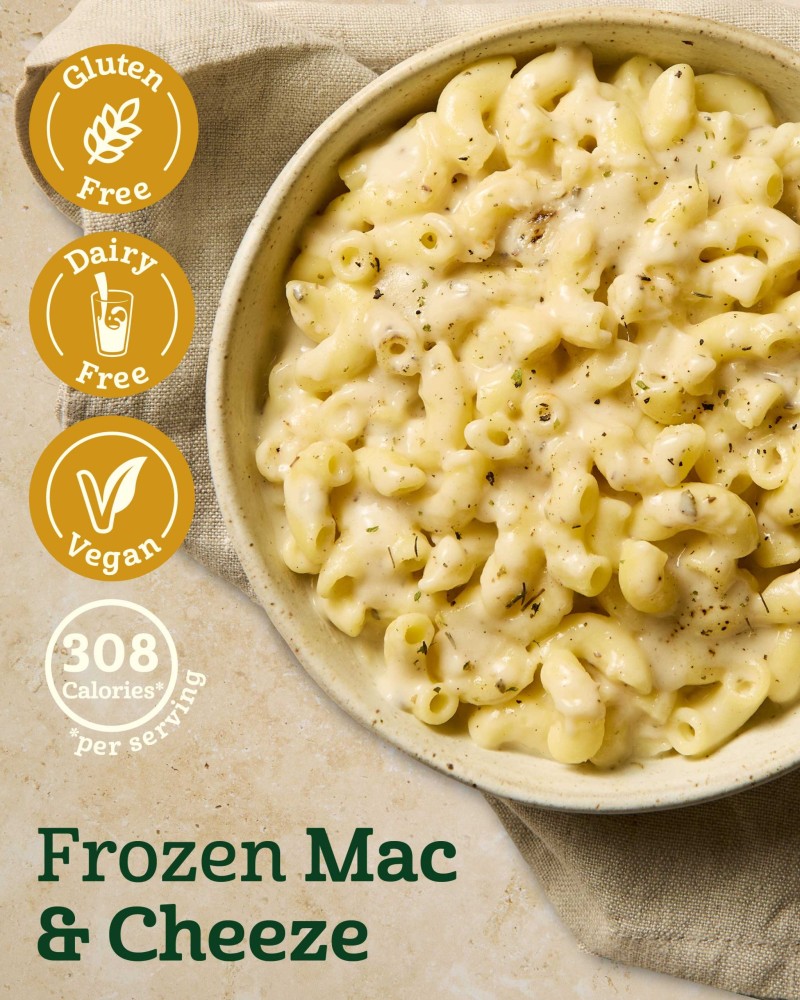
Most supermarkets now offer plant-based ready-meals, but they are few and far between. A few also offer plant-based ready meals by independent brands. A few of note are Kirsty’s (which offers vegan mac and cheeze and lentil cottage pie).
And M & S Plant-Based which offers lentil lasagne and mushroom bolognese meals (avoid their vegan meat pies, as the pastry contains palm oil).
In Tesco, BOSH offers ready-meals by two popular chefs who write cookbooks and present TV shows.