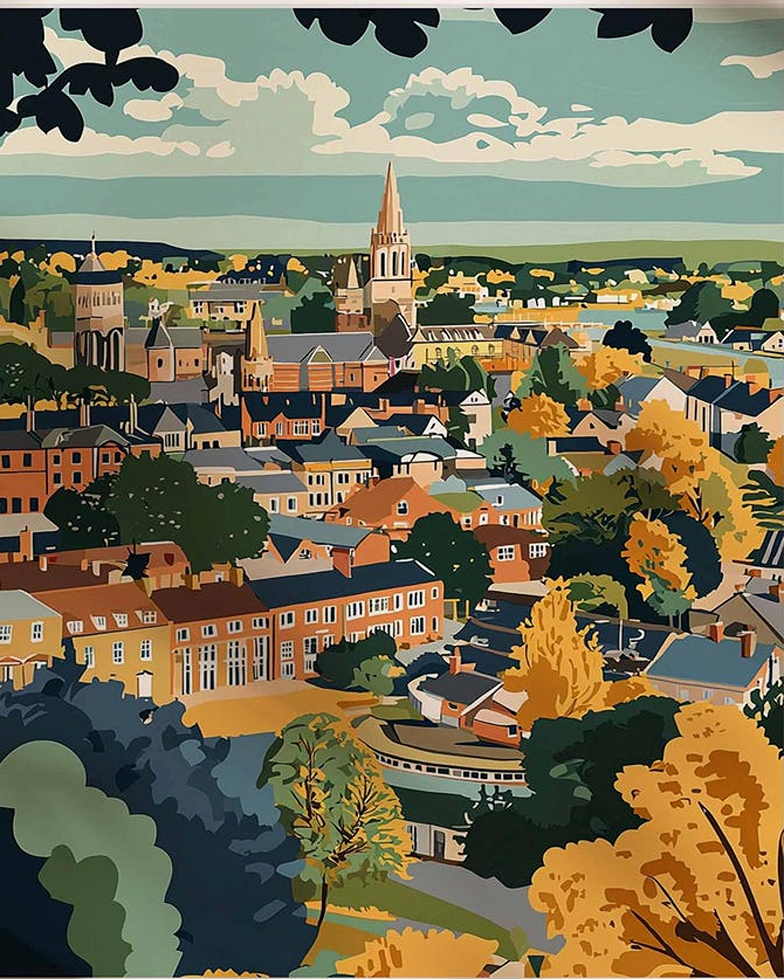
Zero Waste East Sussex (The South Downs and Seven Sisters)
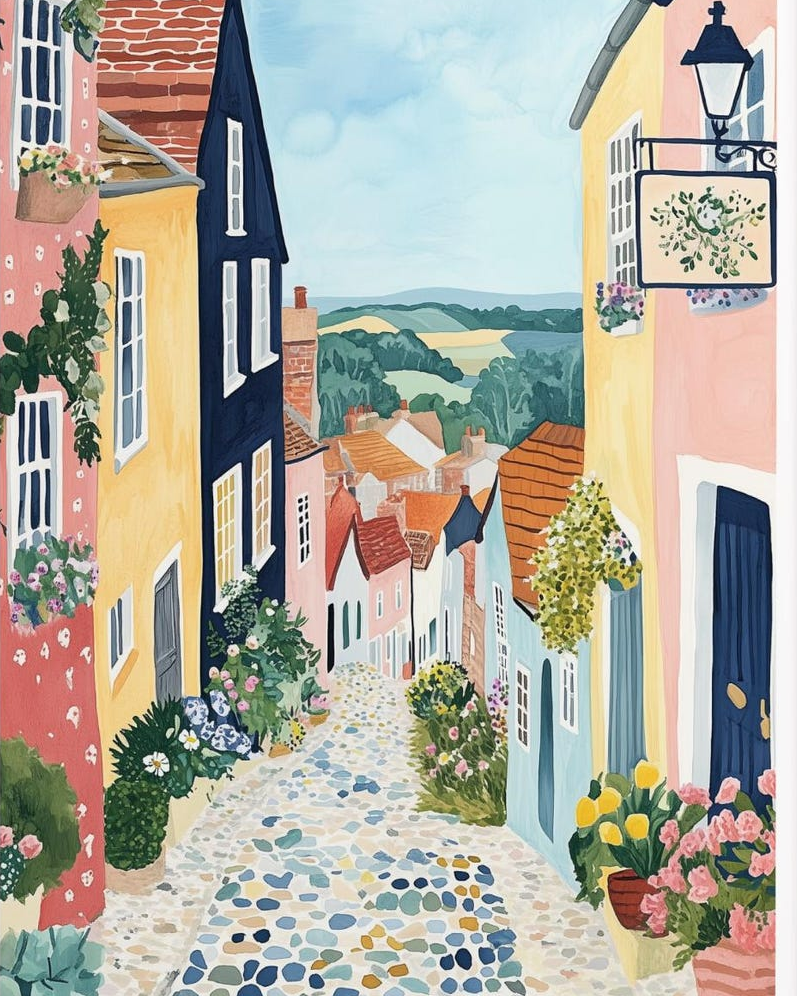
Rye by Ava Lily
East Sussex is home to a remarkable range of landscapes, from the chalk cliffs and downland of the South Downs to ancient woodland, heathland, rivers, wetlands and coast. These places support a rich variety of plants and wildlife, including birds, bats, butterflies, amphibians and marine life.
But nature faces growing pressure from habitat loss, pollution, climate change, development and disturbance. Protecting wildlife is not only the responsibility of conservation organisations. Residents, farmers, businesses and visitors can all help by caring for local habitats and making space for nature.
If out walking, follow the Countryside Code to keep all creatures safe. Keep dogs away from steep banks, mushrooms, cliffs and toxic plants/trees. If at the coast, read how to keep dogs safe by the seaside.
Why protecting nature in East Sussex matters
Healthy ecosystems support wildlife and provide important benefits for people. Woodlands store carbon and offer shade. Wetlands can hold water and support flood management. Healthy soils help grow food, while rivers, estuaries and coastal habitats support diverse communities of plants and animals.
Nature also benefits people’s wellbeing. Parks, beaches, countryside paths and nature reserves provide places to walk, exercise and spend time outdoors. They can help people learn about local wildlife and feel connected to the landscape.
Nature areas to explore in East Sussex
East Sussex has many places where people can experience nature. Access, facilities, opening times and seasonal restrictions vary, so check the relevant land manager’s guidance before visiting.
- The South Downs National Park includes much of the county’s chalk downland, farmland, woodland and river valleys. Its varied landscapes support wildflowers, insects, birds and mammals.
- Seven Sisters Country Park, near Seaford, includes chalk cliffs, grassland, river valley and coastal habitats. The area is popular with walkers and visitors, and it is also important for wildlife.
- Rye Harbour Nature Reserve is a coastal landscape of shingle, saltmarsh, lagoons and wetland habitats. It supports a range of birds, plants and other wildlife.
- Ashdown Forest is a large area of heathland, woodland and open countryside in the High Weald. Its habitats support distinctive plants, insects, birds and other wildlife.