The Gold Standard of Green Food Austria’s Organic Labels

In England, we have our Soil Association. It does certify better welfare for organic food, but nothing like in Australia (Wild Fish are trying to stop Soil Association certifying Scottish salmon as organic, as fish are still raised the same way as fish farms, with toxins also going into local lochs and harming wildlife).
Likewise, Queen guitarist Brian May recently resigned as Vice-President of RSPCA-Assured, after finding appalling treatment in some abattoirs certified by RSPCA Assured (it does wonderful emergency work, but there were pigs being killed by blunt force trauma – illegal – all to be put on charcuterie boards).
And the supermarkets suspended (not cancelled) the contracts.
In Austria, this doesn’t happen. Nearly everyone eats certified organic food, and there are subsidies to encourage making foods free from pesticides and chemicals.
Remember that food pesticides are made from oil. So buying non-organic food (which is sometimes the only choice) is helping Trump to fund wars. Austria also is completely nuclear-free as well.
It has walkable communities (less cars, less oil) and organic food (less oil) means that it has achieved its aim of making green energy affordable, with less oil needed.
This is the answer – not plastering wind turbines everywhere, as that’s just ‘replacing one energy with another’. Instead, a mind-change in lifestyles is needed. This is what has happened here in Austria.
Austria is an earthly paradise of woods and lakes. Franz Grillparzer
Very strict organic food labels
Austria has some of the toughest labelling rules in Europe. Clear standards mean shoppers can trust what they buy, and farmers who follow the rules see fair reward for their work.
For places to eat, this travel blogger has a says Austria is one of the best places to eat plant-based food. Recently, one supermarket chain opened its Vienna branch – all vegan!
Austria goes further than EU laws, with recognised marks that signal compliance at a glance. False claims on food in Austria will get your products de-listed, and you’ll be fined and even referred for prosecution.
CIWF (Compassion in World Farming) wants its own six-tier labelling system, for people to know and trust which animals foods to buy.
The best solution is to simply make your own food with real ingredients. If you do eat animal foods, buy from local organic farms. Red Tractor and ‘made in Britain’ means not much in welfare terms, other than it complies with the law.
Food should still be washed, even if organic
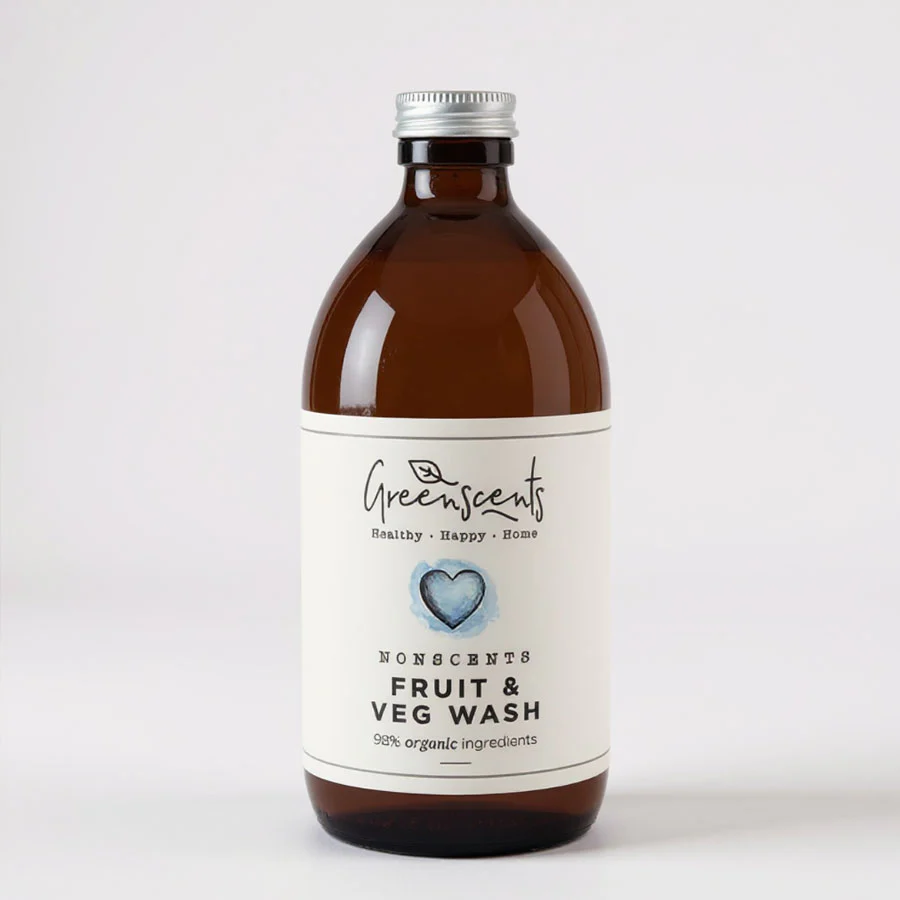
Greenscents is a wonderful eco-cleaning company, everything is vegan-friendly with no palm oil, made with natural ingredients, not tested on animals and sold in refillable bottles, which also saves you money! Everything is also made in Somerset with Exmoor water.
Greenscents Organic Fruit and Veg Wash is made with 97% organic ingredients, to help reduce exposure to potential threats like listeria, E.coli and salmonella, for cleaner food and peace of mind. Even organic fruits and vegetables can pick up bacteria in transport.
Use code GSENGLANDNATURALLY for 15% off entire order (minimum purchase £20)
Cantaloupe melon carries a slightly risk of salmonella poisoning, due to the netted ring. Keep cut melons in the fridge away from other foods, use a clean knife and wash the melon thoroughly underneath the rind, using up within a few days.
Free from fragrance, it’s perfect to clean grapes, leafy greens, berries and salad veg. It’s also good to clean apples (though it’s always best to buy organic, as most non-organic ones are spayed with waxy shellac, which is made from dead insects).
One 500ml bottle will clean over 330 apples, the 5 litre bottle will clean over 3,300 apples and the 20 litre container will clean over 13,200 apples (ideal for restaurants or people who eat an awful lot of apples!
How does the refill scheme work?
You can buy 500ml glass amber bottles (don’t handle with wet hands) for everyday use (and retail sale). Then you can buy refillable items in 5 litre and 20 litre containers. Just return empties for sanitising and reuse, as simple as that! You can buy bundle sets to save money, with the refills included with your first order.
Use with one-time purchase pumps for easy use and refilling.
What about ‘sustainable palm oil?’

The international palm oil free certification trademark is the label to look for. The term ‘sustainable palm oil’ is just a self-policed term by industry. That Greenpeace says is as useful as a chocolate teapot. Some ‘certified’ forests have been burned to the ground, along with orangutans and their babies.
How on earth the Vegan Society is certifying brands that use it is beyond belief (save cows, kill orangutans?)
Marine Conservation Council’s Blue Label
Marine Conservation Council’s Blue Label offers a logo to apparently avoid over-fishing and by-catch. But again in a few decisions have proven controversial. And as this money takes money to promote fisheries, it’s always going to have vested interests.
If you eat fish, go to a local fishmonger that you know has not used methods that by-catch other creatures, or gone over their quotas. Or use fish farms.