A Guide to the East of England, Naturally
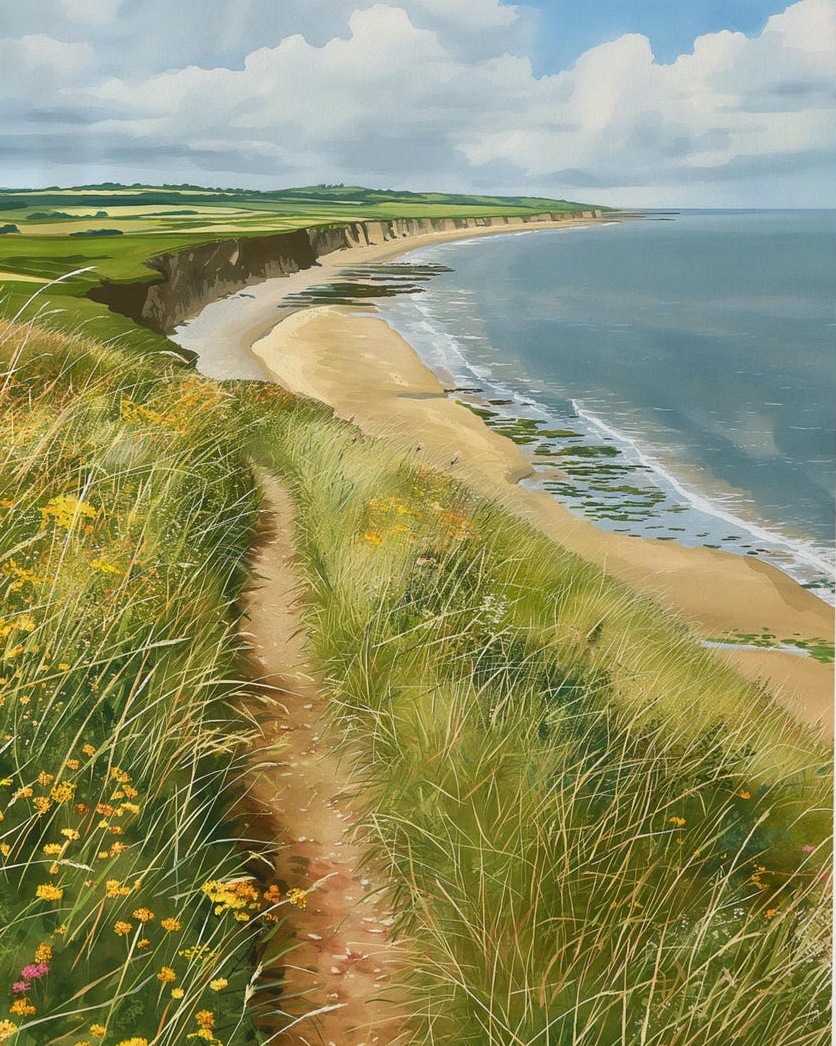
The East of England is a land of flat fields and endless skies, with breathtaking wild sandy beaches that overlook The North Sea (the coldest on earth!) It’s also a haven for many of England’s birds and marine mammals, including where most of our native seals reside.
From the marshy terrain of the Fens (Cambridgeshire) to counties with fields dotted with ancient windmills (Norfolk, Suffolk and Essex), further north are dune beaches of Lincolnshire. This is a haven for those who wish to look out to the sea, and just ponder on the nature of life.
The Norfolk Broads: England’s Amazon
This wonderful waterland was created by flooding pits many hundreds of years ago. But today it homes many of our endangered birds and mammals, and is also a popular boating holiday resort. Here you’ll spot otters to rare Eurasian cranes to the striking Swallowtail butterfly, which relies on local milk parsley.
Sea cliffs and coastal erosion
Near the north border is the pretty town of Hunstanton, known for its ‘layer cake’ cliffs of red and white. Further south there are big issues with coastal erosion, as some homes are literally sliding into the sea. It’s a wild coast in these parts, and cold too.
Pretty resorts like Wells-Next-The-Sea hide tragedies (many people died here in the 1953 Great Flood). And inland there are religious shrines like the village of Walsingham, also known as ‘England’s Nazareth’.
Preserving paradise for tomorrow is what to do here. From the sand dunes to the dramatic cliffs, from the pine trees on the coast to inland wildness. Welcome to the East of England!